


 पूर्वावलोकन देखें
 भेजें
भेजें साझा करें
 विवरण देखें
 मार्गदर्शिका

 डाउनलोड करें
 समान वस्तुएं
 एक्स-रे
 स्लाइड शो देखें
 आंकड़े
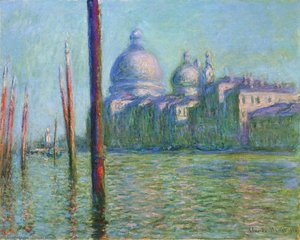
San Giorgio Maggiore, Twilight


Experience Claude Monet's iconic 'San Giorgio Maggiore, Twilight'! This breathtaking oil painting captures Venice’s serene lagoon at dusk with masterful brushstrokes and vibrant colors – a timeless masterpiece.
 और पढ़ें
क्लाउड मोनेट की दुनिया का अन्वेषण करें, जो 'वॉटर लिली' और 'हेस्टैक्स' जैसे प्रतिष्ठित परिदृश्यों के माध्यम से क्षणभंगुर प्रकाश और रंग को कैद करने के लिए प्रसिद्ध प्रभाववादी मास्टर थे।
हस्तनिर्मित ऑयल रिप्रोडक्शन
आपके आकार और फ्रेम के अनुसार कैनवास पर हाथ से बनी ऑयल पेंटिंग, हमारे कलाकारों द्वारा विशेष रूप से ऑर्डर पर तैयार। ( प्रिंट विकल्प पर जाएँ डिजिटल इमेज पर जाएँ)




P118B ₹10

P118H ₹10

P118W ₹10

P438Z ₹10

P508JH ₹12

P508YH ₹12

P805H ₹10

P805Z ₹10

P919BZ ₹10

P919G ₹10

P919XJ ₹10

P959ZH ₹10

P968JZ ₹12

W106C ₹8

W218G ₹10

W218JH ₹8

W218Y ₹10

W307PJ ₹10

W316G ₹10

W316PJ ₹8

W316Y ₹10

W398PJ ₹8

W4111J ₹10

W500HY ₹15

W500JH ₹15

W692G ₹12

W849H ₹8

W940BG ₹15

W953PJ ₹8




मानक आकार
अनुकूलित
CM
INCH
कलाकृति के मूल अनुपात से मेल खाने वाले हमारे पूर्व निर्धारित आकारों में से चुनें।
Loading sizes...

चौड़ाई
ऊँचाई
अपने फ्रेम या अपनी दीवार के अनुसार आवश्यक चौड़ाई और ऊंचाई दर्ज करें। यह हाथ से पेंट किया गया है, इसलिए अलग आकार के लिए कलाकार चित्र के चारों ओर थोड़ा अधिक पेंट कर सकता है, या थोड़ा काट सकता है — चुनाव आपका है। पेंटिंग शुरू होने से पहले हम आपकी स्वीकृति के लिए एक डिजिटल मॉकअप भेजते हैं। इस पृष्ठ पर दिखाई गई तस्वीर वास्तविक परिणाम नहीं दिखाती है — केवल मॉकअप ही वास्तविक रूप दिखाता है।
बदलाव के कुछ उदाहरण: चेहरे को ग्राहक की फोटो से बदलें; पालतू जानवर जोड़ें (जैसे बिल्ली की जगह कुत्ता); बैकग्राउंड में कोई छिपा हुआ संदेश शामिल करें; बैकग्राउंड का परिदृश्य या तत्व बदलें।
ऑर्डर देने के बाद, TopImpressionists.com टीम निर्देशों के लिए क्लाइंट को ईमेल करेगी और एक मॉकअप प्रीव्यू प्रदान करेगी
ऑर्डर देने के बाद, TopImpressionists.com टीम निर्देशों के लिए क्लाइंट को ईमेल करेगी और एक मॉकअप प्रीव्यू प्रदान करेगी
विश्वव्यापी वितरण () मानक 5 सप्ताह के बजाय मात्र 3/4 सप्ताह में। (20 अक्टूबर)। गुणवत्ता से कोई समझौता नहीं।

दुनिया भर में मुफ़्त एक्सप्रेस शिपिंग

प्रीमियम ग्रेड लिनेन कैनवास

पूर्ण शिपिंग बीमा

सीमा शुल्क और आयात कर वापसी की गारंटी

सटीक रंग मिलान की गारंटी

100 दिनों की वापसी नीति (केवल निर्माण दोष होने पर)

100% पैसे वापसी की गारंटी

थोक छूट का अवसर
 ग्लास का विकल्प केवल 110 सेमी से कम आकार में ही उपलब्ध है।

San Giorgio Maggiore, Twilight
प्रतिकृति की सामग्री
प्रतिकृति का आकार
-


कुल मूल्य
₹ 25838
A Symphony of Light and Water
In the quiet transition between day and night, when the sun retreats behind the horizon and leaves behind a trail of amber and violet, Claude Monet captured a moment of profound stillness in San Giorgio Maggiore, Twilight. This masterpiece, painted around 1908, serves as a breathtaking window into the Venetian lagoon, where the architectural majesty of the Basilica di San Giorgio Maggiore meets the fluid, ever-changing surface of the water. As an exemplar of the Impressionist movement, the painting does not merely document a landmark; it translates the very sensation of atmosphere into pigment. The viewer is invited to witness the soft, warm glow that characterizes the twilight hour, a period where shadows lengthen and the boundaries between sky and sea begin to dissolve into a dreamlike haze.
The composition is a masterclass in balance and depth. Monet utilizes a palette of luminous oranges, deep blues, and muted golds to evoke the fleeting effects of light that defined his late career. Through loose, rhythmic brushstrokes, he creates a sense of movement within the water, where the silhouettes of gondolas and small boats drift like whispers across the lagoon. The presence of these vessels adds a layer of human narrative to the scene, suggesting the quiet pulse of Venetian life even as the city settles into nocturnal repose. For the discerning collector or interior designer, this piece offers a sense of serene movement, making it an ideal focal point for spaces that require a touch of tranquility and timeless elegance.
The Impressionist Vision and Technique
To understand San Giorgio Maggiore, Twilight is to understand Monet’s lifelong obsession with the ephemeral. Moving away from the rigid outlines of academic tradition, Monet employed a technique that prioritized the perception of light over the precision of form. In this work, the Basilica itself is not rendered with architectural exactitude but emerges as a spectral presence, its white marble catching the final, dying rays of the sun. This approach allows the painting to feel almost three-dimensional, as if the light is physically radiating from the canvas. The interplay of contrast—the warmth of the sunset against the cooling blues of the encroaching night—creates a visual tension that keeps the eye wandering through the depths of the lagoon.
This mastery of color and texture makes a high-quality oil reproduction particularly transformative for a home environment. When recreated with meticulous attention to every brushstroke, the painting retains its ability to alter the mood of a room, bringing the romantic, salt-sprayed air of Venice into a modern interior. Whether placed in a sunlit gallery or a sophisticated study, the artwork acts as a portal to another era, embodying the revolutionary spirit of an artist who taught the world to see beauty in the most fleeting of moments.
A Timeless Legacy for the Modern Collector
Beyond its aesthetic brilliance, this painting carries the weight of art history. Created during a period when Monet was exploring his most profound atmospheric studies, the work stands as a testament to the enduring power of the Impressionist movement. It is a piece that speaks to the soul, evoking emotions of nostalgia, peace, and wonder. For those seeking to curate a collection of significant historical works, San Giorgio Maggiore, Twilight offers more than just decoration; it offers an experience of light and memory.
Integrating such a masterpiece into your decor allows for a sophisticated dialogue between classical beauty and contemporary design. The soft tones and evocative subject matter complement a wide variety of styles, from traditional luxury to minimalist modernism. By bringing this reproduction into your living space, you are not just displaying a painting; you are preserving a fragment of Claude Monet’s luminous legacy, ensuring that the magic of a Venetian twilight continues to inspire generations to come.
प्रश्न और उत्तर
क्लाउड मोनेट द्वारा "San Giorgio Maggiore, Twilight" किस आंदोलन और किस युग से संबंधित है?
क्लाउड मोनेट द्वारा "San Giorgio Maggiore, Twilight" में, Impressionist Movement आंदोलन और 19वीं शताब्दी युग का संगम होता है।
Impressionist Movement के भीतर "San Giorgio Maggiore, Twilight" कितनी लोकप्रिय है?
कैटलॉग में Impressionist Movement कृतियों के बीच "San Giorgio Maggiore, Twilight" को Iconic के रूप में दर्ज किया गया है।
"San Giorgio Maggiore, Twilight" किसी स्थान के वातावरण को कैसा रूप देगा?
क्लाउड मोनेट द्वारा "San Giorgio Maggiore, Twilight" में एक Serene वातावरण है और इसे Living Room के लिए अनुशंसित किया जाता है। 'मूड' से तात्पर्य उस भाव से है जो यह कलाकृति अपने आस-पास के स्थान में भर देती है।
समान कलाकृतियाँ




कलाकार का परिचय
प्रकाश में डूबा एक जीवन: क्लाउड मोनेट की दुनिया
ऑस्कर-क्लाउड मोनेट, एक ऐसा नाम जो प्रभाववाद (Impressionism) का पर्याय है, केवल परिदृश्य चित्रकार नहीं थे; वे क्षणिक पलों के क्रोनिकलर थे, प्रकाश और रंग के कवि थे। 14 नवंबर, 1840 को पेरिस में जन्मे, उनके शुरुआती जीवन में एक अप्रत्याशित मोड़ तब आया जब पाँच वर्ष की आयु में उनका परिवार नॉरमंडी के ले Havre में बस गया। हालाँकि उनके पिता उन्हें एक वाणिज्यिक करियर के लिए तैयार कर रहे थे, लेकिन युवा क्लाउड की सहज कलात्मक प्रतिभा जल्द ही उभर कर सामने आई, जो पहले स्थानीय स्तर पर बेचे जाने वाले चारकोल कैरिकेचर के रूप में दिखाई दी – जो उनकी कुशलता और उद्यमशीलता दोनों का प्रमाण था। हालाँकि, यूजीन बौडीन के साथ उनका मिलन निर्णायक साबित हुआ। बौडीन ने मोनेट को केवल यह नहीं सिखाया कि *कैसे* पेंट करना है; उन्होंने उनके भीतर एन प्लेन एयर—सीधे प्रकृति से—पेंट करने का क्रांतिकारी विचार स्थापित किया – एक ऐसी प्रथा जो उनकी पूरी कलात्मक यात्रा को परिभाषित करने वाली थी।
मोनेट का औपचारिक प्रशिक्षण पेरिस में शुरू हुआ, पहले अकादेमी सुइस (Académie Suisse) में और बाद में चार्ल्स ग्लीरे के मार्गदर्शन में। यहीं उन्होंने ऑगस्ट रेनोआ जैसे साथी कलाकारों के साथ स्थायी मित्रता की नींव रखी, एक ऐसा बंधन जो साझा कलात्मक संघर्षों और पारंपरिक अकादमिक पेंटिंग की सीमाओं से मुक्त होने की इच्छा पर आधारित था। उनके शुरुआती कार्यों में तकनीकी दक्षता तो थी, लेकिन उनमें उस विशिष्ट स्वर का अभाव था जो जल्द ही उनकी शैली की पहचान बनने वाला था। इसके बाद उथल-पुथल का एक दौर आया – फ्रेंको-प्रुशियन युद्ध के कारण मोनेट को लंदन में शरण लेनी पड़ी, जहाँ उन्होंने जे.एम.डब्ल्यू. टर्नर जैसे अंग्रेजी परिदृश्य दिग्गजों के कार्यों में खुद को डुबो दिया और उनके वायुमंडलीय प्रभावों एवं रंगों के अभिनव उपयोग को आत्मसात किया।
एक सौंदर्यवादी क्रांति का जन्म
फ्रांस लौटने पर, मोनेट एक उभरते हुए कलात्मक विद्रोह के केंद्र बिंदु बन गए। सैलून (Salon) के रूढ़िवादी मानकों से असंतुष्ट होकर, उन्होंने स्वतंत्र प्रदर्शनियाँ आयोजित करने के लिए अन्य समान विचारधारा वाले कलाकारों के साथ हाथ मिलाया। 1874 की प्रदर्शनी न केवल मोनेट के लिए बल्कि पूरी कला जगत के लिए एक ऐतिहासिक मोड़ साबित हुई। यहीं उनकी पेंटिंग “इंप्रशन, सोले लेवेंट” (Impression, Sunrise) प्रदर्शित की गई थी – जो भोर के समय ले Havre के बंदरगाह का एक धुंधला चित्रण था – और इसी से उपहासपूर्ण शब्द "प्रभाववाद" (Impressionism) की उत्पत्ति हुई। हालाँकि, यह नाम उनके साथ जुड़ गया और एक ऐसे आंदोलन के सम्मान के प्रतीक के रूप में विकसित हुआ जिसने किसी दृश्य के सटीक चित्रण के बजाय उसके व्यक्तिपरक *प्रभाव* को कैद करने का प्रयास किया।
इस अवधि के दौरान मोनेट की विशिष्ट शैली पूरी तरह से निखर कर आई: ढीले, स्पष्ट ब्रशस्ट्रोक, जीवंत और अक्सर बिना मिले हुए रंग जिन्हें अगल-बगल लगाया जाता था (एक तकनीक जिसे “ब्रोकन कलर” कहा जाता है), और प्रकाश के क्षणभंगुर गुणों को पकड़ने पर अटूट ध्यान। उन्होंने अपनी एन प्लेन एयर पद्धति का अथक अभ्यास किया, बदलते परिवेश द्वारा दृश्य को बदलने से पहले अपनी तात्कालिक धारणाओं को दर्ज करने के लिए तेजी से काम किया। यह समर्पण केवल वह चित्रित करने के बारे में नहीं था जो उन्होंने *देखा*, बल्कि इसके प्रति उनकी *अनुभूति* के बारे में था – जो कलात्मक परंपराओं से एक क्रांतिकारी विचलन था।
गिवर्नी: प्रकाश और प्रतिबिंब का स्वर्ग
1883 में, मोनेट पेरिस के उत्तर-पश्चिम में गिवर्नी में बस गए, जहाँ उन्होंने एक ऐसा घर और बगीचा बनाया जो उनका आश्रय स्थल और प्रेरणा का सबसे बड़ा स्रोत बन गया। उन्होंने इस संपत्ति को बड़ी बारीकी से एक विस्तृत स्वर्ग में बदल दिया, जिसमें विदेशी फूल, विलो के पेड़ और सबसे प्रसिद्ध रूप से, एक जापानी पुल से सटा हुआ जल लिली का तालाब शामिल था। यह केवल एक सजावटी बगीचा नहीं था; यह एक जीवित प्रयोगशाला थी जहाँ मोनेट नियंत्रित परिस्थितियों में पानी, पत्तियों और प्रतिबिंबों पर प्रकाश के प्रभावों का अध्ययन कर सकते थे।
उनके जीवन के अंतिम दशक लगभग पूरी तरह से गिवर्नी के जल लिली तालाब को चित्रित करने के प्रति समर्पित थे। उन्होंने विशाल 'वॉटर लिलीज' (Nymphéas) श्रृंखला की शुरुआत की, जिसमें ऐसे बड़े कैनवस बनाए जिन्होंने तालाब की सतह को रंग और प्रकाश के निरंतर बदलते हुए टेपेस्ट्री के रूप में दिखाया। ये केवल फूलों के चित्र नहीं थे; ये एक ऐसा गहन अनुभव थे, जिसे दर्शक को शांत सुंदरता और चिंतनशील स्थिरता की दुनिया में सराबोर करने के लिए बनाया गया था। इन कार्यों का पैमाना विस्मयकारी है, जो पारंपरिक पेंटिंग की सीमाओं को आगे बढ़ाता है और अमूर्त अभिव्यक्तिवाद (Abstract Expressionism) का पूर्वाभास देता है।
विरासत: कला इतिहास पर एक स्थायी प्रभाव
कला इतिहास पर क्लाउड मोनेट का प्रभाव अतुलनीय है। वे केवल प्रभाववाद के संस्थापक नहीं थे; उन्होंने मौलिक रूप से उस तरीके को बदल दिया जिससे कलाकार अपने आसपास की दुनिया को देखते और प्रस्तुत करते हैं। व्यक्तिपरक अनुभव पर उनके जोर, एन प्लेन एयर पेंटिंग के उनके प्रेम, और उनकी नवीन तकनीकों ने आधुनिक कला के अमूर्तता और गैर-प्रतिनिधित्ववादी रूपों की खोज का मार्ग प्रशस्त किया।
मोनेट ने अपने जीवनकाल में काफी व्यावसायिक सफलता प्राप्त की – जो उनके युग के अग्रगामी कलाकारों के लिए दुर्लभ था। उनका कार्य आज भी दुनिया भर के दर्शकों को विस्मय से भर देता है, जिससे पश्चिमी कला में एक अत्यंत महत्वपूर्ण व्यक्तित्व के रूप में उनका स्थान सुदृढ़ होता है। 5 दिसंबर, 1926 को उनका निधन हो गया, लेकिन वे अपने पीछे एक ऐसी विरासत छोड़ गए जो कलाकारों और कला प्रेमियों की पीढ़ियों में गूंजती रहती है। उनकी उत्कृष्ट कृतियों का महत्वपूर्ण संग्रह पेरिस के प्रतिष्ठित संस्थानों जैसे म्यूज़ियम डी'ओर्से और म्यूज़ियम मार्मोटन मोनेट में सुरक्षित है, जो यह सुनिश्चित करता है कि उनका दृष्टिकोण दुनिया को आलोकित करना जारी रखे।
प्रमुख कलात्मक तकनीकें
- एन प्लेन एयर पेंटिंग: उनके विकास का केंद्र, जिसने प्रकाश और वातावरण के प्रत्यक्ष अवलोकन की अनुमति दी।
- ब्रोकन कलर (Broken Color): ऑप्टिकल सम्मिश्रण के लिए शुद्ध रंगों के छोटे स्ट्रोक को अगल-बगल लगाना।
- सीरीज पेंटिंग: अलग-अलग प्रकाश और मौसम की स्थितियों के तहत एक ही विषय का चित्रण करना – जो समय और प्रकाश की परिवर्तनकारी शक्ति को प्रदर्शित करता है।

क्लाउड मोनेट
1840 - 1926 , फ्रांस
संक्षिप्त जानकारी
- Artistic Movement Or Style: प्रभाववाद (इंप्रेशनिज्म)
- Artists Or Movements Influenced By This Artist: ['आधुनिक कला']
- Artists Who Influenced This Artist:
- यूजीन बौडीन
- जे.एम.डब्ल्यू. टर्नर
- Date Of Birth: 14 नवंबर 1840
- Date Of Death: 5 दिसंबर 1926
- Full Name: ऑस्कर-क्लाउड मोनेट
- Nationality: फ्रांसीसी
- Notable Artworks:
- इम्प्रेशन, सूर्योदय
- जल लिली श्रृंखला
- गहू के ढेर
- रूएन कैथेड्रल
- Place Of Birth: पेरिस, फ्रांस
संबंधित लेखों की सूची

छाया और प्रकाश की खोज: प्रभाववादी परिदृश्य के 10 उत्कृष्ट कृतियाँ
प्रभाववादी परिदृश्य की दुनिया में कदम रखें! मोनेट, रेनोइर और अन्य महान कलाकारों के 10 उत्कृष्ट कृतियों का अन्वेषण करें। कला इतिहास, तकनीक और प्रेरणा जानें। TopImpressionists.com पर संग्रहालय-गुणवत्ता वाले प्रिंट खोजें।

क्लाउड मोनेट की शीर्ष 25 उत्कृष्ट कृतियाँ: कला और सौंदर्य का अद्भुत संग्रह | TopImpressionists
क्लाउड मोनेट की शीर्ष 25 पेंटिंग! प्रभाववाद के जादू और वॉटर लिलीज़ की सुंदरता का अनुभव करें। कला इतिहास, तकनीक और प्रेरणादायक कहानियाँ जानें। TopImpressionists.com पर उच्च गुणवत्ता वाले कला प्रिंट खोजें।

Capturing Light: The Revolution of Impressionism and the Enduring Legacy of Claude Monet
Explore the revolutionary history of Impressionism and the luminous legacy of Claude Monet. Discover how his mastery of light and color redefined modern art through an expert-led journey into the heart of 19th-century France.

Impressionistic Landscapes: 10 Masterpieces That Changed Art & Decor
Journey into the heart of Impressionism! Explore 10 masterpieces by Monet, Renoir & Degas that revolutionized landscape art. Discover their stories, techniques & find museum-quality reproductions to elevate your home decor on TopImpressionists.com.

पेरिस के Musée d'Orsay की 25 उत्कृष्ट कलाकृतियाँ: इतिहास, कलाकार और सौंदर्य
पेरिस के Musée d'Orsay की 25 उत्कृष्ट कलाकृतियों का अन्वेषण करें! क्लाउड मोनेट, वान गाग और देगास जैसे कलाकारों की कहानियाँ जानें। प्रभाववाद और पोस्ट-प्रभाववाद से प्रेरित घर की सजावट के लिए उच्च गुणवत्ता वाले कला प्रिंट खरीदें - TopImpressionists.com पर।
विषयों, शैलियों और विशेषताओं के आधार पर व्यवस्थित कलाकृतियों का अन्वेषण करें।


