




The Alchemy of Pigment: Understanding the Richness and Depth of Oil Mediums
 Oil painting
Oil painting is a painting method involving the procedure of painting with pigments combined with a drying oil as the binder. It has been the most common technique for artistic painting on canvas, wood panel, or copper for several centuries. The adva...
To step into the world of oil painting is to enter a sanctuary where chemistry meets poetry. Unlike the rapid, water-soluble nature of acrylics, which dry with a swiftness that demands haste, oil painting is a slow, deliberate dance of molecules. At its heart lies the marriage of pure pigment and a drying oil—most commonly linseed, though walnut or poppy seed oils are often chosen by the discerning hand to impart specific sheens or delays in drying. This medium has been the preferred language of masters for centuries because it offers an unparalleled flexibility; it allows the artist to blend colors with a seamless grace that no other medium can replicate.
When we gaze upon a masterpiece, we are witnessing the result of layers upon layers of translucent glazes and dense, opaque applications. This depth is what gives oil painting its characteristic luminosity. The light does not merely bounce off the surface; it travels through the transparent layers, reflecting back from the white primer beneath, creating an inner glow that seems to breathe. From the ancient Buddhist traditions in Afghanistan to the refined ateliers of the European Renaissance, the ability to manipulate light and shadow—the chiarosc/oscuro—has made oil the definitive medium for those seeking to capture the very essence of life.
A Symphony of Light: How Impressionist Masters Captured the Fleeting Moment
 Mastering Light: The 25 Most Iconic Camille Pissarro Paintings
Introduction To step into the world of Camille Pissarro is to witness the very moment light learned to dance upon the canvas. As one of the foundational pillars of the Impressionist movement, Pissarro did not merely paint landscapes; he captured the ...
For those of us who have spent a lifetime wandering through the hallowed, sun-drenched galleries of the Musée d'Orsay, the Impressionist movement represents more than just a period in history; it is a revolution of perception. Artists like Claude Monet, Pierre-Auguste Renoir, and Camille Pissarro moved away from the rigid, academic focus on precise realism to embrace something far more precious: the ephemeral. They sought to capture the way light dances upon a water lily, the shifting humidity of a French morning, or the rhythmic vitality of a bustling street.
In works such as Renoir’s Bouquet in front of a Mirror, we see this celebration of nature’s beauty through lively, expressive brushwork. The colors are not merely applied; they are vibrantly celebrated, with warm reds and yellows contrasting against cooler purples to evoke a sense of joyful abundance. Similarly, the landscapes of Pissarro remind us that there is profound dignity in the everyday, capturing the breathing pulse of the earth itself. These masters understood that beauty is often found in the transient—the way a shadow stretches at dusk or how sunlight filters through a summer canopy—and they used the richness of oil to freeze these fleeting emotions forever.
The Living Canvas: The Science of Curing, Texture, and the Beauty of Impasto
There's a calendar on the wall of a drying room I keep thinking about, dates crossed out in blue, then in black, then finally in a red that means something has gone wrong twice already. The room itself does nothing, which is the whole point of it. Ca...
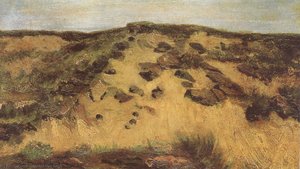
There is a profound, quiet intimacy found in the physical texture of a painting. When we speak of impasto, we refer to that luscious, raised application of paint where the artist’s brushstrokes become sculptural elements. In the works of Vincent van Gogh or the textured landscapes of Claude Monet, the paint possesses a tactile richness that invites the eye to wander over every ridge and valley of the surface. This physical texture, or actual texture, provides a sense of movement and immediacy that a flat print simply cannot convey.
However, this beauty requires patience, for oil paint does not dry through simple evaporation; it cures through oxidative polymerization. It is a slow, stubborn process where the paint pulls oxygen from the air to cross-link into a solid film. This is why a true handmade reproduction cannot be rushed. In an atelier, canvases may lean against walls for weeks, undergoing a silent chemistry that no amount of urgency can bypass. While a painting may feel touch-dry within days, a full cure can take months. This period of waiting is essential to ensure the structural integrity of the work, preventing future issues and allowing the layers to settle into their permanent, magnificent state.
Beyond the Frame: Preserving the Soul of Your Artwork for Generations
 Texture (visual arts)
In the visual arts, texture refers to the perceived surface quality of a work of art. It is an element found in both two-dimensional and three-dimensional designs, and it is characterized by its visual and physical properties. The use of texture, in ...
Investing in a fine oil painting is an act of stewardship. Whether it is a cherished family portrait or a reproduction of a classic Impressionist landscape, these works are intended to endure. To protect this investment, one must understand the delicate balance required for preservation. The use of high-quality materials, such as flexible gesso to prevent cracking and specific oils like safflower to ensure whites do not yellow over time, is paramount. Furthermore, finishing each work with a coat of Damar varnish serves as a protective shield against the dust, moisture, and atmospheric pollutants of our modern world.
For the collector, care extends to the environment in which the art resides. To maintain the vibrancy of the pigments for decades, it is wise to avoid direct, harsh sunlight and to use acid-free matting when framing prints. For our hand-painted oils on cotton canvas, we utilize reinforced stretcher bars to prevent warping, ensuring that the soul of the canvas remains as steadfast as the day it left the artist's easel. Art is a lasting memory, and with proper care, the luminous glow of an oil masterpiece can be passed down through generations, much like a treasured family heirloom.
From Memory to Masterpiece: The Art of Custom Oil Commissions and Reimagined History
 Bouquet in front of a Mirror
Vibrant Celebration of Nature’s Beauty This captivating still life captures a lush bouquet of flowers rendered with lively, expressive brushwork that embodies the essence of Impressionism. The composition centers on a generous arrangement of blooms i...
Perhaps the most magical aspect of the Impressionist spirit is the ability to "remix" history, bringing the techniques of the past into our contemporary lives. We believe that art should be a personal dialogue. Through our custom commission services, we offer the extraordinary opportunity to transform your own milestones into works of fine art. Imagine a modern wedding photograph reimagined with the light-drenched, soft focus of a Monet, or a cherished pet portrait executed with the vigorous, emotional impasto of Van Gogh.
This process is a collaborative journey. Through our Professional Digital Mockup Service, we remove the uncertainty of the unknown, allowing you to see a digital composition and adjust colors before a single drop of oil touches the canvas. Whether it is a complex group portrait combining individuals from different photographs or a "Period Shift" that transforms a modern image into a classical masterpiece, our artists—each holding degrees from prestigious Fine Arts academies—work with meticulous passion. We do not merely replicate; we reimagine, ensuring that every custom piece becomes a unique, hand-painted testament to your most beautiful memories.


