


 Megtekintés
 Küldés
 Megosztás
 Részletek
 Útmutató

 Letöltés
 Hasonló darabok
 X-ray felvétel
 Diavetítés
 Q&A
Q&A Statisztika
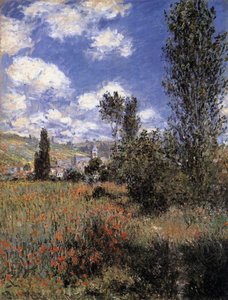
Vétheuil: Egy látomás a Seine fényében: Claude Monet Vétheuil tájképe


Claude Monet Vétheuil tájképe (1879): Egy lenyűgöző impressionista műalkotás, mely fény és légkör érzékeltetésére helyezi az akadémiai hagyományok helyét, és egy nyugodt vidéki jelenetet ábrázol a Seine folyó szélén.
 Összes részlet megjelenítése
Fedezze fel Claude Monet világát, az impresszionizmus mesterét, aki ikonikus tájképein, mint a Vízililiomok és a Szénaszúnyogok, a múló fény és szín lenyűgöző pillanatait örökítette be.
Kézzel készített olajfestmény reprodukció
Kézzel festett olajvastú vászon, az Ön által választott méretben és keretben, művészeink készítik meglévőre. ( Váltás nyomtatványra Áttérés digitális képre)




P118B Ft10

P118H Ft10

P118W Ft10

P438Z Ft10

P508JH Ft12

P508YH Ft12

P805H Ft10

P805Z Ft10

P919BZ Ft10

P919G Ft10

P919XJ Ft10

P959ZH Ft10

P968JZ Ft12

W106C Ft8

W218G Ft10

W218JH Ft8

W218Y Ft10

W307PJ Ft10

W316G Ft10

W316PJ Ft8

W316Y Ft10

W398PJ Ft8

W4111J Ft10

W500HY Ft15

W500JH Ft15

W692G Ft12

W849H Ft8

W940BG Ft15

W953PJ Ft8




Standard méret
egyedi méretű
CM
INCH
Válasszon előre meghatározott méreteink közül, amelyek megfelelnek a műalkotás eredeti arányainak.
Loading sizes...

szélesség
magasság
Írja be a kívánt szélességet és magasságot, hogy illeszkedjen a keretéhez vagy a falához. Mivel ez kézzel festett alkotás, egy eltérő formájú méret esetén a művész akár festhet is valamivel többet a kép körül, vagy korolathat is belőle — az Ön döntésének megfelelően. A festés megkezdése előtt küldünk egy digitális tervezetet jóváhagyásra. Az oldalon látható kép nem tartalmazza a végeredményt — csak a tervezet mutatja meg a valódi eredményt.
Példák arra, mit lehet módosítani: az arc kicserélése az ügyfél fotójára; háziállat hozzáadása (pl. macska helyett kutya); rejtett üzenet elhelyezése a háttérben; a háttér tájának vagy elemeinek megváltoztatása.
A rendelést követően a TopImpressionists.com csapata e-mailt küld az ügyfélnek az instrukciókért, és biztosít egy előnézeti képet (mockup).
A rendelést követően a TopImpressionists.com csapata e-mailt küld az ügyfélnek az instrukciókért, és biztosít egy előnézeti képet (mockup).
Világszerte elérhető szállítás () 3-4 hét alatt a szokásos 5 hét helyett. (29 október). A minőség nem kérdőjelezhető.

Ingyenes globális expressz szállítás

Prémium minőségű len vászon

Teljes körű szállítási biztosítás

Vámvisszatérítési Garancia

Hiteles színarányosság garancia

100 napos visszaküldési lehetőség (csak hibás termékek esetén)

100% pénzvisszatérítési garancia

Több darab vásárlásakor kedvezmény
 Az üvegkeretes opció csak 110 cm alatti méretben érhető el

Vétheuil: Egy látomás a Seine fényében: Claude Monet Vétheuil tájképe
Reprodukciós technika
Reprodukció mérete
-


Összesített ár
Ft 87026
A Glimpse into Impressionist Harmony: Claude Monet’s Vétheuil Landscape
Claude Monet (1840-1926) stands as a titan of 19th-century art, and a central figure in the birth of Impressionism – a movement that irrevocably altered the course of modern painting. His dedication to capturing the fleeting effects of light and atmosphere, *en plein air*, revolutionized artistic practice and continues to inspire awe today. This landscape, painted in 1879 at Vétheuil, exemplifies his groundbreaking approach. It’s more than just a depiction of a village; it's an embodiment of Monet’s profound connection with nature and his masterful exploration of color and light—elements that define the very essence of Impressionism.Vétheuil: A Sanctuary on the Seine
Monet resided in Vétheuil, a charming village northwest of Paris, from 1878 to 1881, a period marked by both personal hardship – the recent loss of his wife Camille – and artistic fervor. The painting captures a serene scene viewed from an island within the Seine River. A winding footpath, punctuated by vibrant poppies in the foreground, draws the eye towards the distant church tower of Vétheuil. A stand of poplar trees partially obscures the water, creating layers of depth and visual interest. This wasn’t merely a reflection of place; it was an intimate study of light, color, and atmosphere within a landscape that offered solace during a difficult time—a testament to Monet's ability to transform sorrow into beauty.The Essence of Impressionism: Technique & Style
- Loose Brushwork: Monet’s signature style is immediately apparent in the visible, broken brushstrokes. These aren't intended to meticulously recreate reality but rather to capture the *impression* of light and movement. Imagine a painter’s hand dancing across the canvas—each stroke deliberately placed to convey not just what he sees, but how it feels.
- Vibrant Palette: The painting bursts with color – the golden hues of the wheat fields, the fiery reds of the poppies, and the subtle variations in greens and blues reflecting off the water. Monet’s masterful use of complementary colors enhances the vibrancy and visual impact; yellow and violet, for example, create a dazzling interplay that captures the brilliance of sunlight.
- Atmospheric Perspective: The artist skillfully employs atmospheric perspective, rendering distant objects paler and less defined to create a sense of depth and spaciousness. It’s as if Monet is inviting you to step into the painting itself—to feel the coolness of the air and the vastness of the landscape.
- Plein Air Painting: Executed *en plein air*, the painting embodies the Impressionist commitment to observing nature directly and capturing its ephemeral qualities. This immediacy is crucial to the work’s emotional resonance, allowing viewers to experience the same sensations as Monet himself.
Historical Context & Artistic Innovation
The late 19th century was a period of rapid change, both socially and artistically. Traditional academic painting emphasized historical or mythological subjects rendered with meticulous detail—a formal approach that contrasted sharply with Monet’s revolutionary vision. He and his fellow Impressionists rejected these conventions, choosing instead to focus on everyday life and the beauty of the natural world. Their emphasis on subjective perception and the fleeting moment paved the way for many subsequent artistic movements, including Post-Impressionism and Fauvism—a legacy that continues to inspire artists today. Monet’s series paintings – where he repeatedly depicted the same subject under different lighting conditions – were particularly innovative, demonstrating his fascination with the changing effects of light and time.Symbolism & Emotional Impact
While not overtly symbolic in a grand narrative sense, *Landscape at Vétheuil* evokes a profound feeling of tranquility and harmony. The winding footpath can be interpreted as representing life’s journey—a path meandering through beauty and contemplation. The church tower symbolizes faith and community—a grounding element amidst the expansive vista. Ultimately, Monet's painting invites us to pause, breathe deeply, and appreciate the simple grandeur of rural life—a timeless reminder that art can nourish our souls.Bringing Monet’s Vision Home
A reproduction of *Landscape at Vétheuil* offers a unique opportunity to infuse your space with the serenity and vibrancy of Impressionism. Its warm color palette and balanced composition make it an ideal addition to living rooms, bedrooms, or studies—a piece that speaks volumes about beauty and contemplation. Consider framing it in a neutral tone to allow Monet’s luminous colors to shine through—capturing a fragment of Vétheuil's magic within your own home. Photo Description: --Overall Impression-- The artwork is a landscape painting in the style of Impressionism, depicting a field of golden wheat and poppies under a cloudy sky. It evokes a sense of tranquility and rural beauty. Compositionally, the scene is divided into foreground, middle ground, and background, with the field dominating the lower half and a distant village nestled amongst rolling hills. The brushstrokes are loose and visible, characteristic of Impressionistic technique. Color plays a crucial role in conveying light and atmosphere. Lines are predominantly short and broken, creating a sense of movement and capturing fleeting moments. Shapes are largely organic – fields, trees, houses – rendered with an emphasis on color rather than precise detail. Texture is achieved through the layering of paint and the visible brushstrokes, giving the impression of a rough, textured surface. Lighting appears diffused, suggesting an overcast day. Perspective is somewhat flattened, typical of Impressionism, prioritizing the overall effect over strict realism. Depth is created through atmospheric perspective – objects in the distance are paler and less distinct. The subject matter focuses on a rural scene, specifically a field with wildflowers, offering a glimpse of a village in the background. Symbolically, the painting represents a connection to nature and the beauty of the countryside. The style aligns closely with Monet’s work, emphasizing capturing light and color rather than precise representation. The technique involves applying paint in short, broken brushstrokes, often side-by-side, allowing the colors to blend optically when viewed from a distance. Materials used appear to be oil paints on canvas. Size: Unknown Date: Unknown ARTIST INFORMATION: ================== Artist: Claude Monet Birth Year: 1840 Death Year: 1926 Birth City: Paris Birth Country: France Biography:A Life Immersed in Light: The World of Claude Monet
Oscar-Claude Monet, a name synonymous with Impressionism, wasn't merely a painter of landscapes; he was a chronicler of fleeting moments, a poet of light and color. Born on November 14, 1840 on the fifth floor of 45 rue Laffitte, in the 9th arrondissement of Paris. He was the second son of Claude Adolphe Monet (1800–1871) and Louise Justine Aubrée Monet (1805–1857), both of them second-generation Parisians. On 20 May 1841, he was baptised in the local Paris church, Notre-Dame-de-Lorette, as Oscar-Claude, but his parents called him simply Oscar. Although baptised Catholic, Monet later became an atheist.
His father, a wholesale merchant, wanted him to go into the family's ship-chandling and grocery business, but Monet wanted to become an artist. His mother was a singer, and supported Monet’s desire for a career in art.
He entered Le Havre secondary school of the arts in 1859. He was an apathetic student who, after showing skill in art from a young age, began drawing caricatures and portraits of acquaintances at age 15 for money. He began his first drawing lessons from Eugène Boudin, who would encourage Monet to develop his techniques, teach him the “en plein air” (outdoor) techniques for painting and take Monet on painting excursions.
Monet’s formal training began in Paris, briefly at the Académie Suisse, where he was a classmate of Auguste Renoir. He married Camille Doncieux in 1870.
From 1878 to 1881 Monet resided in Vétheuil, Normandy, and visited Amsterdam (1874).
Monet’s ambition to document the French countryside led to a method of painting the same scene many times so as to capture the changing of light and the passing of the seasons. Among the best-known examples are his series of haystacks (1890–1891), paintings of Rouen Cathedral (1892–1894), and the paintings of water lilies in his garden in Giverny, which occupied him for the last 20 years of his life.
Frequently exhibited and successful during his lifetime, Monet’s fame and popularity soared in the second half of the 20th century when he became one of the world’s most famous painters and a source of inspiration for a burgeoning group of artists.
He died on December 5, 1926.
Kérdések és válaszok
Miért van az, hogy a "Vétheuil: Egy látomás a Seine fényében: Claude Monet Vétheuil tájképe" szerzői jogi állapota ilyen?
Claude Monet alkotása, a "Vétheuil: Egy látomás a Seine fényében: Claude Monet Vétheuil tájképe", közösségi tulajdon – a szerzői jog lejártt státuszban van. A szerzői jogi védelem a művész halálától számítod, Claude Monet pedig 1926 évben hunyt meg.
Milyen tónus felé hajlik a "Vétheuil: Egy látomás a Seine fényében: Claude Monet Vétheuil tájképe"?
A „Vétheuil: Egy látomás a Seine fényében: Claude Monet Vétheuil tájképe”, Claude Monet alkotása domináns színe a Borsványtól a sáfránysárgáig. Ez a szín a paletta alapvető tónusa.
Melyik szín tűnik ki leginkább a(z) "Vétheuil: Egy látomás a Seine fényében: Claude Monet Vétheuil tájképe" alkotásból?
A(z) Szilvapurpur (#c5bcc9) a(z) „Vétheuil: Egy látomás a Seine fényében: Claude Monet Vétheuil tájképe”, Claude Monet alkotása domináns színe.
Hasonló műalkotások


A művész életrajza
Egy élet a fényben: Claude Monet világa
Oscar-Claude Monet, az impresszionizmus szinonimája, nem csupán tájképeket festett; egy múló pillanat krónikása volt, a fény és a szín költője. 1840. november 14-én Párizsban született, élete váratlan fordulatot vett, amikor öt éves korában családja Le Havre-ba, Normandiába költözött. Bár apja kereskedelmi pályát szánt neki, Claude természetes művészi tehetsége hamar felszínre került, először helyi üzletek számára készített szénrajzokban mutatkozott meg – ez a képessége és vállalkozó szelleme egyaránt bizonyította. Azonban Eugène Boudinnel való találkozása bizonyult sorsfordító pillanatnak. Boudin nem csupán tanította Monet-t *hogyan* kell festeni; belé nevelte a forradalmas gondolatot, hogy közvetlenül a természetből, plein air – szabadban – kell festeni, egy olyan gyakorlatot, amely az egész művészi pályáját meghatározta.
Monet formális képzése Párizsban kezdődött, röviden az Académie Suisse-ben, majd Charles Gleyre műtermében. Itt tartós barátságokat kötött Auguste Renoirral és más festőkkel is, egy olyan kötelék, amelyet közös művészi frusztrációk és a hagyományos akadémiai festészet korlátainak leküzdésének vágya épített fel. Korai munkái ugyan bizonyították technikai hozzáértését, de még nem rendelkeztek azzal a jellegzetes hangvétellel, amely hamarosan stílusát jellemezte majd. Ezt követően egy viharos időszak következett – a porosz–francia háború kényszerítette Monet-t Londonba menekülni, ahol elmerült angol tájképfestők, például J.M.W. Turner műveiben, átvéve azok atmoszférikus hatásait és innovatív színhasználatát.
Egy esztétikai forradalom születése
Franciaországba való visszatérése után Monet egy virágzó művészeti lázadás központi alakjává vált. Elégedetlen a Salon konzervatív szabványaival, csatlakozott más hasonló gondolkodású művészekhez független kiállítások szervezésében. Az 1874-es kiállítás mérföldkőnek bizonyult, nemcsak Monet számára, hanem az egész művészeti világ számára. Itt mutatták be “Impression, soleil levant” (Napkelte) című festményét – a Le Havre kikötőjének ködös ábrázolását hajnalban –, amelyből eredt a gúnyos “impresszionizmus” kifejezés. Azonban a név megmaradt, és egy olyan mozgalom jelvényévé vált, amely a jelenet szubjektív *benyomását* kereste, nem pedig annak pontos ábrázolását.
Monet jellegzetes stílusa ebben az időszakban virágzott: laza, jól látható ecsetvonások, élénk és gyakran keveretlen színek egymás mellé helyezése (a “tört szín” technikája), és a fény ephemerális tulajdonságainak rögzítésére tett szüntelen kísérletek. Kitartóan gyakorolta a plein air festészetet, gyorsan dolgozva, hogy rögzítse közvetlen benyomásait, mielőtt a változó körülmények megváltoztatnák a látványt. Ez az elkötelezettség nem csupán arról szólt, hogy ábrázolja, amit *látott*, hanem arról, hogyan *érezte* magát válaszul rá – egy radikális eltérés a művészeti konvencióktól.
Giverny: A fény és a tükröződés paradicsoma
1883-ban Monet letelepedett Givernyben, Párizstől északnyugatra, létrehozva egy otthont és kertet, amely egyaránt szentélye és legnagyobb inspirációforrása lett. Gondosan alakította át a területet egy bonyolult paradicsommá, egzotikus virágokkal, gyászfűzfákkal és leghíresebb – egy japán híd által ívelő vízililiom-tóval. Ez nem csupán díszkert volt; egy élő laboratórium, ahol Monet ellenőrzött körülmények között tanulmányozhatta a fény hatását a vízre, a lombozatra és a tükröződésekre.
Élete utolsó évtizedeit szinte kizárólag Givernyben található vízililiom-tó festésének szentelte. Elindította a monumentális Vízililiomok (Nymphéas) sorozatot, hatalmas vásznakat létrehozva, amelyek a tó felületét ábrázolták egy folyamatosan változó szín és fény szöveteként. Ezek nem csupán virágfestmények voltak; magával ragadó élmények, amelyeket úgy terveztek, hogy elmerítsék a nézőt a nyugodt szépség és az elmélkedő állapothoz vezető világban. A munkák mérete lélegzetelállító, túlmutatva a hagyományos festészet határain és előrevetítve az absztrakt expresszionizmust.
Öröksége: Tartós hatás a művészettörténetre
Claude Monet hatása a művészettörténetre felmérhetetlen. Ő nemcsak az impresszionizmus alapítója volt; gyökeresen megváltoztatta azt a módot, ahogyan az művészek érzékelték és ábrázolták a körülöttük lévő világot. A szubjektív élmény hangsúlyozása, a plein air festészet ölelése és innovatív technikái utat nyitottak a modern művészet absztrakció és nem-reprezentatív formák felfedezéséhez.
Monet jelentős kereskedelmi sikert ért el élete során – ami ritkaság volt az avantgárd művészek számára ebben az időszakban. Munkái továbbra is ámulatot keltenek és világszerte lenyűgözik a közönséget, megerősítve helyét a nyugati művészet egyik legfontosabb alakjaként. 1926. december 5-én halt meg, öröksége pedig átível az alkotók generációin keresztül és a művészet szerelmeseinek szívében él tovább. Mesterei gyűjteményeinek jelentős része található a párizsi Musée d'Orsay és a Musée Marmottan Monet falai között, biztosítva, hogy látása továbbra is megvilágítsa a világot.
Kulcsfontosságú művészeti technikák
- Plein Air festészet: Központi szerepet játszott fejlődésében, lehetővé téve a fény és az atmoszféra közvetlen megfigyelését.
- Tört szín: Kis mennyiségű tiszta színek egymás mellé helyezése optikai keveredés céljából.
- Sorozatfestészet: Ugyanazon tárgy ábrázolása különböző fényviszonyok és időjárási körülmények között – a fény erejének átalakító képességének bemutatása.

Claude Monet
1840 - 1926 , Franciaország
Rövid információk
- Artistic Movement Or Style: impresszionizmus
- Artists Or Movements Influenced By This Artist: ['Modern művészet']
- Artists Who Influenced This Artist:
- Eugène Boudin
- J.M.W. Turner
- Date Of Birth: 1840. november 14.
- Date Of Death: 1926. december 5.
- Full Name: Oscar-Claude Monet
- Nationality: francia
- Notable Artworks:
- Impression, soleil levant
- Vízililiomok
- Szénakazlak
- Place Of Birth (City And Country): Párizs, Franciaország
Kapcsolódó cikkek

Paul Cézanne 25 Mesterműve: A Modern Művészet Úttörői | TopImpressionists
Fedezze fel Paul Cézanne 25 legikonikusabb művét! Ismerje meg a posztimpresszionizmus úttörőjének festményeit, technikáját és inspirációit. Vászonképek, portrék, tájképfestmények – minden otthonba. Böngéssze gyűjteményünket a TopImpressionists-on!

A Musée d'Orsay 25 Mesterműve: Impresszionizmus és Posztimpresszionizmus a Te Otthonodban
Fedezze fel a Musée d'Orsay 25 legikonikusabb műalkotását! Monet, Renoir, Van Gogh és más impresszionista mesterek festményeinek története. Inspirálódjon otthoni dekorációjához – magas minőségű reprodukciók a TopImpressionists.com-on!

A 10 legikonikus impresszionista tájkép: Művészeti remekművek otthonába – TopImpressionists.com
Fedezze fel a 10 legikonikus impresszionista tájkép festményt! Monet, Renoir és más mesterek alkotásainak története. Olajfestmények, vászonképek otthonába – TopImpressionists.com kínálatából. Explore the full collection online!

Claude Monet 25 Mesterműve: A Fény és a Szín Zsenialitása – TopImpressionists.com
Fedezze fel Claude Monet 25 legikonikusabb mesterművét! Ismerje meg az impresszionizmus zseniális festőjének történetét, a fény és szín varázsát. Vásároljon exkluzív reprodukciókat otthona dekorációjához a TopImpressionists.com-on!

A 10 legikonikus impresszionista tájkép: művészeti remekművek otthonába | TopImpressionists.com
Fedezze fel a 10 legikonikus impresszionista tájkép festményt! Monet, Renoir, Degas és más művészek remekművei. Vászonképek, faliképek otthonába – inspirálódjon TopImpressionists.com-on! Explore the full collection online.
Fedezze fel a műalkotásokat témák, stílusok és jellemzők szerint csoportosítva.


