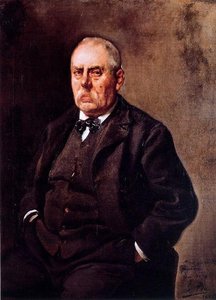
Cecilio Pla y Gallardo (1860 – 1934) emerged from Valencia, Spain, as a prominent figure in the Costumbrismo movement—a genre dedicated to portraying everyday life and landscapes of Spanish rural society. Though largely unrecognized during his lifetime, Pla’s legacy persists through his teaching role at San Fernando Academy and his enduring contribution to Spanish artistic heritage. His canvases capture not merely visual representations but also an emotional resonance that speaks to the spirit of a bygone era—a reflection of Marià Fortuny's influence and the burgeoning Impressionistic ideals shaping European art.
Early Life & Education
Born in Valencia, Pla’s formative years were marked by exposure to Marià Fortuny’s influence—a celebrated Valencian painter who championed Impressionistic techniques and explored themes of Spanish identity. Fortuny’s bold experimentation with color and light profoundly impacted Pla's artistic sensibilities, encouraging him to move beyond traditional academic styles toward a more expressive approach. This formative connection cemented his commitment to capturing the essence of Spanish life through art.
Style & Technique
Pla's artistic style leaned heavily into Costumbrismo, prioritizing realism combined with subtle impressionistic brushwork. He skillfully employed muted palettes—often dominated by earthy tones—and focused on capturing the atmosphere and nuances of rural landscapes—particularly those inhabited by women engaged in domestic activities. Pla’s meticulous attention to detail conveyed a profound understanding of his subjects; he meticulously rendered textures and tonal variations, striving for an unparalleled level of accuracy while simultaneously conveying emotion through visual elements. His technique mirrored Fortuny's own dedication to capturing the immediacy of experience.
Notable Works & Artistic Achievements
Pla’s oeuvre comprises numerous paintings that exemplify Costumbrismo's core principles. “Retrato de Mujer,” depicting a serene woman amidst a tranquil rural setting, exemplifies his ability to convey emotion through visual elements—a testament to his masterful command of composition and color harmony. Similarly, "Pintura en paleta" presents an artist’s palette as the backdrop for a domestic scene—a deliberate choice reflecting Pla’s fascination with capturing the essence of Spanish life and artistic practice. This symbolic gesture underscores Costumbrismo's preoccupation with representing social realities alongside artistic endeavors. “Escondidas,” showcasing four women in a quiet interior space, demonstrates his masterful command of tonal harmony and textural brushstrokes—creating an immersive experience for the viewer that captures the subtle beauty of everyday existence. Pla’s work at San Fernando Academy solidified his reputation as an educator, fostering generations of aspiring artists who embraced Impressionistic ide
Historical Significance & Legacy
Pla y Gallardo's paintings stand as invaluable records of a specific period in Spanish history—the late 19th century. They offer insights into social customs, domestic life, and artistic sensibilities prevalent during that time—a direct response to the broader European movement toward Impressionism. His influence can be discerned in subsequent generations of painters who sought to depict everyday life with sensitivity and artistic integrity. Pla’s dedication to teaching ensured that his artistic principles were disseminated throughout Spain, shaping the trajectory of Spanish art education and cementing his place as a pivotal figure in Costumbrismo's history. Pla’s legacy continues to inspire artists today who strive for authenticity and emotional depth—a testament to his enduring artistic vision.
Explore the captivating world of José Gutiérrez Solana, a pivotal Spanish Expressionist painter. Discover his haunting depictions of early 20th-century Spain, influenced by Goya & El Greco. Learn about his key works and lasting legacy.
Explore the life & art of Giuseppe Maria Crespi, a pivotal Bolognese Baroque painter. Discover his groundbreaking genre scenes, religious works, and lasting influence on Italian art history. Learn more at TopImpressionists.
Explore the dramatic world of Spanish Baroque art! Discover masters like Zurbarán & the powerful influence of religious zeal on painting techniques – a guide for collectors and enthusiasts.