Műterem — Ingyenes világszerte történő szállítás — Szállítás: 2–6 hét

      Fra Filippo Lippi

      1406 - 1469

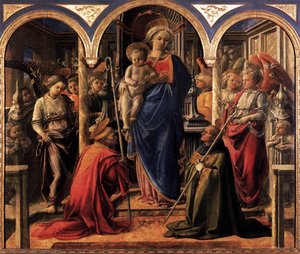
      Fra Filippo Lippi (1406–1469) megtekinthető Madonna gyermekkel és angyalokkal című művészeti alkotásában, amely a 277 művekből álló katalógus legismertebb vászonműve.

      Röviden összefoglalva

      • Születési hely/időpont: 1406, Florence
      • Halál: 1469. október 8., Spoleto
      • Nemzetiség: Olaszország
      • Mozgalom:
        • korai reneszánsz
        • reneszánsz
      • Jelentős művek:
        • Madonna and Child
        • Annunciation
        • Adoration in the Forest
        • Madonna and Child Enthroned with Saints
        • Funeral of St. Jerome
      • Mesterek:
        • Masolino da Panicale
        • Masaccio
      • Pupillák:
        • Sandro Botticelli
        • Filippino Lippi
        • Francesco Pesellino
        • Pseudo-Pier Francesco Fiorentino
        • Pier Francesco Fiorentino
      • Múzeumok:
        • Louvre Múzeum
        • Alte Pinakothek
        • Museo Poldi Pezzoli
        • Pitti-palota
        • Lyon Museuma a Gy Fine Arts

      Mi Fra Filippo Lippi leghíresebb festménye?

      A Madonna gyermekkel és angyalokkal a(z) Fra Filippo Lippi névhez leginkább társított festmény; egyéb ismert művei: A hármas imádat és Az Ébredés.

      A Florentine Rebel: The Life and Art of Filippo Lippi

      Filippo di Tommaso Lippi, a name forever intertwined with both artistic brilliance and scandalous intrigue, stands as one of the most compelling figures of the Italian Renaissance. Born in Florence around 1406 to a butcher father and a mother who tragically died shortly after his birth, young Filippo’s early life was marked by profound loss and an unusual upbringing. He was entrusted to the care of his aunt, Mona Lapaccia, a woman whose unconventional methods – including reportedly sending him out to beg for discarded grapes – shaped his early experiences and perhaps contributed to his later rebellious spirit. At the tender age of eight, he entered the Carmelite convent, a decision that would profoundly influence both his artistic development and the trajectory of his life.

      From Religious Vows to Artistic Innovation

      The cloistered walls of the Carmelite priory provided Filippo with an education far beyond the typical monastic routine. He quickly demonstrated a remarkable aptitude for learning, though not necessarily in traditional subjects; accounts suggest he spent much of his time filling books with caricatures rather than studying scripture. However, it was within this environment that his passion for painting truly ignited. Giorgio Vasari, the renowned art historian, recounts how Lippi became utterly captivated by Masaccio’s groundbreaking frescoes in the Brancacci Chapel – an encounter that served as a pivotal catalyst for his artistic evolution. Masaccio's innovative use of light, perspective, and naturalism profoundly impacted Lippi, leading him to abandon the more rigid conventions of earlier devotional art. His early works, such as the *Tarquinia Madonna*, reveal this nascent influence: a newfound realism begins to emerge, subtly challenging established norms. Yet, Lippi was not merely an imitator; he quickly developed his own distinctive style – characterized by lyrical grace, delicate coloring, and a remarkable ability to infuse religious scenes with a sense of intimacy and human connection.

      A Master of Composition and Controversy

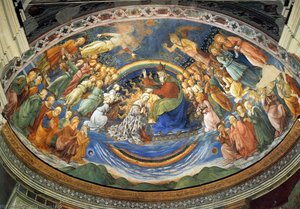
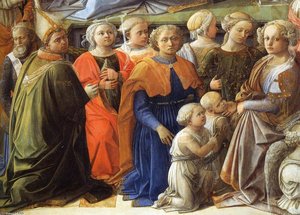
      Lippi’s artistic career flourished in Florence, where he gained recognition for his skill and garnered commissions from prominent families, including the powerful Medici clan. His works during this period – such as *The Annunciation and the Seven Saints* – demonstrate a mastery of composition, incorporating intricate symbolism and elegant detail. The *Coronation of the Virgin*, completed in 1441 for the nuns of Sant’Ambrogio, stands out as particularly significant; it features a half-length figure that many scholars believe to be a self-portrait of Lippi himself – a bold declaration of artistic identity within a context where religious art often prioritized anonymity. However, Lippi's life was far from serene. He frequently faced financial difficulties, legal disputes, and accusations of forgery, fueled by his unconventional lifestyle and rumored indiscretions. The most sensational episode involved his abduction of Lucrezia Buti, a nun from Prato, with whom he eventually married after years of scandal and controversy – an act that defied societal expectations and cemented his reputation as a rebellious figure.

      The Scandalous Marriage and Artistic Flourishing

      Despite the turmoil surrounding his personal life, Lippi continued to produce some of the most beautiful and celebrated works of the Florentine Renaissance. His workshop became a breeding ground for future masters, including Sandro Botticelli and Francesco di Pesello (Pesellino), both of whom benefited from Lippi’s tutelage and went on to achieve significant acclaim in their own right. His influence can be seen throughout Florentine painting during the late Quattrocento – a period marked by a shift towards greater emotional expression and a more humanistic approach to religious subjects. Works like *The Annunciation* showcase his ability to blend spiritual piety with worldly realism, creating images that are both deeply moving and visually stunning. Lippi’s technical skill was exceptional; he possessed an unparalleled mastery of color, composition, and detail, earning him the admiration of contemporaries such as Giorgio Vasari, who described his work as “astonishingly graceful” and “finely composed.”

      Legacy and Influence

      Filippo Lippi died in Spoleto in 1469, leaving behind a legacy that continues to fascinate and inspire. His life – a blend of artistic genius, scandalous romance, and unwavering defiance of convention – serves as a potent reminder of the complexities inherent in Renaissance Italy. His art remains a testament to the power of human creativity and the enduring allure of beauty, solidifying his place as one of the most important and captivating figures of the Italian Renaissance. His story is not simply that of a painter; it’s the tale of a man who dared to challenge societal norms, embrace personal happiness, and leave an indelible mark on the art world.

      Egy rövid kvíz

      Minden kérdésre csak egy helyes válasz létezik.

      Kérdés 1:
      Fra Filippo Lippi élete melyik évényszerűen kezdődött?
      Kérdés 2:
      Melyik művész nagy hatással volt Lippi korai stílusára?
      Kérdés 3:
      Lippi munkásságának legfontosabb jellemzője, ami a kortársaitól megkülönbözteti?
      Kérdés 4:
      Melyik család volt Lippi egyik legfontosabb megbízója?
      Kérdés 5:
      Mi történt Lippi élete során, ami a legjelentősebb botrányként maradt fenn?

      Kérdések és válaszok

      Mikor és hol halt meg Fra Filippo Lippi?

      1469. október 8., Spoleto

      Milyen stílusban alkot Fra Filippo Lippi?

      korai reneszánsz, reneszánsz

      Fra Filippo Lippi élete melyik évényszerűen kezdődött?

      A Carmelite rendházban árván növekedett

      Mennyi ideig élt Fra Filippo Lippi?

      63 years (1406–1469)

      Lippi munkásságának legfontosabb jellemzője, ami a kortársaitól megkülönbözteti?

      Lírai szépség, finom színek és mély érzelem

      Ki tanította Fra Filippo Lippi-t?

      Masolino da Panicale, Masaccio

      Mely művészeti korszakba tartozott Fra Filippo Lippi?

      Reneszánsz

      Ki voltak Fra Filippo Lippi tanítványai?

      Sandro Botticelli, Filippino Lippi, Francesco Pesellino, Pseudo-Pier Francesco Fiorentino, Pier Francesco Fiorentino

      Ki Fra Filippo Lippi?

      A Florentine Rebel: The Life and Art of Filippo Lippi Filippo di Tommaso Lippi, a name forever intertwined with both artistic brilliance and scandalous intrigue, stands as one of the most compelling figures of the Italian Renaissance. Born in Florence around 1406 to a butcher father and a mother who tragically died shortly after his birth, young Filippo’s early life was marked by profound loss and an unusual upbringing. He was entrusted to the care of his aunt, Mona Lapaccia, a woman whose unco

      Hol és mikor született Fra Filippo Lippi?

      1406, Florence