Műterem — Ingyenes világszerte történő szállítás — Szállítás: 2–6 hét
      Annibale Carracci, 1560 – 1609

      Annibale Carracci 100 leghíresebb festménye közül 100 darab

      The beaneater Sun az a festmény, amelyre Annibale Carracci leginkább emlékeznek; a Palazzo Colonna collectionében található, Rome városában. The Choice of Heracles és Hercules választása (1596) kiegészítik a legkedveltebb vásznalak háromtagú sorozatát. Katalógusunkban 282 mű található Annibale Carracci alkotótól. Íme a 100 leghíresebb alkotás, évszámával, a múzeum megnevezésével és a vászon történetével együtt.

      A rangsorolásunkat a népszerűségi pontszám határozza meg, amely az egyes művek kereséseit, látogatottságát és megrendeléseit ötvözi. Frissítve: október 2026. Az oldalon található festmények bármelyike vászonra vászatra festett olajfestmény-másolatként, vagy az Ön által választott méretben készült minőségi giclée nyomatként rendelhető meg.

      Annibale Carracci portréja
      Annibale Carracci · 1560 – 1609
      Született · meghalt
      1560 – 1609, Bologna
      Mozgalom
      Baroque drama
      A katalógusban szereplő művek
      282
      Legnépszerűbb
      The beaneater Sun
      A legtöbb művel a
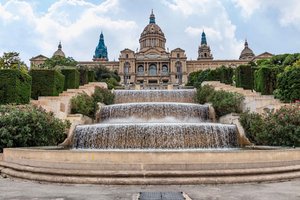
      Museu Nacional d'Art de Catalunya

      A Annibale Carracci tíz legnépszerűbb festménye

      The beaneater Sun szerzője Annibale Carracci
      1

      The beaneater Sun

      Oil On Canvas · Palazzo Colonna, Rome

      The Beaneater unfolds in a quiet, dimly lit room where the air feels heavy with the scent of simple food. A man sits at a wooden table, his focus entirely consumed by the meal before him. He wears a straw hat that casts a soft shadow over his brow, and his hands move with a practiced, rhythmic grace. One hand grips a spoon, lifting a portion of beans toward his…

      The Choice of Heracles szerzője Annibale Carracci
      2

      The Choice of Heracles

      Oil On Canvas · Museo di Capodimonte, Nápoly

      The Choice of Heracles emerges from the brush of Annibale Carracci as a profound mythological allegory. Created in 1596, this oil on canvas captures a moment of heavy deliberation. The hero finds himself caught in a spiritual crossroads, forced to weigh the heavy burden of virtue against the seductive, easy pull of vice. It is a scene where the weight of a single decision hangs in the air, suspended between…

      Hercules választása (1596) szerzője Annibale Carracci
      3

      Hercules választása

      1596 · Olajfestmény vászonon · Museo di Capodimonte, Nápoly

      Annibale Carracci művészi alkotása egy lenyűgöző mestermű, amely a barokk művészet pompásságát és érzelmi mélységét foglalja össze. Az 1596-ban készült festmény Carracci képességének bizonysága, amellyel a klasszikus mitológiát ötvözte a drámai történetmeséléssel.

      Szélvédő tájkép (1589) szerzője Annibale Carracci
      4

      Szélvédő tájkép

      1589 · Olajfestmény vászonon · National Gallery of Art, Washington

      A természet nyugalmának lenyűgöző képe Merüljön el egy gyönyörűen részletezett tájban, amely a természet világának békés lényegét örökíti meg. Ez az alkotás egy nyugodt folyót ábrázol, amely buja, zöld környezeten keresztül kanyarog, meghívva a nézőt egy csendes megfontolás pillanatára. A jelenet élettel teli texturált fák, lágyan folyó víz és távoli hegyek tekintetét magára vonzva hoz létre egy olyan harmonikus kompozíciót, amely a természet időtlen szépségét ünnepli. Nyugodt légköre békés és…

      Mocking of Christ (1596) szerzője Annibale Carracci
      5

      Mocking of Christ

      1596 · Oil On Canvas · Pinacoteca Nazionale, Bologna

      Annibale Carracci's "Mocking of Christ," painted around 1596, isn’t merely a depiction of a biblical scene; it’s a visceral exploration of suffering, betrayal, and the agonizing weight of divine sacrifice. Created during a pivotal moment in the artist’s career – a period where he was actively reshaping the trajectory of Italian painting towards the burgeoning Baroque style – this oil on canvas transcends its religious subject matter to become a…

      Piéta (1599) szerzője Annibale Carracci
      6

      Piéta

      1599 · Olajfestmény vászonon · Museo di Capodimonte, Nápoly

      Annibale Carracci "Pietà"-ja, melyet 1599-ben festett meg, mély érzésekkel és vallási szenttségével foglalkozó szomorú képet mutat. Az alkotás Megváltónő Anyukája öntöző pozicióban tartja Jézust halála után, két arkangyal és egy fiatal János Apostol körülvétele alatt, ami jelzi a sírás színpadmédiájának mély fájdalmát és nyugodt elmélkedését. Carracci ügyesen kihasználja egy félkörös nyílót az alakok köré, ami érzékletes tér és szentély érzetét kelti előtte. Az összességében érhető el hatás intenzív érzelmi mélység…

      The Galleria Farnese (1597) szerzője Annibale Carracci
      7

      The Galleria Farnese

      1597 · Fresco · Palazzo Farnese, Róma

      To step into the Galleria Farnese within Rome’s Palazzo Farnese is to leave the terrestrial world behind and ascend into a realm of divine drama. Painted by the master Annibale Carracci between 1597 and 1602, this monumental ceiling fresco represents one of the most profound achievements of the Baroque era. It is not merely a decorative surface but an immersive architectural experience that blurs the line between the physical room…

      Venus, Adonis, and Cupid (1595) szerzője Annibale Carracci
      8

      Venus, Adonis, and Cupid

      1595 · Oil On Canvas · Museo del Prado, Madrid

      In the grand tapestry of the late sixteenth century, few works capture the burgeoning drama of the Baroque era as intimately as Annibale Carracci’s Venus, Adonis, and Cupid. Painted around 1595, this oil on canvas masterpiece serves as a breathtaking window into the mythological realms of Ovid, where the boundaries between the divine and the mortal blur amidst lush, atmospheric detail. The painting is not merely a depiction of ancient…

      Assumption of Mary (1587) szerzője Annibale Carracci
      9

      Assumption of Mary

      1587 · Oil · Staatliche Kunstsammlungen Dresden, Drezda

      The Assumption of Mary by the Italian Baroque artist Annibale Carracci captures a moment of celestial movement. Completed about 1587, the work centers on the religious and triumphal ascent of the Virgin. She rises through the air, leaving the heavy, terrestrial realm behind to enter a space of divine light. The subject matter focuses on this transition from the earthly to the heavenly.

      Venus with Two Frolicking Cupids (1584) szerzője Annibale Carracci
      10

      Venus with Two Frolicking Cupids

      1584 · Oil On Canvas · Bavári Állami Festırménygyűjtemények, Munchen

      In Annibale Carracci’s Venus with Two Frolicking Cupids, the arrangement of figures follows an asymmetrical logic. Venus sits on the left, her body turned toward the two Cupids who occupy the right side of the frame. This weight of presence on one side creates a quiet tension against the movement of the smaller figures. The eye moves from the goddess to the playful, naked forms of the Cupids through a…

      Annibale Carracci: vászonművek, a 11 és a 100 helyezés között

      Saint Sebastian (1583) szerzője Annibale Carracci
      #12

      Saint Sebastian

      1583 · Staatliche Kunstsammlungen Dresden

      Annibale Carracci presents the martyrdom of Saint Sebastian in this work from about 1583. The subject was a captain in the Praetorian Guard serving under the Roman Emperor…

      Rendelje meg ezt a vászonat →
      Lamentation of Christ (1606) szerzője Annibale Carracci
      #14

      Lamentation of Christ

      1606 · National Gallery

      A Symphony of Sorrow: The Emotional Grandeur of Annibale Carracci The moment one gazes upon Annibale Carracci’s Lamentation of Christ, the air seems to thicken with the weight…

      Készíttesse kézzel festve →
      Portrait of a Musician (1587) szerzője Annibale Carracci
      #16

      Portrait of a Musician

      1587 · Museo di Capodimonte

      To gaze upon Annibale Carracci's Portrait of a Musician is to witness not merely a likeness, but a captured breath—a moment suspended between contemplation and creation. The scene…

      Készíttesse kézzel festve →
      Polyphemus Attacking Acis and Galatea (1605) szerzője Annibale Carracci
      #19

      Polyphemus Attacking Acis and Galatea

      1605

      The fresco depicts a moment of violent movement within a mythological landscape. A large, muscular figure, Polyphemus, occupies the upper portion of the composition. He is positioned atop…

      Hunting (1585) szerzője Annibale Carracci
      #20

      Hunting

      1585 · Louvre Múzeum

      In the grand tapestry of the late Renaissance, few works capture the raw, kinetic energy of life quite like Annibale Carracci’s Hunting. This monumental oil on canvas is…

      Vidd ide a fényt a tédbe →
      Man with Monkey (1591) szerzője Annibale Carracci
      #21

      Man with Monkey

      1591

      To stand before Annibale Carracci’s Man with Monkey is to step directly into the vibrant, emotionally charged atmosphere of late sixteenth-century Bologna. Painted in 1591, this oil on…

      Készíttesse kézzel festve →
      Pietà (1610) szerzője Annibale Carracci
      #22

      Pietà

      1610 · Reading Public Museum

      Annibale Carracci's 1610 *Pietà* stands as a pivotal work, not just within the artist’s oeuvre but also as a testament to the burgeoning artistic spirit of Bologna during…

      Vidd ide a fényt a tédbe →
      Christ in Glory (1597) szerzője Annibale Carracci
      #23

      Christ in Glory

      1597

      Annibale Carracci's Christ in Glory: A Baroque Masterpiece Subject: The painting depicts Jesus Christ at the apex of his divine power, presented in a moment of benediction and…

      Vidd ide a fényt a tédbe →
      Pietà szerzője Annibale Carracci
      #24

      Pietà

      Dulwich Picture Gallery

      The Pietà by Annibale Carracci is a Baroque painting that depicts the Lamentation of Christ. This work was commissioned by Odoardo Farnese and focuses on the religious subject…

      Rendelje meg ezt a vászonat →
      The Cyclops Polyphemus (1595) szerzője Annibale Carracci
      #26

      The Cyclops Polyphemus

      1595 · Palazzo Farnese

      Annibale Carracci’s *The Cyclops Polyphemus*, completed in 1605, stands as a cornerstone of Baroque art—a dramatic distillation of classical mythology infused with the fervor and theatricality characteristic of…

      Rendelje meg ezt a vászonat →
      The Flight into Egypt (1603) szerzője Annibale Carracci
      #28

      The Flight into Egypt

      1603 · Galleria Doria Pamphilj

      Annibale Carracci’s “The Flight into Egypt,” painted in 1603, is more than just a biblical narrative; it's a profound meditation on faith, family, and the enduring human struggle…

      Rendelje meg ezt a vászonat →
      The Baptism of Christ (1603) szerzője Annibale Carracci
      #31

      The Baptism of Christ

      1603 · Kunsthaus Zürich

      Annibale Carracci’s *Baptism of Christ*, completed around 1603, stands as a pivotal moment in the burgeoning Baroque style—yet simultaneously rooted in the humanist ideals championed by Correggio and…

      Készíttesse kézzel festve →
      Young Bacchante (1584) szerzője Annibale Carracci
      #39

      Young Bacchante

      1584 · Bavári Állami Festırménygyűjtemények

      A monochromatic portrait of a young figure, likely a Bacchante, emerges from a deep, dark background. The composition utilizes a three-quarter view, with the subject’s gaze directed toward…

      Rendelje meg ezt a vászonat →
      The Baptism of Christ (1592) szerzője Annibale Carracci
      #40

      The Baptism of Christ

      1592 · Statens Museum for Kunst

      Annibale Carracci applied oil to canvas to realize The Baptism of Christ. This work emerged in 1585, following the artist's 1583 commission of a Crucifixion. It represents the…

      Készíttesse kézzel festve →
      Male Portrait (1584) szerzője Annibale Carracci
      #41

      Male Portrait

      1584 · Bavári Állami Festırménygyűjtemények

      The Male Portrait is a small-scale work by the Italian painter Annibale Carracci. Created around 1584, this piece captures a single male figure in a tight, bust-length view.…

      Készíttesse kézzel festve →
      Everlasting Father (1604) szerzője Annibale Carracci
      #43

      Everlasting Father

      1604 · Museu Nacional d'Art de Catalunya

      The artwork titled Everlasting Father is a painting by the artist Annibale Carracci. This work was executed between 1604 and 1605. The subject matter of the piece is…

      Vision of Saint Francis (1598) szerzője Annibale Carracci
      #45

      Vision of Saint Francis

      1598 · Detroit Institute of Arts

      In this oil on canvas, we find ourselves witnessing a profound spiritual intersection. The composition follows a pyramidal structure, centering on the interaction between the divine presence and…

      Vidd ide a fényt a tédbe →
      Study for an ignudo (1599) szerzője Annibale Carracci
      #47

      Study for an ignudo

      1599 · National Gallery of Victoria

      A Study in Light and Muscle: Annibale Carracci's Vision of Venus and Anchises This celebrated drawing by Annibale Carracci—a cornerstone of Baroque art—offers an unparalleled glimpse into the…

      Készíttesse kézzel festve →
      The Scholar Agucchi (1584) szerzője Annibale Carracci
      #48

      The Scholar Agucchi

      1584 · Bavári Állami Festırménygyűjtemények

      The Scholar Agucchi by Annibale Carracci is a close-up bust-length portrait. The subject is positioned slightly off-center within the frame. While the body and head are oriented toward…

      Készíttesse kézzel festve →
      Love Scattering Flowers (1603) szerzője Annibale Carracci
      #51

      Love Scattering Flowers

      1603 · Musée Condé

      The oil on canvas painting titled Love Scattering Flowers is an attribution of the workshop of Annibale Carracci. This work is associated with the Italian artist Annibale Carracci,…

      Vidd ide a fényt a tédbe →
      Leto (1585) szerzője Annibale Carracci
      #52

      Leto

      1585 · Slovak National Gallery

      In this oil on canvas from 1585, we find ourselves drawn into a tense, wooded landscape where the air feels heavy with sudden conflict. The scene captures Leto…

      Vidd ide a fényt a tédbe →
      Jupiter and Juno szerzője Annibale Carracci
      #54

      Jupiter and Juno

      In the Farnese Gallery in Rome, a fragment of a much larger celestial narrative unfolds. This fresco, titled Jupiter and Juno by Annibale Carracci, captures a moment of…

      San Diego saves the boy asleep in the oven (1604) szerzője Annibale Carracci
      #89

      San Diego saves the boy asleep in the oven

      1604 · Museo del Prado

      The composition unfolds within a structured, trapezoidal frame, suggesting the architectural constraints of a vaulted ceiling. In a moment of urgent movement, a figure in light, flowing monastic…

      St John the Baptist (1592) szerzője Annibale Carracci
      #90

      St John the Baptist

      1592 · Statens Museum for Kunst

      A solitary figure of St John the Baptist occupies a vertical, centered position within an architectural niche. The figure is rendered in a monochromatic palette, utilizing a grayscale…

      Rendelje meg ezt a vászonat →
      The Crucifixion (1587) szerzője Annibale Carracci
      #91

      The Crucifixion

      1587 · Yale University Art Gallery

      The painting titled The Crucifixion was executed by the artist Annibale Carracci. This work is an oil on canvas laid on panel. The dimensions of the piece are…

      Készíttesse kézzel festve →
      Venus and Adonis (1595) szerzője Annibale Carracci
      #92

      Venus and Adonis

      1595 · Kunsthistorisches Museum

      In the grand tapestry of the late sixteenth century, few works capture the burgeoning drama of the transition from Renaissance grace to Baroque intensity as intimately as Annibale…

      Vidd ide a fényt a tédbe →
      Sheet of caricatures (1595) szerzője Annibale Carracci
      #97

      Sheet of caricatures

      1595 · British Museum

      Annibale Carracci's “Sheet of Caricatures,” painted in 1595, isn’t merely a drawing; it’s a concentrated burst of human observation, a fleeting moment captured with remarkable energy and immediacy.…

      Rendelje meg ezt a vászonat →
      Rinaldo and Armida (1601) szerzője Annibale Carracci
      #99

      Rinaldo and Armida

      1601 · Museo di Capodimonte

      Annibale Carracci’s “Rinaldo and Armida,” painted in 1601, isn't merely a depiction of a legendary tale; it’s a vibrant distillation of the late Renaissance’s fascination with classical mythology…

      Rendelje meg ezt a vászonat →
      The Dead Christ (1585) szerzője Annibale Carracci
      #100

      The Dead Christ

      1585

      To stand before Annibale Carracci's depiction of The Dead Christ is to confront art at its most visceral and deeply spiritual moment. This painting, executed in 1585, is…

      Vidd ide a fényt a tédbe →

      Annibale Carracci vászonai, korszakonként

      Amit Annibale Carracci a legtöbbször festett

      A négy leggyakoribb motívum ezen a vásznon, mindegyik a legkedvesebb példájával.

      Hol kirakott Annibale Carracci vászonai

      A 8 olyan múzeum, amely a legtöbb ezen az oldalon szereplő festményet őrzi.

      Múzeumok Város Annibale Carracci művei Ebből a listából származó festmények
      Museu Nacional d'Art de Catalunya, BarcelonaMuseu Nacional d'Art de Catalunya Barcelona 11 Everlasting Father, Saint Peter, Mural paintings from the Herrera Chapel
      Bavári Állami Festırménygyűjtemények, MunchenBavári Állami Festırménygyűjtemények Munchen 10 Venus with Two Frolicking Cupids, Martyrdom of Saint Andrew, Young Bacchante
      Museo di Capodimonte, NápolyMuseo di Capodimonte Nápoly 15 The Choice of Heracles, Hercules választása, Piéta
      Museo del Prado, MadridMuseo del Prado Madrid 12 Venus, Adonis, and Cupid, The Virgin and Child with the Infant Saint John the Baptist, Saint Didacus of Alcalá receiving the franciscan habit
      Staatliche Kunstsammlungen Dresden, DrezdaStaatliche Kunstsammlungen Dresden Drezda 5 Assumption of Mary, Saint Sebastian, Christ Head
      Musée Condé, ChantillyMusée Condé Chantilly 5 Night Bearing Sleep and Death, The Angel Gabriel in a glory of musician angels and cherubim, Love Scattering Flowers
      Statens Museum for Kunst, KoppenhágaStatens Museum for Kunst Koppenhága 5 The Incredulity of St Thomas, The Baptism of Christ, The Deposition
      Palazzo Farnese, RómaPalazzo Farnese Róma 5 The Galleria Farnese, The Cyclops Polyphemus, Triumph of Bacchus and Ariadne

      Annibale Carracci leghíresebb vászonai, évtizedről évtizedre

      1. 1580s
        Szélvédő tájkép (1589) szerzője Annibale Carracci
        4 / 100

        Szélvédő tájkép

        Kor: 20 – 29 év · National Gallery of Art

        A természet nyugalmának lenyűgöző képe Merüljön el egy gyönyörűen részletezett tájban, amely a természet világának békés lényegét örökíti meg. Ez az alkotás egy nyugodt folyót ábrázol, amely buja,…

      2. 1590s
        Hercules választása (1596) szerzője Annibale Carracci
        3. hely 100 közül

        Hercules választása

        Kor: 30 – 39 év · Museo di Capodimonte

        Annibale Carracci művészi alkotása egy lenyűgöző mestermű, amely a barokk művészet pompásságát és érzelmi mélységét foglalja össze. Az 1596-ban készült festmény Carracci képességének bizonysága, amellyel a klasszikus mitológiát…

      3. 1600s
        Pietà with St Francis and Mary Magdalene (1607) szerzője Annibale Carracci
        13 / 100

        Pietà with St Francis and Mary Magdalene

        Kor: 40 – 49 év · Louvre Múzeum

        Annibale Carracci's 1607 “Pietà with St Francis and Mary Magdalene” is not merely a depiction of grief; it’s an immersive experience, a profound meditation on loss, faith, and…

      Annibale Carracci vászonai, kérdésenként

      Mely vászonról emlékeznek leginkább Annibale Carracci?Olvassda el a választ

      The beaneater Sun, Palazzo Colonna, Rome. Utánuk The Choice of Heracles és Hercules választása (1596) következik.

      Melyek Annibale Carracci tíz leghíresebb vászonműve?Olvassda el a választ

      The beaneater Sun, The Choice of Heracles, Hercules választása, Szélvédő tájkép, Mocking of Christ, Piéta, The Galleria Farnese, Venus, Adonis, and Cupid, Assumption of Mary és Venus with Two Frolicking Cupids. A rangsorban szereplő vászlakok mindegyike tartalmazza a festvény évszámát és a kiállító múzeumát is.

      Hány festményt alkotott Annibale Carracci?Olvassda el a választ

      282 műve Annibale Carracci alkotása a katalógusunkban, 1580 és 1609 között.

      Hol láthatóak ma Annibale Carracci leghíresebb vászonművei?Olvassda el a választ

      Leginkább Museu Nacional d'Art de Catalunya (Barcelona), Bavári Állami Festırménygyűjtemények (Munchen) és Museo di Capodimonte (Nápoly) helyszíneken; a fenti lista tartalmazza az egyes múzeumokat és a hozzájuk tartozó vászonműveket.

      Mikor festette Annibale Carracci leghíresebb vászait?Olvassda el a választ

      1600s időszakban, amely ezen az oldalon található 100 mű közül 36 alkotással szerepel, Pietà with St Francis and Mary Magdalene a válogatásban.

      Melyik híres Annibale Carracci vászon készült először, és melyik utoljára?Olvassda el a választ

      A legkorábbi vászon itt: Study of a Man's Head (1580); a legutóbb pedig: Christ and the Woman of Samaria (1609).

      Milyen témaköröket festett a legtöbbször Annibale Carracci?Olvassda el a választ

      Man (21), Woman (14) és Drapery (11), a jelen oldalon található 100 műművészeti alkotás között.

      Melyik technikát alkalmazza leggyakrabban Annibale Carracci festményei?Olvassda el a választ

      Oil On Canvas, amely 36 darabban szerepel a ?>"> 100 műből ezen az oldalon.

      Mely művészeti irányhoz tartozik Annibale Carracci?Olvassda el a választ

      Baroque drama, ahogy azt ezen az oldalon látható vásznemek is mutatják.

      Mely Annibale Carracci festmények találhatónak a Museu Nacional d'Art de Catalunya gyűjteményében?Olvassda el a választ

      A Museu Nacional d'Art de Catalunya, Barcelona 10 műve közül rendelkezik ezen az oldalon, köztük ezekkel: Everlasting Father, Saint Peter és Mural paintings from the Herrera Chapel.

      Hol vásárolhatok egy Annibale Carracci festményének reprodukcióját?Olvassda el a választ

      Igen. Az oldalon található minden festmény megrendelhető a saját oldalán, kézzel festett olajfestmény-másolatként vagy minőségi giclée nyomtatásként, a választott méretben.

      Ismerje meg a festőt: Annibale Carracci

      Early Life and the Bolognese Roots

      Annibale Carracci, born in Bologna on November 3, 1560, emerged from a family deeply rooted in artistic tradition. His initial training likely unfolded within the nurturing environment of his familial workshop, laying the foundation for a career that would profoundly reshape the landscape of Italian painting. Bologna at this time was a vibrant hub of intellectual and artistic ferment, yet it felt somewhat distant from the dominant currents emanating from Rome and Venice. This sense of provincialism fueled a desire among a group of young artists—Annibale, his brother Agostino, and cousin Ludovico—to forge a new path, one that would revitalize Italian art by looking to the masters of the High Renaissance while simultaneously embracing a more naturalistic approach.

      In 1582, this ambition materialized in the establishment of the *Accademia degli Incamminati*, initially known as the Academy of the Desiderosi. This wasn’t merely a studio; it was a crucible for artistic innovation, a space dedicated to rigorous life drawing, spirited debate, and a collective pursuit of artistic excellence. The academy's name itself—the “Progressives”—signified their intent: to move beyond the stylistic complexities of Mannerism and chart a new course toward a more grounded, emotionally resonant form of expression. The Incamminati became a model for art academies across Europe, emphasizing observation from life as the cornerstone of artistic training.

      A Synthesis of Styles and Influences

      Carracci’s artistic vision wasn't born in a vacuum; it was meticulously crafted through a deep engagement with the legacies of past masters. He possessed an extraordinary ability to synthesize diverse influences, creating a style that felt both deeply rooted in tradition and strikingly original. He admired the clarity of line and compositional balance found in the works of Raphael and Andrea del Sarto, seeking to emulate their grace and harmony. Yet, he also recognized the power of color and atmospheric effects championed by Venetian painters like Titian, infusing his own work with a vibrant luminosity and emotional depth.

      The influence of Correggio was particularly profound, evident in Carracci’s dynamic compositions and illusionistic techniques—especially those showcased in his frescoes. He wasn't simply copying these masters; he was absorbing their strengths and forging them into something new. This eclectic blend became the hallmark of the Bolognese School, a significant branch of Baroque art that emphasized both classical ideals and naturalistic observation. Carracci’s genius lay in his ability to reconcile seemingly disparate elements, creating a harmonious whole that resonated with both intellectual rigor and emotional power.

      The Roman Triumph: Palazzo Farnese and Beyond

      The invitation to decorate the Palazzo Farnese in Rome marked a pivotal moment in Annibale Carracci’s career. This monumental commission—a vast fresco cycle depicting scenes from mythology—provided him with an unparalleled opportunity to showcase his artistic prowess and establish his reputation on a grand scale. The *Triumph of Bacchus and Ariadne*, arguably his masterpiece, is a breathtaking display of illusionistic technique, dynamic composition, and vibrant color. The frescoes seem to dissolve the boundaries between painting and reality, drawing the viewer into a world of mythic grandeur.

      Alongside the *Triumph*, Carracci also undertook *The Loves of the Gods* at Palazzo Farnese, further exploring themes of mythology and love with a blend of classical idealism and keen observation. These works weren’t merely decorative; they were statements about the power of art to elevate the human spirit and celebrate the beauty of the natural world. His success in Rome solidified his position as one of the leading artists of his time, attracting a stream of commissions and influencing generations of painters.

      Legacy and Historical Significance

      Annibale Carracci’s impact on art history is immeasurable. He played a crucial role in bridging the gap between the High Renaissance and the Baroque period, moving away from the stylized complexities of Mannerism toward a more dynamic, emotionally charged aesthetic. His emphasis on naturalism—on depicting figures with anatomical accuracy and psychological depth—paved the way for artists like Caravaggio, who would further revolutionize Italian painting with their dramatic use of light and shadow.

      The Accademia degli Incamminati, founded by Carracci and his associates, served as a model for art academies throughout Europe, promoting artistic training based on observation and classical principles. His frescoes at Palazzo Farnese remain iconic examples of Baroque illusionism and artistic grandeur, continuing to inspire awe and admiration centuries after their creation. The collective legacy of the Carracci family—Annibale, Agostino, and Ludovico—is one of profound innovation and enduring influence, establishing Bologna as a major center for artistic creativity.

      Carracci’s work wasn't simply about technical skill; it was about conveying emotion, telling stories, and celebrating the human experience. He sought to create art that was both beautiful and meaningful, capable of inspiring wonder and provoking thought. His legacy endures not only in his magnificent paintings but also in the enduring principles he championed: a commitment to observation, a reverence for tradition, and an unwavering belief in the power of art to transform the world.

      Minden 282 műmű Annibale Carracci alkotása →