Műterem — Ingyenes világszerte történő szállítás — Szállítás: 2–6 hét
      Azteck Birodalom, 1300 – 1521

      Azteck Birodalom 100 leghíresebb festménye közül 70 darab

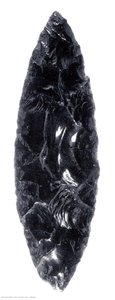
      Mosaic of a Double-headed Serpent (1521) az a festmény, amelyre Azteck Birodalom leginkább emlékeznek; a British Museum collectionében található, London városában. Head from a Figure, Xochipilli Macuilxochitl (1521) és Figure (1521) kiegészítik a legkedveltebb vásznalak háromtagú sorozatát. Katalógusunkban 70 mű található Azteck Birodalom alkotótól. Íme a 70 leghíresebb alkotás, évszámával, a múzeum megnevezésével és a vászon történetével együtt.

      A rangsorolásunkat a népszerűségi pontszám határozza meg, amely az egyes művek kereséseit, látogatottságát és megrendeléseit ötvözi. Frissítve: október 2026. Az oldalon található festmények bármelyike vászonra vászatra festett olajfestmény-másolatként, vagy az Ön által választott méretben készült minőségi giclée nyomatként rendelhető meg.

      Azteck Birodalom portréja
      Azteck Birodalom · 1300 – 1521
      Született · meghalt
      1300 – 1521, Tenochtitlán
      A katalógusban szereplő művek
      70
      Legnépszerűbb
      Mosaic of a Double-headed Serpent (1521)
      A legtöbb művel a
      Metropolitan Művészeti Múzeum

      A Azteck Birodalom tíz legnépszerűbb festménye

      Mosaic of a Double-headed Serpent (1521) szerzője Azteck Birodalom
      1

      Mosaic of a Double-headed Serpent

      1521 · Mosaic · British Museum, London

      To gaze upon this mosaic of a double-headed serpent is to step directly into the vibrant, myth-laden heart of the Aztec Empire. It is not merely an object of decoration; it is a captured echo of profound belief, a testament to a civilization whose artistry wove the sacred into the very fabric of daily existence. The serpentine form dominates the composition, its sinuous body rendered in breathtaking detail across countless…

      Head from a Figure, Xochipilli Macuilxochitl (1521) szerzője Azteck Birodalom
      2

      Head from a Figure, Xochipilli Macuilxochitl

      1521 · Sculpture · Metropolitan Művészeti Múzeum, New York

      The obsidian head before us—a dark, almost brooding presence—isn’t merely a sculpture; it's a portal into the vibrant and complex world of the Aztec Empire. Carved in the early 16th century, just decades before the arrival of the Spanish conquistadors, this intimate portrait of Xochipilli Macuilxochitl offers a rare and compelling glimpse into the beliefs, artistry, and ultimately, the fleeting beauty of a vanished civilization. The piece speaks not only…

      Figure (1521) szerzője Azteck Birodalom
      3

      Figure

      1521 · Stone · Metropolitan Művészeti Múzeum, New York

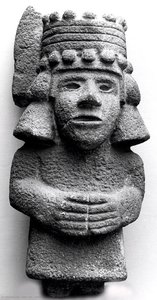
      Before you stands an echo from a civilization whose very name whispers tales of empire and profound spiritual depth: the magnificent "Figure" sculpture. Carved from enduring stone, this piece is not merely an object of antiquity; it is a frozen moment of sacred contemplation. The overall impression is one of solemn power, a tangible connection to the sophisticated worldview of the Aztec people who flourished in the heart of Mesoamerica.…

      Kneeling Male Figure (1521) szerzője Azteck Birodalom
      4

      Kneeling Male Figure

      1521 · Stone · Metropolitan Művészeti Múzeum, New York

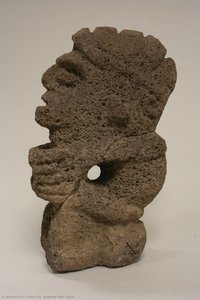
      To gaze upon this fragment is to reach across the vast chasm of five centuries, touching the solemn breath of an empire long dissolved into myth and archaeological wonder. This kneeling male figure, carved from a dark, porous stone—perhaps basalt itself—is more than mere sculpture; it is a captured moment of profound spiritual engagement. The very texture of the material speaks of time, bearing the patina of ritual smoke and…

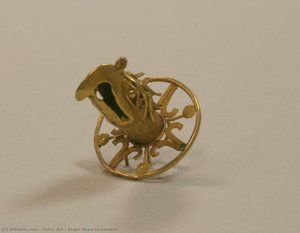
      Szörnyeteg labret egy mozgó nyelvű öntöző arany színű aztec szörnyeteg labret egy mozgó nyelvű öntöző arany színű aztec szörnyeteg labret egy mozgó nyelvű öntöző arany színű aztec szörnyeteg labret egy mozgó nyelvű öntöző arany színű aztec szörnyeteg labr szerzője Azteck Birodalom
      5

      Szörnyeteg labret egy mozgó nyelvű öntöző arany színű aztec szörnyeteg labret egy mozgó nyelvű öntöző arany színű aztec szörnyeteg labret egy mozgó nyelvű öntöző arany színű aztec szörnyeteg labret egy mozgó nyelvű öntöző arany színű aztec szörnyeteg labr

      Akril festmény vászonon · Metropolitan Művészeti Múzeum, New York

      Az ősi Mexikó szívében született és virágzott az Aztec Birodalom, egy hatalmas és komplex kultúra, amely évszázadokon át dominált Közép-Amerikában. Több mint egyszerű városság és hatalmi tömeg pedig mélyen gyökerező művészi hagyomány volt, mely minden élet aspektusába szövött be – monumentális építménytől a finom madárfényű ötvöskéhez, szent szertől pedig napi tárgyakon át. Az ősi mexikói művészek nem csak dísztárgyak voltak; hanem egy színvonalas nyelv volt, amely kommunikált vallási meggyőződésről, politikai…

      Pendent in the Shape of a Warrior (1350) szerzője Azteck Birodalom
      6

      Pendent in the Shape of a Warrior

      1350 · Metalwork · Cleveland Museum of Art, Cleveland

      To hold this piece in your mind is to encounter the quiet strength of the Post-classic period. This small, metallic figure, likely worn close to the body, captures a warrior in a moment of poised readiness. The figure is rendered with a striking sense of presence, characterized by a prominent nose, wide eyes, and a slightly protruding mouth that gives the face a distinct, human character. There is a certain…

      Figure (1521) szerzője Azteck Birodalom
      7

      Figure

      1521 · Stone · Metropolitan Művészeti Múzeum, New York

      This monochrome photograph captures an ancient Aztec sculpture titled Figure. The piece presents a stylized representation of a human figure, likely a deity or important individual within the Aztec culture. Set against a dark background that emphasizes its intricate details, the sculpture is positioned slightly off-center towards the right of the frame.

      Vulture Vessel (1521) szerzője Azteck Birodalom
      8

      Vulture Vessel

      1521 · Ceramic · Metropolitan Művészeti Múzeum, New York

      This ceramic vessel, produced around 1521 by Aztec artists, takes the shape of a stylized vulture. The object is constructed from earthenware with a robust, cylindrical body. Four curved legs support the structure, positioned to suggest a sense of movement or a bird prepared to perch. The surface is primarily covered in a reddish-brown hue, likely derived from iron oxide pigments. Black glaze defines specific areas, creating bands that outline…

      Standard Bearer (1521) szerzője Azteck Birodalom
      9

      Standard Bearer

      1521 · Stone · Metropolitan Művészeti Múzeum, New York

      The Aztec sculpture titled "Standard Bearer," a remarkable testament to the artistry and symbolic depth of the pre-Columbian civilization, stands as more than just a carved stone figure. It’s a window into a complex society—a warrior, a leader, a conduit between the earthly realm and the divine. Dating back to approximately 1450-1521 CE, this piece, originating from the region of Veracruz, offers a tangible connection to a world both familiar…

      Crested Figure (Macuilxochitl) (1521) szerzője Azteck Birodalom
      10

      Crested Figure (Macuilxochitl)

      Crested Figure (Macuilxochitl): Echoes of Aztec Cosmology The photograph presents a striking depiction of an Aztec sculpture titled “Crested Figure (Macuilxochitl),” originating from the 15th–early 16th century during the height of the Mexica Empire. This artwork embodies the artistic spirit of Mesoamerica, reflecting profound religious beliefs and political authority—a testament to the enduring legacy of a civilization that captivated imaginations for centuries. Overall Impression: The image captures a sculpture crafted…

      Azteck Birodalom: vászonművek, a 11 és a 70 helyezés között

      Seated Male Deity (1521) szerzője Azteck Birodalom
      #12

      Seated Male Deity

      1521 · Metropolitan Művészeti Múzeum

      In the quiet presence of the Seated Male Deity, one does not merely observe a sculpture; one encounters a profound fragment of a lost cosmos. Carved during the…

      Kneeling Female Figure (1521) szerzője Azteck Birodalom
      #13

      Kneeling Female Figure

      1521 · Metropolitan Művészeti Múzeum

      In the quiet halls of art history, few objects command as much silent reverence as the Kneeling Female Figure. Carved from the dark, enduring strength of basalt, this…

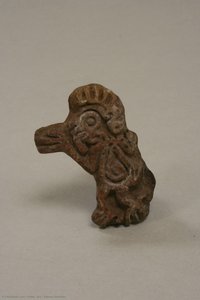
      Labret, Eagle Head (1521) szerzője Azteck Birodalom
      #14

      Labret, Eagle Head

      1521 · Metropolitan Művészeti Múzeum

      To gaze upon this artifact is to be transported across the vast expanse of time, directly into the heart of the mighty Aztec Empire. This exquisite labret, fashioned…

      Vidd ide a fényt a tédbe →
      Miniature Bowl (1521) szerzője Azteck Birodalom
      #15

      Miniature Bowl

      1521 · Metropolitan Művészeti Múzeum

      To gaze upon this miniature bowl is to hold a fragment of deep time in one's hands. It is not merely an object, but a tangible whisper from…

      Fragment of An Anthropomorphic Brazier (1300) szerzője Azteck Birodalom
      #16

      Fragment of An Anthropomorphic Brazier

      1300

      This ceramic fragment presents a vertical arrangement of human-like faces. The central feature is a large, sculpted head, upon which smaller faces are positioned in a stacked, layered…

      Ear Spool (1521) szerzője Azteck Birodalom
      #18

      Ear Spool

      1521 · Metropolitan Művészeti Múzeum

      Before us lies a fragment of a vanished world, a tangible link to the ingenuity and ritualistic practices of the Aztec Empire. This meticulously crafted ear spool, fashioned…

      Készíttesse kézzel festve →
      Seated Female Deity (1521) szerzője Azteck Birodalom
      #19

      Seated Female Deity

      1521 · Metropolitan Művészeti Múzeum

      In the quiet shadows of history, certain objects possess the power to bridge the gap between the mortal realm and the eternal. The Seated Female Deity, a profound…

      Aztec Sun Stone (Calendar Stone) (1427) szerzője Azteck Birodalom
      #20

      Aztec Sun Stone (Calendar Stone)

      1427

      The Aztec Sun Stone (Calendar Stone) is a significant work attributed to the Aztec Empire. Carved by the Mexica at the end of the Mesoamerican Postclassic Period, this…

      Mictlantecuhtl (1480) szerzője Azteck Birodalom
      #21

      Mictlantecuhtl

      1480

      A weathered, pale-grey statue of a child figure emerges from a void of absolute black. The surface is heavily eroded, marked by deep cracks and fissures that trace…

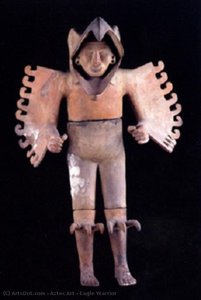
      Eagle Warrior (1469) szerzője Azteck Birodalom
      #22

      Eagle Warrior

      1469

      The artwork titled Eagle Warrior is a terracotta sculpture created by the Aztec Empire. This piece dates to about 1469. The subject of the work is an Aztec…

      Coyote (1500) szerzője Azteck Birodalom
      #23

      Coyote

      1500

      This work, titled Coyote, is a significant piece attributed to the Aztec Empire. It represents a stylized depiction of the coyote, a figure deeply embedded in the mythology…

      Warrior's Teponaztli (1500) szerzője Azteck Birodalom
      #24

      Warrior's Teponaztli

      1500

      The object is a carved wooden instrument, a slit drum known as a teponaztli, dating to 1500. It is composed of a hollowed hardwood log, presenting an elongated…

      Macuilxochitl Teponaztli Votive (1500) szerzője Azteck Birodalom
      #25

      Macuilxochitl Teponaztli Votive

      1500

      The Macuilxochitl Teponaztli Votive is a stone artifact created by the Aztec Empire. This object emerged around 1500, a period when the Mexica people shaped the spiritual landscape…

      Xiuhmolpilli (1 Death) (1500) szerzője Azteck Birodalom
      #26

      Xiuhmolpilli (1 Death)

      1500

      The stone feels heavy with the gravity of an era long gone. A cylindrical form, carved from volcanic rock, rests in the dim light, its surface a landscape…

      Hunchback (1500) szerzője Azteck Birodalom
      #27

      Hunchback

      1500

      The sculpture titled Hunchback is an artifact attributed to the Aztec Empire. Created about 1500, this terracotta work captures a single human figure frozen in a moment of…

      Dead Warrior Brazier (1500) szerzője Azteck Birodalom
      #28

      Dead Warrior Brazier

      1500

      The Dead Warrior Brazier is a cylindrical ceramic sculpture dating to approximately 1500. The object features a stylized human figure positioned in a seated or kneeling posture with…

      Crested figure (Macuilxochitl) (1521) szerzője Azteck Birodalom
      #29

      Crested figure (Macuilxochitl)

      1521

      The stone face stares out from the shadows of history, known to us as Crested figure (Macuilxochitl). Created by the Aztec Empire, this sculpture emerges from the heavy,…

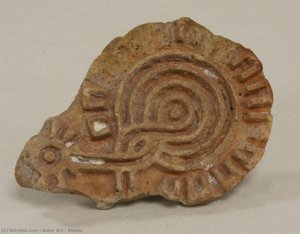
      Stamp, Feline Profile (1521) szerzője Azteck Birodalom
      #30

      Stamp, Feline Profile

      1521

      This ceramic stamp presents a circular profile of a feline, likely a jaguar, rendered in relief. The object is composed of clay or stone, displaying a surface marked…

      Seated Male Deity (1521) szerzője Azteck Birodalom
      #31

      Seated Male Deity

      1521 · Metropolitan Művészeti Múzeum

      Before us stands a testament to the profound artistry and spiritual depth of the Aztec Empire – a weathered stone sculpture known as the “Seated Male Deity,” or…

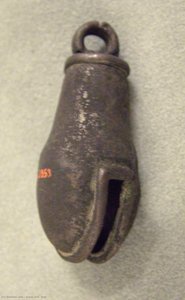
      Bell (1521) szerzője Azteck Birodalom
      #32

      Bell

      1521 · Metropolitan Művészeti Múzeum

      Imagine holding a piece of history – not just an artifact, but a tangible echo of a vanished empire. This bronze bell, unearthed from the ruins of Tenochtitlan…

      Vidd ide a fényt a tédbe →
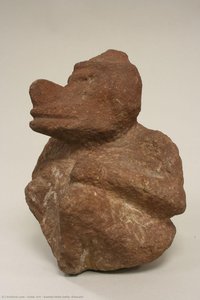
      Spider Monkey (1521) szerzője Azteck Birodalom
      #33

      Spider Monkey

      1521 · Rhode Island School of Design Museum of Art

      This exceptional hand-painted reproduction captures a pivotal moment in Aztec artistic expression – the creation of a remarkably detailed sculpture depicting a spider monkey, dating back to 1521.…

      Cihuateotl (1521) szerzője Azteck Birodalom
      #34

      Cihuateotl

      1521 · Metropolitan Művészeti Múzeum

      The stone sculpture known as “Cihuateotl,” a formidable figure emerging from the heart of the Aztec Empire, offers more than just a visual representation; it’s a window into…

      Készíttesse kézzel festve →
      Stamp (1521) szerzője Azteck Birodalom
      #35

      Stamp

      1521 · Metropolitan Művészeti Múzeum

      Before us lies a terracotta fragment, not merely an artifact but a window into the heart of the Aztec Empire. Designated simply as “Stamp,” this weathered ceramic seal…

      Vidd ide a fényt a tédbe →
      Feathered Serpent Ornament (1521) szerzője Azteck Birodalom
      #36

      Feathered Serpent Ornament

      1521 · Metropolitan Művészeti Múzeum

      In the quiet, hallowed halls of the Metropolitan Museum of Art, there exists a treasure that transcends the boundaries of time and geography. The Feathered Serpent Ornament is…

      Relief (1521) szerzője Azteck Birodalom
      #37

      Relief

      1521 · Metropolitan Művészeti Múzeum

      “Relief,” a meticulously crafted stone carving from the heart of the Aztec Empire, stands as more than just an artistic object; it's a window into a vanished world.…

      Vidd ide a fényt a tédbe →
      Eagle Head Ornament szerzője Azteck Birodalom
      #38

      Eagle Head Ornament

      Metropolitan Művészeti Múzeum

      Before us lies a captivating artifact – an Aztec Eagle Head Ornament, a tangible link to one of Mesoamerica's most formidable empires. More than just a decorative object,…

      Vidd ide a fényt a tédbe →
      Skull Pendant szerzője Azteck Birodalom
      #39

      Skull Pendant

      Metropolitan Művészeti Múzeum

      Gazing upon this black and white photograph, one is immediately drawn to the stark simplicity and profound symbolism of the Aztec skull pendant. More than a mere decorative…

      Rendelje meg ezt a vászonat →
      Stamp (1521) szerzője Azteck Birodalom
      #40

      Stamp

      1521 · Metropolitan Művészeti Múzeum

      Within the realm of ancient Mesoamerica lies a deceptively simple object – a terracotta stamp, often referred to as a “stamp” in modern parlance. Yet, this unassuming artifact…

      Rendelje meg ezt a vászonat →
      Female Deity szerzője Azteck Birodalom
      #41

      Female Deity

      Metropolitan Művészeti Múzeum

      The photograph before you offers an arresting window into the heart of Aztec spirituality – a sculpted representation of a female deity, rendered with a profound sense of…

      Készíttesse kézzel festve →
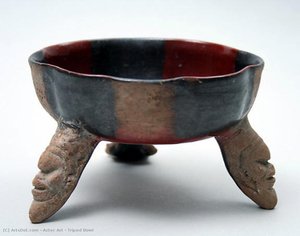
      Tripod Bowl szerzője Azteck Birodalom
      #42

      Tripod Bowl

      Metropolitan Művészeti Múzeum

      To gaze upon this Tripod Bowl is to reach across the vast expanse of time, directly into the vibrant heart of the Aztec Empire. It is not merely…

      Maize Deity (Chicomecoatl) szerzője Azteck Birodalom
      #43

      Maize Deity (Chicomecoatl)

      Metropolitan Művészeti Múzeum

      Carved from basalt, this sculpture represents Chicomecoatl, the Mexica goddess of maize. The figure is rendered in a frontal, upright posture with arms raised in a gesture of…

      Seated Female Deity szerzője Azteck Birodalom
      #44

      Seated Female Deity

      Metropolitan Művészeti Múzeum

      Seated Female Deity: A Reflection of Aztec Spirituality The image presents a grayscale photograph of an Aztec sculpture depicting a seated female deity. The sculpture is rendered in…

      Kneeling Male Figure szerzője Azteck Birodalom
      #45

      Kneeling Male Figure

      Metropolitan Művészeti Múzeum

      To gaze upon the Kneeling Male Figure is to reach across the vast chasm of five centuries, touching the solemn breath of an empire long dissolved into myth…

      Seated Male szerzője Azteck Birodalom
      #46

      Seated Male

      Metropolitan Művészeti Múzeum

      is a stone sculpture created by the Aztec Empire. Originating from Mexico, Mesoamerica, the work belongs to the Mexica (Aztec) culture. It dates to the 15th–early 16th century.

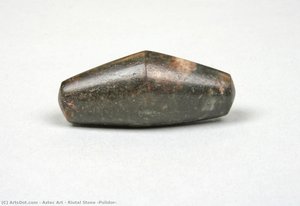
      Ritális Kő (pulidor) (1521) szerzője Azteck Birodalom
      #47

      Ritális Kő (pulidor)

      1521 · Metropolitan Művészeti Múzeum

      Ritual Stone (Pulidor): Echoes of Aztec Majesty A single photograph captures an arresting glimpse into the artistic soul of the Aztec Empire – specifically, a ‘pulidor,’ a ritual…

      Rendelje meg ezt a vászonat →
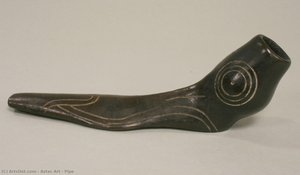
      Pipe (1521) szerzője Azteck Birodalom
      #50

      Pipe

      1521 · Metropolitan Művészeti Múzeum
      Seated Male Deity szerzője Azteck Birodalom
      #51

      Seated Male Deity

      Metropolitan Művészeti Múzeum

      The Aztec Empire, a civilization that flourished in Mesoamerica for centuries, left behind a legacy of breathtaking artistry and profound spiritual belief. Among its most compelling creations stands…

      Készíttesse kézzel festve →
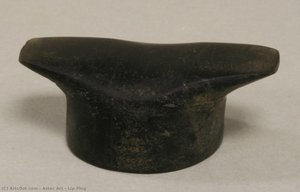
      Lip Plug szerzője Azteck Birodalom
      #52

      Lip Plug

      Metropolitan Művészeti Múzeum

      To gaze upon this artifact is to reach across the vast expanse of time, touching the cool, dark permanence of an ancient civilization. This piece, an Aztec Lip…

      Készíttesse kézzel festve →
      Uilacapitztli (Pottery Flute) szerzője Azteck Birodalom
      #54

      Uilacapitztli (Pottery Flute)

      Metropolitan Művészeti Múzeum

      To gaze upon the Uilacapitztli is not merely to observe an artifact; it is to reach across the vast expanse of centuries and touch the very breath of…

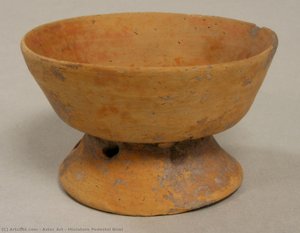
      Miniature Pedestal Bowl szerzője Azteck Birodalom
      #55

      Miniature Pedestal Bowl

      Metropolitan Művészeti Múzeum

      To gaze upon this miniature pedestal bowl is to reach across the vast expanse of time, to hold in one's hands a tangible whisper from the heart of…

      Standard-Bearer (1519) szerzője Azteck Birodalom
      #57

      Standard-Bearer

      1519

      This stark figure displays the minimalism and monumentality of Aztec stone sculpture. The rigid pose resembles the block of stone from which it was carved. In contrast, the…

      Készíttesse kézzel festve →
      Drum (Teponaztli) szerzője Azteck Birodalom
      #58

      Drum (Teponaztli)

      Metropolitan Művészeti Múzeum

      To gaze upon this representation of an Aztec Teponaztli is not merely to observe an artifact; it is to listen for a silence that holds echoes. This magnificent…

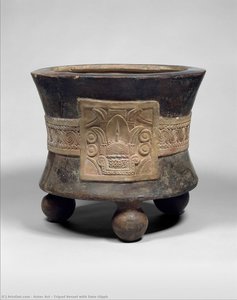
      Tripod Vessel with Date Glyph szerzője Azteck Birodalom
      #59

      Tripod Vessel with Date Glyph

      Metropolitan Művészeti Múzeum

      The image before us presents more than just a ceramic object; it’s a tangible fragment of the Aztec Empire, a silent chronicle etched in clay and imbued with…

      Bowl szerzője Azteck Birodalom
      #60

      Bowl

      Metropolitan Művészeti Múzeum

      Gazing upon this meticulously rendered reproduction of an Aztec bowl is akin to stepping back in time, directly into the heart of Tenochtitlan, the magnificent capital city of…

      Rendelje meg ezt a vászonat →
      Maize Deity (Chicomecoatl) szerzője Azteck Birodalom
      #61

      Maize Deity (Chicomecoatl)

      Metropolitan Művészeti Múzeum

      Standing before this weathered stone sculpture, one is immediately transported to the heart of ancient Mexico – a realm where the divine intertwined seamlessly with the rhythms of…

      Stamp, Butterfly szerzője Azteck Birodalom
      #62

      Stamp, Butterfly

      Metropolitan Művészeti Múzeum

      Stamp, Butterfly - A Fragment of Aztec Cosmology The image presents a captivating glimpse into the artistic heritage of the Aztec Empire—specifically, a ceramic stamp depicting a butterfly…

      Vidd ide a fényt a tédbe →
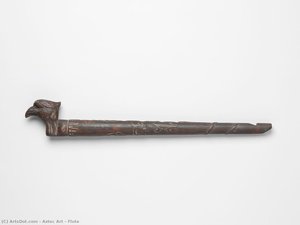
      Flute szerzője Azteck Birodalom
      #63

      Flute

      Metropolitan Művészeti Múzeum

      Within the vast tapestry of Aztec artistry lies a deceptively simple instrument – the flute, often referred to as *uilacapitztli* (meaning “flute-head”). More than just a musical device,…

      Rendelje meg ezt a vászonat →
      Miniature Pedestal Bowl szerzője Azteck Birodalom
      #64

      Miniature Pedestal Bowl

      Metropolitan Művészeti Múzeum

      Gazing upon this exquisite miniature pedestal bowl offers more than just an appreciation of its delicate form; it’s a portal into the heart of the Aztec Empire, a…

      Ear Ornament szerzője Azteck Birodalom
      #65

      Ear Ornament

      Metropolitan Művészeti Múzeum

      To hold an object from the heart of the Aztec Empire is to touch the very pulse of Mesoamerican history. This exquisite ear ornament, a masterwork of the…

      Miniature Tripod Vase szerzője Azteck Birodalom
      #66

      Miniature Tripod Vase

      Metropolitan Művészeti Múzeum

      The world of ancient Mesoamerica pulses with an undeniable energy – a vibrant blend of ritual, conquest, and breathtaking artistry. Within this rich tapestry, the miniature tripod vase…

      Készíttesse kézzel festve →
      Stamp, Monkey szerzője Azteck Birodalom
      #67

      Stamp, Monkey

      Metropolitan Művészeti Múzeum

      Imagine holding a tangible piece of history – a small, unassuming ceramic stamp from the heart of the Aztec Empire. This particular artifact, depicting a stylized monkey in…

      Vidd ide a fényt a tédbe →
      Bowl szerzője Azteck Birodalom
      #68

      Bowl

      Metropolitan Művészeti Múzeum

      In the quiet presence of this ancient Aztec bowl, one can almost hear the rhythmic pulse of a civilization that once commanded the heart of Mesoamerica. This ceramic…

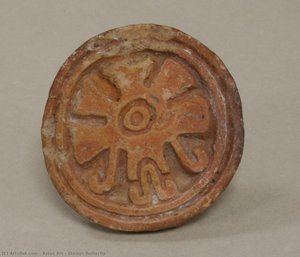
      Flat Stamp with Geometric Flower szerzője Azteck Birodalom
      #69

      Flat Stamp with Geometric Flower

      Metropolitan Művészeti Múzeum

      This striking ceramic stamp, a relic of the Aztec Empire, isn’t merely an artifact; it's a portal to a civilization brimming with intricate symbolism and profound artistic skill.…

      Azteck Birodalom vászonai, korszakonként

      Amit Azteck Birodalom a legtöbbször festett

      A négy leggyakoribb motívum ezen a vásznon, mindegyik a legkedvesebb példájával.

      Hol kirakott Azteck Birodalom vászonai

      A 5 olyan múzeum, amely a legtöbb ezen az oldalon szereplő festményet őrzi.

      Múzeumok Város Azteck Birodalom művei Ebből a listából származó festmények
      Metropolitan Művészeti Múzeum, New YorkMetropolitan Művészeti Múzeum New York 51 Head from a Figure, Xochipilli Macuilxochitl, Figure, Kneeling Male Figure
      British Museum, LondonBritish Museum London 1 Mosaic of a Double-headed Serpent
      Cleveland Museum of Art, ClevelandCleveland Museum of Art Cleveland 1 Pendent in the Shape of a Warrior
      Rhode Island School of Design Museum of Art, ProvidenceRhode Island School of Design Museum of Art Providence 1 Spider Monkey
      Dumbarton Oaks Research Library and Collection, Washington, D.C.Dumbarton Oaks Research Library and Collection Washington, D.C. 1 Tlazolteotl (Birthing Figure)

      Azteck Birodalom leghíresebb vászonai, évtizedről évtizedre

      1. 1350s
        Pendent in the Shape of a Warrior (1350) szerzője Azteck Birodalom
        6. hely 70 közül

        Pendent in the Shape of a Warrior

        Kor: 50 – 59 év · Cleveland Museum of Art

        To hold this piece in your mind is to encounter the quiet strength of the Post-classic period. This small, metallic figure, likely worn close to the body, captures…

      2. 1420s
        Aztec Sun Stone (Calendar Stone) (1427) szerzője Azteck Birodalom
        20. hely 70 közül

        Aztec Sun Stone (Calendar Stone)

        Kor: 120 – 129 év

        The Aztec Sun Stone (Calendar Stone) is a significant work attributed to the Aztec Empire. Carved by the Mexica at the end of the Mesoamerican Postclassic Period, this…

      3. 1460s
        Eagle Warrior (1469) szerzője Azteck Birodalom
        22 / 70

        Eagle Warrior

        Kor: 160 – 169 év

        The artwork titled Eagle Warrior is a terracotta sculpture created by the Aztec Empire. This piece dates to about 1469. The subject of the work is an Aztec…

      4. 1480s
        Mictlantecuhtl (1480) szerzője Azteck Birodalom
        21 / 70

        Mictlantecuhtl

        Kor: 180 – 189 év

        A weathered, pale-grey statue of a child figure emerges from a void of absolute black. The surface is heavily eroded, marked by deep cracks and fissures that trace…

      5. 1500s
        Coyote (1500) szerzője Azteck Birodalom
        23 / 70 vászon

        Coyote

        Kor: 200 – 209 év

        This work, titled Coyote, is a significant piece attributed to the Aztec Empire. It represents a stylized depiction of the coyote, a figure deeply embedded in the mythology…

      6. 1510s
        Standard-Bearer (1519) szerzője Azteck Birodalom
        57 / 70 vászon

        Standard-Bearer

        Kor: 210 – 219 év

        This stark figure displays the minimalism and monumentality of Aztec stone sculpture. The rigid pose resembles the block of stone from which it was carved. In contrast, the…

      7. 1520s
        Mosaic of a Double-headed Serpent (1521) szerzője Azteck Birodalom
        1. hely 70 közül

        Mosaic of a Double-headed Serpent

        Kor: 220 – 221 év · British Museum

        To gaze upon this mosaic of a double-headed serpent is to step directly into the vibrant, myth-laden heart of the Aztec Empire. It is not merely an object…

      Azteck Birodalom vászonai, kérdésenként

      Mely vászonról emlékeznek leginkább Azteck Birodalom?Olvassda el a választ

      Mosaic of a Double-headed Serpent (1521), British Museum, London. Utánuk Head from a Figure, Xochipilli Macuilxochitl (1521) és Figure (1521) következik.

      Mosaic of a Double-headed Serpent: hány éves volt Azteck Birodalom, amikor ezt megfestették?Olvassda el a választ

      Azteck Birodalom, aki 1300 évfolyamán született, 221 éves volt: Mosaic of a Double-headed Serpent 1521 származik.

      Melyek Azteck Birodalom tíz leghíresebb vászonműve?Olvassda el a választ

      Mosaic of a Double-headed Serpent, Head from a Figure, Xochipilli Macuilxochitl, Figure, Kneeling Male Figure, Szörnyeteg labret egy mozgó nyelvű öntöző arany színű aztec szörnyeteg labret egy mozgó nyelvű öntöző arany színű aztec szörnyeteg labret egy mozgó nyelvű öntöző arany színű aztec szörnyeteg labret egy mozgó nyelvű öntöző arany színű aztec szörnyeteg labr, Pendent in the Shape of a Warrior, Figure, Vulture Vessel, Standard Bearer és Crested Figure (Macuilxochitl). A rangsorban szereplő vászlakok mindegyike tartalmazza a festvény évszámát és a kiállító múzeumát is.

      Hány festményt alkotott Azteck Birodalom?Olvassda el a választ

      70 műve Azteck Birodalom alkotása a katalógusunkban, 1350 és 1521 között.

      Hol láthatóak ma Azteck Birodalom leghíresebb vászonművei?Olvassda el a választ

      Leginkább Metropolitan Művészeti Múzeum (New York), British Museum (London) és Cleveland Museum of Art (Cleveland) helyszíneken; a fenti lista tartalmazza az egyes múzeumokat és a hozzájuk tartozó vászonműveket.

      Mikor festette Azteck Birodalom leghíresebb vászait?Olvassda el a választ

      1520s időszakban, amely ezen az oldalon található 70 mű közül 29 alkotással szerepel, Mosaic of a Double-headed Serpent a válogatásban.

      Melyik híres Azteck Birodalom vászon készült először, és melyik utoljára?Olvassda el a választ

      A legkorábbi vászon itt: Pendent in the Shape of a Warrior (1350); a legutóbb pedig: Mosaic of a Double-headed Serpent (1521).

      Milyen témaköröket festett a legtöbbször Azteck Birodalom?Olvassda el a választ

      Mesoamerica (20), Aztec (16) és Sculpture (16), a jelen oldalon található 70 műművészeti alkotás között.

      Melyik technikát alkalmazza leggyakrabban Azteck Birodalom festményei?Olvassda el a választ

      Stone, amely 19 darabban szerepel a ?>"> 70 műből ezen az oldalon.

      Mely Azteck Birodalom festmények találhatónak a Metropolitan Művészeti Múzeum gyűjteményében?Olvassda el a választ

      A Metropolitan Művészeti Múzeum, New York 51 műve közül rendelkezik ezen az oldalon, köztük ezekkel: Head from a Figure, Xochipilli Macuilxochitl, Figure és Kneeling Male Figure.

      Hol vásárolhatok egy Azteck Birodalom festményének reprodukcióját?Olvassda el a választ

      Igen. Az oldalon található minden festmény megrendelhető a saját oldalán, kézzel festett olajfestmény-másolatként vagy minőségi giclée nyomtatásként, a választott méretben.

      Ismerje meg a festőt: Azteck Birodalom

      A kő visszhangjai: Az aztéci birodalom művészetének és örökségének felfedezése

      Az „aztéci” név – amely a nahuatl ātl-ce-tlācati–tlān szóból ered, jelentése pedig „a sok formájú nép” – hatalmas, összetett birodalom képeit kelti meg, amely évszázadokon át uralta Mesoamerika területét. Az aztékok azonban nem csupán harcosok és hódítók voltak; mélyen művészi természettel rendelkező egyének, akik életük minden aspektusába beleágyazták a bonyolulat és a szépség szöveteit – a monumentális építészet부터 a finom tollmunkától kezdve a szent rituálékig és a mindennapi tárgyakig. Művészetük nem csupán díszítőcélokat szolgált; ez egy vibráló nyelv volt, amely közvetítette a vallási meggyőződéseket, a politikai hatalmat, a történelmi narratívákat és a társadalmi hierarchiákat egy olyan közösségben, amely egyszerre volt szigorúan strukturált és hendakozhatatlanul innovatív.

      Az azték művészeti hagyományok a 14. század elején, Tenochtitlán szívében születtek, és mélyen gyökereztek korábbi mesoamerikai civilizációk örökségében. Az olmecok hatalmas fejes szobrászataival és kifinomult naptáruival, a Teotihuacán építőművészei hatalmas piramisokkal és városrendezéssel, valamint a toltékok fémmunkászat és szobrászat mesterei mind hozzájárultak ahhoz a gazdag művészeti szövethez, amelyet az aztékok örököltek. Az azonban nem csupán utánzókkal voltak egyet: ezeket a hatásokat saját, egyedi esztétikai érzékiséggel ötvözték, kidolgozva olyan jellegzetes stílust, amelyet merész színek, bonyolult geometrikus minták és szimbolikus ábrázolások jellemeztek.

      A hatalom palettája: Anyagok és technikák

      Az azték művészet rendkívül sokszínű volt, hihetetlen anyagrendszerhez és technikához férve. A kőfaragás kiemelt helyet foglalt be, amit a isteneket, uralkodókat és mitikus lényeket ábrázoló monumentális szobrok példáznak. A hatalmas Napkő (Naptárkő), amelyet 1946-ban fedeztek fel, mesterművet mutat be ezen az alapon – egy összetett, rétegzett kődomborzatot, amely a naptári információkat ötvözi a kozmológiai szimbolizmussal. A képzett alkotók fával, agyaggal, tollal – különösen a vibráló quetzal-madár tollával –, jadeval, turkizszíntel, obsziánnal és arannyal is dolgoztak, tükrözve ezzel mind a gazdagságot, mind a társadalmi rangot.

      A tollmunkászat talán az azték művészet leglátványosabb aspektusa volt. Bonyolult diadémokat, köntösöket, pajzsokat és egyéb díszes tárgyakat hoztak létre több ezer, aprólékosan elhelyezett tollból – egy olyan folyamatot, amely hatalmas szakértelmet és türelmet igényelt. Ezek az alkotások nem csupán gyönyörűek voltak; a hatalom, a vallási áldozatkészség és a társadalmi rang erőteljes szimbólumai szolgáltak. Még a színeknek is meghatározott jelentése volt: a kék az eget képviselte, a zöld a termékenységet, a vörös a háborút, a sárga pedig a napot.

      Emellett az azték művészek a mozaikmunkában is mesterek voltak, lenyűgöző díszítőpanelokat hoztak létre apró, pontosan csiszolt kőburkolatokból. Ezek a mozaikok templomokat, palotákat és magánrezidenciákat díszítettek, vizuális gazdagságot adva az épített környezetnek. Kerámiáik szintén lenyűgözőek voltak, bonyolult geometrikus mintákkal és állati vagy isteni ábrázolásokkal tarkítva.

      A szimbólumok nyelve: Témák és motívumok

      Az azték művészet tele van szimbolizmussal, ahol minden kép rétegzett jelentéssel bír, amely priestusok, írnokok és uralkodók gondos értelmezését igényelte. A központi istenség, Huitzilopochtli, a háború és a nap istene, gyakran díszes, tollal és drágakövekkel ékszerezett diadémokban ábrázolták. Quetzalcoatl, a tudás, a bölcsesség és az teremtés istene, a tollas kígyó, kiemelt helyet foglalt be a panteonban, és számos művészeti ábrázolásban megjelenik.

      A naptárrend – a napikus és rituális ciklusok rendkívül kifinomult kombinációja – egy másik visszatérő motívum volt. A naptárak képei, a hieroglifák és az csillagászati szimbólumok beépültek a szobrokba, mozaikokba és kódexekbe (illusztrált könyvekbe), tükrözve az aztékok mély ismereteit az időről és a kozmológiaról. A táplálékuk alapját képező kukoricán ábrázolt formák a fenntartást és a termékenységet szimbolizálták. Az állati motívumok – különösen a jaguárok, a sasok, a kígyók és a kolibri madarak – a hatalommal, a bátorsággal és a isteni létezéssel kapcsolatos szimbolikus jelentőséggel bírtak.

      Örökség töredékekben: Művészet és történelmi jelentőség

      Az azték birodalom hirtelen összeomlása 1521-ben, a spanyol conquistadorok kezétől, pusztító veszteséget jelentett a mesoamerikai kultúra számára. Tragikus módon művészeti örökségük nagy része a hódítás során odalévadott – templomokat romboltTAK le, szobrokat daraboltak fel és kódexeket égettek el. Ennek ellenére, a veszteségek apesarán, az azték művészet töredékei ma is fennmaradtak, felbecsülhetetlen betekintést nyitva ebbe a csodálatos civilizációba.

      Jelentős példák közé tartozik a Napkő, egy monumentális szobrászat, amely bemutatja az aztékok haladó csillagászati és matematikai tudását; a világszerte található múzeumokban őrzött bonyolított tollas diadémok és köntösök; valamint a túlélő kódexek – kézzel írt könyvek, amelyek történelmi beszámolókat, vallási meggyőződéseket és naptári adatokat tartalmaznak. Mexikóban az Colección Andrés Blaisten őrzi latin-amerikai művészet jelentős gyűjteményét, amely olyan példákat is tartalmaz, amelyek fényt világítanak az azték művészeti hagyományokra.

      Az azték birodalom művészeti örökségének hatása ma is érezhető, inspirálva kortárs művészeket és tervezőket egyaránt. Innovatív technikáik, szimbolikus képi világuk és a természettel való mély kapcsolódásuk továbbra is rezonál a világszerte élő közönséggel. Az aztékok művészetének felfedezése nem csupán történelmi csodálat gyakorlása; ez egy utazás egy összetett és lenyűgöző civilizáció szívébe – az emberi kreativitás, a találékonyság és a spirituális mélység tanúsága.

      További műalkotások felfedezése az azték birodalomból és más nevezetes művészektől az TopImpressionists.com oldalon érhető el.

      Minden 70 műmű Azteck Birodalom alkotása →