Műterem — Ingyenes világszerte történő szállítás — Szállítás: 2–6 hét
      Valentyin Alekszandrovics Szerov, 1865 – 1911

      Valentyin Alekszandrovics Szerov 100 leghíresebb festménye közül 100 darab

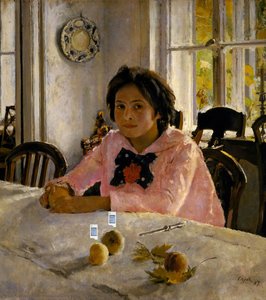
      Lány őszibarackokkal (1887) az a festmény, amelyre Valentyin Alekszandrovics Szerov leginkább emlékeznek; a Tretyakov-galéria collectionében található, Moszkva városában. Portrait of Anton Chekhov (1903) és Portrait of Henrietta Girshman (1907) kiegészítik a legkedveltebb vásznalak háromtagú sorozatát. Katalógusunkban 289 mű található Valentyin Alekszandrovics Szerov alkotótól. Íme a 100 leghíresebb alkotás, évszámával, a múzeum megnevezésével és a vászon történetével együtt.

      A rangsorolásunkat a népszerűségi pontszám határozza meg, amely az egyes művek kereséseit, látogatottságát és megrendeléseit ötvözi. Frissítve: október 2026. Az oldalon található festmények bármelyike vászonra vászatra festett olajfestmény-másolatként, vagy az Ön által választott méretben készült minőségi giclée nyomatként rendelhető meg.

      Valentyin Alekszandrovics Szerov portréja
      Valentyin Alekszandrovics Szerov · 1865 – 1911
      Született · meghalt
      1865 – 1911, Szentpétervár
      Mozgalom
      Realism
      A katalógusban szereplő művek
      289
      Legnépszerűbb
      Lány őszibarackokkal (1887)
      A legtöbb művel a
      Armenia Nemzeti Galériája

      A Valentyin Alekszandrovics Szerov tíz legnépszerűbb festménye

      Lány őszibarackokkal (1887) szerzője Valentyin Alekszandrovics Szerov
      1

      Lány őszibarackokkal

      1887 · Olajfestmény vászonon · Tretyakov-galéria, Moszkva

      In the quiet light of 1887, Valentin Serov captures a fleeting moment of childhood in his painting, Girl with Peaches. The scene centers on eleven-year-old Vera Mamontova, a young girl whose presence fills the space with a sense of calm. She sits at a table, her gaze steady and thoughtful, as the afternoon sun filters through the room. This portrait is more than a mere likeness; it is a window…

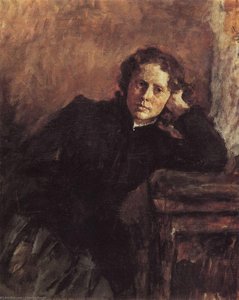
      Portrait of Henrietta Girshman (1907) szerzője Valentyin Alekszandrovics Szerov
      3

      Portrait of Henrietta Girshman

      1907 · Oil On Canvas

      Valentin Serov’s “Portrait of Henrietta Girshman,” painted in 1907, is more than just a likeness; it's a carefully constructed tableau that invites the viewer to step into a private moment. Executed with a masterful blend of realism and impressionistic techniques, the painting captures the quiet intimacy of a woman preparing herself – perhaps for an evening out, or simply lost in contemplation – within the luxurious confines of her dressing…

      Winter in Abramtsevo (1886) szerzője Valentyin Alekszandrovics Szerov
      4

      Winter in Abramtsevo

      1886 · Oil On Canvas

      We are looking at Winter in Abramtsevo, a landscape painting by Valentin Serov. Created in 1886, this work captures a quiet moment within the Russian countryside. The original title of the piece is Зима в Абрамцево. It remains a significant example of Serov's early engagement with the natural world and the specific atmosphere of the Abramtsevo area.

      George the Victorious (1885) szerzője Valentyin Alekszandrovics Szerov
      5

      George the Victorious

      1885 · Oil

      The air feels heavy with the scent of dust and iron as a white horse surges forward, its muscles rippling under a coat that catches the light. Atop this powerful creature sits a knight, a figure of singular focus amidst a dark, moody landscape. He holds a red flag aloft, the fabric snapping in a wind we cannot see, its golden emblem catching the light like a sudden spark in…

      Autumn evening. Domotkanovo (1886) szerzője Valentyin Alekszandrovics Szerov
      6

      Autumn evening. Domotkanovo

      1886 · Oil On Canvas

      The air in Domotkanovo carries a heavy, amber light. In this 1886 scene, the landscape breathes through a palette of changing leaves and cooling earth. Trees stand in the background, their foliage turning to shades of copper and gold, marking the slow descent of the year. A field stretches forward, catching the fading warmth of an autumn evening. Two horses move through this space, their presence grounding the scene in…

      Portrait of Pavel Tretyakov (1899) szerzője Valentyin Alekszandrovics Szerov
      8

      Portrait of Pavel Tretyakov

      1899 · Watercolor · Tretyakov-galéria, Moszkva

      Valentin Alexandrovich Serov presents Portrait of Pavel Tretyakov through a vertical composition that focuses on the subject from the waist up. Positioned slightly off-center, the middle-aged man is depicted with his arms crossed, a stance that establishes a sense of introspective stillness. The subject is set against a non-descript, washed background, which creates a shallow depth and pushes the figure toward the foreground.

      Valentyin Alekszandrovics Szerov: vászonművek, a 11 és a 100 helyezés között

      A Breton woman. (1901) szerzője Valentyin Alekszandrovics Szerov
      #23

      A Breton woman.

      1901 · Varsói Nemzeti Múzeum

      is an oil on canvas painting by the Russian artist Valentin Serov. Created in 1901, the work captures a solitary woman in a moment of quietude. The subject…

      Rendelje meg ezt a vászonat →
      The Grand Eagle Cup (1910) szerzője Valentyin Alekszandrovics Szerov
      #76

      The Grand Eagle Cup

      1910 · Armenia Nemzeti Galériája

      To stand before Valentin Alexandrovich Serov’s The Grand Eagle Cup is to step through a veil and into a moment suspended in time—a quiet tableau vivant imbued with…

      Készíttesse kézzel festve →

      Valentyin Alekszandrovics Szerov vászonai, korszakonként

      Amit Valentyin Alekszandrovics Szerov a legtöbbször festett

      A négy leggyakoribb motívum ezen a vásznon, mindegyik a legkedvesebb példájával.

      Hol kirakott Valentyin Alekszandrovics Szerov vászonai

      A 6 olyan múzeum, amely a legtöbb ezen az oldalon szereplő festményet őrzi.

      Múzeumok Város Valentyin Alekszandrovics Szerov művei Ebből a listából származó festmények
      Armenia Nemzeti Galériája, JeravenArmenia Nemzeti Galériája Jeraven 3 Wife of Kostroma manifacture's director, The Grand Eagle Cup, Portrait of Maria Akimova
      Tretyakov-galéria, MoszkvaTretyakov-galéria Moszkva 11 Lány őszibarackokkal, Portrait of Pavel Tretyakov
      Varsói Nemzeti Múzeum, VarsóVarsói Nemzeti Múzeum Varsó 4 Portrait of a woman, A Breton woman.
      National Art Museum of The Republic of Belarus, MinskNational Art Museum of The Republic of Belarus Minsk 1 Portrait of O. F. Tomara
      Kiev National Picture Gallery, KyivKiev National Picture Gallery Kyiv 1 Elizaveta Alexeevna Krasilshikova
      Finnish National Gallery, HelsinkiFinnish National Gallery Helsinki 1 Still Life

      Valentyin Alekszandrovics Szerov leghíresebb vászonai, évtizedről évtizedre

      1. 1870s
        Still Life (1879) szerzője Valentyin Alekszandrovics Szerov
        78 / 100

        Still Life

        Kor: 5 – 14 év · Finnish National Gallery
      2. 1880s
        Lány őszibarackokkal (1887) szerzője Valentyin Alekszandrovics Szerov
        1 / 100

        Lány őszibarackokkal

        Kor: 15 – 24 év · Tretyakov-galéria

        In the quiet light of 1887, Valentin Serov captures a fleeting moment of childhood in his painting, Girl with Peaches. The scene centers on eleven-year-old Vera Mamontova, a…

      3. 1890s
        Portrait of Pavel Tretyakov (1899) szerzője Valentyin Alekszandrovics Szerov
        8. hely 100 közül

        Portrait of Pavel Tretyakov

        Kor: 25 – 34 év · Tretyakov-galéria

        Valentin Alexandrovich Serov presents Portrait of Pavel Tretyakov through a vertical composition that focuses on the subject from the waist up. Positioned slightly off-center, the middle-aged man is…

      4. 1900s
        Portrait of Anton Chekhov (1903) szerzője Valentyin Alekszandrovics Szerov
        2 / 100

        Portrait of Anton Chekhov

        Kor: 35 – 44 év

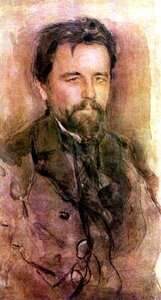
        is a work by the Russian artist Valentin Serov. Executed in 1903, the painting presents a focused study of the subject, a man characterized by a prominent beard.…

      5. 1910s

      Valentyin Alekszandrovics Szerov vászonai, kérdésenként

      Mely vászonról emlékeznek leginkább Valentyin Alekszandrovics Szerov?Olvassda el a választ

      Lány őszibarackokkal (1887), Tretyakov-galéria, Moszkva. Utánuk Portrait of Anton Chekhov (1903) és Portrait of Henrietta Girshman (1907) következik.

      Lány őszibarackokkal: hány éves volt Valentyin Alekszandrovics Szerov, amikor ezt megfestették?Olvassda el a választ

      Valentyin Alekszandrovics Szerov, aki 1865 évfolyamán született, 22 éves volt: Lány őszibarackokkal 1887 származik.

      Melyek Valentyin Alekszandrovics Szerov tíz leghíresebb vászonműve?Olvassda el a választ

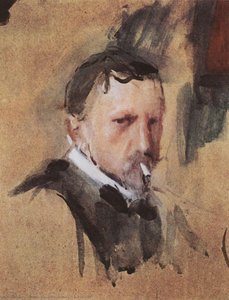
      Lány őszibarackokkal, Portrait of Anton Chekhov, Portrait of Henrietta Girshman, Winter in Abramtsevo, George the Victorious, Autumn evening. Domotkanovo, Bathing a Horse, Portrait of Pavel Tretyakov, Self-Portrait és Portrait of the Artist Pavel Tchistyakov. A rangsorban szereplő vászlakok mindegyike tartalmazza a festvény évszámát és a kiállító múzeumát is.

      Hány festményt alkotott Valentyin Alekszandrovics Szerov?Olvassda el a választ

      289 műve Valentyin Alekszandrovics Szerov alkotása a katalógusunkban, 1879 és 1911 között.

      Hol láthatóak ma Valentyin Alekszandrovics Szerov leghíresebb vászonművei?Olvassda el a választ

      Leginkább Armenia Nemzeti Galériája (Jeraven), Tretyakov-galéria (Moszkva) és Varsói Nemzeti Múzeum (Varsó) helyszíneken; a fenti lista tartalmazza az egyes múzeumokat és a hozzájuk tartozó vászonműveket.

      Mikor festette Valentyin Alekszandrovics Szerov leghíresebb vászait?Olvassda el a választ

      1900s időszakban, amely ezen az oldalon található 100 mű közül 35 alkotással szerepel, Portrait of Anton Chekhov a válogatásban.

      Melyik híres Valentyin Alekszandrovics Szerov vászon készült először, és melyik utoljára?Olvassda el a választ

      A legkorábbi vászon itt: Still Life (1879); a legutóbb pedig: Portrait of N.P. Lamanova (1911).

      Milyen témaköröket festett a legtöbbször Valentyin Alekszandrovics Szerov?Olvassda el a választ

      Famous people (50), Portraits (49) és Men (24), a jelen oldalon található 100 műművészeti alkotás között.

      Melyik technikát alkalmazza leggyakrabban Valentyin Alekszandrovics Szerov festményei?Olvassda el a választ

      Oil On Canvas, amely 6 darabban szerepel a ?>"> 100 műből ezen az oldalon.

      Mely művészeti irányhoz tartozik Valentyin Alekszandrovics Szerov?Olvassda el a választ

      Realism és Impressionism, ahogy azt ezen az oldalon látható vásznemek is mutatják.

      Mely Valentyin Alekszandrovics Szerov festmények találhatónak a Armenia Nemzeti Galériája gyűjteményében?Olvassda el a választ

      A Armenia Nemzeti Galériája, Jeraven 3 műve közül rendelkezik ezen az oldalon, köztük ezekkel: Wife of Kostroma manifacture's director, The Grand Eagle Cup és Portrait of Maria Akimova.

      Hol vásárolhatok egy Valentyin Alekszandrovics Szerov festményének reprodukcióját?Olvassda el a választ

      Igen. Az oldalon található minden festmény megrendelhető a saját oldalán, kézzel festett olajfestmény-másolatként vagy minőségi giclée nyomtatásként, a választott méretben.

      Ismerje meg a festőt: Valentyin Alekszandrovics Szerov

      A Life Immersed in Art and Aristocracy

      Valentin Alexandrovich Serov, born into a world already resonating with artistic brilliance on January 19, 1865, in Saint Petersburg, was destined to become one of Russia’s most celebrated portraitists. His lineage itself spoke volumes – the son of composer Alexander Serov and Valentina Bergman, also a gifted musician, young Valentin grew up enveloped by creativity. This nurturing environment wasn't merely about exposure; it instilled within him a deep appreciation for harmony, form, and emotional expression—qualities that would profoundly shape his artistic vision. From an early age, he was encouraged to explore his talents, receiving initial instruction in Paris and Moscow under the watchful eye of Ilya Repin, a master of realist painting. This foundational training emphasized observation, meticulous detail, and a commitment to capturing the essence of human character. Later studies at the St. Petersburg Academy of Arts with Pavel Chistyakov further honed his technical skills, grounding him in classical principles while simultaneously fostering an emerging individuality. Serov’s upbringing wasn't solely artistic; it was also deeply intertwined with Russia’s elite circles, providing access to a world he would later immortalize on canvas.

      The Blossoming of a Portraitist: Early Works and Influences

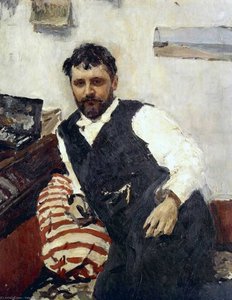
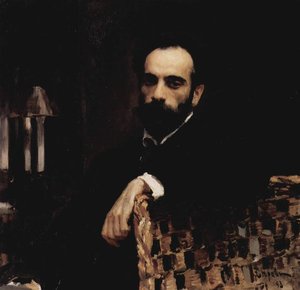
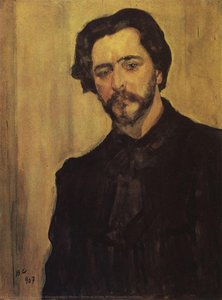
      Serov’s early period is marked by an extraordinary sensitivity to light and atmosphere, evident in works like *Girl with Peaches* (1887) and *Girl Covered by the Sun* (1888). These paintings, now iconic treasures of the Tretyakov Gallery, weren't simply portraits; they were studies in fleeting moments, capturing the ephemeral beauty of childhood. The loose brushwork and vibrant color palette hinted at an Impressionistic sensibility, yet remained firmly rooted in a realist tradition. He wasn’t merely depicting likenesses but conveying a sense of spontaneity and inner life. This ability to capture psychological depth became a hallmark of his style. He absorbed influences from the Old Masters during visits to European museums, studying Rembrandt, Velázquez, and Veronese, learning their techniques for rendering light, shadow, and texture. The artistic colony at Abramtsevo also played a crucial role in his development, exposing him to new ideas and fostering collaborations with fellow artists like Mikhail Vrubel and Konstantin Korovin. These interactions broadened his horizons and encouraged experimentation. His portraits of the 1890s – **Konstantin Korovin**, **Isaac Levitan**, and **Nikolai Leskov** – demonstrate a growing confidence in his ability to convey not just physical appearance but also the intellectual and emotional character of his subjects.

      Navigating Tradition and Modernity: A Shifting Style

      As Serov matured, his artistic style underwent a subtle yet significant transformation. While he continued to receive commissions from Russia’s aristocracy – portraits of Grand Duke Pavel Alexandrovich, S.M. Botkin, and Felix Yusupov attest to this – his approach became more nuanced and psychologically penetrating. He moved away from the purely descriptive towards a deeper exploration of character, often employing a restrained palette dominated by blacks, greys, and browns to emphasize mood and introspection. From 1900 onwards, Serov’s work began to reflect a growing engagement with modernism, though he never fully abandoned his commitment to realism. He became involved with the influential art association *Mir Iskusstva* (“World of Art”), which championed new artistic trends and challenged traditional conventions. This association exposed him to Art Nouveau aesthetics and encouraged experimentation with form and composition. His portrait of **Maxim Gorky** (1904) exemplifies this shift, presenting a powerful and unconventional depiction of the writer as a man of the people. He skillfully balanced his academic training with emerging artistic currents, creating a unique style that was both sophisticated and emotionally resonant.

      Major Achievements and Recognition

      Serov’s career spanned several decades, during which he produced an astonishingly diverse body of work. His portraits are particularly renowned for their psychological insight and technical brilliance. He achieved widespread recognition within Russia and internationally, exhibiting his paintings in major galleries and museums across Europe. His works were celebrated for their ability to capture the essence of his subjects – whether they were members of the aristocracy, intellectuals, or ordinary people – with remarkable sensitivity and detail. Serov’s influence extended beyond his own artistic output; he was also a respected teacher, mentoring numerous young artists who went on to become prominent figures in the Russian art world. His contributions to the Tretyakov Gallery are particularly significant, as he served on its board for many years and helped to expand its collection of Russian art.

      Legacy and Lasting Impact

      Valentin Serov’s untimely death on December 5, 1911, at the age of 46, cut short a brilliant career, but his legacy endures as one of Russia's most important portrait painters. He left behind a body of work that not only captured the likenesses of his contemporaries but also offered profound insights into Russian society and culture at a pivotal moment in history. His ability to combine technical mastery with psychological depth set him apart from his peers, and his paintings continue to captivate audiences today.
      • He bridged the gap between realism and modernism.
      • His portraits offer invaluable glimpses into the lives of Russia’s elite.
      • His influence can be seen in the work of subsequent generations of Russian artists.
      Serov's contribution extends beyond his paintings; he was also a dedicated teacher, shaping the artistic development of numerous students. His commitment to both tradition and innovation ensured that his influence would continue to resonate long after his passing. Exploring Serov’s work is not merely an exercise in art appreciation; it is a journey into the heart of Russian history and culture, offering a window into a world of elegance, intellect, and emotional complexity.

      Minden 289 műmű Valentyin Alekszandrovics Szerov alkotása →