

 Anteprima in scala reale
 Passa alle stampe
 Condividi
 Condividi
 Guida stampabile

 Scarica
 Articoli simili
 Radiografia
 Slideshow
 Statistiche
Giuditta02


Gustav Klimt (1862 – 1918)
Esplora Gustav Klimt (1862-1918): icona simbolo austriaca del Simbolismo e dell'Art Nouveau della Secessione Viennese. Scopri la sua fase dorata, i ritratti sensuali e le opere maestose decorative come 'Il Bacio'.
Judith II (Salome), 1909 - Gustav Klimt - WikiArt.org
“Judith II (Salome)” was created in 1909 by Gustav Klimt in Art Nouveau (Modern) style. Find more prominent pieces of literary painting at Wikiart.org – best visual art database.
WikiArt
Artist: Gustav Klimt
Born on July 14, 1862, in Baumgarten, Austria.
Gustav Klimt was a leading figure in the Vienna Secession movement, and his work continues to captivate art enthusiasts worldwide. Born on July 14, 1862, in Baumgarten, Austria, Klimt was a versatile artist who created numerous iconic works of art.
Style and Media
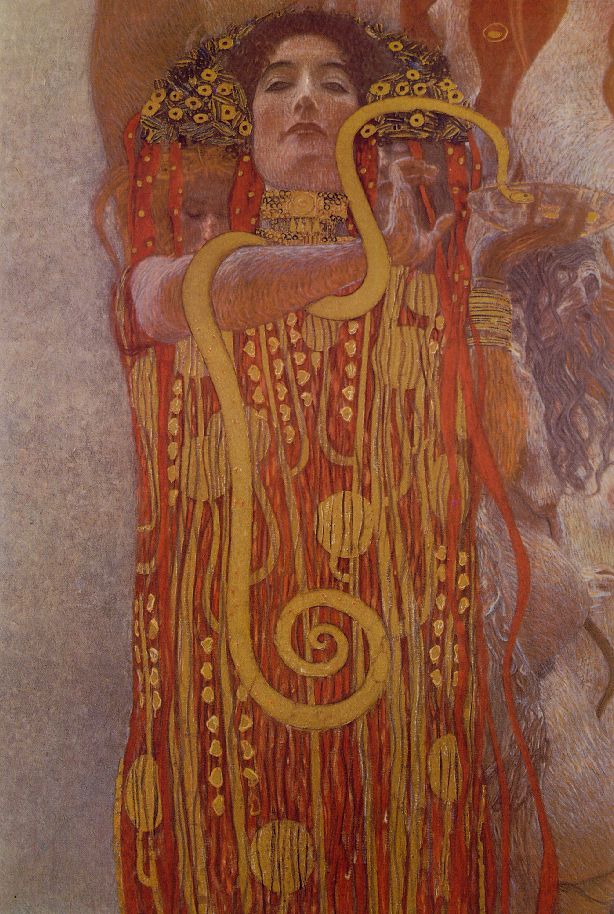
The painting features Judith, a biblical figure who saved her people by seducing and beheading Holofernes, an Assyrian general. Klimt’s use of oil as the primary medium allows for rich textures and vibrant colors, bringing his vision to life. The painting is characterized by its decorative patterns, adding an opulent touch to the piece while highlighting its allegorical nature.
Historical Context
Klimt’s creation coincided with a pivotal moment in Viennese art history—the Vienna Secession—a rebellious movement that challenged academic conventions and championed artistic freedom. Artists like Klimt sought to break away from the rigid rules of the Austro-Hungarian Empire's art establishment, embracing bold experimentation and expressive symbolism.
Symbolism
Judith II embodies several key symbols prevalent in Art Nouveau: eroticism, beauty, and decay. Klimt skillfully employs gold leaf—a hallmark of his “golden phase”—to convey a sense of divine splendor and timelessness, juxtaposed with the vulnerability of the human form.
Technique
Klimt’s meticulous technique involved layering oil paints onto canvas, creating intricate textures and shimmering surfaces. The artist's masterful manipulation of color—particularly the fiery orange-red background—intensifies the dramatic impact of the composition, guiding the viewer’s gaze towards Judith’s expressive face.
Emotional Impact
“Judith II” evokes a profound emotional response through its depiction of female beauty and sensual allure. Klimt's portrayal captures the essence of the femme fatale archetype—a woman whose irresistible charm conceals hidden danger—leaving an indelible mark on the viewer’s imagination.
Featured in:
- Ca' Pesaro - Galleria Internazionale d'Arte Moderna
Size: Unknown
Date: 1909
Additional Research:
Klimt University of Vienna Ceiling Paintings
Up Close With Klimt’s ‘Judith II’
Explore More:
Visit: Gallerix
Informazioni sull'opera
- Titolo: Giuditta02
- Artista: Gustav Klimt
- Anno: 1909
- Formato: Tall
- Stato del copyright: Di pubblico dominio
- Movimento: Art Nouveau
- Tecnica e materiali: Olio su tela
- Periodo: Modern
- Scopo: Opera d'impatto
- Parole chiave: gold leaf , floral motifs , viennese secession
Dettagli rapidi
- Influences: Japanese Art
- Dimensions: 178 x 46 cm
- Movement: Vienna Secession
- Artistic style: Symbolism
- Location: Ca' Pesaro - Galleria Internazionale d'Arte Moderna
- Medium: Oil on canvas
- Artist: Gustav Klimt