


 Anteprima in scala reale
 Condividi
 Condividi
 Dettagli
 Guida stampabile

 Scarica
 Articoli simili
 Radiografia
 Slideshow
 Statistiche
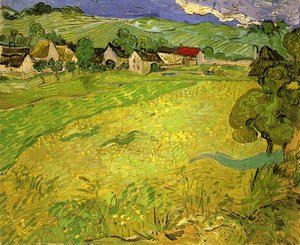
Vista di Vessenots presso Auvers


Un capolavoro di Vincent van Gogh: 'Vista di Vessenots presso Auvers' cattura la bellezza del paesaggio francese con colori vibranti e pennellate espressive. Scopri l'emozione dell'arte!
 Leggi tutto
Vincent van Gogh (1853-1890): Maestro post-impressionista olandese noto per colori audaci, paesaggi emotivi e opere iconiche come 'Notte stellata'. Esplora i suoi girasoli, ritratti e il suo impatto duraturo sull'arte moderna su TopImpressionists.
Riproduzione a olio fatta a mano
Olio su tela dipinto a mano nelle tue dimensioni e con la tua cornice, realizzato su ordinazione dai nostri artisti. ( Passa alle stampe Passa all'immagine digitale)




P118B €10

P118H €10

P118W €10

P438Z €10

P508JH €12

P508YH €12

P805H €10

P805Z €10

P919BZ €10

P919G €10

P919XJ €10

P959ZH €10

P968JZ €12

W106C €8

W218G €10

W218JH €8

W218Y €10

W307PJ €10

W316G €10

W316PJ €8

W316Y €10

W398PJ €8

W4111J €10

W500HY €15

W500JH €15

W692G €12

W849H €8

W940BG €15

W953PJ €8




Standard
personalizzato
CM
INCH
Scegli tra le nostre dimensioni predefinite, che rispettano le proporzioni originali dell'opera d'arte.
Loading sizes...

larghezza
altezza
Inserisci la larghezza e l'altezza di cui hai bisogno, per adattarle alla tua cornice o alla tua parete. Trattandosi di un'opera dipinta a mano, in caso di dimensioni con una forma differente, l'artista può dipingere un po' più oltre i bordi dell'immagine o ritagliare leggermente — la scelta spetta a te. Ti invieremo un mockup digitale da approvare prima che la pittura abbia inizio. L'immagine mostrata in questa pagina non rappresenta il risultato reale — solo il mockup lo fa.
Esempi di personalizzazione: sostituire il volto con una foto del cliente; aggiungere un animale domestico (ad esempio, sostituire un gatto con un cane); inserire un messaggio nascosto nello sfondo; cambiare il paesaggio o gli elementi dello sfondo.
Dopo l'ordine, il team di TopImpressionists.com contatterà il cliente via e-mail per ricevere le istruzioni e fornirà un'anteprima del mockup
Dopo l'ordine, il team di TopImpressionists.com contatterà il cliente via e-mail per ricevere le istruzioni e fornirà un'anteprima del mockup
Consegna in tutto il mondo () in 3/4 settimane anziché nelle normali 5 settimane. (24 Ottobre). Nessun compromesso sulla qualità.

Spedizione espressa gratuita in tutto il mondo

Tela in lino di alta qualità

Assicurazione completa sulla spedizione

Garanzia di rimborso dei dazi doganali

Garanzia di perfetta fedeltà cromatica

Politica di reso entro 100 giorni (solo per difetti di fabbricazione)

Garanzia di rimborso al 100%

Sconto per acquisti multipli
 L'opzione vetro è disponibile solo per dimensioni inferiori a 110 cm

Vista di Vessenots presso Auvers
Tecnica di riproduzione
Dimensioni della riproduzione
-


Prezzo totale
€ 236
Vue de Vessenots Près d'Auvers: A Window Into Rural Turmoil
Vincent van Gogh’s “Vue de Vessenots près d’Auvers” – a deceptively serene landscape depicting the village of Vessenots nestled amongst the rolling hills near Auvers-sur-Oise – is far more than just a picturesque depiction of French countryside. Created in 1890, during a profoundly turbulent period in his life, this oil painting serves as a poignant window into the artist’s emotional state and burgeoning Post-Impressionist style. It's a work brimming with an intensity rarely seen in his earlier works, reflecting both the beauty he perceived in the natural world and the internal struggles that consumed him. The scene itself is remarkably simple: a cluster of modest farmhouses, their thatched roofs punctuating the horizon line against a backdrop of verdant fields and distant trees. Yet, within this apparent tranquility lies a palpable sense of unease, a subtle tension conveyed through Van Gogh’s masterful manipulation of color, brushstroke, and composition. The painting was completed just months before his tragic death in Auvers-sur-Oise, adding layers of melancholy and foreshadowing to its already complex emotional resonance. It's currently housed within the esteemed Musée des Beaux-Arts in Le Havre, France, a testament to its enduring artistic value. This masterpiece captures not merely what Van Gogh saw but how he *felt*, transforming ordinary rural scenery into an expression of profound psychological depth. ### Post-Impressionist Innovation: Color, Texture, and Emotion Van Gogh’s distinctive style is immediately apparent in “Vue de Vessenots.” He abandons the strict realism of earlier art movements, embracing instead an expressive approach that prioritizes conveying emotion over precise representation. Bold swathes of color dominate the canvas – vibrant greens and yellows for the fields, punctuated by the earthy browns and ochres of the houses and trees. These colors aren’t blended smoothly; rather, they are applied in thick, impasto brushstrokes, creating a dynamic surface that seems to vibrate with energy. This technique isn't merely decorative; it’s integral to the painting’s emotional impact. The agitated brushwork mirrors Van Gogh’s own inner turmoil, suggesting a restless spirit and an inability to fully capture or control his experiences. Notice how the sky is rendered with swift, broken strokes of blue and grey – not a uniform expanse, but rather a collection of individual marks that convey movement and instability. This deliberate departure from traditional techniques firmly establishes “Vue de Vessenots” as a pivotal work in the development of Post-Impressionism, paving the way for future generations of artists to explore the expressive potential of color and texture. ### Symbolic Resonance: The Village and the Artist’s State The village itself holds significant symbolic weight. “Vessenots,” meaning “wheat fields,” directly references the agricultural heartland of France – a subject frequently explored by Van Gogh in his later works. However, these aren’t idealized depictions of rural life; instead, they are imbued with a sense of loneliness and isolation. The small, humble houses suggest a quiet existence, yet their placement on the horizon line creates a feeling of distance and detachment. Furthermore, the presence of the horse near the center adds another layer of complexity. It could represent labor, sustenance, or even a symbol of Van Gogh’s own yearning for connection and stability – a desire that remained perpetually out of reach during his final months. Considering the context of Van Gogh's mental health struggles at this time, the painting can be interpreted as an attempt to find solace in nature while simultaneously grappling with profound inner demons. The landscape becomes both a refuge and a mirror reflecting his own fractured state of mind. ### A Legacy of Emotional Intensity: Van Gogh’s Enduring Influence Vincent van Gogh's legacy extends far beyond the beauty of his paintings; he fundamentally altered the course of art history. His willingness to prioritize emotional expression over objective representation, coupled with his innovative use of color and brushstroke, profoundly influenced countless artists who followed him. “Vue de Vessenots près d’Auvers” stands as a prime example of this legacy – a testament to Van Gogh's ability to transform the mundane into the extraordinary, and to imbue his work with an unparalleled depth of feeling. At TopImpressionists.com, we are proud to offer meticulously crafted hand-painted reproductions of this masterpiece, allowing art lovers everywhere to experience the raw emotion and artistic brilliance that define Van Gogh’s genius. To delve deeper into Van Gogh's life and works, we encourage you to visit the Van Gogh Museum in Amsterdam – a truly immersive experience dedicated to celebrating his extraordinary vision.Domande e risposte
A quale fase dello sviluppo di Vincent Willem Van Gogh appartiene "Vista di Vessenots presso Auvers"?
"Vista di Vessenots presso Auvers" appartiene al Late Period della carriera di Vincent Willem Van Gogh. Questa classificazione riconduce l'opera all'evoluzione dell'artista.
In quale stanza si consiglia di esporre "Vista di Vessenots presso Auvers" di Vincent Willem Van Gogh?
"Vista di Vessenots presso Auvers" di Vincent Willem Van Gogh è consigliato per un/una Zona giorno. Questo suggerimento si basa sul soggetto, sui colori e sull'atmosfera dell'opera.
Quanto sono intensi i colori in "Vista di Vessenots presso Auvers" di Vincent Willem Van Gogh?
"Vista di Vessenots presso Auvers" di Vincent Willem Van Gogh mostra un'intensità cromatica Vivace.
Opere correlate




Biografia dell'artista
Vincent van Gogh: Vita, Arte e Eredità
Primi Anni di Vita e Influenze
- Nato il 30 marzo 1853 a Groot-Zundert, nei Paesi Bassi, Vincent Willem van Gogh era il maggiore di sei fratelli.
- Suo padre, Theodorus van Gogh, era un ministro protestante e la sua educazione fu profondamente influenzata dalla religione.
- Gli interessi iniziali includevano il disegno, ma intraprese diverse carriere prima di dedicarsi completamente all'arte. Lavorò come mercante d'arte, insegnante e missionario.
- Influenze Chiave: Le influenze iniziali includevano i maestri olandesi come Rembrandt van Rijn e Frans Hals, nonché i pittori francesi contemporanei Jean-François Millet e Camille Corot.
Sviluppo Artistico e Stile
- Van Gogh iniziò a dipingere seriamente nel 1880, principalmente autodidatta.
- Le sue prime opere si concentravano sulla rappresentazione della vita dei contadini e dei lavoratori, riflettendo la sua empatia per la classe operaia.
- Un trasferimento a Parigi nel 1886 lo espose all'Impressionismo e al Post-Impressionismo, portando a una tavolozza più luminosa e alla sperimentazione con nuove tecniche.
- Stile Distintivo: Van Gogh sviluppò uno stile altamente individuale caratterizzato da colori audaci, pennellate espressive e intensità emotiva. Spesso utilizzava l'impasto – strati spessi di vernice – per creare texture e comunicare emozione.
Periodi Chiave e Opere
- Il Periodo Olandese (1880-1886): Focalizzato su tonalità scure e terrose e rappresentazioni della vita rurale. Opere notevoli includono The Potato Eaters.
- Il Periodo Parigino (1886-1888): Sperimentazione con le tecniche impressioniste e colori più brillanti.
- Il Periodo di Arles (1888-1889): Un periodo di intensa creatività segnato da paesaggi vibranti, ritratti e nature morte. Opere chiave includono Sunflower, The Night Café e Starry Night Over the Rhône.
- Saint-Rémy & Auvers-sur-Oise (1889-1890): Dopo una crisi di salute mentale, Van Gogh entrò volontariamente in un ospedale psichiatrico a Saint-Rémy. Gli ultimi anni della sua vita furono segnati da una continua produzione artistica ma anche da crescente angoscia emotiva. Opere notevoli includono The Starry Night e ritratti del Dottor Gachet.
Realizzazioni Principali e Riconoscimenti
- Nonostante lottasse con la malattia mentale e affrontasse il rifiuto durante la sua vita, Van Gogh creò oltre 2.100 opere d'arte in poco più di un decennio – circa 860 dipinti a olio.
- Il suo lavoro ha avuto una profonda influenza sullo sviluppo dell'arte moderna, in particolare l'Espressionismo e il Fauvismo.
- Fama Postuma: Il riconoscimento è arrivato dopo la sua morte nel 1890. Le sue opere hanno guadagnato popolarità crescente nel corso del XX secolo, diventando alcune delle opere d'arte più riconoscibili e preziose al mondo.
Significato Storico ed Eredità
- L'arte di Van Gogh continua a risuonare con il pubblico di oggi grazie alla sua onestà emotiva, ai colori vivaci e all'espressione potente dell'esperienza umana.
- È considerato uno dei personaggi più importanti nella storia dell'arte occidentale, ispirando generazioni di artisti.
- La sua vita è diventata un simbolo dell'"artista tormentato", sebbene questa narrativa spesso oscuri la sua dedizione, abilità e visione artistica.
- Musei in tutto il mondo, tra cui il Van Gogh Museum ad Amsterdam, espongono le sue opere e celebrano la sua duratura eredità.

Vincent Willem Van Gogh
1853 - 1890 , Paesi Bassi
Informazioni rapide
- Artistic Movement Or Style: Post-Impressionismo
- Artists Or Movements Influenced By This Artist:
- Espressionismo
- Fauvismo
- Artists Who Influenced This Artist:
- Rembrandt
- Millet
- Date Of Birth: 30 marzo 1853
- Date Of Death: 29 luglio 1890
- Full Name: Vincent Willem van Gogh
- Nationality: Olandese
- Notable Artworks:
- Notte stellata
- Girasoli
- La notte del caffè
- Place Of Birth: Zundert, Paesi Bassi
Articoli correlati

The Soul of the Brushstroke: Decoding Van Gogh's Emotional Impasto
Explore the profound emotional depth of Van Gogh's impasto technique. Discover how his sculptural brushstrokes and textured oil layers define Post-Impressionism through an expert art-historical lens, perfect for discerning collectors and fine art enthusiasts.
Esplora le opere d'arte organizzate per temi, stili e caratteristiche.


![Iridi [1889]](/media/artworks/images-thumb/ca/85/ca85582a4fd1dc392efef83ec4dc3124.jpg)

