


 Anteprima in scala reale
 Invia
Invia Condividi
 Dettagli opera
 Guida
Guida

 Scarica
 Simili
 Radiografia
 Slideshow
 Statistiche
Reflections

Explore 'Reflections' by William Merritt Chase – an Impressionist landscape of a Parisian canal scene. Discover shimmering water, soft light & urban charm in this serene oil painting.
William Merritt Chase (1849-1916): pittore impressionista americano e fondatore della Parsons School of Design. Scopri i suoi vibranti ritratti, paesaggi e l'eredità di un artista innovativo!
 Espandi i dettagli
Riproduzione a olio fatta a mano
Olio su tela dipinto a mano nelle tue dimensioni e con la tua cornice, realizzato su ordinazione dai nostri artisti. ( Passa alle stampe Passa all'immagine digitale)




































Formato standard
su misura
CM
INCH
Scegli tra le nostre dimensioni predefinite, che rispettano le proporzioni originali dell'opera d'arte.
Loading sizes...

larghezza
altezza
Inserisci la larghezza e l'altezza desiderate, per adattarle alla tua cornice o alla tua parete. Trattandosi di un'opera dipinta a mano, in caso di dimensioni con un formato differente, l'artista può estendere leggermente il dipinto oltre i bordi dell'immagine o ritagliare una piccola parte — la scelta spetta a te. Ti invieremo un mockup digitale da approvare prima che la realizzazione abbia inizio. L'immagine mostrata in questa pagina non rappresenta il risultato finale — solo il mockup lo fa.
Esempi di ciò che può essere modificato: sostituire il volto con una foto del cliente; aggiungere un animale domestico (ad esempio, sostituire un gatto con un cane); inserire un messaggio nascosto nello sfondo; cambiare il paesaggio o gli elementi dello sfondo.
Dopo l'ordine, il team di TopImpressionists.com contatterà il cliente via e-mail per ricevere le istruzioni e fornirà un'anteprima del mockup
Dopo l'ordine, il team di TopImpressionists.com contatterà il cliente via e-mail per ricevere le istruzioni e fornirà un'anteprima del mockup
Consegna in tutto il mondo () in 3/4 settimane anziché nelle normali 5 settimane. (26 Ottobre). Nessun compromesso sulla qualità.

Spedizione espressa gratuita in tutto il mondo

Tela in lino di alta qualità

Assicurazione completa sulla spedizione

Garanzia di rimborso dei dazi doganali

Garanzia di fedeltà cromatica assoluta

Politica di reso entro 100 giorni (solo per difetti di fabbricazione)

Garanzia di rimborso al 100%

Offerta per acquisti multipli
 L'opzione vetro è disponibile solo per dimensioni inferiori a 110 cm

Reflections
Tecnica di riproduzione
Dimensioni riproduzione
-


Prezzo finale calcolato
€ 236
Opere simili


Biografia dell'artista
William Merritt Chase (1849-1916): Un Protagonista dell'Impressionismo Americano
William Merritt Chase fu una figura chiave nell'arte americana della fine del XIX secolo, riconosciuto sia come un importante esponente dell'Impressionismo che come un influente educatore. Le sue tele vibranti, raffiguranti scene di vita quotidiana, paesaggi e ritratti, catturarono lo spirito di un’America in rapida trasformazione. Oltre ai suoi successi artistici, l'eredità di Chase si estende alla fondazione della Chase School (poi Parsons The New School for Design), che ha plasmato significativamente l'istruzione artistica americana.
Primi Anni e Sviluppo Artistico
- Nascita e Famiglia: William Merritt Chase nacque il 1° novembre 1849 a Williamsburg (oggi Nineveh), Indiana. La sua famiglia si trasferì a Indianapolis nel 1861.
- Primi Studi: Inizialmente lavorò per l'attività di famiglia, Chase dimostrò un vivo interesse per l'arte fin dalla giovane età. Studiò con gli insegnanti locali Barton S. Hays e Jacob Cox, mostrando notevoli promesse.
- Istruzione Formale: Un breve periodo nella Marina lo portò a trasferirsi a New York City nel 1869, dove studiò sotto Joseph Oriel Eaton. Successivamente si iscrisse alla National Academy of Design, imparando da Lemuell Wilmarth, allievo di Jean-Léon Gérôme.
- Difficoltà Finanziarie e St. Louis: Una crisi finanziaria familiare lo costrinse a trasferirsi a Saint Louis, Missouri nel 1870. Lì divenne attivamente coinvolto nella scena artistica locale, ottenendo riconoscimenti per il suo lavoro ed esponendo alla National Academy.
Stile Impressionista e Opere Chiave
- Adozione dell'Impressionismo: Chase adottò uno stile impressionista caratterizzato da pennellate sciolte, un’attenzione alla cattura di momenti fugaci di luce e colore e raffigurazioni della vita contemporanea.
- "Keying Up – The Court Jester" (1876): Quest'opera, esposta al Boston Art Club e alla Philadelphia Centennial Exposition dove vinse una medaglia, è considerata uno dei suoi primi risultati più significativi. Esemplifica la sua capacità di rappresentare movimento e personalità con pennellate energiche.
- Opere Notabili: Il suo corpus comprende ritratti sorprendenti come Ritratto di Virginia Gerson, paesaggi suggestivi come Gowanus Bay (aka Misty Day, Gowanus Bay), e scene che catturano la vivacità della vita urbana, tra cui Alice Fernandez. Altre opere notevoli includono "A Friendly Call," "A Study in Curves," e “Terrace at the Mall, Central Park.”
- Soggetti: Chase raffigurò frequentemente interni domestici, paesaggi urbani vivaci e attività ricreative, riflettendo il suo interesse nel rappresentare la vita americana moderna con un senso di immediatezza e vitalità.
Eredità Didattica e Influenza
- La Chase School: Un pilastro dell'eredità di Chase è la fondazione della Chase School a New York City. Questa istituzione, che in seguito divenne Parsons The New School for Design, ha svolto un ruolo cruciale nel plasmare generazioni di artisti americani enfatizzando l’osservazione diretta, la tecnica e l’innovazione artistica.
- Posizioni Insegnamento: Oltre alla Chase School, tenne posizioni di insegnamento alla Pennsylvania Academy of the Fine Arts, all'Art Students League e alla Brooklyn Art Association, diffondendo ulteriormente la sua filosofia artistica e le sue competenze.
- Influenza su Artisti Successivi: L’enfasi di Chase sull’osservazione diretta e sulla pittura en plein air influenzò numerosi artisti, tra cui Wayman Elbridge Adams, che riconobbe Chase come mentore.
Significato Storico
William Merritt Chase occupa una posizione vitale nella storia dell'arte americana. Ha colmato il divario tra le precedenti tradizioni accademiche e l’emergente movimento impressionista, contribuendo in modo significativo allo sviluppo di un'identità artistica americana distintiva. Il suo impegno nell'insegnamento ha assicurato che il suo approccio innovativo alla pittura continuasse a ispirare generazioni di artisti, consolidando la sua eredità sia come pittore talentuoso che come educatore influente.

William Merritt Chase
1849 - 1916 , Stati Uniti d'America
Dettagli rapidi
- Artistic Movement Or Style: Impressionismo
- Artists Or Movements Influenced By This Artist: ['Wayman Elbridge Adams']
- Artists Who Influenced This Artist: ['Jean-Léon Gérôme']
- Date Of Birth: 1 novembre 1849
- Date Of Death: 1916
- Full Name: William Merritt Chase
- Nationality: Americano
- Notable Artworks:
- Portrait di Virginia Gerson
- Al mare
- Gowanus Bay
- Alice Fernandez
- Keying Up - Il giullare
- Place Of Birth (City And Country): Nineveh, USA
Articoli correlati

Dining Room Elegance: Transforming Your Space with Impressionist Masterpieces
Elevate your dining room with the luminous beauty of Impressionist masterpieces. Discover how hand-painted Claude Monet and Renoir reproductions can transform your space into a sanctuary of light, color, and timeless elegance for your home.

Chasing Light: The Soulful Beauty and Eternal Legacy of Impressionist Landscapes
Discover the soulful beauty of Impressionist landscapes. Explore the mastery of Claude Monet and the revolution of light through expert art history insights and premium, hand-painted oil reproductions designed for discerning collectors.

Capturing the Light of Amsterdam: A Journey Through Impressionist Masterpieces of the Dutch Canals
Embark on a visual journey through the luminous Amsterdam canals. Discover how Impressionist masters captured the fleeting light of the Dutch landscape through evocative brushwork and color. Explore the timeless beauty of these masterpieces for your private art collection.

Capturing the Drama: How Impressionist Light and Shadow Transform Your Living Space
Discover how the luminous light and dramatic shadows of Impressionist masterpieces can transform your home. Explore expert insights on using Renoir, Monet, and Cézanne to create a serene, culturally rich sanctuary through museum-quality, hand-painted oil reproductions.
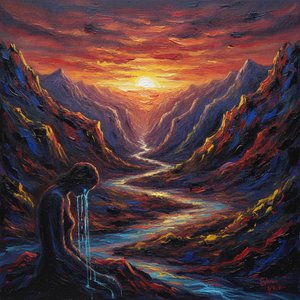
Capturing Emotion: A Journey Through the Soul of Expressionist Landscapes
Explore the profound emotional depth of Expressionist landscapes. Discover how Post-Impressionist masters moved beyond light to capture the soul through vibrant color and form. A curated journey for true art lovers seeking the beauty of expressive mastery.
Esplora le opere d'arte organizzate per temi, stili e caratteristiche.


