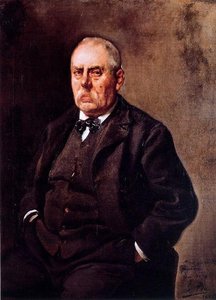
Cecilio Pla y Gallardo: Un Pittore della Spagna Rurale
Cecilio Pla y Gallardo (1860 – 1934) emerse da Valencia, in Spagna, come una figura di spicco nel movimento del Costumbrismo, un genere dedicato a ritrarre la vita quotidiana e i paesaggi della società rurale spagnola. Sebbene rimasto in gran parte inosservato durante la sua vita, l'eredità di Pla persiste attraverso il suo ruolo di insegnante presso l'Accademia di San Fernando e il suo contributo duraturo al patrimonio artistico spagnolo. Le sue tele catturano non solo rappresentazioni visive, ma anche una risonanza emotiva che parla dello spirito di un'epoca ormai lontana.
Primi Anni e Formazione: Nato a Valencia, gli anni formativi di Pla furono segnati dall'influenza di Marià Fortuny, il celebre pittore valenciano che promosse le tecniche impressioniste ed esplorò i temi dell'identità spagnola.
Stile e Tecnica: Lo stile artistico di Pla si orientava fortemente verso il Costumbrismo, privilegiando il realismo combinato con un sottile tocco impressionista. Egli impiegò abilmente tavolozze dai toni smorzati, concentrandosi sulla cattura dell'atmosfera e delle sfumature dei paesaggi rurali, in particolare quelli abitati da donne impegnate in attività domestiche. La sua meticolosa attenzione al dettaglio trasmetteva una profonda comprensione dei suoi soggetti.
Opere Notevoli e Traguardi Artistici
L'opera di Pla comprende numerosi dipinti che esemplificano i principi fondamentali del Costumbrismo. “Retrato de Mujer”, che ritrae una donna serena in un tranquillo scenario rurale, esemplifica la sua capacità di trasmettere emozioni attraverso elementi visivi. Allo stesso modo, "Pintura en paleta" presenta la tavolozza di un artista come sfondo per una scena domestica: una scelta deliberata che riflette la fascinazione di Pla nel catturare l'essenza della vita spagnola e della pratica artistica. “Escondidas”, che mostra quattro donne in uno spazio interno silenzioso, dimostra il suo magistrale controllo dell'armonia tonale e della consistenza delle pennellate.
Il suo lavoro presso l'Accademia di San Fernando consolidò la sua reputazione di educatore, coltivando generazioni di aspiranti artisti che abbracciarono gli ideali impressionisti.
I dipinti di Pla continuano a essere studiati e apprezzati per la loro autenticità e per l'evocativa rappresentazione della vita rurale spagnola, una testimonianza della sua duratura visione artistica.
Influenza ed Eredità
Il contributo di Cecilio Pla y Gallardo al Costumbrismo va oltre le singole opere d'arte; egli sostenne un approccio stilistico che dava priorità alla cattura dello spirito della Spagna. La sua influenza può essere distinta nelle generazioni successive di pittori che cercarono di ritrarre la vita quotidiana con sensibilità e integrità artistica. La dedizione di Pla all'insegnamento ha garantito che i suoi principi artistici venissero diffusi in tutta la Spagna, plasmando la traiettoria dell'educazione artistica spagnola.
Significato Storico
I dipinti di Pla y Gallardo si pongono come inestimabili documenti di un periodo specifico della storia spagnola: la fine del XIX secolo. Essi offrono spunti preziosi sulle usanze sociali, la vita domestica e le sensibilità artistiche prevalenti in quel tempo. Il suo lavoro contribuisce alla narrazione più ampia della diffusione dell'Impressionismo in Europa e della sua adattabilità all'interno della Penisola Iberica.
A cura del team editoriale di TopImpressionists.com
Explore the captivating world of José Gutiérrez Solana, a pivotal Spanish Expressionist painter. Discover his haunting depictions of early 20th-century Spain, influenced by Goya & El Greco. Learn about his key works and lasting legacy.
Esplora l'innovativa pittura di Giuseppe Maria Crespi e la sua rappresentazione della vita quotidiana nella Bologna barocca. Analisi stilistica, contesto storico e eredità artistica con TopImpressionists.
Explore the dramatic world of Spanish Baroque art! Discover masters like Zurbarán & the powerful influence of religious zeal on painting techniques – a guide for collectors and enthusiasts.