Yvonne McKague Housser si erge come una figura monumentale nel tessuto della storia dell'arte canadese, una pittrice le cui pennellate hanno contribuito a definire l'alba del modernismo nella sua terra natale. Nata a Toronto nel 1897, la sua vita e la sua opera rappresentano un ponte tra le rigorose tradizioni accademiche del XIX secolo e lo spirito audace ed sperimentale del XX. Sebbene sia spesso discussa nell'orbita del leggendario Gruppo dei Sette, Housser si è conquistata un'identità distinta grazie alla sua profonda capacità di catturare l'essenza selvaggia del paesaggio canadese, esplorando contemporaneamente le sfumature della forma umana e della composizione astratta. Il suo percorso è stato caratterizzato da una costante evoluzione, muovendosi dalle lezioni strutturate dell'Ontario College of Art fino agli atelier d'avanguardia di Parigi, per poi tornare infine in Canada e lasciare un segno indelebile sia sulla tela che nelle aule scolastiche.
Fondamenta e l'Influenza Parigina
L'anima artistica di Housser è stata forgiata nei prestigiosi corridoide dell'Ontario College of Art, dove studiò tra il 1913 e il 1918. Sotto lo sguardo attento di maestri quali George Agnew Reid e William Cruikshank, padroneggiò i principi fondamentali dell'Impressionismo e del Simbolismo. Questi primi mentori le trasmisero una riverenza per la luce e un profondo rispetto per il mondo naturale; tuttavia, fu la sua ricerca di prospettive internazionali a espandere veramente la sua visione. Un trasformativo anno sabbatico a Parigi, tra il 1921 e il 1922, le permise di immergersi nella leggendaria Académie de la Grande Chaumière e nell'Académie Colarossi. Nella vibrante atmosfera del dopoguerra francese, incontrò l'avanguardia del modernismo europeo, assorbendo tecniche che favorivano il movimento espressivo e la sperimentazione strutturale. Questo periodo di intenso studio infuse la sua opera di una sofisticata comprensione della forma che l'avrebbe successivamente distinta dai suoi contemporanei più puramente rappresentativi.
Un'Eredità di Paesaggio e Luce
Nel corso della sua prolifica carriera, l'opera di Housser è rimasta una testimonianza della grandezza della natura selvaggia canadese. I suoi dipinti sono celebrati per la loro straordinaria versatilità, utilizzando spesso una audace tecnica dell'impasto> che conferisce una qualità tattile e viscerale al panorama. Che stesse ritraendo le vaste vedute dell'Ontario o gli angoli più intimi e silenziosi del paesaggio, il suo lavoro possedeva una risonanza emotiva che trascendeva la mera documentazione. Oltre al paesaggio, le sue esplorazioni nelle opere figurative e nelle composizioni astratte hanno dimostrato un intelletto inquieto, sempre alla ricerca di nuovi modi per interpretare il rapporto tra soggetto e spazio. I suoi contributi non furono solo estetici ma anche istituzionali; come educatrice dedita e membro attivo della Royal Canadian Academy e dell'Ontario Society of Artists, contribuì a coltivare una comunità di artisti che avrebbe plasmato il futuro dell'arte canadese.
Traguardi Artistici e Significato Duraturo
L'importanza di Yvonne McKague Housser risiede nel suo ruolo di pioniera per le donne nelle arti e di architetto chiave del movimento modernista canadese. La sua capacità di navigare nei circoli artistici dell'epoca, dominati dagli uomini, mantenendo al contempo una voce unica e riconoscibile, è nulla meno che straordinaria. Il lavoro della sua vita può essere riassunto attraverso diversi contributi duraturi:
Padronanza della Tecnica: L'integrazione perfetta tra precisione accademica e pennellate moderne ed espressive.
Impatto Educativo: Il suo impegno duraturo nell'insegnamento presso l'Ontario College of Art, coltivando le generazioni successive di talenti canadesi.
Connessione Culturale: Una profonda capacità di tradurre lo spirito aspro e indomito del paesaggio canadese in un sofisticato linguaggio modernista.
Presenza Storica: La sua partecipazione attiva alle principali esposizioni nazionali che hanno contribuito a stabilire un'identità canadese distinta nel dialogo artistico globale.
Guardando indietro alla sua vita secolare, conclusasi nel 1996, vediamo un'artista che non si è limitata ad osservare il mondo che cambiava, ma ha partecipato attivamente alla sua trasformazione attraverso il potere del colore e della visione.
A cura del team editoriale di TopImpressionists.com
Quiz d'arte
Per ogni domanda è presente una sola risposta corretta.
Domanda 1:
Quale movimento artistico influenzò profondamente lo stile pittorico di Yvonne McKague Housser, enfatizzando l'osservazione della natura e l'uso di colori audaci?
Domanda 2:
Dove Yvonne McKague Housser studiò principalmente durante la sua formazione artistica?
Domanda 3:
Quale tecnica pittorica caratterizza spesso le opere di Yvonne McKague Housser, ottenendo superfici texture e colori intensi?
Domanda 4:
Yvonne McKague Housser fu membro della quale importante istituzione artistica canadese?
Domanda 5:
Quale artista influì sullo stile di Yvonne McKague Housser, ispirandola a rappresentare il paesaggio canadiense con una visione innovativa?
Esplora la vita e l'opera di George Agnew Reid, figura chiave della pittura canadese. Analisi approfondita del suo stile impressionista, la ricerca dell'identità nazionale e il contributo all'arte del Canada.
Trasforma i vostri ricordi in un'eredità senza tempo con i ritratti di famiglia su misura di TopImpressionists. Creiamo splendide riproduzioni a olio fatte a mano da maestri esperti, garantendo autenticità, lusso e una qualità impeccabile per il vostro patrimonio familiare.
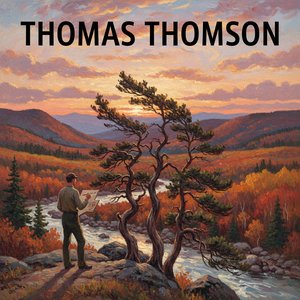
Explore the evocative landscapes of Tom Thomson, a pivotal figure in Canadian art & precursor to the Group of Seven. Discover his bold style, lasting legacy, and profound impact on shaping a national artistic identity.