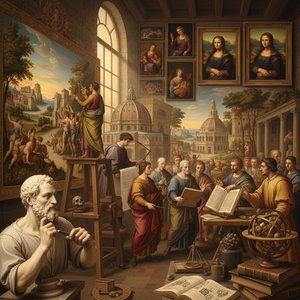
Palazzo Quirinale: A Symphony of History and Art
The Palazzo Quirinale stands as a testament to centuries of Italian grandeur—a repository of artistic achievement that narrates an epic tale spanning from the Etruscan origins to the present day. Located on Monte Cavallo, Rome’s highest hill, this monumental building is more than just stone and mortar; it embodies the spirit of Italy's evolution through time, offering visitors a profound journey into its cultural heritage. Its walls have witnessed papal triumphs, royal coronations, and republican revolutions—each era leaving an indelible mark on its opulent interiors and sprawling gardens.
### Origins: From Etruscan Roots to Papal Residence
The Quirinal Hill’s history stretches back millennia, inhabited by Etruscans who erected temples dedicated to deities like Jupiter Optimus Maximus and Juno Regina. The Roman Republic recognized the hill's sacred significance, establishing a temple for Jupiter Capitolinus—a symbol of Rome’s religious identity that continues to resonate today. Following the establishment of the Empire, emperors chose the Quirinale as their summer palace, solidifying its role as a focal point of power and prestige. The palazzo’s transformation into papal residence began in 1574 with Pope Gregory XIII, who commissioned Domenico Fontana to construct a magnificent villa—a symbol of papal authority and artistic ambition.
### Architectural Marvel: A Blend of Renaissance Grandeur and Baroque Splendor
Fontana's design incorporated classical principles—symmetry, proportion, and monumental scale—creating a harmonious edifice that reflected the ideals of the Renaissance. Subsequent architects, including Carlo Maderno and Gian Lorenzo Bernini, embellished the palazzo with baroque flourishes—elaborate ornamentation, dramatic curves, and opulent frescoes—demonstrating the artistic dynamism of the Baroque period. The palazzo’s façade is adorned with sculptures by Alessandro Scipione Borghese and Francesco Borroméo, reflecting the taste for classical sculpture that prevailed during the Renaissance.
### Treasures Within: A Celebration of Artistic Heritage
The Palazzo Quirinale houses an unparalleled collection of artworks—spanning from ancient Roman sculptures to masterpieces of Renaissance and Baroque painting. Among its most celebrated treasures are frescoes by Raffaello Sanzio da Urbino and Michelangelo Buonarroti, depicting biblical scenes and mythological narratives. The Sala degli Specchi, designed by Carlo Maderno, is a dazzling display of gilded mirrors and stucco decoration—a symbol of papal magnificence and artistic innovation. Furthermore, the palazzo’s gardens offer panoramic vistas over Rome—a tranquil oasis amidst the city's bustling streets—and host seasonal exhibitions showcasing contemporary art alongside its historic collections.
### A Living Legacy: Palazzo Quirinale Today
Today, Palazzo Quirinale serves as the official residence of the President of the Italian Republic—a symbol of continuity and stability amid Italy’s turbulent history. Its halls continue to inspire artists and scholars alike—a testament to its enduring cultural significance. Visiting Palazzo Quirinale is an immersive experience—a chance to step back in time and contemplate the legacy of Rome's artistic heritage—a journey that will leave you captivated by its beauty and enriched by its profound historical narrative.