アトリエ — 世界中へ送料無料 — お届けまで2〜6週間
      Alexandre de Riquer, 1856 – 1920

      Alexandre de Riquer:最も有名な名作38選

      Alexandre de Riquerの全作品の中で最も有名なのはComposition with Winged Nymph Blowing Amongst Reeds (1887)であり、バルセロナのカタルーニャ国立美術館に展示されています。 それに次いで、Composition with winged nymph at sunrise (1887)とUntitled (970)が続きます。 当カタログに含まれるAlexandre de Riquerの38点の作品のうち、これら38点は最も名高い作品であり、制作年、所蔵美術館、そしてその背景となる物語とともにご紹介します。

      各作品の検索数、閲覧数、および注文数を組み合わせた当サイトの人気スコアに基づきランキングを作成しています。最終更新:10月 2026 このページに掲載されている各作品は、リネンキャンバスに手描きで制作する油彩複製画、またはご希望のサイズに合わせて作成するファインアートプリントとしてご注文いただけます。

      Alexandre de Riquerの肖像画
      Alexandre de Riquer · 1856 – 1920
      生没年
      1856 – 1920, Catalonia
      カタログ掲載作品
      38
      最も有名な
      Composition with Winged Nymph Blowing Amongst Reeds (1887)
      最多収蔵館
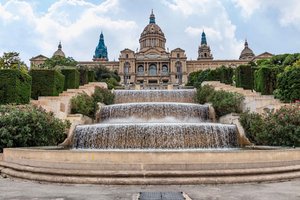
      カタルーニャ国立美術館

      Alexandre de Riquerの最も有名な名作10選

      Alexandre de Riquer の絵画ランキング 11位〜38位

      Alexandre de Riquerのキャンバス、時代ごとに

      Mature Period

      3作品がこのリストに含まれています

      Late Medieval

      3作品がこのリストに含まれています

      Alexandre de Riquer の代表作

      これらのキャンバスに最も頻繁に描かれた4つの主題と、それぞれの代表作。

      Alexandre de Riquerのキャンバスが飾られる場所

      このページに掲載されている絵画を最も多く所蔵している 2 の美術館

      美術館 都市 Alexandre de Riquerの作品 このリストの絵画
      カタルーニャ国立美術館, バルセロナカタルーニャ国立美術館 バルセロナ 2 Composition with Winged Nymph Blowing Amongst Reeds, Composition with winged nymph at sunrise
      Biblioteca Museu Víctor Balaguer, ViladecansBiblioteca Museu Víctor Balaguer Viladecans 1 Untitled (607)

      年ごとの変遷:Alexandre de Riquerの最も名高い名画たち

      1887年のAlexandre de Riquerによるすべての作品がこのページに掲載されています。有名な作品から順にご紹介します。

      1. 1887
      2. 1887

      Alexandre de Riquerの絵画に関するよくあるご質問

      Alexandre de Riquerの最も有名な作品は何ですか?回答を読む

      Composition with Winged Nymph Blowing Amongst Reeds (1887)(カタルーニャ国立美術館, バルセロナ)。続いてComposition with winged nymph at sunrise (1887)、Untitled (970)が続きます。

      Composition with Winged Nymph Blowing Amongst Reedsの制作当時、Alexandre de Riquerは何歳でしたか?回答を読む

      1856年に生まれたAlexandre de Riquerは31歳でした:Composition with Winged Nymph Blowing Amongst Reedsは1887年の作品です。

      Alexandre de Riquerの最も有名な10作品は何ですか?回答を読む

      Composition with Winged Nymph Blowing Amongst Reeds, Composition with winged nymph at sunrise, Untitled (970), Untitled (985), Untitled (176), Untitled (493), Untitled (435), Untitled (715), Untitled (540) と Untitled (413)。上記のランキングに掲載されている各キャンバスには、制作年と所蔵美術館が記載されています。

      Alexandre de Riquerによる作品は何点知られていますか?回答を読む

      Alexandre de Riquerによる作品が38点、カタログに掲載されています。

      Alexandre de Riquerの代表的な作品は、どの美術館に収蔵されていますか?回答を読む

      主にカタルーニャ国立美術館 (バルセロナ) と Biblioteca Museu Víctor Balaguer (Viladecans)に所蔵されています。上記のリストには、各美術館とその所蔵作品が記載されています。

      Alexandre de Riquerが最も有名な作品を描いたのは、何年頃でしょうか?回答を読む

      このページに掲載されている全38作品のうち、2作品が1887の作品であり、その中にはComposition with Winged Nymph Blowing Amongst Reedsが含まれます。

      Alexandre de Riquerの絵画に最も頻繁に登場する主題は何ですか?回答を読む

      このページに掲載されている38点の作品におけるWoman figure (2) と Catalan art (2)

      カタルーニャ国立美術館でAlexandre de Riquerの作品を見るには?回答を読む

      カタルーニャ国立美術館, バルセロナには、このページに掲載されている作品のうち2点が所蔵されており、その中にはComposition with Winged Nymph Blowing Amongst Reeds と Composition with winged nymph at sunriseも含まれています。

      Alexandre de Riquerの絵画の手描き複製画を注文することはできますか?回答を読む

      はい。このページに掲載されているすべての絵画は、各作品の個別ページから、手書きの油彩複製画、またはお好みのサイズでのファインアートプリントとしてご注文いただけます。

      Alexandre de Riquer:画家の物語

      A Life Woven in Art and Intellect

      Alexandre de Riquer i Ynglada, 7th Count of Casa Dávalos, was more than just an artist; he embodied a confluence of aristocratic lineage, intellectual curiosity, and artistic innovation that defined the Catalan Modernisme movement. Born in Calaf, Catalonia, in 1856, his life unfolded against a backdrop of political tension – his father, Martí de Riquer, being a prominent Carlist leader – yet was simultaneously nurtured by a mother, Elisea Ynglada, who fostered a deep appreciation for art and literature within the family. This duality shaped Riquer’s path, imbuing him with both a sense of tradition and a restless desire to forge new artistic expressions. His early education in France, first in Béziers and later at the School of Fine Arts in Toulouse, provided a foundational grounding in French artistic traditions, but it was his return to Barcelona and studies at La Llotja that truly ignited his creative spirit under the mentorship of figures like Tomas Padro, Claudi Lorenzale, and particularly Antoni Caba.

      The Blossoming of a Multifaceted Talent

      Riquer’s artistic journey wasn't confined to a single medium; it was characterized by an extraordinary versatility. He didn’t simply paint or illustrate – he designed jewelry, created decorative programs for events, embellished furniture, and even ventured into ceramic painting. This expansive approach stemmed from a belief in the interconnectedness of art forms and a desire to elevate the aesthetic quality of everyday life. His initial foray into the professional world came through collaboration with Apel·les Mestres, contributing ornamental lettering and cover illustrations that marked the beginning of his prolific career. However, it was a pivotal trip to London in 1894 that irrevocably altered the course of his artistic development. Encountering the Pre-Raphaelites sparked a profound shift in his style, introducing him to a world of romantic narratives, meticulous detail, and symbolic depth. Simultaneously, he became captivated by Japanese art and the burgeoning field of modern poster design, viewing both as avenues for revitalizing graphic arts and imbuing them with new artistic significance. He saw these influences not merely as stylistic choices but as part of a larger “missionary undertaking” to elevate the aesthetic standards of visual communication.

      A Master of Graphic Design and Beyond

      The sheer breadth of Riquer’s output is astonishing. He produced an extensive body of work encompassing posters, etchings, illustrations for books and magazines, certificates, postcards, stamps, menus, sheet music, business cards, and exquisitely crafted bookplates – over 142 documented articles between 1900 and 1924 alone attest to his relentless creativity. His posters, in particular, garnered international recognition, with two featured in the prestigious collection *Les Maîtres de l'Affiche*, solidifying his reputation as a leading figure in poster art. But Riquer’s talents extended beyond the purely visual realm; he was also a gifted writer and poet, contributing to literary publications and demonstrating a remarkable ability to seamlessly blend artistic disciplines. His work *Los Estudiants de Tolosa* (1886), for example, showcases his lyrical sensibility and deep connection to Catalan folklore. He wasn’t simply illustrating stories; he was actively shaping the cultural narrative of Catalonia through both image and word.

      Legacy and Enduring Influence

      Alexandre de Riquer's contributions were integral to defining the aesthetic and intellectual character of Modernisme in Catalonia, a movement that sought to reclaim and celebrate Catalan identity during a period of significant social and political change. His ability to synthesize diverse influences – from Pre-Raphaelite romanticism and Japanese aesthetics to Art Nouveau’s flowing lines and symbolic imagery – resulted in a uniquely personal style that resonated deeply with his contemporaries. Following his death in 1920, his extensive library and collections were thoughtfully acquired by the Barcelona Museums and the National Library of Catalonia, ensuring the preservation of his legacy for generations to come. Riquer’s work continues to inspire artists and designers today, serving as a testament to the power of artistic versatility, intellectual curiosity, and a unwavering commitment to cultural expression. He remains a pivotal figure in Catalan art history, a symbol of an era when art was not merely decoration but a powerful force for social and cultural renewal. His influence can still be felt in contemporary design and illustration, reminding us of the enduring beauty and relevance of his artistic vision.