アトリエ — 世界中へ送料無料 — お届けまで2〜6週間
      John Smart, 1741 – 1811

      最も有名なJohn Smartの名画43選、ランキング

      John Smartの最も愛されている作品はSir William Hood (1766)で、ニューヨークのメトロポリタン美術館に展示されています。 読者に最も親しまれている名画の次には、Baron Gustaf Adam von Nolcken (1775)とPortrait of a Gentleman (1766)が続きます。 John Smartによる40点の作品を掲載しています。ここでは、制作年、所蔵美術館、そしてその作品の魅力とともに、最も有名な43点をご紹介します。

      各作品の検索数、閲覧数、および注文数を組み合わせた当サイトの人気スコアに基づきランキングを作成しています。最終更新:11月 2026 このページに掲載されている各作品は、リネンキャンバスに手描きで制作する油彩複製画、またはご希望のサイズに合わせて作成するファインアートプリントとしてご注文いただけます。

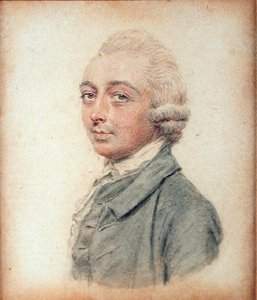
      John Smartの肖像画
      John Smart · 1741 – 1811
      生没年
      1741 – 1811, Norfolk
      ムーブメント
      Neoclassicism
      カタログ掲載作品
      40
      最も有名な
      Sir William Hood (1766)
      最多収蔵館
      イェール英国美術館

      John Smartの名作トップ10:誰もが知る名画たち

      Sir William Hood (1766) による John Smart
      1

      Sir William Hood

      1766 · Ivory · メトロポリタン美術館, ニューヨーク

      The portrait titled Sir William Hood is a work by the British artist John Smart. Born in Norfolk, Smart captured this sitter in a moment of quiet, aristocratic poise. The image presents a man of status, his presence defined by the sharp contrast of a white cravat against a deep crimson waistcoat. It is a study of a single life held within a small, oval frame.

      Baron Gustaf Adam von Nolcken (1775) による John Smart
      2

      Baron Gustaf Adam von Nolcken

      1775 · Watercolor · 国立美術館, ストックホルム

      To hold this miniature is to hold a fragment of the Georgian era, a quiet encounter with Baron Gustaf Adam von Nolcken. Painted in 1775, the portrait captures the Swedish diplomat in a moment of composed dignity. He is presented in a three-quarter view, his gaze steady and his expression carrying the weight of his station. The subject is framed within an oval gold-toned locket, an intimate scale that demands…

      手描き油彩複製画: $178 28 × 36 cm
      Portrait of a Gentleman (1766) による John Smart
      3

      Portrait of a Gentleman

      1766 · Watercolor · イェール英国美術館, ニューヘイブン

      is a portrait miniature executed by the British artist John Smart. Dating to 1766, the work captures a single gentleman from the mid-18th century. It represents a period of significant technical development in the art of the miniature, focusing on the intimate scale of the individual subject.

      手描き油彩複製画: $178 26 × 39 cm
      Portrait of an Elderly Lady (1767) による John Smart
      4

      Portrait of an Elderly Lady

      1767 · Gouache · イェール英国美術館, ニューヘイブン

      In the Portrait of an Elderly Lady by John Smart, the subject is captured in a centered, bust-length view within a delicate oval format. The perspective is a direct, eye-level gaze that invites a sense of closeness. She sits against a neutral, olive-toned background, a quiet space that allows her presence to remain the singular focus. Her expression is serene and slightly pleasant, carrying a weight of quiet wisdom through…

      手描き油彩複製画: $178 27 × 37 cm
      Captain Marriott (1777) による John Smart
      5

      Captain Marriott

      1777 · Watercolor · イェール英国美術館, ニューヘイブン

      This 1777 portrait miniature, titled Captain Marriott, presents an intimate oval-shaped bust-length depiction of a young man in profile. Facing left, the subject is rendered with a calm and dignified expression that conveys a sense of quiet nobility or military poise. The composition is characterized by a vibrant, saturated red coat that stands in sharp contrast to the crisp white of his cravat and powdered hair. A soft, neutral greyish-brown…

      手描き油彩複製画: $178 25 × 40 cm
      Portrait of a Gentleman (1773) による John Smart
      6

      Portrait of a Gentleman

      1773 · Watercolor · イェール英国美術館, ニューヘイブン

      To hold this miniature is to encounter a moment of poised dignity from 1773. The subject, a young man captured in a three-quarter view, gazes out with a calm expression that suggests a life of composure. He is framed within an oval composition, a choice that focuses the viewer entirely on the subtle nuances of his features and the texture of his attire. There is an immediate sense of presence…

      手描き油彩複製画: $178 27 × 37 cm
      Robert, first Baron Clive of Plassey (1776) による John Smart
      7

      Robert, first Baron Clive of Plassey

      1776 · Gouache · イェール英国美術館, ニューヘイブン

      This portrait of Robert, first Baron Clive of Plassey, was executed by the artist John Smart in 1776. The work presents the subject as a middle-aged man positioned in a bust-length view. He is depicted wearing military attire, which includes a red jacket with deep blue lapels. Gold embroidery adorns the edges of the lapels. A white cravat and a powdered wig frame the face of the subject.

      手描き油彩複製画: $178 26 × 38 cm

      John Smartのキャンバスをもっと見る、11から43まで

      John Smart の代表作

      これらのキャンバスに最も頻繁に描かれた4つの主題と、それぞれの代表作。

      John Smartのキャンバスが飾られる場所

      このページに掲載されている絵画を最も多く所蔵している 4 の美術館

      美術館 都市 John Smartの作品 このリストの絵画
      イェール英国美術館, ニューヘイブンイェール英国美術館 ニューヘイブン 10 Portrait of a Gentleman, Portrait of an Elderly Lady, Captain Marriott
      国立美術館, ストックホルム国立美術館 ストックホルム 8 Baron Gustaf Adam von Nolcken, John Smart Junior, the artists son, Lady Deering
      クリーブランド美術館, クリーブランドクリーブランド美術館 クリーブランド 5 Portrait of Constantine Phipps, Portrait of Mrs. Nathaniel Bailey, née Lamack, Portrait of an Officer
      メトロポリタン美術館, ニューヨークメトロポリタン美術館 ニューヨーク 4 Sir William Hood, Mrs. Comyns, Mrs. Caroline Deas

      John Smartが各年代に遺した、最も愛される名画

      1. 1760s
        Sir William Hood (1766) による John Smart
        43作品中、第1位

        Sir William Hood

        年齢 19歳 – 28歳 · メトロポリタン美術館

        The portrait titled Sir William Hood is a work by the British artist John Smart. Born in Norfolk, Smart captured this sitter in a moment of quiet, aristocratic…

      2. 1770s
        Baron Gustaf Adam von Nolcken (1775) による John Smart
        43作品中、第2位

        Baron Gustaf Adam von Nolcken

        年齢 29歳 – 38歳 · 国立美術館

        To hold this miniature is to hold a fragment of the Georgian era, a quiet encounter with Baron Gustaf Adam von Nolcken. Painted in 1775, the portrait captures…

      3. 1780s
        Portrait of a Man (1786) による John Smart
        43作品中、第15位

        Portrait of a Man

        年齢 39歳 – 48歳 · クリーブランド美術館
      4. 1790s

      John Smartのキャンバスについて:よくあるご質問

      John Smartの最も有名な作品は何ですか?回答を読む

      Sir William Hood (1766)(メトロポリタン美術館, ニューヨーク)。続いてBaron Gustaf Adam von Nolcken (1775)、Portrait of a Gentleman (1766)が続きます。

      Sir William Hoodが描かれたとき、John Smartは何歳でしたか?回答を読む

      1741年に生まれたJohn Smartは25歳でした:Sir William Hoodは1766年の作品です。

      John Smartによる最も有名な絵画10選は?回答を読む

      Sir William Hood, Baron Gustaf Adam von Nolcken, Portrait of a Gentleman, Portrait of an Elderly Lady, Captain Marriott, Portrait of a Gentleman, Robert, first Baron Clive of Plassey, John Smart Junior, the artists son, Portrait of Constantine Phipps と Portrait of a Lady。上記のランキングに掲載されている各キャンバスには、制作年と所蔵美術館が記載されています。

      John Smartは合計で何点の作品を描きましたか?回答を読む

      John Smartによる作品が40点、1760年から1799年にかけてのものがカタログに掲載されています。

      John Smartの最も有名なキャンバス作品はどこで見ることができますか?回答を読む

      主にイェール英国美術館 (ニューヘイブン), 国立美術館 (ストックホルム) と クリーブランド美術館 (クリーブランド)に所蔵されています。上記のリストには、各美術館とその所蔵作品が記載されています。

      John Smartが最も愛される名作を描いたのはいつでしょうか?回答を読む

      このページに掲載されている全43作品のうち、9作品が1770sの作品であり、その中にはBaron Gustaf Adam von Nolckenが含まれます。

      John Smartの初期と後期の代表的なキャンバス画はどれですか?回答を読む

      ここにある最も古いキャンバスはMrs. Comyns (1760)、最も新しいものはPortrait of Lieutenant General Daniel Burr (1799)です。

      John Smartが最も多く描いたモチーフは何ですか?回答を読む

      このページに掲載されている43点の作品におけるMan (6), White cravat (4) と Red coat (3)

      John Smartが最も多く用いた画材は何ですか?回答を読む

      このページに掲載されている全43作品のうち、4作品にWatercolorが使用されています。

      John Smartの作品は、どの芸術運動に属していますか?回答を読む

      このページに並ぶキャンバスが示す通り、Neoclassicism

      イェール英国美術館に展示されているJohn Smartのキャンバスは?回答を読む

      イェール英国美術館, ニューヘイブンには、このページに掲載されている作品のうち10点が所蔵されており、その中にはPortrait of a Gentleman, Portrait of an Elderly Lady と Captain Marriottも含まれています。

      John Smartのキャンバス画の複製を購入することはできますか?回答を読む

      はい。このページに掲載されているすべての絵画は、各作品の個別ページから、手書きの油彩複製画、またはお好みのサイズでのファインアートプリントとしてご注文いただけます。

      John Smart:絵画に刻まれた生涯

      A Legacy in Miniature

      In the delicate, luminous world of eighteenth-century British portraiture, few names evoke the same sense of intimate precision as John Smart. A master of the miniature, Smart possessed the rare ability to compress the grandeur of the Georgian era into tiny, ivory canvases that felt as vast and profound as the souls they depicted. While his physical works were small enough to be held in the palm of a hand, the impact of his artistry was monumental, bridging the gap between the formal rigidity of classical portraiture and the burgeoning emotional depth of the Romantic movement.

      Born in Norfolk, United Kingdom, Smart’s early life remains somewhat shrouded in the soft mists of history, yet the traces of his development reveal an artist deeply connected to the pulse of English art. His talent was evident from a young age; in 1755, he was recorded as a runner-up in a drawing competition for under-fourteens held by the Society for the Encouragement of Arts, Manufactures and Commerce. This early recognition led him to London, where he attended the drawing school of William Shipley alongside other notable contemporaries like Richard Cosway.

      Technical Mastery and the Luminous Glow

      To gaze upon a true John Smart miniature is to witness a masterclass in light and texture. His technique was nothing short of alchemy, often employing the grisaille method—a sophisticated process where a monochrome underpainting establishes the foundational shadows and structural tones. Upon this skeletal framework, he applied incredibly thin, translucent glazes of color. This layering allowed light to pass through the pigment and reflect off the white ivory base, creating an ethereal, inner glow that seemed to emanate from within the subject itself.

      Unlike some of his contemporaries, such as Cosway, whose work often leaned toward a more flamboyant style, Smart’s approach was characterized by a quiet, grey-toned palette and subtle flesh tints. He possessed a profound knowledge of anatomy, ensuring that his portraits were drawn with greater anatomical accuracy than almost any other miniature painter of his era. His ability to use fine white lines over loose brushstrokes to suggest individual hairs or the delicate stippling of a face provided a degree of warmth and depth that was truly unique.

      A Journey Through Art and Empire

      Smart’s career was marked by both professional leadership and geographical exploration. He exhibited at the Society of Artists in London from 1762 onwards, eventually ascending to the position of president in 1778. His reach extended far beyond the borders of England; in 1788, he traveled to India, where he was based in Madras. During this period, he obtained numerous commissions, creating works that captured the essence of his subjects even while far from his London roots.

      The historical significance of his work is preserved through remarkable collections, such as the Starr collection at the Nelson-Atkins Museum of Art, which includes a signed and dated miniature for nearly every year of his career. This chronological record allows scholars to witness the full progression of his style and the changing fashions of the period. Through his meticulous dedication to the art of the miniature, John Smart left behind a window into human truth, capturing the quiet, psychological nuances of the Georgian age.