

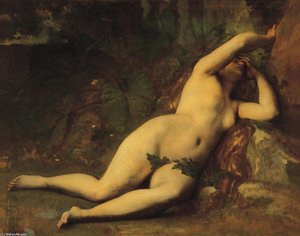
アレクサンドル・カバネルの全作品の中で最も有名なのは堕天使 (1847)であり、モンペリエのミュゼ・ファーブルに展示されています。 それに次いで、The Birth of Venus (1863)とCleopatra Testing Poisons on Condemned Prisoners (1887)が続きます。 当カタログに含まれるアレクサンドル・カバネルの109点の作品のうち、これら100点は最も名高い作品であり、制作年、所蔵美術館、そしてその背景となる物語とともにご紹介します。
各作品の検索数、閲覧数、および注文数を組み合わせた当サイトの人気スコアに基づきランキングを作成しています。最終更新:10月 2026 このページに掲載されている各作品は、リネンキャンバスに手描きで制作する油彩複製画、またはご希望のサイズに合わせて作成するファインアートプリントとしてご注文いただけます。


Alexandre Cabanel’s *The Birth of Venus*, completed in 1863, stands as a cornerstone of French academic art—a testament to the artistic conventions and aspirations that dominated the mid-nineteenth century. Now residing within the hallowed halls of the Musée d'Orsay, this monumental canvas transcends mere depiction; it embodies an idealized vision of beauty rooted in classical mythology and executed with unparalleled mastery.

To stand before Alexandre Cabanel's Cleopatra Testing Poisons on Condemned Prisoners is to step directly into the opulent, dramatic heart of nineteenth-century academic painting. This monumental oil on canvas, executed in 1887, is not merely a depiction of an ancient scene; it is a meticulously crafted tableau vivant, saturated with the grandeur and theatricality characteristic of its era. Cabanel masterfully transports us to a world where myth, power, and fatal…

To gaze upon Alexandre Cabanel's depiction of Paradise Lost is to step directly into the crucible moment of human history, rendered with breathtaking academic grandeur. This painting captures not merely a biblical narrative, but the raw, agonizing instant where innocence fractures against divine law. The scene pulses with dramatic energy; Adam and Eve, figures stripped bare both literally and metaphorically, are caught in the aftermath of transgression. One can almost…

Alexandre Cabanel’s “John the Baptist” is not merely a painting; it’s an immersive experience, a carefully constructed tableau of biblical drama rendered with the meticulous precision and emotional depth characteristic of 19th-century Academic Classicism. Completed in 1849, this monumental oil on canvas, currently residing within the Musée Fabre in Montpellier, France, transcends its historical subject matter to become a timeless meditation on faith, repentance, and the arrival of a transformative…

Alexandre Cabanel’s “Portrait of Miss Fanny Clapp,” painted in 1881, is more than a simple likeness; it's a meticulously crafted distillation of the academic ideals that defined French art during the Second Empire. The painting immediately draws the eye with its serene composure and the subtle elegance of its subject, yet beneath this surface lies a complex interplay of light, shadow, and symbolic detail, inviting contemplation long after the initial…


Alexandre Cabanel’s *Madame Carette*, painted in 1868, is more than just a depiction of a woman; it’s a carefully constructed tableau of Victorian elegance and restrained emotion. Executed during a pivotal moment in French art history – the final years of Cabanel's tragically short career – this work exemplifies the artist’s dedication to classical ideals and his ability to imbue even seemingly simple subjects with profound psychological depth. The painting…

Mary Victoria Leiter (1870–1906), Lady Curzon: A Portrait of Victorian Idealism Alexandre Cabanel’s “Mary Victoria Leiter (1870–1906), Lady Curzon” stands as a quintessential exemplar of French Academic painting—a genre dedicated to meticulous realism and idealized beauty, firmly rooted in classical traditions. Completed in 1887, this monumental canvas embodies the Victorian fascination with moral virtue and aristocratic refinement, capturing the serene dignity of Mary Leiter, wife of Lord Curzon Bahadur, Viceroy…

A Moment Frozen in Time: Alexandre Cabanel’s “Death of Francesca da Rimini” Alexandre Cabanel's "Death of Francesca da Rimini and Paolo Malatesta," completed in 1870, stands as a quintessential exemplar of Academic Art—a movement dedicated to upholding classical ideals of beauty and proportion. More than just a depiction of Dante Alighieri’s tragic tale, this monumental canvas delves into the profound exploration of grief, love, and mortality, cementing Cabanel's place among…

Alexandre Cabanel’s “Portrait of Victor Massé,” painted in 1847, is more than just a likeness; it's a meticulously crafted distillation of the ideals and aesthetic sensibilities that defined…
この光を、あなたの暮らしに。 →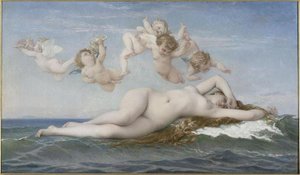
In the grand tapestry of nineteenth-century French art, few canvases capture the ephemeral essence of beauty as profoundly as Alexandre Cabanel’s The Birth of Venus. Completed in 1863,…
この光を、あなたの暮らしに。 →
In the grand tradition of French Academicism, Alexandre Cabanel’s Samson and Delilah stands as a breathtaking study of human vulnerability and the intoxicating power of betrayal. The canvas…
この光を、あなたの暮らしに。 →
In the quietude of Alexandre Cabanel’s 1874 masterpiece, The Nymph Echo, we encounter more than a mere landscape; we enter a sanctuary of profound introspection. The painting presents…
このキャンバスを注文する →
Fallen Angel (study) is an artwork by Alexandre Cabanel. Created about 1846, this piece represents a significant moment in the artist's early development. The work emerged from the…
手描きで制作する →
Alexandre Cabanel’s “La Chiaroscuro”: A Portrait of Elegance Rooted in Classical Tradition Subject Matter: Alexandre Cabanel's "La Chiaroscuro" depicts a woman—likely intended to represent Marie Alexandrine Louise Bonaparte,…
このキャンバスを注文する →
A Symphony of Myth and Mastery: Alexandre Cabanel’s “The Birth of Venus” The Salon of 1863 witnessed an explosion of artistic fervor, dubbed the "Salon of the Venuses,"…
この光を、あなたの暮らしに。 →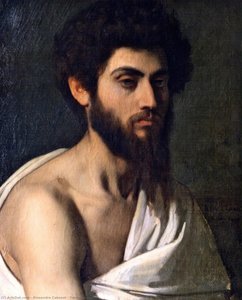
The painting depicts a man with a beard and mustache, dressed in a white toga. He is positioned as the focal point of the composition, appearing to look…
手描きで制作する →
In the quiet splendor of Alexandre Cabanel’s 1873 masterpiece, La Comtesse de Keller, viewers are transported to the height of French elegance during the Belle Époque. This portrait…
手描きで制作する →
A Symphony of Classical Grace: Alexandre Cabanel’s *The Birth of Venus* Alexandre Cabanel's *The Birth of Venus*, completed in 1863, stands as an emblem of Academic art—a movement…
手描きで制作する →
Alexandre Cabanel's “Emperor Napoleon III” is more than just a portrait; it’s a meticulously crafted tableau of imperial authority and subtle introspection. Painted in 1865, this monumental work—measuring…
この光を、あなたの暮らしに。 →
Alexandre Cabanel’s “Portrait of An Arab,” completed in 1875, stands as a cornerstone of French Orientalism—a movement that sought to romanticize the East through artistic representation. More than…
この光を、あなたの暮らしに。 →
Alexandre Cabanel's 'Esquisse pour Le Triomphe de Flore,' a preparatory sketch for his monumental 1873 painting, offers a captivating window into the creative process behind one of the…
この光を、あなたの暮らしに。 →
In this 1861 composition, we find ourselves drawn into a quiet, private circle of social interaction. The scene is set around a bench where five individuals are gathered,…
このキャンバスを注文する →


Contemplation is an oil painting by Alexandre Cabanel, executed around 1868. The work emerged during a period when Cabanel was a central figure in the French academic establishment,…
この光を、あなたの暮らしに。 →
To gaze upon this portrait is to step directly into the gilded salons of late 19th-century Paris, a world where immense wealth mingled with refined artistic patronage. This…
手描きで制作する →
Alexandre Cabanel's “Paul the First Hermit with Lions” isn’t merely a depiction of a man kneeling before animals; it’s an immersion into a profound meditation on solitude, faith,…
この光を、あなたの暮らしに。 →

In the grand tapestry of nineteenth-century French art, few works capture the intersection of temporal power and spiritual devotion as profoundly as Alexandre Cabanel’s 1853 masterpiece, The Glorification…
この光を、あなたの暮らしに。 →

In the grand tapestry of nineteenth-century French academic art, few works capture the delicate tension between ethereal beauty and impending doom as poignantly as Alexandre Cabanel’s 1873 masterpiece,…
この光を、あなたの暮らしに。 →
In the hallowed halls of the Musée des Beaux-Arts in Béziers, there exists a canvas that breathes with the heavy, restless energy of a soul in conflict. Alexandre…
このキャンバスを注文する →

Alexandre Cabanel's 1857 painting, *Othello Relating His Battles*, is more than just a depiction of Shakespearean drama; it’s a meticulously crafted embodiment of the Romantic movement’s emphasis on…
このキャンバスを注文する →


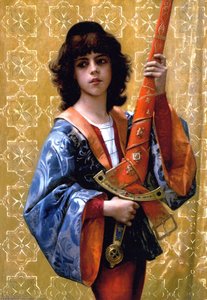

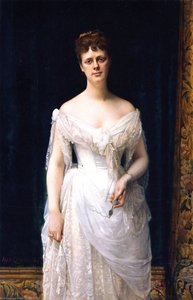
Alexandre Cabanel’s “Mary Frick Garrett, later Mrs. Henry Barton Jacobs,” painted in 1885, is more than just a portrait; it's a meticulously crafted window into the opulent world…
手描きで制作する →


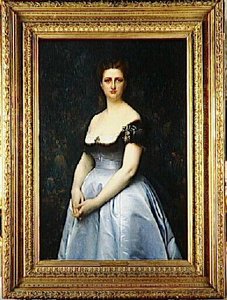


The painting “Catharine Lorillard Wolfe,” executed by the tragically short-lived Alexandre Cabanel in 1828, offers a poignant glimpse into the refined world of early 19th-century New York society.…
この光を、あなたの暮らしに。 →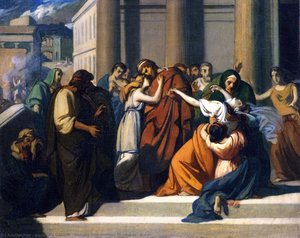
Oedipus Bids Farewell to Jocasta (Study): A Study in Melancholy Artist: Alexandre Cabanel Date: 1843 Size: 33 x 41 cm Medium: Oil on Canvas This poignant study, created…
このキャンバスを注文する →
Alexandre Cabanel's "A Thinker, Young Roman Monk," painted in 1848, is more than just a portrait; it’s a profound meditation on solitude, faith, and the weight of introspection.…
この光を、あなたの暮らしに。 →
Alexandre Cabanel's "The Evening Angel," painted in 1848, isn’t merely a depiction of an angel; it’s a carefully constructed tableau of contemplative grace and profound serenity. Within its…
このキャンバスを注文する →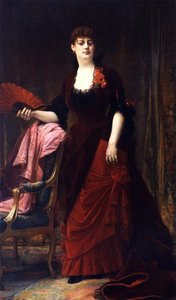
Alexandre Cabanel’s “Mrs. Collis Potter Huntington,” painted in 1882, is more than just a likeness; it's a meticulously crafted distillation of Victorian ideals – wealth, social standing, and…
手描きで制作する →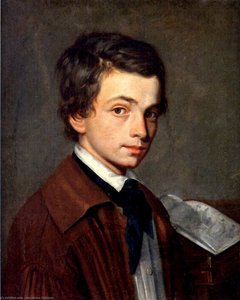
Alexandre Cabanel's "Self Portrait as a Child," painted in 1836, is more than just a charming depiction of youth; it’s a profoundly intimate glimpse into the formative years…
この光を、あなたの暮らしに。 →
The painting Envoys of the Senate Offer the Dictatorship to Cincinnatus by Alexandre Cabanel is a stunning representation of ancient Roman history. Created in 1844, this oil on…
このキャンバスを注文する →
Alexandre Cabanel’s “Self Portrait (aged 17),” painted in 1840, is more than a simple depiction of a young man; it’s a carefully constructed meditation on youth, confidence, and…
手描きで制作する →
Alexandre Cabanel’s “The Mocking of Christ,” completed in 1845, stands as an enduring testament to the Beaux-Arts style—a movement dedicated to meticulous observation and idealized representation rooted in…
この光を、あなたの暮らしに。 →
Alexandre Cabanel’s “Sophie and Berthe Cabanel,” painted in 1872, is more than just a depiction of two women; it's a masterful study in restrained elegance and the subtle…
手描きで制作する →
Alexandre Cabanel's “Nude Male Figure with a Sword,” painted in 1878, is more than just a depiction of the human form; it’s a carefully constructed tableau of power,…
このキャンバスを注文する →




これらのキャンバスに最も頻繁に描かれた4つの主題と、それぞれの代表作。
このページに掲載されている絵画を最も多く所蔵している 8 の美術館
| 美術館 | 都市 | アレクサンドル・カバネルの作品 | このリストの絵画 |
|---|---|---|---|
 ミュゼ・ファーブル |
モンペリエ | 20 | 堕天使, John the Baptist, La Chiaruccia |
 メトロポリタン美術館 |
ニューヨーク | 6 | The Nymph Echo, The Birth of Venus, Florentine Poet |
 オルセー美術館 |
パリ | 8 | The Birth of Venus, The Death of Francesca da Rimini and Paolo Malatesta, The Birth of Venus |
 プチ・パレ |
パリ | 3 | The Chapelmaster's Widow, Phèdre, Madame Edouart Herve |
 アントウェルペン王立美術館 |
アントウェルペン | 2 | Cleopatra Testing Poisons on Condemned Prisoners, Self-portrait |
 ルーブル美術館 |
パリ | 2 | TRIOMPHE DE FLORE, Esquisse pour Le Triomphe de Flore |
 Musée National du Château de Compiègne |
コンピエーニュ | 2 | Madame Carette, Emperor Napoleon III |
 Musee des Beaux-Arts |
Beziers | 2 | The Druidess, Orestes |
Alexandre Cabanel's "Self Portrait as a Child," painted in 1836, is more than just a charming depiction of youth; it’s a profoundly intimate glimpse into the formative years…

1847年、24歳という若さで完成されたアレクサンドル・カバネルの「堕天使」は、単なる絵画ではありません。それは、見る者を悲しみと熟考の渦へと引き込む体験なのです。この作品は、天国から追放された後、深遠な絶望に打ちひしがれるルシファーを、恐ろしい悪魔としてではなく、苦悩に支配された存在として提示しています。カバネルがローマのヴィラ・メディチでの滞在中に制作したこの作品は、19世紀フランスで非常に評価されたアカデミック絵画の頂点を象徴し、卓越した技術と古典的な形式への深い理解を示しています。

Alexandre Cabanel’s *The Birth of Venus*, completed in 1863, stands as a cornerstone of French academic art—a testament to the artistic conventions and aspirations that dominated the mid-nineteenth…

A Moment Frozen in Time: Alexandre Cabanel’s “Death of Francesca da Rimini” Alexandre Cabanel's "Death of Francesca da Rimini and Paolo Malatesta," completed in 1870, stands as a…

To stand before Alexandre Cabanel's Cleopatra Testing Poisons on Condemned Prisoners is to step directly into the opulent, dramatic heart of nineteenth-century academic painting. This monumental oil on…
堕天使 (1847)(ミュゼ・ファーブル, モンペリエ)。続いてThe Birth of Venus (1863)、Cleopatra Testing Poisons on Condemned Prisoners (1887)が続きます。
1823年に生まれたアレクサンドル・カバネルは24歳でした:堕天使は1847年の作品です。
堕天使, The Birth of Venus, Cleopatra Testing Poisons on Condemned Prisoners, Paradise Lost (also known as The Expulsion of Adam and Eve from the Garden of Paradise), John the Baptist, Fanny Clapp, TRIOMPHE DE FLORE, Madame Carette, Mary Victoria Leiter (1870–1906), Lady Curzon と The Death of Francesca da Rimini and Paolo Malatesta。上記のランキングに掲載されている各キャンバスには、制作年と所蔵美術館が記載されています。
アレクサンドル・カバネルによる作品が109点、1836年から1888年にかけてのものがカタログに掲載されています。
主にミュゼ・ファーブル (モンペリエ), メトロポリタン美術館 (ニューヨーク) と オルセー美術館 (パリ)に所蔵されています。上記のリストには、各美術館とその所蔵作品が記載されています。
このページに掲載されている全100作品のうち、17作品が1870sの作品であり、その中にはThe Death of Francesca da Rimini and Paolo Malatestaが含まれます。
ここにある最も古いキャンバスはSelf Portrait as a Child (1836)、最も新しいものはMrs. Robert Livingston Cutting (Juliana De Wolf, 1816–1891) (1888)です。
このページに掲載されている100点の作品におけるClassical art (13), Portraiture (11) と Mythology (10)
このページに掲載されている全100作品のうち、32作品にOil On Canvasが使用されています。
このページに並ぶキャンバスが示す通り、Academic painting
ミュゼ・ファーブル, モンペリエには、このページに掲載されている作品のうち19点が所蔵されており、その中には堕天使, John the Baptist と La Chiarucciaも含まれています。
はい。このページに掲載されているすべての絵画は、各作品の個別ページから、手書きの油彩複製画、またはお好みのサイズでのファインアートプリントとしてご注文いただけます。
アレクサンドル・カバネルは、1823年9月28日、フランスのモンペリエに生を受けました。大工の息子として、質素な家庭の中で育った彼の幼少期は、肉体労働と職人技が日常に根ざしたものでした。しかし、その静かな生活の中で、少年は絵画という天賦の才を静かに、しかし確実に開花させていったのです。わずか10歳になる頃には、その才能は周囲を圧倒するほどに際立っており、地元のモンペリエ美術学校で正式な指導を受けることとなりました。モンペリエ美術学校では、シャルル・マテの指導のもと、観察した対象をいかにして形へと昇華させるかという、芸術の根幹となる技術を学び始めたのです。
若き日の輝かしい才能は、彼をフランス南部の海岸から、芸術の熱狂が渦巻くパリの中心部へと導いていきました。1839年、奨学金を得た彼は、さらなる高みを目指してパリへと渡ります。同年、彼は名門エコール・デ・ボザールに入学し、10月にはフランソワ=エドゥアール・ピコの画塾に身を置くこととなりました。そこでの修行は極めて厳格なものであり、後の彼のキャリアを決定づけることになる古典主義の原則に、その身を捧げる日々が続きました。ピコのもとで、彼は人体という複雑な造形を極め、アカデミーが求める歴史的主題を描き出すために不可欠な、揺るぎない規律と精神を養っていったのです。
1845年、アレクサンドル・カバネルの前に成功への道筋が鮮明に描き出されました。当時22歳だった彼は、その後の人生を大きく変えることになる栄誉、ローマ賞を獲得します。この快挙によって、彼はパリの規律正しい教室を離れ、イタリアの開放的な空気と悠久の歴史が息づく地へと旅立つことができたのです。1850年までヴィラ・メディチの滞在作家として過ごしたこの時期は、彼がキャンバスに捉えようと切望していた古典的な理想そのものの中に身を置く、極めて重要な時間となりました。
ローマでの日々、彼の筆致は宗教的な献身と壮大な歴史的叙事詩の間を自在に行き来しました。1849年には、それまでの研鑽の重みが凝縮された作品である聖 洗礼者ヨハネを描き上げます。そして1850年には、モーセの死 を完成させました。この作品は1852年のサロンで展示されるほどの影響力を持ち、イタリアから帰国した彼が、フランスのアートシーンにおける確固たる存在であることを世に知らしめることとなったのです。
パリの芸術界における成功は、しばしば有力な人物たちの支援に左右されるものでした。アレクサンドル・カバネルにとって、その支援は個人コレクターから政府の最高層に至るまで、多岐にわたるものから寄せられました。同じモンペリエ出身のアルフレッド・ブリュヤは、画家のキャリアが形成される重要な時期において、主要なパトロンとなりました。ブリュヤがカバネルの作品に寄せる情熱は、アルバデー、ラ・キアルッチア、そして若きローマの修道士の瞑想といった、数々の重要な依頼へと繋がっていきました。これらの作品を通じて、画家は後に自身の様式を象徴することとなる、より神秘的で悲劇的な主題へと踏み込んでいくことになります。
名声が高まるにつれ、カバネルの活動領域はフランスの公私にわたる壮大な空間へと広がっていきました。彼はナポレオン3世が寵愛した画家でもあり、この繋がりが第二帝政期における彼の地位を不動のものとしました。肖像画のような親密なスケールの作品にとどまらず、彼は大規模な装飾プロジェクトの依頼を受けることも少なくありませんでした。建築家ジャン=バティスト・シセロン・レズールは、サロン・デ・カリヤティドにおける12枚のペンデンティヴの装飾を彼に依頼しました。これは、ホテル・ペレールやホテル・セーといった重要な建築プロジェクトに携わった、彼の広範なインテリア装飾家としてのキャリアの一環でもあったのです。
1863年、アレクサンドル・カバネルの芸術人生は、『ヴィーナスの誕生』の発表によって決定的な転換点を迎えます。海の中から女神が姿を現すその壮麗な描写は、当時の芸術界に瞬く間にセンセーションを巻き起こしました。その官能的な表現に対して、一部からは議論を呼ぶ声もあったものの、作品が放つ圧倒的な存在感と影響力は否定しようのないものでした。この傑作はナポレオン3世が自身のコレクションに加えるほど高く評価され、アレクサンドル・カバネルの名を第二帝政期において最も切望される画家の一人として、不動のものにしました。
キャリアが進むにつれ、アレクサンドル・カバネルは古典文学の壮大な伝統を独自の視点で描き続けていきます。1880年には、古典文学の主題に深く根ざした大作『フェドラ』をサロンに出品しました。この作品は、後に彼の故郷であるモンペリエのファブレ美術館へと収蔵されることになります。また、記念碑的な主題を自在に操る彼の卓越した手腕は、装飾画の分野においても遺憾なく発揮されました。例えば、ルーヴル美術館に所蔵されている『フローラの凱旋』などは、その美学を雄弁に物語っています。
アレクサンドル・カバネルの筆致は、アカデミック・リアリズムという厳格な規律によって導かれていました。彼は、移ろいゆく一瞬の混沌とした印象を捉えようとしたのではありません。むしろ、精密な素描と細部への徹底したこだわりを通じて、永遠性を感じさせる表現を追求したのです。その筆致は極めて滑らかで、まるで筆跡が消えてしまったかのように錯覚させるほどであり、繊細な階調の変化が、描かれた人物たちに柔らかく磨き上げられたような質感を与えています。この卓越した技術制御は、人体表現において最も顕著に現れていました。彼は肌の質感を描き出す並外れた才能を備えており、そのリアリズムは、キャンバス上の主題がまるで実在する温もりと生命を宿しているかのような錯覚を観る者に抱かせます。
彼の構図は、調和、均衡、そして比例といった古典的な理想の上に築き上げられていました。アレクサンドル・カバネルは、自らの主題を見出すために常に過去へと眼差しを向け、歴史、神話、あるいは宗教的な物語を、キャンバスの土台として頻繁に用いました。これらの作品において、彼は単に目の前の世界を複製するのではなく、古典的な美の基準を満たすように人物の造形を洗練させ、理想化することに心血を注いだのです。こうした「理想化された現実」への探求こそが、解剖学的な正確さを保ちながらも、気品に満ちた高潔な美しさを湛えたイメージを生み出すことを可能にしました。
フランスのアート・エスタブリッシュメント(芸術権威)において、アレクサンドル・カバネルは中心的な、しかし時に防衛的な立場を占めていました。彼は印象派の画家たちに対して断固とした反対の立場をとり、彼らのアプローチは、自身が生涯をかけて守り続けてきた伝統とは相容れないものだと感じていたのです。この緊張関係が公のものとなったのは、1863年のサロンにおいてでした。この時、カバネルは ウィリアム・アドルフ・ブーグロー と共に、エドゥアール・マネ が作品を展示することを拒否しました。この決断は、落選者展(サロン・デ・ルフレ)の開催を促すきっかけとなり、パリの芸術界における旧守派と新興運動との間に、決定的な亀裂を生じさせることとなりました。
こうした時代の激しい潮流に対して毅然と立ち向かう一方で、アレクサンドル・カバネルは次世代の未来にも深い情熱を注いでいました。1864年、彼はエコール・デ・ボザールの教授に任命され、1889年にその生涯を閉じるまで、この重責を担い続けました。彼は多くの若き芸術家たちの手と精神を鍛え上げた、献身的な教育者でもあったのです。その影響力は広範囲に及び、サロンには彼の教え子が数百人も名を連ねており、彼が培った精密な技術は、その後の数十年にわたる芸術界へと受け継がれていくことになりました。
キャリアの中盤に差し掛かる頃、アレクサンドル・カバネルはフランスのアート界における最高峰へと登り詰めていました。1863年には、美術アカデミーの会員として第10席に選出されます。社会的な地位はますます高まり、1864年にはレジオンドヌール勲章の将校に叙勲されました。これらの栄誉は、当時の公的な芸術体系における彼の絶大な影響力を物語っています。また、彼はサロンの選考プロセスにも深く関わり続け、1868年から1888年までの間に17回もの審査員を務めました。
歳月が流れるにつれ、彼を取り巻く芸術界は大きな変革の波に洗われていきましたが、アレクサンドル・カバネルはパリの芸術界において揺るぎない存在であり続けました。かつて習得した古典的伝統への献身を貫き、描き続け、そして教え続ける日々。彼の生涯は、1889年1月23日、フランスのパリにてその幕を閉じました。晩年を過ごした場所は華やかな首都パリでしたが、その魂のルーツは常に南の地へと繋がっていました。彼は故郷モンペリエのサン・ラザールに、静かにその身を眠らせています。
アレクサンドル・カバネルが遺した芸術の核心に触れる旅は、フランスのモンペリエから始まることが多いでしょう。彼の故郷であるこの地にあるファブレ美術館には、彼の作品が最も多く集まっており、12点もの傑作が大切に保存されています。そこには、1848年の作品である若きローマの修道士の瞑想A Thinker, Young Roman Monkや、1847年の堕天使Fallen Angelといった、光と影を巧みに操り始めた初期の探求が見て取れます。これらの作品は、彼のキャリアの黎明期を形作った、驚異的な技術的精密さを今に伝える貴重な窓となっています。
また、パリにおいても、彼の芸術的足跡は重要なコレクションを通じて力強く息づいています。オルセー美術館には、あのあまりにも有名な1863年のヴィーナスの誕生を含む6点の絵画が収蔵されています。そのすぐ近くのルーヴル美術館には、年代不明のフローラの凱旋TRIOMPHE DE FLOREを含む2つの作品が並んでいます。これらのパリのコレクションを巡ることで、サロン制度の頂点へと昇り詰めていく中で、彼の様式がいかに進化を遂げていったのかを、その目で確かめることができるのです。
彼の芸術的影響力はフランスの国境を越え、アメリカの主要な美術館にもまで及んでいます。ニューヨークのメトロポリタン美術館には、1874年の作品ニンフのエコーThe Nymph Echoをはじめとする4点が所蔵されています。一方、ボルチモア美術館には、1885年の肖像画メアリー・フリック・ギャレット(後のヘンリー・バートン・ジェイコブス夫人)Mary Frick Garrett (later Mrs. Henry Barton Jacobs)など、2つの作品が保存されています。こうした世界各地での展示は、人間という存在を捉える彼独自の美学が、今なお世界中の人々を魅了し続けていることを証明しています。

