アトリエ — 世界中へ送料無料 — お届けまで2〜6週間
      アルティキエーロ, 1330 – 1390

      アルティキエーロ: The 16 Best-Known Paintings

      Of all アルティキエーロ's paintings, Head of the Virgin. (1350) is the most famous; it hangs in the Museum of John Paul II Collection, Warsaw. Close behind come Crucifixion (detail) (1376) and Death of St Lucy (1379). Among the 17 works by アルティキエーロ in our catalogue, these 16 are the most celebrated, each shown with its date, its museum and its story.

      各作品の検索数、閲覧数、および注文数を組み合わせた当サイトの人気スコアに基づきランキングを作成しています。最終更新:10月 2026 Each painting on this page can be ordered as an oil reproduction painted by hand on linen canvas, or as a fine art print, made to the size you choose.

      アルティキエーロの肖像画
      アルティキエーロ · 1330 – 1390
      生没年
      1330 – 1390, ツェヴィオ
      カタログ掲載作品
      17
      最も有名な
      Head of the Virgin. (1350)
      最多収蔵館
      Oratorio di San Giorgio

      アルティキエーロ's 10 most celebrated paintings

      Head of the Virgin. (1350) による アルティキエーロ
      1

      Head of the Virgin.

      1350 · Tempera On Panel · Museum of John Paul II Collection, Warsaw

      This close-up portrait captures a fragment of a female figure, likely the Virgin Mary, rendered in a style that bridges the transition from the late Gothic to the early Renaissance. The composition centers on a face viewed in three-quarter profile, directed slightly downward and toward the viewer's left. A large, circular golden halo frames the head, its radiating segments defined by precise lines that suggest a divine presence. The physical…

      アルティキエーロ paintings ranked 11 to 16

      What アルティキエーロ painted most

      The four subjects that return most often on these canvases, each with its best-loved example.

      Where アルティキエーロ's canvases hang

      このページに掲載されている絵画を最も多く所蔵している 3 の美術館

      美術館 都市 アルティキエーロの作品 このリストの絵画
      Oratorio di San Giorgio, PaduaOratorio di San Giorgio Padua 3 Death of St Lucy, The Execution of Saint George, Adoration of the Magi
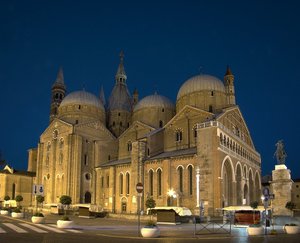
      サン・アントニオ大聖堂, パドヴァサン・アントニオ大聖堂 パドヴァ 2 Crucifixion (detail), Crucifixion
      Museum of John Paul II Collection, WarsawMuseum of John Paul II Collection Warsaw 1 Head of the Virgin.

      Decade by decade: アルティキエーロ's most celebrated canvas

      1. 1350s
        Head of the Virgin. (1350) による アルティキエーロ
        Ranked 1 of 16

        Head of the Virgin.

        年齢 20歳 – 29歳 · Museum of John Paul II Collection

        This close-up portrait captures a fragment of a female figure, likely the Virgin Mary, rendered in a style that bridges the transition from the late Gothic to the…

      2. 1370s
      3. 1380s

      Your questions on アルティキエーロ's paintings, answered

      Which is the most celebrated painting by アルティキエーロ?Read the answer

      Head of the Virgin. (1350), Museum of John Paul II Collection, Warsaw. Crucifixion (detail) (1376) and Death of St Lucy (1379) follow.

      How old was アルティキエーロ at the time of Head of the Virgin.?Read the answer

      アルティキエーロ, born in 1330, was 20 years old: Head of the Virgin. dates from 1350.

      Which ten paintings is アルティキエーロ most famous for?Read the answer

      Head of the Virgin., Crucifixion (detail), Death of St Lucy, The Execution of Saint George, Adoration of the Magi, Christ Among the Doctors, Birth of the Virgin, Marriage of the Virgin, Resurrection of Lazarus と Nativity. Each canvas in the ranking above comes with its year and its museum.

      How many paintings by アルティキエーロ are known?Read the answer

      17 works by アルティキエーロ are in our catalogue, dated 1350 to 1380.

      Which museums hold アルティキエーロ's best-known canvases?Read the answer

      Mostly in Oratorio di San Giorgio (Padua), サン・アントニオ大聖堂 (パドヴァ) と Museum of John Paul II Collection (Warsaw); the list above names each museum and its canvases.

      In which years did アルティキエーロ paint the most celebrated canvases?Read the answer

      In 1370s, which gave 3 of the 16 works on this page, Crucifixion (detail) among them.

      What are the first and the last of アルティキエーロ's famous canvases?Read the answer

      The earliest canvas here is Head of the Virgin. (1350); the latest is The Execution of Saint George (1380).

      Which subjects return most often in アルティキエーロ's paintings?Read the answer

      Crucifixion (4), Saints (3) と Executions (2), across the 16 works on this page.

      What can I see by アルティキエーロ at the Oratorio di San Giorgio?Read the answer

      The Oratorio di San Giorgio, Padua holds 3 of the works on this page, among them Death of St Lucy, The Execution of Saint George と Adoration of the Magi.

      Can I order a hand-painted copy of a painting by アルティキエーロ?Read the answer

      Yes. Every painting on this page can be ordered from its own page as an oil reproduction painted by hand, or as a fine art print, in the size you choose.

      アルティキエーロ: the painter's story

      ヴェローナ・ゴシックの巨匠:アルティキエーロ・ダ・ゼヴィオの生涯と遺産

      14世紀の黄昏時、ビザンチン伝統の厳格な構造が、より人間主義的な新しいヴィジョンに影響されて和らぎ始めた頃、ヴェローナ派の魂を定義することになる画家の筆致が現れました。1330年頃、ヴェローナ近郊の静かな町ゼヴィオに生まれたアルティキエーロ・ダ・ゼヴィオは、単なる聖なる出来事の記録者ではなく、ヴェネツィア・ゴシック様式の先駆者でもありました。彼の初期の生涯をめぐる伝記的な影は今なお一部に濃く残っていますが、彼が遺した鮮やかなフレスコ画は、その創造的な精神を覗き見るための光り輝く窓となっています。学術的には、彼の天才性はフィレンツェにまで遡ることが多く、彼はジョットと同じ芸術的な空気を吸っていたことが示唆されています。この繋がりは、おそらくタッデオ・ガッディのようなジョットの弟子たちの深い研究を通じて築かれたものであり、アルティキエーロが自身の作品に、当時としては革命的であった圧倒的な量感、重み、そして物語の明晰さを吹き込むことを可能にしました。

      アルティキエーロの芸術性の進化は、ヴェローナとパドヴァの市民的・宗教的景観に対する彼の記念碑的な貢献を通じて最もよく理解されます。彼の台頭を象徴するのは、デッラ・スカラ宮殿内のサッラ・デル・ポデスタ(執政官の間)への名誉ある依頼でした。1364年頃、彼はヨセフスの『ユダヤ戦争』の場面を描いた野心的なサイクルに着手します。このプロジェクトは単なる装飾的な試みではなく、歴史的物語術のマスタークラスでした。これらのフレスコ画を通じて、アルティキエーロは複雑で多層的な構成を組織する驚異的な能力を示し、冷たい石の壁を、歴史とドラマが交差する演劇的な舞台へと変貌させたのです。物語的なフレスコ画における彼の熟達は、彼をトレチェント(14世紀)における最高のストーリーテラーとして確立させ、複雑な戦闘シーンや感情的な対峙を、淀みのない優雅さで観る者の視線へと導くことを可能にしました。

      パドヴァにおける色彩と献身の交響曲

      彼の名声がヴェローナの境界を越えて広がると、アルティキエーロの旅はパドヴァの知的・芸術的な中心地へと彼を導きました。ここで、ヤコポ・ダヴァンツィとのコラボレーションが絶頂に達し、現存する最も息を呑むような後期ゴシック芸術の傑作が誕生しました。サン・アントニオ大聖堂の聖ジェームズ礼拝堂において、この二人は聖ジェームズの聖人伝に命を吹き込みました。これらの作品は独特の視覚的なダイナミズムを特徴としており、そこでは宗教的イコノグラフィーが、新たに芽生えつつあった自然主義と感情的な深みと結びついています。フレスコ画は単に聖人を描写するのではなく、衣のひだや信者たちの表情が、神聖であると同時に深く人間的な現実を示唆する、実体感のある世界を構築しているのです。

      おそらく、さらに親密な貢献と言えるのが、サン・ジョルジョ礼拝堂への寄与です。スクロヴェーニ礼拝堂と並んで語られることの多いこの小さく神聖な空間は、アルティキエーロが自身の記念碑的なヴィジョンを、痛切で個人的なレベルへと凝縮させる能力を持っていたことの証となっています。この家族の霊廟の中で、彼と彼の工房は、現代の訪問者をルネサンスの黎明期へと運び続ける、献身の鮮やかなタペストリーを作り上げました。パドヴァにおける彼の仕事は、美術史における重要な架け橋を象徴しています。それは、ゴシック時代の装飾的な優雅さが、やがてイタリア・ルネサンスを定義することになる構造的な革新と心理的な複雑さを受け入れ始めた瞬間なのです。

      ヴェネツィアの先駆者が遺した永遠の残響

      アルティキエーロ・ダ・ゼヴィオは1390年頃に世を去りましたが、その影響は最後の息と共に消え去ることはありませんでした。彼は北イタリアの建築そのものに刻み込まれた遺産を遺し、後の世代のヴェネツィアやヴェローナの画家たちが築き上げるための礎を築きました。彼の重要性は、移行期の人物としての役割にあります。彼は中世から受け継いだ言語を取り入れ、空間、動き、そして人間の感情という新しい語彙を用いて、それを書き換え始めたのです。アルティキエーロを学ぶことは、過去の静止したアイコンから、より呼吸し、生きている世界へと向かうヨーロッパ美術の、緩やかで美しい変容を目撃することに他なりません。

      彼の作品群が持つ不朽の重要性は、以下の芸術的な柱によって要約されます。

      アルティキエーロによる全 17点の作品 →