アトリエ — 世界中へ送料無料 — お届けまで2〜6週間
      アステカ帝国, 1300 – 1521

      アステカ帝国による最も有名な名画 70選

      Mosaic of a Double-headed Serpent (1521)はアステカ帝国の代表作として知られる作品であり、ロンドンにある大英博物館に収蔵されています。 Head from a Figure, Xochipilli Macuilxochitl (1521)とFigure (1521)が加わり、最も愛されている3枚のキャンバスが揃いました。 アステカ帝国による作品は、当カタログに70点収められています。ここでは、制作年、所蔵美術館、そして各作品の背景とともに、最も有名な70点をご紹介します。

      各作品の検索数、閲覧数、および注文数を組み合わせた当サイトの人気スコアに基づきランキングを作成しています。最終更新:10月 2026 このページに掲載されている各作品は、リネンキャンバスに手描きで制作する油彩複製画、またはご希望のサイズに合わせて作成するファインアートプリントとしてご注文いただけます。

      アステカ帝国の肖像画
      アステカ帝国 · 1300 – 1521
      生没年
      1300 – 1521, テノチティトラン
      カタログ掲載作品
      70
      最も有名な
      Mosaic of a Double-headed Serpent (1521)
      最多収蔵館
      メトロポリタン美術館

      アステカ帝国による最も愛されている10枚の名画

      Mosaic of a Double-headed Serpent (1521) による アステカ帝国
      1

      Mosaic of a Double-headed Serpent

      1521 · Mosaic · 大英博物館, ロンドン

      To gaze upon this mosaic of a double-headed serpent is to step directly into the vibrant, myth-laden heart of the Aztec Empire. It is not merely an object of decoration; it is a captured echo of profound belief, a testament to a civilization whose artistry wove the sacred into the very fabric of daily existence. The serpentine form dominates the composition, its sinuous body rendered in breathtaking detail across countless…

      Head from a Figure, Xochipilli Macuilxochitl (1521) による アステカ帝国
      2

      Head from a Figure, Xochipilli Macuilxochitl

      1521 · Sculpture · メトロポリタン美術館, ニューヨーク

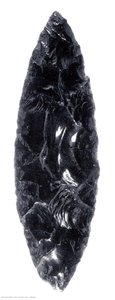
      The obsidian head before us—a dark, almost brooding presence—isn’t merely a sculpture; it's a portal into the vibrant and complex world of the Aztec Empire. Carved in the early 16th century, just decades before the arrival of the Spanish conquistadors, this intimate portrait of Xochipilli Macuilxochitl offers a rare and compelling glimpse into the beliefs, artistry, and ultimately, the fleeting beauty of a vanished civilization. The piece speaks not only…

      Figure (1521) による アステカ帝国
      3

      Figure

      1521 · Stone · メトロポリタン美術館, ニューヨーク

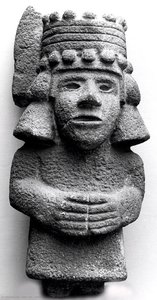
      Before you stands an echo from a civilization whose very name whispers tales of empire and profound spiritual depth: the magnificent "Figure" sculpture. Carved from enduring stone, this piece is not merely an object of antiquity; it is a frozen moment of sacred contemplation. The overall impression is one of solemn power, a tangible connection to the sophisticated worldview of the Aztec people who flourished in the heart of Mesoamerica.…

      Kneeling Male Figure (1521) による アステカ帝国
      4

      Kneeling Male Figure

      1521 · Stone · メトロポリタン美術館, ニューヨーク

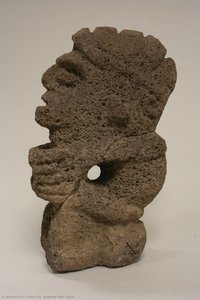
      To gaze upon this fragment is to reach across the vast chasm of five centuries, touching the solemn breath of an empire long dissolved into myth and archaeological wonder. This kneeling male figure, carved from a dark, porous stone—perhaps basalt itself—is more than mere sculpture; it is a captured moment of profound spiritual engagement. The very texture of the material speaks of time, bearing the patina of ritual smoke and…

      Serpent Labret with Articulated Tongue による アステカ帝国
      5

      Serpent Labret with Articulated Tongue

      Acrylic On Canvas · メトロポリタン美術館, ニューヨーク

      Serpent Labret with Articulated Tongue The Serpent Labret with Articulated Tongue stands as a testament to the unparalleled artistry of the Aztec Empire—a singular achievement in goldwork that embodies both exquisite craftsmanship and profound symbolic meaning. Discovered in 1937, this remarkable ornament now resides at the Metropolitan Museum of Art (New York City), where it continues to captivate visitors with its mesmerizing beauty and intricate detail. Its provenance is traced…

      Pendent in the Shape of a Warrior (1350) による アステカ帝国
      6

      Pendent in the Shape of a Warrior

      1350 · Metalwork · クリーブランド美術館, クリーブランド

      To hold this piece in your mind is to encounter the quiet strength of the Post-classic period. This small, metallic figure, likely worn close to the body, captures a warrior in a moment of poised readiness. The figure is rendered with a striking sense of presence, characterized by a prominent nose, wide eyes, and a slightly protruding mouth that gives the face a distinct, human character. There is a certain…

      Figure (1521) による アステカ帝国
      7

      Figure

      1521 · Stone · メトロポリタン美術館, ニューヨーク

      This monochrome photograph captures an ancient Aztec sculpture titled Figure. The piece presents a stylized representation of a human figure, likely a deity or important individual within the Aztec culture. Set against a dark background that emphasizes its intricate details, the sculpture is positioned slightly off-center towards the right of the frame.

      Vulture Vessel (1521) による アステカ帝国
      8

      Vulture Vessel

      1521 · Ceramic · メトロポリタン美術館, ニューヨーク

      This ceramic vessel, produced around 1521 by Aztec artists, takes the shape of a stylized vulture. The object is constructed from earthenware with a robust, cylindrical body. Four curved legs support the structure, positioned to suggest a sense of movement or a bird prepared to perch. The surface is primarily covered in a reddish-brown hue, likely derived from iron oxide pigments. Black glaze defines specific areas, creating bands that outline…

      Standard Bearer (1521) による アステカ帝国
      9

      Standard Bearer

      1521 · Stone · メトロポリタン美術館, ニューヨーク

      The Aztec sculpture titled "Standard Bearer," a remarkable testament to the artistry and symbolic depth of the pre-Columbian civilization, stands as more than just a carved stone figure. It’s a window into a complex society—a warrior, a leader, a conduit between the earthly realm and the divine. Dating back to approximately 1450-1521 CE, this piece, originating from the region of Veracruz, offers a tangible connection to a world both familiar…

      Crested Figure (Macuilxochitl) (1521) による アステカ帝国
      10

      Crested Figure (Macuilxochitl)

      1521 · メトロポリタン美術館, ニューヨーク

      Crested Figure (Macuilxochitl): Echoes of Aztec Cosmology The photograph presents a striking depiction of an Aztec sculpture titled “Crested Figure (Macuilxochitl),” originating from the 15th–early 16th century during the height of the Mexica Empire. This artwork embodies the artistic spirit of Mesoamerica, reflecting profound religious beliefs and political authority—a testament to the enduring legacy of a civilization that captivated imaginations for centuries. Overall Impression: The image captures a sculpture crafted…

      アステカ帝国:ランキングの11枚目から70枚目のキャンバス

      Seated Male Deity (Ehecatl) (1521) による アステカ帝国
      #11

      Seated Male Deity (Ehecatl)

      1521 · メトロポリタン美術館

      Standing before this remarkable sculpture, carved from volcanic stone or terracotta nearly six centuries ago, is akin to stepping back in time – directly into the heart of…

      手描きで制作する →
      Seated Male Deity (1521) による アステカ帝国
      #12

      Seated Male Deity

      1521 · メトロポリタン美術館

      In the quiet presence of the Seated Male Deity, one does not merely observe a sculpture; one encounters a profound fragment of a lost cosmos. Carved during the…

      Kneeling Female Figure (1521) による アステカ帝国
      #13

      Kneeling Female Figure

      1521 · メトロポリタン美術館

      In the quiet halls of art history, few objects command as much silent reverence as the Kneeling Female Figure. Carved from the dark, enduring strength of basalt, this…

      Miniature Bowl (1521) による アステカ帝国
      #15

      Miniature Bowl

      1521 · メトロポリタン美術館

      To gaze upon this miniature bowl is to hold a fragment of deep time in one's hands. It is not merely an object, but a tangible whisper from…

      Fragment of An Anthropomorphic Brazier (1300) による アステカ帝国
      #16

      Fragment of An Anthropomorphic Brazier

      1300

      This ceramic fragment presents a vertical arrangement of human-like faces. The central feature is a large, sculpted head, upon which smaller faces are positioned in a stacked, layered…

      Riutal Stone (Pulidor) (1521) による アステカ帝国
      #17

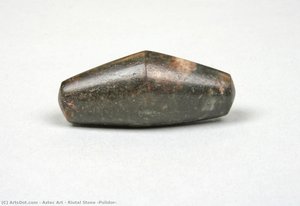
      Riutal Stone (Pulidor)

      1521 · メトロポリタン美術館

      To gaze upon this Riutal Stone (Pulidor) is not merely to observe an artifact; it is to touch the deep, resonant silence of a vanished civilization. This piece,…

      手描きで制作する →
      Ear Spool (1521) による アステカ帝国
      #18

      Ear Spool

      1521 · メトロポリタン美術館

      Before us lies a fragment of a vanished world, a tangible link to the ingenuity and ritualistic practices of the Aztec Empire. This meticulously crafted ear spool, fashioned…

      手描きで制作する →
      Seated Female Deity (1521) による アステカ帝国
      #19

      Seated Female Deity

      1521 · メトロポリタン美術館

      In the quiet shadows of history, certain objects possess the power to bridge the gap between the mortal realm and the eternal. The Seated Female Deity, a profound…

      Aztec Sun Stone (Calendar Stone) (1427) による アステカ帝国
      #20

      Aztec Sun Stone (Calendar Stone)

      1427

      The Aztec Sun Stone (Calendar Stone) is a significant work attributed to the Aztec Empire. Carved by the Mexica at the end of the Mesoamerican Postclassic Period, this…

      Seated Male Deity (1521) による アステカ帝国
      #31

      Seated Male Deity

      1521 · メトロポリタン美術館

      Before us stands a testament to the profound artistry and spiritual depth of the Aztec Empire – a weathered stone sculpture known as the “Seated Male Deity,” or…

      Bell (1521) による アステカ帝国
      #32

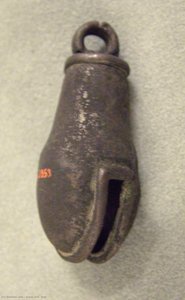
      Bell

      1521 · メトロポリタン美術館

      Imagine holding a piece of history – not just an artifact, but a tangible echo of a vanished empire. This bronze bell, unearthed from the ruins of Tenochtitlan…

      この光を、あなたの暮らしに。 →
      Spider Monkey (1521) による アステカ帝国
      #33

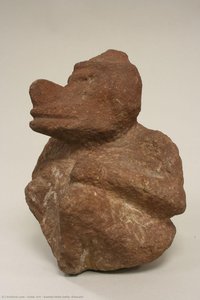
      Spider Monkey

      1521 · Rhode Island School of Design Museum of Art

      This exceptional hand-painted reproduction captures a pivotal moment in Aztec artistic expression – the creation of a remarkably detailed sculpture depicting a spider monkey, dating back to 1521.…

      Cihuateotl (1521) による アステカ帝国
      #34

      Cihuateotl

      1521 · メトロポリタン美術館

      The stone sculpture known as “Cihuateotl,” a formidable figure emerging from the heart of the Aztec Empire, offers more than just a visual representation; it’s a window into…

      手描きで制作する →
      Stamp (1521) による アステカ帝国
      #35

      Stamp

      1521 · メトロポリタン美術館

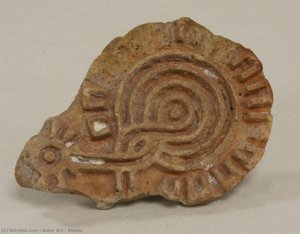
      Before us lies a terracotta fragment, not merely an artifact but a window into the heart of the Aztec Empire. Designated simply as “Stamp,” this weathered ceramic seal…

      この光を、あなたの暮らしに。 →
      Feathered Serpent Ornament (1521) による アステカ帝国
      #36

      Feathered Serpent Ornament

      1521 · メトロポリタン美術館

      In the quiet, hallowed halls of the Metropolitan Museum of Art, there exists a treasure that transcends the boundaries of time and geography. The Feathered Serpent Ornament is…

      Relief (1521) による アステカ帝国
      #37

      Relief

      1521 · メトロポリタン美術館

      “Relief,” a meticulously crafted stone carving from the heart of the Aztec Empire, stands as more than just an artistic object; it's a window into a vanished world.…

      この光を、あなたの暮らしに。 →
      Skull Pendant による アステカ帝国
      #39

      Skull Pendant

      メトロポリタン美術館

      Gazing upon this black and white photograph, one is immediately drawn to the stark simplicity and profound symbolism of the Aztec skull pendant. More than a mere decorative…

      このキャンバスを注文する →
      Stamp (1521) による アステカ帝国
      #40

      Stamp

      1521 · メトロポリタン美術館

      Within the realm of ancient Mesoamerica lies a deceptively simple object – a terracotta stamp, often referred to as a “stamp” in modern parlance. Yet, this unassuming artifact…

      このキャンバスを注文する →
      Female Deity による アステカ帝国
      #41

      Female Deity

      メトロポリタン美術館

      The photograph before you offers an arresting window into the heart of Aztec spirituality – a sculpted representation of a female deity, rendered with a profound sense of…

      手描きで制作する →
      Tripod Bowl による アステカ帝国
      #42

      Tripod Bowl

      メトロポリタン美術館

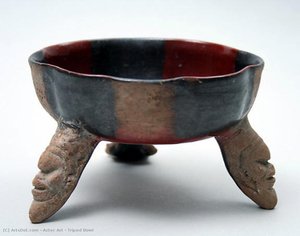
      To gaze upon this Tripod Bowl is to reach across the vast expanse of time, directly into the vibrant heart of the Aztec Empire. It is not merely…

      Maize Deity (Chicomecoatl) による アステカ帝国
      #43

      Maize Deity (Chicomecoatl)

      メトロポリタン美術館

      Carved from basalt, this sculpture represents Chicomecoatl, the Mexica goddess of maize. The figure is rendered in a frontal, upright posture with arms raised in a gesture of…

      Seated Female Deity による アステカ帝国
      #44

      Seated Female Deity

      メトロポリタン美術館

      Seated Female Deity: A Reflection of Aztec Spirituality The image presents a grayscale photograph of an Aztec sculpture depicting a seated female deity. The sculpture is rendered in…

      Kneeling Male Figure による アステカ帝国
      #45

      Kneeling Male Figure

      メトロポリタン美術館

      To gaze upon the Kneeling Male Figure is to reach across the vast chasm of five centuries, touching the solemn breath of an empire long dissolved into myth…

      Seated Male による アステカ帝国
      #46

      Seated Male

      メトロポリタン美術館

      is a stone sculpture created by the Aztec Empire. Originating from Mexico, Mesoamerica, the work belongs to the Mexica (Aztec) culture. It dates to the 15th–early 16th century.

      Ritual Stone (pulidor) (1521) による アステカ帝国
      #47

      Ritual Stone (pulidor)

      1521 · メトロポリタン美術館

      Ritual Stone (Pulidor): Echoes of Aztec Majesty The image presents a captivating glimpse into the artistic heritage of the Aztec Empire—specifically, a meticulously crafted green stone artifact known…

      このキャンバスを注文する →
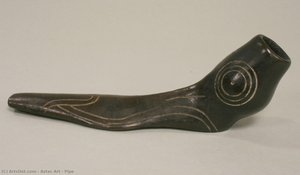
      Pipe (1521) による アステカ帝国
      #50

      Pipe

      1521 · メトロポリタン美術館
      Seated Male Deity による アステカ帝国
      #51

      Seated Male Deity

      メトロポリタン美術館

      The Aztec Empire, a civilization that flourished in Mesoamerica for centuries, left behind a legacy of breathtaking artistry and profound spiritual belief. Among its most compelling creations stands…

      手描きで制作する →
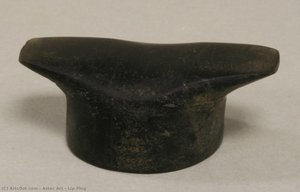
      Lip Plug による アステカ帝国
      #52

      Lip Plug

      メトロポリタン美術館

      To gaze upon this artifact is to reach across the vast expanse of time, touching the cool, dark permanence of an ancient civilization. This piece, an Aztec Lip…

      手描きで制作する →
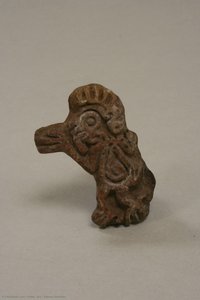
      Uilacapitztli (Pottery Flute) による アステカ帝国
      #54

      Uilacapitztli (Pottery Flute)

      メトロポリタン美術館

      To gaze upon the Uilacapitztli is not merely to observe an artifact; it is to reach across the vast expanse of centuries and touch the very breath of…

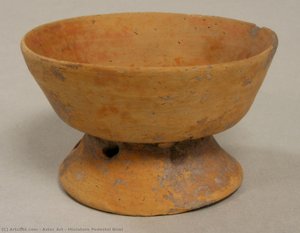
      Miniature Pedestal Bowl による アステカ帝国
      #55

      Miniature Pedestal Bowl

      メトロポリタン美術館

      To gaze upon this miniature pedestal bowl is to reach across the vast expanse of time, to hold in one's hands a tangible whisper from the heart of…

      Standard-Bearer (1519) による アステカ帝国
      #57

      Standard-Bearer

      1519

      This stark figure displays the minimalism and monumentality of Aztec stone sculpture. The rigid pose resembles the block of stone from which it was carved. In contrast, the…

      手描きで制作する →
      Drum (Teponaztli) による アステカ帝国
      #58

      Drum (Teponaztli)

      メトロポリタン美術館

      To gaze upon this representation of an Aztec Teponaztli is not merely to observe an artifact; it is to listen for a silence that holds echoes. This magnificent…

      Tripod Vessel with Date Glyph による アステカ帝国
      #59

      Tripod Vessel with Date Glyph

      メトロポリタン美術館

      The image before us presents more than just a ceramic object; it’s a tangible fragment of the Aztec Empire, a silent chronicle etched in clay and imbued with…

      Bowl による アステカ帝国
      #60

      Bowl

      メトロポリタン美術館

      Gazing upon this meticulously rendered reproduction of an Aztec bowl is akin to stepping back in time, directly into the heart of Tenochtitlan, the magnificent capital city of…

      このキャンバスを注文する →
      Maize Deity (Chicomecoatl) による アステカ帝国
      #61

      Maize Deity (Chicomecoatl)

      メトロポリタン美術館

      Standing before this weathered stone sculpture, one is immediately transported to the heart of ancient Mexico – a realm where the divine intertwined seamlessly with the rhythms of…

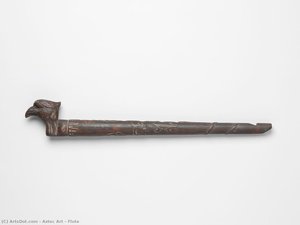
      Flute による アステカ帝国
      #63

      Flute

      メトロポリタン美術館

      Within the vast tapestry of Aztec artistry lies a deceptively simple instrument – the flute, often referred to as *uilacapitztli* (meaning “flute-head”). More than just a musical device,…

      このキャンバスを注文する →
      Miniature Pedestal Bowl による アステカ帝国
      #64

      Miniature Pedestal Bowl

      メトロポリタン美術館

      Gazing upon this exquisite miniature pedestal bowl offers more than just an appreciation of its delicate form; it’s a portal into the heart of the Aztec Empire, a…

      Ear Ornament による アステカ帝国
      #65

      Ear Ornament

      メトロポリタン美術館

      To hold an object from the heart of the Aztec Empire is to touch the very pulse of Mesoamerican history. This exquisite ear ornament, a masterwork of the…

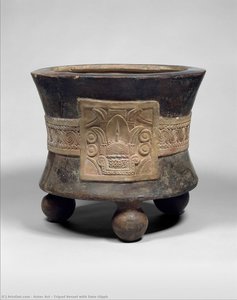
      Miniature Tripod Vase による アステカ帝国
      #66

      Miniature Tripod Vase

      メトロポリタン美術館

      The world of ancient Mesoamerica pulses with an undeniable energy – a vibrant blend of ritual, conquest, and breathtaking artistry. Within this rich tapestry, the miniature tripod vase…

      手描きで制作する →
      Bowl による アステカ帝国
      #68

      Bowl

      メトロポリタン美術館

      In the quiet presence of this ancient Aztec bowl, one can almost hear the rhythmic pulse of a civilization that once commanded the heart of Mesoamerica. This ceramic…

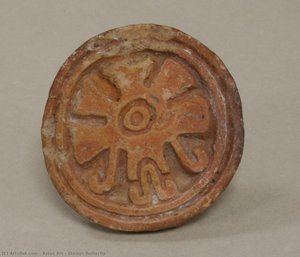
      Flat Stamp with Geometric Flower による アステカ帝国
      #69

      Flat Stamp with Geometric Flower

      メトロポリタン美術館

      This striking ceramic stamp, a relic of the Aztec Empire, isn’t merely an artifact; it's a portal to a civilization brimming with intricate symbolism and profound artistic skill.…

      アステカ帝国のキャンバス、時代ごとに

      アステカ帝国 の代表作

      これらのキャンバスに最も頻繁に描かれた4つの主題と、それぞれの代表作。

      アステカ帝国のキャンバスが飾られる場所

      このページに掲載されている絵画を最も多く所蔵している 5 の美術館

      美術館 都市 アステカ帝国の作品 このリストの絵画
      メトロポリタン美術館, ニューヨークメトロポリタン美術館 ニューヨーク 51 Head from a Figure, Xochipilli Macuilxochitl, Figure, Kneeling Male Figure
      大英博物館, ロンドン大英博物館 ロンドン 1 Mosaic of a Double-headed Serpent
      クリーブランド美術館, クリーブランドクリーブランド美術館 クリーブランド 1 Pendent in the Shape of a Warrior
      Rhode Island School of Design Museum of Art, プロビデンスRhode Island School of Design Museum of Art プロビデンス 1 Spider Monkey
      Dumbarton Oaks Research Library and Collection, ワシントンD.C.Dumbarton Oaks Research Library and Collection ワシントンD.C. 1 Tlazolteotl (Birthing Figure)

      時代を超えて愛され続ける、アステカ帝国の最も有名なキャンバス

      1. 1350s
        Pendent in the Shape of a Warrior (1350) による アステカ帝国
        70作品中、第6位

        Pendent in the Shape of a Warrior

        年齢 50歳 – 59歳 · クリーブランド美術館

        To hold this piece in your mind is to encounter the quiet strength of the Post-classic period. This small, metallic figure, likely worn close to the body, captures…

      2. 1420s
        Aztec Sun Stone (Calendar Stone) (1427) による アステカ帝国
        70作品中、第20位

        Aztec Sun Stone (Calendar Stone)

        年齢 120歳 – 129歳

        The Aztec Sun Stone (Calendar Stone) is a significant work attributed to the Aztec Empire. Carved by the Mexica at the end of the Mesoamerican Postclassic Period, this…

      3. 1460s
      4. 1480s
      5. 1500s
        Coyote (1500) による アステカ帝国
        キャンバス 23 / 70

        Coyote

        年齢 200歳 – 209歳
      6. 1510s
        Standard-Bearer (1519) による アステカ帝国
        キャンバス 57 / 70

        Standard-Bearer

        年齢 210歳 – 219歳

        This stark figure displays the minimalism and monumentality of Aztec stone sculpture. The rigid pose resembles the block of stone from which it was carved. In contrast, the…

      7. 1520s
        Mosaic of a Double-headed Serpent (1521) による アステカ帝国
        70作品中、第1位

        Mosaic of a Double-headed Serpent

        年齢 220歳 – 221歳 · 大英博物館

        To gaze upon this mosaic of a double-headed serpent is to step directly into the vibrant, myth-laden heart of the Aztec Empire. It is not merely an object…

      アステカ帝国のキャンバスに迫る、一問一答

      アステカ帝国の代表作は何ですか?回答を読む

      Mosaic of a Double-headed Serpent (1521)(大英博物館, ロンドン)。続いてHead from a Figure, Xochipilli Macuilxochitl (1521)、Figure (1521)が続きます。

      Mosaic of a Double-headed Serpent:アステカ帝国がこの作品を描いた時の年齢は?回答を読む

      1300年に生まれたアステカ帝国は221歳でした:Mosaic of a Double-headed Serpentは1521年の作品です。

      アステカ帝国の最も有名な作品10選は?回答を読む

      Mosaic of a Double-headed Serpent, Head from a Figure, Xochipilli Macuilxochitl, Figure, Kneeling Male Figure, Serpent Labret with Articulated Tongue, Pendent in the Shape of a Warrior, Figure, Vulture Vessel, Standard Bearer と Crested Figure (Macuilxochitl)。上記のランキングに掲載されている各キャンバスには、制作年と所蔵美術館が記載されています。

      アステカ帝国の作品数は?回答を読む

      アステカ帝国による作品が70点、1350年から1521年にかけてのものがカタログに掲載されています。

      アステカ帝国の最も有名な作品は、現在どこに展示されていますか?回答を読む

      主にメトロポリタン美術館 (ニューヨーク), 大英博物館 (ロンドン) と クリーブランド美術館 (クリーブランド)に所蔵されています。上記のリストには、各美術館とその所蔵作品が記載されています。

      アステカ帝国が最も有名な作品を描いたのはいつ頃でしょうか?回答を読む

      このページに掲載されている全70作品のうち、29作品が1520sの作品であり、その中にはMosaic of a Double-headed Serpentが含まれます。

      有名なアステカ帝国のキャンバスの中で、最初に描かれたのはどれで、最後に描かれたのはどれでしょうか?回答を読む

      ここにある最も古いキャンバスはPendent in the Shape of a Warrior (1350)、最も新しいものはMosaic of a Double-headed Serpent (1521)です。

      アステカ帝国が最も多く描いた主題は何ですか?回答を読む

      このページに掲載されている70点の作品におけるMesoamerica (21), Aztec (16) と Sculpture (14)

      アステカ帝国の作品の中で、最も多く使用されている画材は何ですか?回答を読む

      このページに掲載されている全70作品のうち、16作品にAcrylic On Canvasが使用されています。

      メトロポリタン美術館にはアステカ帝国のどの作品が収蔵されていますか?回答を読む

      メトロポリタン美術館, ニューヨークには、このページに掲載されている作品のうち51点が所蔵されており、その中にはHead from a Figure, Xochipilli Macuilxochitl, Figure と Kneeling Male Figureも含まれています。

      アステカ帝国の絵画の複製画はどこで購入できますか?回答を読む

      はい。このページに掲載されているすべての絵画は、各作品の個別ページから、手書きの油彩複製画、またはお好みのサイズでのファインアートプリントとしてご注文いただけます。

      画家の紹介:アステカ帝国

      石の残響:アステカ帝国の芸術とその遺産を辿る

      「アステカ」という名は、ナワトル語で「多様な形態を持つ人々」を意味するātl-ce-tlācati–tlānに由来します。その響きは、数世紀にわたってメソアメリカを支配した、広大で複雑な帝国の姿を思い起こさせます。アステカの人々は、単なる戦士や征服者ではありませんでした。彼らは極めて芸術的な精神を持つ人々であり、壮大な建築から繊細な羽毛細工、神聖な儀式から日用品に至るまで、生活のあらゆる側面に緻密な美を織り込んでいました。彼らの芸術は単なる装飾ではなく、厳格な構造と驚くべき革新性を併せ持つ社会における、宗教的信仰、政治的権力、歴史的物語、そして社会階層を伝える、鮮やかな「言語」そのものだったのです。

      14世紀初頭、アステカ帝国の中心地であるテノチティトランで産声を上げた彼らの芸術的伝統は、それ以前のメソアメリカ文明の遺産に深く根ざしていました。巨大な頭部像や洗練された暦体系を持つオルメカ、巨大なピラミッドと都市計画で知られるテオティワカン、そして金属工芸と彫刻の達人であったトルテカ。これら先代の文明が紡いできた豊かな芸術のタペストリーを、アステカは受け継ぎました。しかし、彼らは単なる模倣者ではありませんでした。彼らはこれらの影響を独自の美意識と融合させ、大胆な色彩、複雑な幾何学模様、そして象徴的な表現を特徴とする、唯一無二のスタイルを確立させたのです。

      権力のパレット:素材と技法

      アステカの芸術は驚くほど多様であり、目を見張るような幅広い素材と技法が用いられていました。なかでも石彫は重要な地位を占め、神々や統治者、神話上の生き物を描いた記念碑的な彫刻にその極致が見られます。1946年に発見された巨大な「太陽の石(暦石)」は、彼らの素材への習熟を示す証左です。それは暦の情報と宇宙論的な象徴性を組み合わせた、複雑で層を成す石の浮き彫りでした。また、熟練した職人たちは木、粘土、そしてとりわけ鮮やかなケツァールの羽をはじめとする羽毛、さらには翡翠、ターコイズ、黒曜石、黄金といった素材を操り、富と地位の両方を表現しました。

      アステカ芸術において、最も視覚的な衝撃を与えるのはおそらく羽毛細工でしょう。緻密に作られた冠、マント、盾などの装飾品は、数千枚もの羽を細心の注意を払って配置することで作り上げられました。その工程には、計り知れない技術と忍耐が必要とされたのです。これらの品々は単に美しいだけでなく、権威や宗教的献身、そして社会的な階級を示す強力な象徴でもありました。色彩そのものにも特定の意味が込められていました。青は天を、緑は豊穣を、赤は戦いを、そして黄色は太陽を表していたのです。

      さらに、アステカの芸術家たちはモザイク細工の達人でもありました。小さく精密にカットされた石のタイルを用いて、見事な装飾パネルを作り上げたのです。これらのモザイクは神殿や宮殿、邸宅を彩り、建築空間に視覚的な豊かさを添えました。陶器も同様に素晴らしく、複雑な幾何学模様や、動物や神々の姿が精巧に描かれていました。

      象徴の言語:主題とモチーフ

      アステカの芸術は象徴性に満ちており、一つひとつの図像には、神官や書記、統治者が慎重に解釈を必要とする幾層もの意味が込められていました。中心的な神である戦と太陽の神ウィツィロポチトリは、羽毛や貴石で飾られた豪華な冠を被った姿で頻繁に描かれました。また、知識、知恵、創造に関連する羽毛を持つ蛇の神ケツァルコアトルも、彼らのパンテオンにおいて重要な地位を占め、数多くの芸術作品に登場しています。

      太陽周期と儀礼周期を驚くほど高度に組み合わせた暦体系も、繰り返されるモチーフの一つでした。暦の図像、文字、天文学的な記号は、彫刻やモザイク、そして「コデックス(絵文書)」の中に組み込まれ、アステカの人々の時間と宇宙に対する深い理解を反映していました。主食であるトウモロコシの表現は、生命の維持と豊穣を象徴し、ジャガー、ワシ、ヘビ、ハミングバードといった動物のイメージは、力、勇気、そして神聖さに関連する象徴的な意味を帯びていました。

      断片に宿る遺産:芸術の歴史的意義

      1521年、スペインの征服者たちの手によってアステカ帝国が突如として崩壊したことは、メソアメリカ文化にとって壊滅的な損失となりました。悲劇的なことに、彼らの芸術的遺産の多くは征服の過程で破壊されました。神殿は打ち砕かれ、彫刻は粉々にされ、コデックスは焼き払われたのです。しかし、こうした喪失にもかかわらず、アステカ芸術の断片は今日まで生き残り、この驚異的な文明を知るための極めて貴重な手がかりを与えてくれています。

      顕著な例としては、アステカの高度な天文学と数学の知識を示す記念碑的な「太陽の石」、世界中の美術館に保存されている緻密な羽毛細工の冠やマント、そして歴史的記録や宗教的信仰、暦の情報を記した手書きの書物である現存するコデックスなどが挙げられます。メキシコの「アンドレス・ブライステン・コレクション」には、アステカの芸術伝統を照らし出す重要なラテンアメリカ美術が収蔵されています。

      アステカ帝国の芸術的遺産が放つ影響力は、現代のアーティストやデザイナーにもインスピレーションを与え続けています。彼らの革新的な技法、象徴的なイメージ、そして自然との深い結びつきは、今もなお世界中の人々の心に響いています。アステカの芸術を辿ることは、単なる歴史への鑑賞ではありません。それは、人間の創造性、独創性、そして精神的な深遠さを証明する、複雑で魅惑的な文明の核心へと向かう旅なのです。

      アステカ帝国やその他の著名な芸術家によるさらなる作品をご覧になるには、TopImpressionists.com を訪れてください。

      アステカ帝国による全 70点の作品 →