アトリエ — 世界中へ送料無料 — お届けまで2〜6週間
      ヤン・ステーン, 1626 – 1679

      ヤン・ステーン:最も有名な名作100選

      ヤン・ステーンの全作品の中で最も有名なのはThe Dissolute Household (1663)であり、ニューヨークのメトロポリタン美術館に展示されています。 それに次いで、The feast of Saint Nicholas (1670)とMerry Company on a Terrace (1670)が続きます。 当カタログに含まれるヤン・ステーンの499点の作品のうち、これら100点は最も名高い作品であり、制作年、所蔵美術館、そしてその背景となる物語とともにご紹介します。

      各作品の検索数、閲覧数、および注文数を組み合わせた当サイトの人気スコアに基づきランキングを作成しています。最終更新:10月 2026 このページに掲載されている各作品は、リネンキャンバスに手描きで制作する油彩複製画、またはご希望のサイズに合わせて作成するファインアートプリントとしてご注文いただけます。

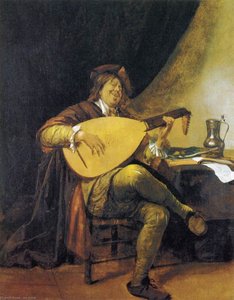
      ヤン・ステーンの肖像画
      ヤン・ステーン · 1626 – 1679
      生没年
      1626 – 1679, ライデン
      ムーブメント
      Baroque
      カタログ掲載作品
      499
      最も有名な
      The Dissolute Household (1663)
      最多収蔵館
      ナショナル・ギャラリー

      ヤン・ステーンの最も有名な名作10選

      The Dissolute Household (1663) による ヤン・ステーン
      1

      The Dissolute Household

      1663 · Oil On Canvas · メトロポリタン美術館, ニューヨーク

      A Symphony of Chaos: Unveiling Jan Steen’s Masterpiece The Dissolute Household is not merely a painting; it is a theatrical performance frozen in time, a vibrant window into the boisterous and often unruly heart of the Dutch Golden Age. Created around 1663 by the incomparable Jan Havickszoon Steen, this work serves as a masterful exploration of human frailty, humor, and the delightful disorder of domestic life. As one gazes upon…

      The feast of Saint Nicholas (1670) による ヤン・ステーン
      2

      The feast of Saint Nicholas

      1670 · Oil On Canvas · ボイジャンズ・ヴァン・ビューニンゲン美術館, ロッテルダム

      Step into this room and you are immediately caught in the middle of a Dutch household in mid-December. The air feels heavy with the scent of citrus and spiced bread. We are witnessing the Feast of Saint Nicholas, a tradition where the boundaries between reward and punishment are laid bare. In the foreground, a young girl holds a tin bucket overflowing with treats, her expression one of quiet triumph. Contrast…

      Merry Company on a Terrace (1670) による ヤン・ステーン
      3

      Merry Company on a Terrace

      1670 · Oil On Canvas · メトロポリタン美術館, ニューヨーク

      In the heart of the seventeenth century, amidst the burgeoning prosperity of the Dutch Golden Age, Jan Havickszoon Steen captured a moment that transcends time. "Merry Company on a Terrace" is not merely a painting; it is a vibrant, breathing window into a world of conviviality and controlled chaos. As one gazes upon this monumental canvas, completed around 1670, the viewer is immediately swept into a bustling courtyard where the…

      The Dancing Couple (1663) による ヤン・ステーン
      4

      The Dancing Couple

      1663 · Oil On Canvas · ナショナル・ギャラリー・オブ・アート, ワシントン

      To gaze upon Jan Steen’s “The Dancing Couple” is to be instantly swept up in the boisterous, uninhibited spirit of a seventeenth-century Dutch kermis. Painted in 1663, this masterpiece serves as much more than a mere visual record of a village fair; it is an immersive sensory experience that captures the very heartbeat of the Dutch Golden Age. Steen, a master of the human comedy, avoids the stiff formality often…

      'As the Old Sing, so Pipe the Young' (1664) による ヤン・ステーン
      5

      'As the Old Sing, so Pipe the Young'

      1664 · Oil On Canvas · マウリッツハイス, ハーグ

      A boisterous domestic interior unfolds in a dense, multi-layered composition, capturing a moment of chaotic conviviality. The scene centers on a family gathering where the boundaries between celebration and disorder are blurred. At the heart of the room, a laughing man—often identified as a self-portrait of the artist—gestures toward the folly of the assembly, while an elderly woman in the foreground examines a sheet of music. This document contains the…

      Merry family (1668) による ヤン・ステーン
      6

      Merry family

      1668 · Oil On Canvas

      The air in the room feels thick with the sudden, boisterous energy of the Merry family. Painted by Jan Steen in 1668, this scene captures a moment of unrestrained domestic life that seems to pulse with life even now. It is a genre painting, a window into the everyday realities of the Dutch Golden Age, where the boundaries between celebration and chaos blur. One can almost hear the sudden burst…

      Village school (1670) による ヤン・ステーン
      7

      Village school

      1670 · Oil On Canvas

      In the heart of the seventeenth century, amidst the burgeoning prosperity of the Netherlands, Jan Steen captured a world that was as chaotic as it was charming. His masterpiece, Village School, painted around 1670, serves as a vibrant portal into the daily rhythms of rural life during the Dutch Golden Age. Unlike the grand, often stiff historical allegories favored by some of his contemporaries, Steen possessed a singular gift for…

      Dissolute Household (1664) による ヤン・ステーン
      8

      Dissolute Household

      1664 · Oil On Canvas

      The air in the room feels heavy with the scent of spilled wine and the frantic energy of a household left to its own devices. At the center of this swirling commotion, a man sits with a sly smirk, his fingers entwined with those of a maid as she pours a generous serving of wine for his wife. The woman, seemingly oblivious to the flirtation unfolding beside her, remains focused…

      The Lovesick Maiden (1660) による ヤン・ステーン
      9

      The Lovesick Maiden

      1660 · Oil On Canvas · メトロポリタン美術館, ニューヨーク

      In the quiet, shadowed corners of seventeenth-century Dutch life, Jan Steen captured moments that whispered of much more than what met the eye. His masterpiece, The Lovesick Maiden, painted around 1660, is far more than a mere domestic scene; it is a profound psychological drama staged within the intimate confines of a bourgeois interior. At first glance, the viewer is drawn to the central figure—a young woman slumped in a…

      Revelry at an Inn (1674) による ヤン・ステーン
      10

      Revelry at an Inn

      1674 · Oil On Canvas · ルーブル美術館, パリ

      In the heart of the Dutch Golden Age, few artists could capture the delightful disorder of human existence as masterfully as Jan Havickszoon Steen. His 1674 masterpiece, “Revelry at an Inn,” invites the viewer into a boisterous, sensory-rich world that feels remarkably alive even centuries after its creation. This is not a painting of quiet contemplation or distant myth; rather, it is a vivid snapshot of a bustling tavern, where…

      ヤン・ステーン の絵画ランキング 11位〜100位

      ボエレンケルミス (1670) による ヤン・ステーン
      #16

      ボエレンケルミス

      1670 · フランツ・ハルス美術館

      Jan Steenの「農村祭り」:オランダ黄金時代の芸術的傑作 農村祭りは、オランダ黄金時代を代表する画家ジャン・ハヴィクソーン・ステーンの作品群の中でも特に印象的な一枚です。この絵画は、日常生活の情熱とユーモアを捉え、当時の人々が経験した喜びや苦悩を鮮やかに描き出しています。ステーンは、宮殿や教会などの壮大な宗教画とは対照的に、農民の家族や酒場での宴会など、日常的な場面に焦点を当てた独自のスタイルで知られています。彼の作品は、単なる記録ではなく、人間の心理と社会状況を鋭く観察し、見る人に深い感動を与える力を持っています。 この絵画の中心となるのは、賑やかな農村の風景です。画面には少なくとも14人の人物が描かれ、彼らは互いに話し合い、笑い合い、そして何よりも楽しんでいます。特に注目すべきは、右側の女性がトイレに行っている場面で、これは当時の社会におけるタブー的な行為をユーモラスに表現したものであり、ステーンの芸術的意図を明確に示すものと言えるでしょう。農民たちの過剰な飲酒と行動は、ステーンが描き出した人間の弱さや滑稽さを象徴しています。彼はこのテーマを効果的に表現するために、絵画全体に独特の雰囲気を持たせているのです。 ステーンの絵画技法は、当時の他の画家とは異なる特徴があります。彼は油彩技法を用いながらも、細部まで緻密な描写を行い、光と影の効果を巧みに利用しています。特に注目すべきは、農民たちの表情や動きをリアルに表現するために用いられた筆致です。ステーンは、人間の感情を繊細かつ正確に捉える能力を持った画家の一人であり、彼の作品は美術史において重要な位置を占めています。彼は単なる風景画ではなく、人間の社会生活と精神性を反映した芸術作品として評価されています。 この絵画が描かれたのは、1670年という時期です。当時のオランダ社会は、経済的な繁栄と文化的な発展を経験しており、ステーンの作品はまさにその時代の空気感を表現しています。彼は農民たちの日常生活を観察し、彼らの喜びや苦悩をユーモラスに描き出すことで、当時の社会に対する批判的な視点を示しています。ステーンの絵画は、単なる美しい風景画ではなく、人間の心理と社会状況を鋭く観察し、見る人に深い感動を与える力を持っています。彼の作品は美術史において重要な位置を占めており、現代の人々にもその芸術的価値を感じさせるでしょう。 この絵画は現在、フランスのハールヘムにあるフランス・ハルズ美術館に所蔵されています。美術館ではステーンの他の作品も展示されており、彼の芸術的な才能と表現力の一端を知ることができます。ハールヘム美術館はオランダ黄金時代の芸術を代表する美術館であり、多くの人々が訪れる人気の観光スポットです。ステーンの絵画は、この美術館で見ることで、より深くオランダ黄金時代の芸術的遺産に触れられる機会を提供しています。

      このキャンバスを注文する →
      The Tempting Offer (1650) による ヤン・ステーン
      #26

      The Tempting Offer

      1650 · クンストハレ・ブレーメン

      The Tempting Offer is a monochromatic, grayscale oil painting that captures an intimate, quiet scene between two figures in an outdoor or semi-outdoor setting. The composition is centered…

      このキャンバスを注文する →
      Esther before Ahasuerus (1660) による ヤン・ステーン
      #28

      Esther before Ahasuerus

      1660 · エルミタージュ美術館

      The composition centers on two primary figures positioned within a dark, interior palace setting. Queen Esther, dressed in luminous white and blue garments, faces King Ahasuerus. The king…

      手描きで制作する →
      The Christening Feast (1660) による ヤン・ステーン
      #34

      The Christening Feast

      1660 · Finnish National Gallery

      The air in the room feels heavy with the scent of roasted meats and spilled ale. Light spills from an unseen window, cutting through the dim, rustic interior…

      手描きで制作する →
      Cat family による ヤン・ステーン
      #38

      Cat family

      ブダペスト美術館

      To gaze upon Jan Havickszoon Steen’s "Cat Family" is to step directly into the warm, convivial heart of 17th-century Dutch life. This Baroque masterpiece transcends a mere depiction…

      このキャンバスを注文する →
      Twelfth Night (1660) による ヤン・ステーン
      #41

      Twelfth Night

      1660 · ロサンゼルス・カウンティ・ミュージアム・オブ・アート

      Step into this crowded room and you are immediately met with the chaotic energy of a Twelfth Night feast. The air feels thick with the sounds of music…

      この光を、あなたの暮らしに。 →
      Smoker (1650) による ヤン・ステーン
      #45

      Smoker

      1650 · エルミタージュ美術館

      Step closer to the panel and notice how the light settles upon the central figure. We find ourselves in a dimly lit interior, a space defined by deep…

      手描きで制作する →
      The village wedding (1653) による ヤン・ステーン
      #47

      The village wedding

      1653 · ボイジャンズ・ヴァン・ビューニンゲン美術館

      is an oil on canvas work by the Dutch artist Jan Steen, executed in 1653. This piece represents a significant moment in the artist's early career, demonstrating his…

      このキャンバスを注文する →
      Bathsheba (1668) による ヤン・ステーン
      #52

      Bathsheba

      1668 · ノートン・サイモン美術館

      In this 1668 work, Jan Steen captures a moment of heavy, unspoken tension. The scene focuses on Bathsheba as she receives a letter from Joab, a message that…

      手描きで制作する →
      Merrymaking in a Tavern (1674) による ヤン・ステーン
      #54

      Merrymaking in a Tavern

      1674 · ウォレス・コレクション

      The composition presents a crowded tavern scene, characterized by a complex, multi-layered arrangement of figures. In the foreground, various individuals engage in disparate activities, creating a sense of…

      このキャンバスを注文する →
      Couple at an Inn Table (1660) による ヤン・ステーン
      #66

      Couple at an Inn Table

      1660 · Statens Museum For Kunst

      Jan Havickszoon Steen produced Couple at an Inn Table in 1660. This oil on panel work captures a specific moment of social interaction within a Dutch interior. The…

      手描きで制作する →
      Interior (1660) による ヤン・ステーン
      #69

      Interior

      1660 · 国立ギャラリー・オブ・ビクトリア

      The composition presents a crowded, boisterous interior scene filled with figures engaged in various activities. A pyramidal arrangement of bodies directs the eye through a series of overlapping…

      手描きで制作する →
      The Doctor's Visit (1661) による ヤン・ステーン
      #75

      The Doctor's Visit

      1661 · ヴィクトリア&アルバート博物館

      To stand before a work by Jan Havickszoon Steen is to step unceremoniously into the heart of 17th-century Dutch life. This painting, The Doctor's Visit, is not merely…

      手描きで制作する →

      ヤン・ステーンのキャンバス、時代ごとに

      ヤン・ステーン の代表作

      これらのキャンバスに最も頻繁に描かれた4つの主題と、それぞれの代表作。

      ヤン・ステーンのキャンバスが飾られる場所

      このページに掲載されている絵画を最も多く所蔵している 8 の美術館

      美術館 都市 ヤン・ステーンの作品 このリストの絵画
      ナショナル・ギャラリー, ロンドンナショナル・ギャラリー ロンドン 10 The Interior of an Inn, A Pedlar selling Spectacles outside a Cottage, An Interior with a Man offering an Oyster to a Woman
      国立美術館, アムステルダム国立美術館 アムステルダム 34 The Feast of St. Nicholas, Interior with a Woman Feeding a Parrot, Known as ‘The Parrot Cage’, Man with a fiddle in bad company, Jan Havicksz. Steen (copy after), 1670 - 1700
      マウリッツハイス, ハーグマウリッツハイス ハーグ 16 'As the Old Sing, so Pipe the Young', The Oyster-eater, An Old Couple Making Caudle
      エルミタージュ美術館, サンクトペテルブルクエルミタージュ美術館 サンクトペテルブルク 9 Esther before Ahasuerus, Smoker, Tric-Trac Players
      メトロポリタン美術館, ニューヨークメトロポリタン美術館 ニューヨーク 7 The Dissolute Household, Merry Company on a Terrace, The Lovesick Maiden
      ボイジャンズ・ヴァン・ビューニンゲン美術館, ロッテルダムボイジャンズ・ヴァン・ビューニンゲン美術館 ロッテルダム 7 The feast of Saint Nicholas, The village wedding, Cutting for the stone
      ブダペスト美術館, ブダペストブダペスト美術館 ブダペスト 5 A Merry Party (detail), A Merry Party (detail), Cat family
      Statens Museum For Kunst, コペンハーゲンStatens Museum For Kunst コペンハーゲン 5 The Miser, Singer with a Guitar, Couple at an Inn Table

      年代別:ヤン・ステーンの最も有名な名画

      1. 1640s
        Peasants merry-making outside an Inn (1647) による ヤン・ステーン
        キャンバス 32 / 100

        Peasants merry-making outside an Inn

        年齢 14歳 – 23歳 · ナショナル・ギャラリー

        The scene unfolds beneath a heavy, leafy canopy that forms a natural ceiling over a group of figures gathered outside an inn. On the left, a large, dark…

      2. 1650s
      3. 1660s
        The Dissolute Household (1663) による ヤン・ステーン
        100作品中、第1位

        The Dissolute Household

        年齢 34歳 – 43歳 · メトロポリタン美術館

        A Symphony of Chaos: Unveiling Jan Steen’s Masterpiece The Dissolute Household is not merely a painting; it is a theatrical performance frozen in time, a vibrant window into…

      4. 1670s
        The feast of Saint Nicholas (1670) による ヤン・ステーン
        100件中2位

        The feast of Saint Nicholas

        年齢 44歳 – 53歳 · ボイジャンズ・ヴァン・ビューニンゲン美術館

        Step into this room and you are immediately caught in the middle of a Dutch household in mid-December. The air feels heavy with the scent of citrus and…

      ヤン・ステーンの絵画に関するよくあるご質問

      ヤン・ステーンの最も有名な作品は何ですか?回答を読む

      The Dissolute Household (1663)(メトロポリタン美術館, ニューヨーク)。続いてThe feast of Saint Nicholas (1670)、Merry Company on a Terrace (1670)が続きます。

      The Dissolute Householdの制作当時、ヤン・ステーンは何歳でしたか?回答を読む

      1626年に生まれたヤン・ステーンは37歳でした:The Dissolute Householdは1663年の作品です。

      ヤン・ステーンの最も有名な10作品は何ですか?回答を読む

      The Dissolute Household, The feast of Saint Nicholas, Merry Company on a Terrace, The Dancing Couple, 'As the Old Sing, so Pipe the Young', Merry family, Village school, Dissolute Household, The Lovesick Maiden と Revelry at an Inn。上記のランキングに掲載されている各キャンバスには、制作年と所蔵美術館が記載されています。

      ヤン・ステーンによる作品は何点知られていますか?回答を読む

      ヤン・ステーンによる作品が499点、1640年から1676年にかけてのものがカタログに掲載されています。

      ヤン・ステーンの代表的な作品は、どの美術館に収蔵されていますか?回答を読む

      主にナショナル・ギャラリー (ロンドン), 国立美術館 (アムステルダム) と マウリッツハイス (ハーグ)に所蔵されています。上記のリストには、各美術館とその所蔵作品が記載されています。

      ヤン・ステーンが最も有名な作品を描いたのは、何年頃でしょうか?回答を読む

      このページに掲載されている全100作品のうち、59作品が1660sの作品であり、その中にはThe Dissolute Householdが含まれます。

      ヤン・ステーンの代表作の中で、最初と最後に描かれたキャンバスは何ですか?回答を読む

      ここにある最も古いキャンバスはUnder the Influence outside Voorschoten (1640)、最も新しいものはJacob Confronting Laban (1676)です。

      ヤン・ステーンの絵画に最も頻繁に登場する主題は何ですか?回答を読む

      このページに掲載されている100点の作品におけるMan (25), Woman (23) と People (21)

      ヤン・ステーンは、普段どのような画材を使って描いていましたか?回答を読む

      このページに掲載されている全100作品のうち、42作品にOil On Canvasが使用されています。

      ヤン・ステーンはどの芸術運動に属していますか?回答を読む

      このページに並ぶキャンバスが示す通り、Baroque

      ナショナル・ギャラリーでヤン・ステーンの作品を見るには?回答を読む

      ナショナル・ギャラリー, ロンドンには、このページに掲載されている作品のうち6点が所蔵されており、その中にはThe Interior of an Inn, A Pedlar selling Spectacles outside a Cottage と An Interior with a Man offering an Oyster to a Womanも含まれています。

      ヤン・ステーンの絵画の手描き複製画を注文することはできますか?回答を読む

      はい。このページに掲載されているすべての絵画は、各作品の個別ページから、手書きの油彩複製画、またはお好みのサイズでのファインアートプリントとしてご注文いただけます。

      ヤン・ステーン:画家の物語

      生い立ち、家族、そして修行の時代

      ヤン・ステーンは1626年頃、ライデンにおいて、社交の場が持つダイナミズムを肌で知る家庭に生を受けた。少なくとも8人の子供たちの長男として育った彼の幼少期は、父ハヴィク・ステーンの商売という現実的な営みによって形作られた。穀物商人であり、また「レッド・ハルバート」という居酒屋を営む醸造家でもあった父の存在は、彼の人生に欠かせない要素となった。ライデンのカトリック・コミュニティに根ざしたこの家庭環境は、後に彼の芸術的成果を決定づけることになる、賑やかで、時に混沌とした人間模様を間近で観察する機会を彼に与えたのである。彼は単にそうした生活を眺める傍観者ではなく、その生活そのものから生み出された存在であったと言えるだろう。

      彼の学問的な歩みと職業的な登録状況を辿ると、当時のオランダ共和国における知的・ギルド的な社会構造の中を、着実に歩んでいった姿が浮かび上がる。1646年にはライデン大学に登録され、1648年には聖ルカ組合への登録を通じて、画家としての「マスター(親方)」の地位を獲得した。単なる観察者から、技術的な正当性を備えた専門職へと脱皮したこの転換点は、単なる写実を超えた、確かな技術に裏打ちされたキャリアの幕開けを意味していた。

      初期の修行における具体的な詳細は、記録として残っているわけではなく、歴史的な推察の域を出ない。公式な徒弟制度の記録は現存していないものの、彼の卓越した技術の変遷を辿れば、数々の重要な巨匠たちの手法を吸収していたことが強く示唆される。彼はヤン・ファン・ゴイエン、ニコラウス・クニプファー、そしてアドリアーン・ファン・オスターデといった先達から、その技術的な知見を授かった可能性が高い。こうした先人たちの影響は、同時代の画家たちが好んだ壮大な寓意画ではなく、人間の行動に潜む心理的な機微を優先させるという、彼独自のスタイルを築き上げるための強固な礎となったのである。

      活動期と居住地

      ヤン・ステーンのキャリアは、オランダ共和国の都市部を縦横無尽に駆け巡る、絶え間ない移動によって形作られていました。彼は一つの場所に留まることを良しとせず、自身の職業的な歩みに合わせて居住地を移し続けていったのです。1649年にはハーグでマルガレータ・ファン・ゴーイェンと結婚しましたが、この縁が当時の有力な芸術家たちの社交界へと彼を繋ぐことになりました。この時期の彼の人生は、まさに放浪する芸術家そのものであり、名声を確立し、刻々と変化する美術市場の需要に応えるべく、さまざまな都市の間を渡り歩いていったのです。

      彼の足跡は、いくつかの主要な地域において極めて詳細に記録されています。1656年から1660年にかけては、ヴァルモンドでその才能を発揮していました。その後、1661年から1670年までの10年間はハーレムに身を置き、そこで活動を展開します。このハーレムでの歳月は、彼の創作活動における極めて重要な時期であり、オランダの芸術界における確固たる地位を築き上げた時代でもありました。そして晩年、彼は自身の生誕の地へと戻り、1670年からその生涯を閉じるまでライデンで暮らしました。

      こうした地理的な移動は、単なる個人の好みによるものではなく、17世紀の職業画家が直面していた現実的な側面を反映したものでした。ハーレムの独特な芸術的雰囲気から、ライデンの伝統的な環境に至るまで、異なる都市の文化に柔軟に適応できたことこそが、頻繁な転居を繰り返しながらも、一貫した作品を生み出し続けることを可能にしたのです。彼の人生は、醸造業という実家との繋がりと、彼が住まう都市の職業的なギルド制度との間を揺れ動く、変遷の連続であったと言えるでしょう。

      技法と芸術的スタイル

      ヤン・ステーンの視覚言語は、鋭いユーモアのセンスと、描かれた場面の表面を突き抜けていくような深い心理的洞察に基づいています。彼は単に人々を描写するのではなく、人々を突き動かす、時に混沌とした人間特有の衝動を鮮やかに捉えてみせます。1640年代の初期の構図においては、誇張され歪められた人物像を用いることで、物語を推進させるグロテスクな表現へと傾倒していました。この、時に耳障りとも言える生々しいキャラクター描写こそが、後の作品群を定義付けることになる、より繊細でニュアンスに富んだ社会観察への礎となったのです。

      また、この芸術家が用いる色彩は、非常に力強く、豊かです。彼は幅広いパレットを駆使し、家庭的な生活の質感と、混雑した部屋の中に渦巻く混沌としたエネルギーを巧みに描き分けます。キャリアが進むにつれ、その技術的な表現も明確な変遷を遂げました。若かりし頃の重厚で、時に粗野なキャラクター描写は、より洗練された美学へと取って代わられます。後期の作品では、描かれる人物はより少数に絞られ、一人ひとりの個性が際立つようになります。初期の混雑したグロテスクな構図から脱却し、より落ち着きのある、繊細な色彩パレットによって定義されるスタイルへと進化を遂げたのです。

      こうした進化は、若き日の直截的な風刺から、より洗練された社会批評の手法への移行を反映しています。筆致を洗練させ、個々の表現の細部に焦点を当てることで、彼は「類型的な人間像」を描くことから「生きた人間」を描くことへと昇華させました。その結果、人間の行動が持つ不条理さと、制御された意図的な技術的精密さが絶妙な均衡を保つ、比類なき作品群が誕生したのです。

      主要作品と名作たち

      ヤン・ステーンの作品が今日まで極めて重要な意義を持ち続けているのは、彼がその物語の拠点を、17世紀の生活における、飾ることのない、混沌とした現実の中に置いたからに他なりません。『医師の訪問』において、彼は単なる肖像画の枠組みを超え、心理的な深みと道徳的な含意を湛えた情景を創り出しています。こうした日常の営みの中に重みを見出す卓越した能力は、1658年頃の作とされる『牡蠣食い』にも鮮明に表れており、オランダにおける社交の、活気に満ちた一瞬の交わりを見事に捉えています。これらの作品は、壮大な寓意に頼るのではなく、登場人物たちと彼らを取り巻く環境との間に流れる緊張感によって、観る者を惹きつけるのです。

      また、この芸術家は、人間の過ちを浮き彫りにするために、しばしば「混沌」という手法を用いました。『放蕩な家庭』(1663年)や『陽気な家族』(1668年)は、無秩序を視覚的に探求した作品として機能しており、騒がしい場面設定を通じて、放縦が招く結果への内省を促します。1663年の『踊るカップル』のような、より構成の整った作品においてさえ、焦点は常に、被写体が放つ具体的で刹那的な身振りへと向けられています。1660年代半ばの作品、例えば『聖ニコラウスの祝祭』(1665年頃)に見られるように、色彩と光を自在に操る彼の技術は、こうした社会的な観察眼を時代を超えて不朽のものにしています。

      • 『牡蠣食い』(1658年頃)
      • 『踊るカップル』(1663年)
      • 『放蕩な家庭』(1663年)
      • 『聖ニコラウスの祝祭』(1665年頃)
      • 『陽気な家族』(1668年)

      ヤン・ステーンによる全 499点の作品 →