アトリエ — 世界中へ送料無料 — お届けまで2〜6週間
      シモン・ヴーエ, 1590 – 1649

      The 100 Most Famous シモン・ヴーエ Paintings, Ranked

      The best-loved painting by シモン・ヴーエ is Venus and Adonis (1642), which hangs in the J・ポール・ゲティ美術館, ロサンゼルス. The Muses of Urania and Calliope (1634) and Annunciation (1640) come next among the canvases readers know best. Our catalogue holds 166 works by シモン・ヴーエ: here are the 100 most famous, each with its year, its museum and what makes it memorable.

      各作品の検索数、閲覧数、および注文数を組み合わせた当サイトの人気スコアに基づきランキングを作成しています。最終更新:10月 2026 Each painting on this page can be ordered as an oil reproduction painted by hand on linen canvas, or as a fine art print, made to the size you choose.

      シモン・ヴーエの肖像画
      シモン・ヴーエ · 1590 – 1649
      生没年
      1590 – 1649, パリ
      ムーブメント
      Baroque
      カタログ掲載作品
      166
      最も有名な
      Venus and Adonis (1642)
      最多収蔵館
      ルーブル美術館

      Top 10 シモン・ヴーエ paintings: the canvases everyone knows

      Venus and Adonis (1642) による シモン・ヴーエ
      1

      Venus and Adonis

      1642 · Acrylic On Canvas · J・ポール・ゲティ美術館, ロサンゼルス

      Simon Vouet’s “Venus and Adonis,” painted in 1642, is a striking example of French Baroque art, showcasing the artist’s mastery of color, composition, and his assimilation of Italian artistic trends. This evocative scene depicts the poignant moment from Ovid's *Metamorphoses* where the mortal Adonis, captivated by hunting, rejects Venus’s advances, foreshadowing his tragic demise. The painting isn't merely a depiction of mythology; it's an exploration of love, desire, and mortality…

      The Muses of Urania and Calliope (1634) による シモン・ヴーエ
      2

      The Muses of Urania and Calliope

      1634 · Acrylic On Canvas · ナショナル・ギャラリー・オブ・アート, ワシントン

      Simon Vouet’s “The Muses Urania and Calliope”: A Symphony of Baroque Grace Simon Vouet (1590-1649) stands as a pivotal figure in the artistic landscape of 17th-century France, marking the decisive transition from Mannerism to the opulent grandeur of the Baroque style. His legacy resides not merely in his prolific output but also in his unwavering dedication to mastering Italian influences—a pursuit that fundamentally reshaped French painting and cemented Vouet’s place…

      Annunciation (1640) による シモン・ヴーエ
      3

      Annunciation

      1640 · Oil On Canvas · ウフィツィ美術館, フィレンツェ

      Simon Vouet's "Annunciation," painted in 1640, is more than just a religious depiction; it’s a masterful orchestration of light, shadow, and human emotion. This captivating work transports the viewer to an intimate interior space, where the momentous announcement of Mary’s divine conception unfolds with breathtaking drama. The painting immediately draws the eye to the kneeling figure of the Virgin Mary, bathed in a warm, golden glow emanating from the right…

      The Fortuneteller (detail) (1617) による シモン・ヴーエ
      4

      The Fortuneteller (detail)

      In the heart of 1617, amidst the vibrant and transformative atmosphere of Roman artistic circles, Simon Vouet captured a moment of profound human connection in his masterpiece, The Fortuneteller. This work, particularly when viewed in its intimate details, serves as much more than a mere portrait; it is an emblem of the burgeoning Baroque style that was beginning to reshape the visual landscape of Europe. The scene unfolds with a…

      Sleeping Venus (1630) による シモン・ヴーエ
      5

      Sleeping Venus

      1630 · Acrylic On Canvas · ブダペスト美術館, ブダペスト

      Simon Vouet's "Sleeping Venus," painted around 1630, is not merely a depiction of a reclining nude; it’s an exquisite distillation of Renaissance ideals and the burgeoning Baroque aesthetic. This captivating work transcends simple portraiture, offering instead a profound meditation on beauty, repose, and the delicate balance between earthly pleasure and spiritual contemplation. The painting immediately draws the viewer into a world of hushed tranquility, inviting us to share in the…

      Allegory of Virtue (1634) による シモン・ヴーエ
      6

      Allegory of Virtue

      1634 · Acrylic On Canvas · ルーブル美術館, パリ

      Simon Vouet’s “Allegory of Virtue,” completed around 1634, stands as a testament to the burgeoning Baroque aesthetic infiltrating French artistic circles during Louis XIII's reign. More than just a portrait—though it undeniably depicts a woman radiating grace and authority—the painting delves into profound philosophical concepts rooted in humanist ideals prevalent at the time.

      The Entombment (1638) による シモン・ヴーエ
      7

      The Entombment

      1638 · Oil On Canvas · Fitzwilliam College, Cambridge

      Simon Vouet's "The Entombment," painted in 1635–1638, is not merely a depiction of a biblical scene; it’s an exquisitely rendered meditation on grief, faith, and the profound dignity of sacrifice. This monumental work, currently residing within the collection of the Fitzwilliam Museum in Cambridge, transcends its subject matter to become a powerful testament to the Baroque era's ability to evoke intense emotion through masterful technique and carefully considered symbolism. Vouet,…

      Angels with Attributes of the Passion: Angel Holding the Vessel and Towel for washing the hands of Pontius Pilate (1624) による シモン・ヴーエ
      8

      Angels with Attributes of the Passion: Angel Holding the Vessel and Towel for washing the hands of Pontius Pilate

      1624 · Oil · Minneapolis Institute of Art, ミネアポリス

      A single celestial figure emerges from a deep, near-black void, commanding the space with an intimate and monumental presence. This angel, caught in a moment of profound spiritual devotion, gazes upward with eyes full of soulful contemplation or sorrow. The light descends from the upper left, carving the figure out of the darkness and casting soft, tender shadows across a face etched with emotion. Every detail feels immediate, from the…

      Saint John (1623) による シモン・ヴーエ
      9

      Saint John

      1623 · Oil On Canvas · フィラデルフィア美術館, フィラデルフィア

      A young man turns his face toward a light that remains unseen. His eyes, wide and searching, catch a glimmer that pulls his gaze upward, away from the dark, murky depths of the background. Thick, dark curls frame a pale face, creating a sharp contrast against the heavy shadows that swallow the space around him. He is caught in a moment of sudden, quiet realization. The light does not merely…

      Virgin and Child, with an Angel (1642) による シモン・ヴーエ
      10

      Virgin and Child, with an Angel

      1642 · Oil On Panel · フィラデルフィア美術館, フィラデルフィア

      The light falls softly upon the skin of the Virgin Mary, catching the curve of her cheek and the small, smooth hands of the Christ Child. They sit within a triangular arrangement that anchors the composition, surrounded by the deep shadows of a dense woodland. An angel leans into this intimate circle, its robes glowing with warm yellows and golds that contrast against the heavy, dark trees behind them. At…

      More シモン・ヴーエ canvases, 11 to 100

      Madonna with Child (1625) による シモン・ヴーエ
      #11

      Madonna with Child

      1625 · エルミタージュ美術館

      The room falls away into a deep, near-black shadow, leaving only two figures bathed in a soft, directional light. From the upper left, a gentle glow spills across…

      Order this canvas →
      Heavenly Charity (1640) による シモン・ヴーエ
      #14

      Heavenly Charity

      1640 · ルーブル美術館

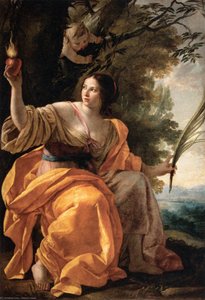
      A Beacon of Baroque Virtue: Simon Vouet’s Heavenly Charity Simon Vouet's "Heavenly Charity," completed around 1640, stands as a cornerstone of French Baroque painting—a testament to Louis XIII’s…

      Bring this light home →
      Allegory (1640) による シモン・ヴーエ
      #15

      Allegory

      1640 · Musei Capitolini

      Simon Vouet executed Allegory during his residency in Rome, a period spanning from 1614 to 1627. The work was commissioned by Marcello Sacchetti, a 17th-century Italian merchant and…

      Bring this light home →
      Sacrifice of Isaac (1642) による シモン・ヴーエ
      #17

      Sacrifice of Isaac

      1642 · ミルウォーキー美術館

      The painting titled Sacrifice of Isaac is a work of religious art. It is attributed to the French artist Simon Vouet (1590-1649) and Pierre Patel, the Elder (1605-1676).…

      Order this canvas →
      Ceres and Harvesting Cupids (1634) による シモン・ヴーエ
      #20

      Ceres and Harvesting Cupids

      1634 · ナショナル・ギャラリー

      The oil on canvas work titled Ceres and Harvesting Cupids was executed by Simon Vouet and studio. This painting dates to about 1634-5. The subject matter depicts Ceres,…

      Bring this light home →
      Suicide of Lucrece (1625) による シモン・ヴーエ
      #21

      Suicide of Lucrece

      1625 · 国立プラハ美術館

      The heavy silence of a tragic end hangs in the air within Suicide of Lucrece. In this dramatic oil painting, the artist Simon Vouet captures the precise, harrowing…

      Bring this light home →
      The Muse Clio (1640) による シモン・ヴーエ
      #22

      The Muse Clio

      1640 · シュタットリッヒェ・クンストハレ・カールスルーエ

      The Muse Clio is an oil on canvas painting by the artist Simon Vouet. Created about 1640, this work depicts the mythological figure Clio, who is recognized as…

      Order this canvas →
      Allegory with Venus, Mars, Cupid, and Time (1626) による シモン・ヴーエ
      #23

      Allegory with Venus, Mars, Cupid, and Time

      1626 · ジョン・アンド・メイブル・リンゴリング美術館

      Allegory with Venus, Mars, Cupid, and Time is an oil on canvas work by Simon Vouet, executed around 1626. The composition centers on a mythological narrative involving the…

      Order this canvas →
      Vanitas (1621) による シモン・ヴーエ
      #24

      Vanitas

      1621 · ワルシャワ国立博物館

      In Vanitas, Simon Vouet centers the composition on a tight, intimate encounter between two figures. A young woman and an older man emerge from a deep, near-black background…

      Bring this light home →
      The Muses Urania and Calliope (1634) による シモン・ヴーエ
      #55

      The Muses Urania and Calliope

      1634 · ナショナル・ギャラリー・オブ・アート

      Simon Vouet's "The Muses Urania and Calliope," painted in 1634, isn’t merely a portrait; it’s an immersive experience—a vibrant tableau vivant capturing the essence of classical inspiration. This…

      Bring this light home →
      POLYMNIE, MUSE DE L'ELOQUENCE による シモン・ヴーエ
      #58

      POLYMNIE, MUSE DE L'ELOQUENCE

      ルーブル美術館

      Within the hallowed halls of the Louvre resides a captivating portrait – *Polymnie, Muse of Eloquence* by Simon Vouet, a pivotal work that embodies the burgeoning spirit of…

      Order this canvas →
      Angel with dice and tunic (1620) による シモン・ヴーエ
      #59

      Angel with dice and tunic

      1620 · カポディモンテ美術館

      The celestial figure in Angel with dice and tunic gazes downward, caught in a moment of quiet contemplation. This oil on canvas work by the artist Simon Vouet…

      Have it painted by hand →
      Mary Adoring the Christ child (1623) による シモン・ヴーエ
      #61

      Mary Adoring the Christ child

      1623 · ボイジャンズ・ヴァン・ビューニンゲン美術館

      Mary Adoring the Christ child is a religious oil painting by the French artist Simon Vouet. Executed in 1623, the work belongs to the Baroque tradition, focusing on…

      Order this canvas →
      Toilet of Venus (1628) による シモン・ヴーエ
      #64

      Toilet of Venus

      1628 · シンシナティ美術館

      To gaze upon Simon Vouet’s Toilet of Venus is to step directly into a moment suspended in opulent leisure—a scene dripping with the sensuality and refined drama characteristic…

      Order this canvas →
      Self-Portrait (1615) による シモン・ヴーエ
      #65

      Self-Portrait

      1615 · Musée Réattu

      To stand before this self-portrait is to encounter not merely paint on canvas, but a direct conduit to the vibrant, ambitious spirit of early 17th-century Paris. Painted around…

      Bring this light home →
      LA VICTOIRE による シモン・ヴーエ
      #66

      LA VICTOIRE

      ルーブル美術館

      To stand before this depiction of La Victoire is to encounter pure, unbridled apotheosis. It is not merely a painting; it is a dramatic narrative captured in oil,…

      Bring this light home →
      The Rape of Europa (1640) による シモン・ヴーエ
      #67

      The Rape of Europa

      1640 · ティッセン・ボルネミッサ美術館

      To gaze upon Simon Vouet's depiction of The Rape of Europa is to step directly into the charged, dramatic heart of the Baroque era. This canvas is not…

      Order this canvas →
      sophonisba receiving the poisoned chalice (1623) による シモン・ヴーエ
      #68

      sophonisba receiving the poisoned chalice

      1623 · Staatliche Museen

      Sophonisba Receiving the Poisoned Chalice:バロック絵画の頂点、シモン・ヴオエによる劇的な歴史叙事詩 バロック美術における最高傑作として知られるシモン・ヴオエの「ソフォニスバが毒杯を受ける」は、ローマ史を語るリウィウスの歴史小説に登場する劇的な瞬間を捉えた絵画です。この作品はクラシック主義スタイルで制作され、そのダイナミックな光と表現力豊かな構成は、見る人に感動を与えるとともに、ヨーロッパ美術史におけるヴオエの地位を確立しています。 構成による物語の力:ドラマの中心に立つ女性たち 絵画の印象的な点はまず構成にあります。ヴオエは登場人物たちを洗練された構図の中に配置し、視線や動きを通じて物語を効果的に伝えようとしています。絵の中心にはソフォニスバが立ち、右上の明るい光が彼女を照らし出しています。これはバロック美術の特徴的な技法であり、感情を高めるためのものでした。彼女は毒杯を持ち上げ、その上に毒の危険を暗示する姿勢で、後ろに立つ老婦人の悲しげな視線と対峙しています。背景には遠く佇む人物と近く立つ人物がおり、さらに絵画全体の雰囲気を深めています。これらの要素は、ソフォニスバの運命を暗示し、見る人に深い感動を与えます。 技術革新:光と影による表現力豊かな彫刻効果 ヴオエの卓越した技術は、油彩技法における彼の驚くべき創造性にあります。彼は特に「スファルテート」と呼ばれる技法を用い、光と影を巧みにコントラストすることで、人物や風景を驚くほどの鮮明さと輝きで表現しています。「スファルテート」はバロック美術において重要な役割を果たし、絵画に立体感と奥行きを与えます。ヴオエは細部までこだわり抜いた筆致で、ソフォニスバのローブの襞や石柱の質感など、あらゆる要素を緻密に描写しています。彼の技術は単なる写実的な再現を超え、感情を表現する力を持っています。 歴史的背景と文化的意義:ローマ史における権威と悲劇 この絵画は、ローマ史における権威と悲劇というテーマを扱っています。ソフォニスバはカルタゴの軍人の子であり、ローマとの同盟国であるヌミディア王国の王子と結婚しました。彼女はローマの支配者たちからヌミディア王国の地位を守り抜き、その結果として再びローマとの関係が危機に瀕しました。しかし彼はローマ軍によって捕らえられ、ソフォニスバはローマに送られ、処刑されました。この絵画は、ソフォニスバの最後の瞬間を捉え、彼女の運命を暗示しています。ヴオエはリウィウスの歴史小説に基づいた物語を表現し、当時の社会情勢や価値観を反映しています。 象徴性と感情的なインパクト:栄光と絶望の間で輝く女性の肖像画 絵画全体には豊かな象徴性が込められています。ソフォニスバが身につけるエミューヌローブと王冠は、彼女の王位を表し、同時に彼女の運命を暗示しています。老婦人の悲しげな視線は人間の普遍的な感情である嘆きを表現し、死という現実を思い出させます。「毒杯」はソフォニスバが飲む毒であり、これは権威と栄光に対する挑戦と失敗を象徴しています。ヴオエは色彩にもこだわり抜いており、特に空の色は明るく鮮やかな色調で表現され、絵画全体の雰囲気を深め、見る人に感動を与えます。この絵画は単なる美しい肖像画にとどまらず、人間の感情や歴史的な背景を深く掘り下げた作品として評価されています。

      Have it painted by hand →
      St Catherine (1614) による シモン・ヴーエ
      #69

      St Catherine

      1614 · キリナーレ宮殿

      To stand before Simon Vouet's depiction of St Catherine is to step directly into the vibrant, emotionally charged atmosphere of early seventeenth-century Paris. This portrait captures more than…

      Have it painted by hand →
      Prince Marcantonio Doria (1621) による シモン・ヴーエ
      #70

      Prince Marcantonio Doria

      1621 · ルーブル美術館

      In the hallowed halls of the Musée du Louvre, there exists a window into the soul of the seventeenth century, captured through the masterful brushstrokes of Simon Vouet.…

      Order this canvas →
      Virgin and Child による シモン・ヴーエ
      #76

      Virgin and Child

      リヨン美術館

      Simon Vouet’s “The Virgin and Child (of the Column),” completed around 1640, stands as a cornerstone of French Baroque painting—a testament to artistic ambition and masterful execution that…

      Bring this light home →
      The Holy Family (1630) による シモン・ヴーエ
      #79

      The Holy Family

      1630 · クンストハレ・ブレーメン

      In the heart of the seventeenth century, as the rigid structures of Mannerism began to dissolve under the weight of a new, more visceral era, Simon Vouet emerged…

      Have it painted by hand →
      Madonna and Child (1633) による シモン・ヴーエ
      #80

      Madonna and Child

      1633 · ナショナル・ギャラリー・オブ・アート

      In the intimate embrace of Simon Vouet’s Madonna and Child, we are invited into a moment of profound, quiet tenderness that transcends the centuries. Painted in 1633, this…

      Bring this light home →
      LA MISE AU TOMBEAU による シモン・ヴーエ
      #81

      LA MISE AU TOMBEAU

      ルーブル美術館

      LA MISE AU TOMBEAU is a work by Simon Vouet, created between 1640 and 1642. This painting captures a moment of profound stillness. It depicts the iconographic type…

      Bring this light home →
      Allegory of Peace (1627) による シモン・ヴーエ
      #82

      Allegory of Peace

      1627 · ギャラリー・ナショナル・ド・アート・アンティカ

      Completed in 1627, Allegory of Peace by Simon Vouet offers a profound look into the intellectual fervor and humanist aspirations of the seventeenth century. This work emerged during…

      Order this canvas →
      Allegory of Wealth (1630) による シモン・ヴーエ
      #83

      Allegory of Wealth

      1630 · ルーブル美術館

      Simon Vouet's 1630 *Allegory of Wealth* is not merely a painting; it’s an immersive experience, a meticulously crafted tableau that speaks volumes about the values and aspirations of…

      Order this canvas →
      The Fortune Teller (1618) による シモン・ヴーエ
      #87

      The Fortune Teller

      1618 · カナダ国立美術館

      The Fortune Teller, painted in 1618 by the masterful Simon Vouet, offers a captivating glimpse into the social and artistic currents of early 17th-century France. This portrait, measuring…

      Bring this light home →
      Caritas Romana による シモン・ヴーエ
      #92

      Caritas Romana

      ワルシャワ国立博物館

      In Caritas Romana, Simon Vouet presents a quiet, emotionally charged encounter between two figures. The composition centers on a woman cradling an older, bearded man, creating an intimate…

      Order this canvas →
      St Jerome and the Angel (1622) による シモン・ヴーエ
      #93

      St Jerome and the Angel

      1622 · ナショナル・ギャラリー・オブ・アート

      Simon Vouet’s “St. Jerome and the Angel,” painted in 1622, is more than just a depiction of a biblical scene; it's a carefully constructed meditation on divine guidance,…

      Order this canvas →
      The Fortune Teller (1617) による シモン・ヴーエ
      #94

      The Fortune Teller

      1617 · ギャラリー・ナショナル・ド・アート・アンティカ

      Simon Vouet's "The Fortune Teller," painted in 1617, isn’t merely a portrait; it’s a carefully constructed tableau brimming with intrigue and a palpable sense of the mystical. Housed…

      Have it painted by hand →
      LE CHRIST EN CROIX による シモン・ヴーエ
      #95

      LE CHRIST EN CROIX

      ルーブル美術館

      is a significant work by the French Baroque painter Simon Vouet. The composition centers on the crucifixion of Jesus Christ, a central event of the New Testament. The…

      Order this canvas →

      シモン・ヴーエ's canvases, period by period

      What シモン・ヴーエ painted most

      The four subjects that return most often on these canvases, each with its best-loved example.

      Where シモン・ヴーエ's canvases hang

      このページに掲載されている絵画を最も多く所蔵している 8 の美術館

      美術館 都市 シモン・ヴーエの作品 このリストの絵画
      ルーブル美術館, パリルーブル美術館 パリ 20 Allegory of Virtue, Heavenly Charity, POLYMNIE, MUSE DE L'ELOQUENCE
      ブダペスト美術館, ブダペストブダペスト美術館 ブダペスト 5 Sleeping Venus, Parnassus or Apollo and the Muses, Parnassus or Apollo and the Muses (detail)
      ナショナル・ギャラリー・オブ・アート, ワシントンナショナル・ギャラリー・オブ・アート ワシントン 4 The Muses of Urania and Calliope, The Muses Urania and Calliope, Madonna and Child
      ギャラリー・ナショナル・ド・アート・アンティカ, ローマギャラリー・ナショナル・ド・アート・アンティカ ローマ 4 The Fortuneteller (detail), Allegory of Peace, The Fortune Teller
      ワルシャワ国立博物館, Warsawワルシャワ国立博物館 Warsaw 4 Vanitas, Caritas Romana
      ロサンゼルス・カウンティ・ミュージアム・オブ・アート, ロサンゼルスロサンゼルス・カウンティ・ミュージアム・オブ・アート ロサンゼルス 3 Model for Altarpiece in St. Peter's, Model for Altarpiece in St. Peter's
      Minneapolis Institute of Art, ミネアポリスMinneapolis Institute of Art ミネアポリス 2 Angels with Attributes of the Passion: Angel Holding the Vessel and Towel for washing the hands of Pontius Pilate, Angels with Attributes of the Passion, the Superscription from the Cross
      フィラデルフィア美術館, フィラデルフィアフィラデルフィア美術館 フィラデルフィア 2 Saint John, Virgin and Child, with an Angel

      シモン・ヴーエ's best-loved canvas of each decade

      1. 1610s
        The Fortuneteller (detail) (1617) による シモン・ヴーエ
        Canvas 4 of 100

        The Fortuneteller (detail)

        年齢 20歳 – 29歳 · ギャラリー・ナショナル・ド・アート・アンティカ

        In the heart of 1617, amidst the vibrant and transformative atmosphere of Roman artistic circles, Simon Vouet captured a moment of profound human connection in his masterpiece, The…

      2. 1620s
      3. 1630s
        The Muses of Urania and Calliope (1634) による シモン・ヴーエ
        Canvas 2 of 100

        The Muses of Urania and Calliope

        年齢 40歳 – 49歳 · ナショナル・ギャラリー・オブ・アート

        Simon Vouet’s “The Muses Urania and Calliope”: A Symphony of Baroque Grace Simon Vouet (1590-1649) stands as a pivotal figure in the artistic landscape of 17th-century France, marking…

      4. 1640s
        Venus and Adonis (1642) による シモン・ヴーエ
        1 of 100

        Venus and Adonis

        年齢 50歳 – 59歳 · J・ポール・ゲティ美術館

        Simon Vouet’s “Venus and Adonis,” painted in 1642, is a striking example of French Baroque art, showcasing the artist’s mastery of color, composition, and his assimilation of Italian…

      About シモン・ヴーエ's canvases: your questions answered

      What is the best-known painting by シモン・ヴーエ?Read the answer

      Venus and Adonis (1642), J・ポール・ゲティ美術館, ロサンゼルス. The Muses of Urania and Calliope (1634) and Annunciation (1640) follow.

      What age was シモン・ヴーエ when Venus and Adonis was painted?Read the answer

      シモン・ヴーエ, born in 1590, was 52 years old: Venus and Adonis dates from 1642.

      What are the 10 most famous paintings by シモン・ヴーエ?Read the answer

      Venus and Adonis, The Muses of Urania and Calliope, Annunciation, The Fortuneteller (detail), Sleeping Venus, Allegory of Virtue, The Entombment, Angels with Attributes of the Passion: Angel Holding the Vessel and Towel for washing the hands of Pontius Pilate, Saint John と Virgin and Child, with an Angel. Each canvas in the ranking above comes with its year and its museum.

      How many works did シモン・ヴーエ paint in all?Read the answer

      166 works by シモン・ヴーエ are in our catalogue, dated 1614 to 1645.

      Where can I see シモン・ヴーエ's most famous canvases?Read the answer

      Mostly in ルーブル美術館 (パリ), ブダペスト美術館 (ブダペスト) と ナショナル・ギャラリー・オブ・アート (ワシントン); the list above names each museum and its canvases.

      When did シモン・ヴーエ paint the best-loved canvases?Read the answer

      In 1620s, which gave 31 of the 100 works on this page, Angels with Attributes of the Passion: Angel Holding the Vessel and Towel for washing the hands of Pontius Pilate among them.

      Which are シモン・ヴーエ's earliest and latest famous canvases?Read the answer

      The earliest canvas here is Lovers (1614); the latest is Allegory of Prudence (1645).

      What did シモン・ヴーエ paint most often?Read the answer

      Woman (15), Renaissance (12) と Mythology (9), across the 100 works on this page.

      Which medium did シモン・ヴーエ paint in most often?Read the answer

      Oil On Canvas, used in 40 of the 100 works on this page.

      Which movement is シモン・ヴーエ's painting part of?Read the answer

      Baroque, as the canvases on this page show.

      Which シモン・ヴーエ canvases hang at the ルーブル美術館?Read the answer

      The ルーブル美術館, パリ holds 12 of the works on this page, among them Allegory of Virtue, Heavenly Charity と POLYMNIE, MUSE DE L'ELOQUENCE.

      Can I buy a reproduction of a シモン・ヴーエ canvas?Read the answer

      Yes. Every painting on this page can be ordered from its own page as an oil reproduction painted by hand, or as a fine art print, in the size you choose.

      シモン・ヴーエ: a life in paint

      シモン・ヴーエ:フランス・バロック絵画の先駆者

      • 生没年: 1590年1月9日、フランス、パリ
      • 没年: 1649年6月30日、フランス、パリ

      シモン・ヴーエは、フランス絵画がマニエリスムからバロック様式へと移行する過程において極めて重要な人物でした。画家であった父ローランと芸術を志した兄オーバンという芸術家一家に生まれ、幼少期からの訓練が彼の将来の成功の礎を築きました。彼の孫であるルドヴィコ・ドリニーは、この家の芸術的な系譜を受け継ぐことになります。

      初期のキャリアとイタリアの影響(1608年~1627年)

      • 肖像画による出発: ヴーエは肖像画家としてキャリアをスタートさせ、早い段階からその才能を発揮しました。
      • イングランドへの渡航(1608年): わずか14歳の若さでイングランドへ渡り、依頼された肖像画を描き、その芽生え始めた名声を世に示します。
      • オスマン帝国とヴェネツィア: 1611年、ヴーエはオスマン帝国駐在のフランス大使バロン・ド・サンシーの随行員となり、再び肖像画制作のために旅に出ます。この旅路はコンスタンティノープルを通り、やがて1612年にヴェネツィアへと彼を導きました。
      • ローマでの研鑽(1614年~1627年): ローマでの日々は彼の人生を変貌させました。彼はこの地に十三年間留まり、勃興しつつあったバロック期の活気に満ちた芸術の光景に身を浸したのです。

      イタリア滞在中、ヴーエは多岐にわたる影響を吸収しました。彼はカラヴァッジョが切り開いた劇的な光の技法を研究し、イタリア・マニエリスムの要素を取り入れました。また、パオロ・ヴェロネーゼが用いた色彩パレットやdi sotto in su(下方から上方への遠近法)を丹念に分析しました。さらに、カラッチ、グエルチーノ、ランフランコ、グイド・レニらの作品からもインスピレーションを得て、これら多様な様式を独自の芸術的ビジョンへと昇華させていったのです。

      ヴーエ独自の様式の確立

      • サン・ルカ美術アカデミーへの選出(1624年): ローマでの成功は、彼が権威あるサン・ルカ美術アカデミーの会長に選出されるという形で結実し、イタリア美術界における彼の技量と評価を証明しました。
      • 影響の統合: ヴーエの様式を特徴づけていたのは、様々な芸術的影響を受け入れ、それを精髄として抽出する能力でした。彼は単に模倣したのではなく、それらの要素を調和のとれた、紛れもなくイタリア的なバロック美学へと統合させたのです。
      • フランスへのバロック様式の導入: 1627年にフランスへ帰国した後、ヴーエはイタリアのバロック様式をフランス絵画にもたらす上で決定的な役割を果たし、この国の芸術景観に大きな影響を与えました。

      主要な功績と遺産

      • 王宮首席画家: ヴーエはPremier peintre du Roi(国王首席画家)という、計り知れない威信と影響力を持つ地位に任命されました。
      • 活発な工房の維持: 彼は大規模で活動的な工房を維持し、後の世代のフランス絵画の巨匠たちを育成しました。
      • 著名な弟子たち: 最も影響力の大きかった弟子たちには、ヴェルサイユ宮殿の装飾絵画全般を組織したシャルル・ルブラン、ヴァランタン・ド・ブローニュ、シャルル=アルフォンス・デュフレノワ、ピエール・ミニャール、ユスタッシュ・ルシュール、クロード・メランらが名を連ねます。
      • フランス美術への影響: ヴーエの影響は彼自身の作品に留まりませんでした。彼の弟子たちはその様式と技法をフランス全土に広め、独特のバロック絵画学派を確立しました。特にルイ14世が命じた壮大な装飾計画の中に、その影響は明白に見出されます。

      歴史的意義

      シモン・ヴーエの遺産は、イタリアとフランスという二つの芸術文化を結ぶ架け橋としての彼の役割に根ざしています。彼はイタリアバロックの持つ躍動感と壮大さを巧みに輸入し、それをフランス宮廷や貴族の嗜好に響く様式へと昇華させたのです。17世紀のフランス絵画の発展における彼の影響力は否定できず、その貢献は今日に至るまで美術史家たちから認められ続けています。

      シモン・ヴーエによる全 166点の作品 →