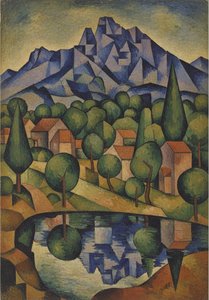
A Pioneer of Southeast Asian Modernism: Wee Kong Chai
Wee Kong Chai (1928 – Present) stands as a significant figure in Malaysian art history, embodying the spirit of artistic exploration during the mid-20th century and forging connections between Eastern traditions and Western influences. Born in Kuala Lumpur, Chai’s formative years were marked by exposure to both colonial heritage and burgeoning nationalist sentiments—a duality that would profoundly shape his artistic vision. His early training at the Singapore Academy of Arts instilled a foundational understanding of European art movements while simultaneously nurturing an appreciation for Malaysian cultural narratives.
Early Influences: Chai’s artistic journey began with a fascination for Impressionism and Post-Impressionism, particularly Cézanne and Picasso. These artists championed expressive brushwork and simplified forms—principles he skillfully adopted into his own distinctive style.
Parisian Exploration (1964): Recognizing the imperative of broadening artistic horizons, Chai embarked on a pivotal relocation to Paris in 1964. He enrolled at École Nationale Supérieure des Beaux-Arts, immersing himself in the vibrant intellectual and artistic milieu of the time. This period witnessed an intense engagement with Surrealism and Abstract Expressionism, further refining his technique and deepening his conceptual understanding.
Signature Works: Parisian Scenes & Cultural Storytelling
Chai’s oeuvre is characterized by a captivating blend of observation and imagination. His celebrated paintings, such as ‘A Scene in Paris,’ exemplify this approach—capturing the atmosphere of urban life with meticulous detail yet infused with an underlying sense of poetic abstraction. These canvases aren't merely representations; they are dialogues between reality and emotion, reflecting Chai’s profound engagement with the human condition. Similarly, 'Storyteller,' showcases his ability to convey cultural heritage through visual language, drawing inspiration from Malaysian folklore and traditions. The artist skillfully employs color palettes—often muted yet luminous—to evoke mood and memory.
Technique & Artistic Style
Wee Kong Chai’s artistic style is distinguished by a deliberate simplification of form combined with expressive brushwork. He favored layering techniques, allowing for subtle gradations of tone and texture that contribute to the overall depth and luminosity of his paintings. His meticulous attention to detail—particularly in capturing light and shadow—underscores his commitment to realism while simultaneously elevating his work beyond mere depiction. The influence of Cézanne’s geometric reduction is palpable, alongside echoes of Picasso's cubist explorations.
Legacy & Historical Significance
Wee Kong Chai represents a crucial link in the chain connecting Malaysian art to international artistic currents. He championed a modernist aesthetic that prioritized emotional resonance and conceptual innovation—a stance that resonated with artists across Southeast Asia during his time. His enduring contribution lies not only in his individual artworks but also in establishing a precedent for artistic experimentation rooted in cultural identity. Wee Kong Chai continues to inspire contemporary artists, cementing his place as a cornerstone of Malaysian art history.
TopImpressionists.com 編集部
ミニクイズ
各質問の正解は1つのみです。
設問 1:
Where was Wee Kong Chai born?
設問 2:
What art academy did Wee Kong Chai graduate from?
設問 3:
In what year did Wee Kong Chai move to Paris to study?
設問 4:
What is Wee Kong Chai known for creating?
設問 5:
Which artwork by Wee Kong Chai depicts a scene in Paris?
Explore the captivating world of Yi Eungro (Lee Ungno), a pivotal figure in Korean modernism. Discover his unique fusion of Eastern and Western artistic traditions, abstract masterpieces, and lasting legacy. A must-read for discerning art collectors.
Step into the vibrant nightlife of Montmartre with our curated guide to the top 25 Henri de Toulouse-Lautrec masterpieces. Explore Post-Impressionist legends and find museum-quality art reproductions for your decor. Discover all masterpieces on TopImpressionists.com.
Explore the profound legacy of Paul Cézanne. Discover how his mastery of geometric forms and vibrant color bridged Impressionism and Cubism, offering timeless inspiration for fine art collectors and enthusiasts seeking to understand the foundations of modern art.
In what year did Wee Kong Chai move to Paris to study?
1964
What is Wee Kong Chai known for creating?
Paintings
Wee Kong Chai には、他にどのような名称がありますか?
None
Wee Kong Chai氏の作品の著作権は、現在も存続していますか?
はい、このアーティストの作品には現在も著作権が存続しています。
Wee Kong Chaiの生年月日と出生地を教えてください。
1928, Kuala Lumpur, Malaysia
Wee Kong Chaiさんのご出身はどちらですか?
Malaysia
Wee Kong Chaiとはどのような方ですか?
A Pioneer of Southeast Asian Modernism: Wee Kong Chai
Wee Kong Chai (1928 – Present) stands as a significant figure in Malaysian art history, embodying the spirit of artistic exploration during the mid-20th century and forging connections between Eastern traditions and Western influences. Born in Kuala Lumpur, Chai’s formative years were marked by exposure to both colonial heritage and burgeoning nationalist sentiments—a duality that would profoundly shape his artistic vision. His early trainin
Which artwork by Wee Kong Chai depicts a scene in Paris?