ატელიე — უფასო მიწოდება მთელ მსოფლიოში — მიწოდების ვადა: 2–6 კვირა
      वॉल्टर Osborne, 1859 – 1903

      वॉल्टर Osborne-ის 57 ყველაზე ცნობილი ნა로絵

      Portrait of Stephen Gwynn (1864-1950), Author (1885) არის ნამუშწევრი, რომლითაც वॉल्टर Osborne ყველაზე მეტად არის ცნობილი; იგი ეკუთვნის National Gallery of Ireland-ს, დუბლინი. Portrait of Violet Osborne (1866-1893), Artist's Sister (1885) და Apple Gathering, Quimperlé (1883) ასრულებენ ყველაზე პოპულარული ტილოების ტრიოს. ჩვენს კატალოგში वॉल्टर Osborne-ის 58 ნამუშწარებია წარმოდგენილი. ქვემოთ მოცემულია 57 ყველაზე ცნობილი ნამუშწარები წელით, მუზეუმითა და თითოეული ტილოს ისტორიით.

      რეიტინგი დადგენილია ჩვენი პოპულარობის ქულებით, რომელიც აერთიანებს თითოეული ნამუშწარების ძიების, ნახვებისა და შეკვეთების რაოდენობას. განახლებულია ოქტომბერი 2026. ამ გვერდზე წარმოდგენილი თითოეული სურათის შეკვეთა შესაძლებელია, როგორც ტილოსზე ხელით შესრულებული ზეთწ후ოვანი რეპროდუქცია, ასევე, როგორც თქვენთვის სასურველი ზომის მაღალი ხარისხის მხატვრული ბეჭდვა.

      वॉल्टर Osborne პორტრეტი
      वॉल्टर Osborne · 1859 – 1903
      და lahir · died
      1859 – 1903, დუბლინი
      მიმდინარეობა
      Impressionism
      ნამუშევრები ჩვენს კატალოგში
      58
      ყველაზე ცნობილი
      Portrait of Stephen Gwynn (1864-1950), Author (1885)
      ყველაზე მეტი ნამشევრი [at]
      National Gallery of Ireland

      वॉल्टर Osborne-ის 열ده საუკეთესო ნახატი

      Portrait of Sir Thomas Drew (1838-1910), Architect (1891) ავტორის: वॉल्टर Osborne
      6

      Portrait of Sir Thomas Drew (1838-1910), Architect

      1891 · National Gallery of Ireland, დუბლინი
      ხელით ნაკletი ზეთისფერი რეპროდუქცია: $178 27 × 37 cm ორიგინალის ზომის $254 51 × 68 cm შეუკვეთეთ ორიგინალი ზომით →
      Portrait of J.B.S. MacIlwaine (1857-1945), Artist and Inventor (1892) ავტორის: वॉल्टर Osborne
      7

      Portrait of J.B.S. MacIlwaine (1857-1945), Artist and Inventor

      1892 · National Gallery of Ireland, დუბლინი
      ხელით ნაკletი ზეთისფერი რეპროდუქცია: $203 29 × 35 cm ორიგინალის ზომის $268 51 × 61 cm შეუკვეთეთ ორიგინალი ზომით →

      वॉल्टर Osborne: ტილოები, რეიტინგის 11 -დან 57 இடამდე

      რა ყველაზე ხშირად დახატა वॉल्टर Osborne-მა

      ამ ტილოებზე ყველაზე ხშირად განმეორებადი 네 სუბიექტი, თითოეული მათგანის საუკეთესო ნიმუშით.

      სადაც वॉल्टर Osborne-ის ტილოები ეკ hangs

      ამ გვერდზე წარმოდგენილი მხატვრობის შედეგების უმეტესობას 3 მუზეუმი ინახავს.

      მუზეუმი ქალაქი वॉल्टर Osborne შემოქმედებაలు ამ სიიდან მოპოვებული ნახატები
      National Gallery of Ireland, დუბლინიNational Gallery of Ireland დუბლინი 28 Portrait of Stephen Gwynn (1864-1950), Author, Portrait of Violet Osborne (1866-1893), Artist's Sister, Apple Gathering, Quimperlé
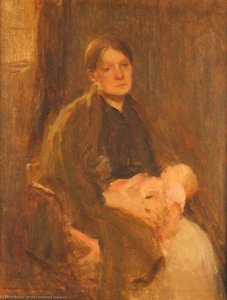
      Finnish National Gallery, ჰელსინკიFinnish National Gallery ჰელსინკი 1 Mother and Child
      National Portrait Gallery, ლონდონიNational Portrait Gallery ლონდონი 1 Robert Offley Ashburton Crewe-Milnes, 1st Marquess of Crewe

      वॉल्टर Osborne-ის ყველაზე ცნობილი ტილო, ათწლეულების განმავლობაში

      1. 1870s
        Feeding Time (1877) ავტორის: वॉल्टर Osborne
        18 57-დან

        Feeding Time

        나س, 11 – 20 წელი
      2. 1880s
      3. 1890s
      4. 1900s

      वॉल्टर Osborne-ის ტილოები, კითხვა კითხვაზე

      वॉल्टर Osborne-ის რომელი ტილოა ყველაზე ცნობილი?წაიკითხეთ პასუხი

      Portrait of Stephen Gwynn (1864-1950), Author (1885), National Gallery of Ireland, დუბლინი. მას მოსდევს Portrait of Violet Osborne (1866-1893), Artist's Sister (1885) და Apple Gathering, Quimperlé (1883).

      Portrait of Stephen Gwynn (1864-1950), Author: რამდენი წლის იყო वॉल्टर Osborne, როდესაც ეს ნამუშწარები შეიქმნა?წაიკითხეთ პასუხი

      वॉल्टर Osborne, რომელიც 1859 წელს დაიბადა, 26 წლის იყო: Portrait of Stephen Gwynn (1864-1950), Author შექმნილია 1885 წელს.

      რა არის वॉल्टर Osborne-ის 열 иң ცნობილი 열მეტი ტილო?წაიკითხეთ პასუხი

      Portrait of Stephen Gwynn (1864-1950), Author, Portrait of Violet Osborne (1866-1893), Artist's Sister, Apple Gathering, Quimperlé, The Return Of The Flock, Feeding the chickens, Portrait of Sir Thomas Drew (1838-1910), Architect, Portrait of J.B.S. MacIlwaine (1857-1945), Artist and Inventor, A Landscape with Cattle, Portrait of Mrs G.W. Yeates და When the boats come in. ზემოთ მოცემულ რეიტინგში თითოეულ ტილოზე მითითებულია მისი შემოქმედების წელი და მუზეუმი.

      რამდენ სურათი შექმნა वॉल्टर Osborne-მა?წაიკითხეთ პასუხი

      ჩვენს კატალოგშია 58 ნამუშგარები वॉल्टर Osborne-ისგან, თარიღებით 1877-დან 1902-მდე.

      სად hanging დღეს वॉल्टर Osborne-ის ყველაზე ცნობილი ტილოები?წაიკითხეთ პასუხი

      ძირითადად National Gallery of Ireland (დუბლინი), Finnish National Gallery (ჰელსინკი) და National Portrait Gallery (ლონდონი)-ში; ზემოთ მოცემულ სიაში წარმოდგენილია თითოეული მუზეუმი და მისი ტილოები.

      როდის შექმნა वॉल्टर Osborne-მა ყველაზე ცნობილი ტილოები?წაიკითხეთ პასუხი

      1880s-ში, რომელიც ამ გვერდზე წარმოდგენილი 57 ნამუშწაროსგან 13 შეადგენს, მათ შორის არის Portrait of Stephen Gwynn (1864-1950), Author.

      რომელი ცნობილი वॉल्टर Osborne ტილო შეიქმნა პირველად და რომელი ბოლოს?წაიკითხეთ პასუხი

      აქ წარმოდგენილი ტილოებიდან უძველესი არის Feeding Time (1877); უახლესი კი — Tea In The Garden (1902).

      რა თემებს ხატავდა ყველაზე ხშირად वॉल्टर Osborne?წაიკითხეთ პასუხი

      Irish art (4), Gardens and parks (3) და Shepherd (2), ამ გვერდზე წარმოდგენილ 57 ნამუშწარეს შორის.

      რომელ მიძღვნასთან არის დაკავშირებული वॉल्टर Osborne?წაიკითხეთ პასუხი

      Impressionism, როგორც ამ გვერდის ტილოები ადასტურებს.

      वॉल्टर Osborne-ის რომელ ჩანაწერი მო पीड़რობს National Gallery of Ireland?წაიკითხეთ პასუხი

      National Gallery of Ireland, დუბლინი-ში წარმოდგენილია ამ გვერდზე არსებული ნამუშევრების 28, მათ შორის Portrait of Stephen Gwynn (1864-1950), Author, Portrait of Violet Osborne (1866-1893), Artist's Sister და Apple Gathering, Quimperlé.

      სად შემიძლია वॉल्टर Osborne-ის ნახატის რეპროდუქციის შეძენა?წაიკითხეთ პასუხი

      დიახ. ამ გვერდზე წარმოდგენილი ყველა სურათის შეკვეთა შესაძლებელია მისივე გვერდიდან, როგორც ხელნაკეთი ზეთისებრი რეპროდუქციის, ისე მაღალი ხარისხის მხატვრული ბეჭდვის სახით, თქვენთვის სასურველი ზომით.

      გაიცანით მხატვარი: वॉल्टर Osborne

      Early Life and Artistic Foundations

      Walter Frederick Osborne, born in Rathmines, Ireland, in 1859, emerged from a family deeply rooted in the artistic world. His father, William Osborne, was a successful animal painter, providing young Walter with an early immersion into the sights, smells, and techniques of a working artist’s life. This foundational exposure proved pivotal, nurturing a talent that would blossom into a significant contribution to Irish art. Osborne's formal training began at Rathmines School before progressing to the prestigious Royal Hibernian Academy (RHA) Schools in Dublin. His dedication and skill were quickly recognized; he garnered numerous prizes, culminating in the esteemed Taylor scholarship (£50) – a testament to his exceptional promise even in those early years. This financial support enabled him to broaden his horizons and seek further education abroad, setting the stage for a period of crucial artistic development.

      European Influences and Artistic Development

      Osborne’s journey took him to Antwerp in 1881, where he studied at the Académie Royale des Beaux-Arts under Charles Verlat. This experience immersed him in realist traditions, honing his technical skills and emphasizing meticulous observation. However, it was a subsequent sojourn to Brittany between 1883 and 1884 that proved transformative. Working in locations like Dinan, Pont-Aven, and Quimperlé, Osborne encountered the *plein air* style championed by Jules Bastien-Lepage. This marked a turning point, encouraging him to capture nature directly, responding to light and atmosphere with an immediacy previously absent from his work. The influence of Flemish master Rubens also lingered in his artistic consciousness, evident in his later compositions. These diverse influences – the realism of Verlat, the naturalism of Bastien-Lepage, and the compositional strength of Rubens – coalesced into a unique artistic voice that would define Osborne’s career. His time in England followed, working alongside artists like Nathaniel Hill and Augustus Burke, further refining his skills in landscape and genre scenes depicting rural life.

      A Return to Dublin and Portraiture Success

      Family circumstances prompted Osborne's return to Dublin in 1892, where he established a thriving portrait practice. While landscapes and genre scenes remained central to his artistic interests, the demand for portraits provided financial stability and recognition. He had already become a full member of the RHA in 1886, solidifying his position within the Irish art establishment. Osborne’s style continued to evolve during this period, gradually moving away from strict realism towards Impressionism. This shift manifested in looser brushwork, a more adventurous palette, and an increased emphasis on capturing fleeting moments of light and atmosphere. His portraiture gained considerable acclaim, culminating in the bronze medal awarded for “Mrs Noel Guinness and her Daughter Margaret” at the Exposition Universelle in 1900 – a significant international honor.

      Themes, Legacy, and Lasting Impact

      Walter Osborne’s artistic legacy rests on his sensitive and insightful depictions of everyday life, particularly his documentary portrayals of Dublin's working class. He possessed an exceptional ability to capture the dignity and resilience of ordinary people, offering a poignant glimpse into their world. Beyond these compelling social commentaries, he painted numerous evocative landscapes and genre scenes depicting rural Ireland and England. His notable works, including “Feeding the Chickens,” “Mother and Child,” “The Return Of The Flock”, "Small Girl With A Cat", and “Cherry Ripe,” showcase his mastery of light, color, and composition. Tragically, Osborne’s life was cut short by pneumonia in 1903 at the age of just 43, leaving many to speculate about the artistic heights he might have reached. Despite his premature death, he is now rightfully regarded as a major figure in Irish art history. His work provides invaluable insights into the social conditions and daily lives of late 19th-century Ireland, and his blend of realism and Impressionism continues to inspire subsequent generations of artists. He wasn’t part of any formal movement but his influence on later Irish painters is undeniable, a testament to the enduring power of his vision and skill.