


 ნახვა ინტერьерში
 გაგზავნა
 გაზიარება
 დეტალები
 გზამკვლევი

 ჩამოტვირთვა
 მსგავსები
 რენტგენოგრაფიული კვლევა
 სლაიდშოუ
 სტატისტიკა
Calling of Saint Matthew
 ზეთი ტილოზე
- კედლის დეკორი
- Baroque
 1600
1600- რენესანსი
 323.0 x 343.0 cm
Experience Caravaggio's dramatic masterpiece, 'The Calling of Saint Matthew,' depicting Jesus summoning Matthew to his side with masterful chiaroscuro and capturing the essence of Baroque art.
 სრული ტექსტის ნახვა
კარავაჯო (1571-1610) - ბაროკოს ოსტატი, რომელმაც რეალიზმს უწოდა ხელი. მისი დრამატული რელიგიური სცენები, შუქისა და ნაცრის კონტრასტი და რევოლუციური სტილი დღემდეა სათუთი.
ხელით შესრულებული ზეთის საღებავით რეპროდუქცია
ტილოზე შესრულებული ფერწერიანი ზეთប្រდათი, თქვენთვის სასურველი ზომისა და ჩარჩოსთვის, ჩვენი ხელოვანების მიერ შეკვეთის საფუძველზე დამზადებული. ( გადართვა ბეჭდვის რეჟიმზე გადასვლა ციფრულ გამოსახულებაზე)




P118B $10

P118H $10

P118W $10

P438Z $10

P508JH $12

P508YH $12

P805H $10

P805Z $10

P919BZ $10

P919G $10

P919XJ $10

P959ZH $10

P968JZ $12

W106C $8

W218G $10

W218JH $8

W218Y $10

W307PJ $10

W316G $10

W316PJ $8

W316Y $10

W398PJ $8

W4111J $10

W500HY $15

W500JH $15

W692G $12

W849H $8

W940BG $15

W953PJ $8




სტანდარტული ზომა
ინდივიდუალური ზომა
CM
INCH
აირჩიეთ ჩვენს მიერ წინასწარ განსაზღვრული ზომებიდან, რომლებიც ნაწარმოების ორიგინალურ პროპორციებს შეესაბამება.
Loading sizes...

სიგანე
სიმაღლე
თქვენ შეგიძლიათ მიუთითოთ თქვენთვის სასურველი ზომები კონკრეტული ჩარჩოს ან სივრცის შესაბამისად. თუ თქვენ მიერ არჩეული ზომა არ შეესაბამება ორიგინალი გამოსახულების პროპორციებს, ჩვენ ან შევაჭრებთ ნაწარმოებს, ან ტილოზე დავამატებთ ხელით მოხატულ ელემენტებს. წარმოების დაწყებამდე, დასამტკიცებლად გამოგეგზავნებათ ციფრული მაკეტი.
გთხოვთ, გაითვალისწინოთ, რომ ეკრანზე ნაჩვენები წინასწარი შეხედულება არ ასახავს რეალურ შეჭრას ან გაფართოებას. საბოლოო კომპოზიციას ზუსტად მხოლოდ მაკეტი წარმოაჩენს.
მიუხედავად იმისა, რომ შესაძლებელია ინდივიდუალური ზომების შერჩევა, ორიგინალური პროპორციების შენარჩუნებისათვის გირჩევთ, გამოიყენოთ წინასწარ განსაზღვრული სიის ზომები.
რა შეიძლება შეიცვალოს: სახის ჩანაცვლება მომხმარებლის ფოტოთი; შინაური ცხოველის დამატება (მაგ., კატის ჩანაცვლება ძაღლით); ფონზე ფარული შეტყობინების დამატება; ფონის პეიზაჟის ან ელემენტების შეცვლა.
შეკვეთის შემდეგ, TopImpressionists.com გუნდი დაგიკავშირდებათ ელექტრონული ფოსტით ინსტრუქციებისთვის და გამოგიგზავნით წინასწარ ნახაზს (mockup).
შეკვეთის შემდეგ, TopImpressionists.com გუნდი დაგიკავშირდებათ ელექტრონული ფოსტით ინსტრუქციებისთვის და გამოგიგზავნით წინასწარ ნახაზს (mockup).
მიწოდება მსოფლიო მასშტაბით -ში 3/4 კვირაში, სტანდარტული 5 კვირის ნაცვლად. (25 სექტემბერი). ხარისხზე კომპრომისის გაკეთება არ მოხდება.

უფასო ექსპრეს მიწოდება მთელ მსოფლიოში

მაღალი ხარისხის ტილო

ტრანსპორტირების სრული დაზღვევა

საბაჟო გადასახადების დაბრუნების გარანტია

ფერების სრული შესაბამისობის გარანტია

დაბრუნების 100-დღიანი პერიოდი (მხოლოდ წარმოების დეფექტის შემთხვევაში)

100% თანხის სრული დაბრუნების გარანტია

ფასდაკლება დიდი რაოდენობით შეკვეთისას
 მინის ჩარჩოს არჩევანი ხელმისაწვდომია მხოლოდ 110 სმ-მდე ზომისთვის

Calling of Saint Matthew
რეპროდუქციის ტექნიკა
რეპროდუქციის ზომა
-


ჯამური ღირებულება
$ 269
The Dramatic Revelation: Caravaggio’s “Calling of Saint Matthew”
Michelangelo Merisi da Caravaggio's "Calling of Saint Matthew," painted in 1599-1600 for the Contarelli Chapel within Rome’s San Luigi dei Francesi church, is not merely a biblical depiction; it’s a visceral plunge into human emotion and spiritual awakening. This masterpiece transcends its religious subject matter to become a profound study of light, shadow, and the transformative power of grace. The painting captures a pivotal moment – Jesus Christ's direct summons to Matthew, a former tax collector notorious for his avarice, to abandon his worldly life and follow him. It’s a scene brimming with tension, surprise, and an undeniable sense of divine intervention.
Caravaggio’s genius lies in his masterful manipulation of chiaroscuro – the dramatic interplay between light and darkness. The room is plunged into deep shadow, punctuated by shafts of brilliant illumination that focus intensely on Jesus, Matthew, and Peter. This stark contrast isn't simply a stylistic choice; it serves to heighten the drama and draw the viewer’s eye directly to the central figures. Notice how the faces of the other men at the table are partially obscured, suggesting their initial resistance or confusion, while Matthew is bathed in light, his expression one of stunned recognition and burgeoning faith. The use of tenebrism – a particularly intense form of chiaroscuro – creates an almost theatrical atmosphere, as if we’re witnessing a secret revelation unfolding before our eyes.
A Revolutionary Composition & Baroque Drama
The composition itself is revolutionary for its time. Caravaggio abandons the traditional, idealized depictions of biblical scenes prevalent in Renaissance art. Instead, he presents a scene of gritty realism – a humble dining room, ordinary men engaged in mundane activities, and a divine encounter that disrupts their routine. Matthew isn’t presented as a saintly figure; he's a flawed man, seated amongst his colleagues, counting coins with a look of preoccupied calculation. This grounding in the everyday makes the miracle all the more impactful. The positioning of Jesus – pointing directly at Matthew – is deliberately forceful and immediate, conveying the urgency of the call.
This painting firmly establishes Caravaggio within the burgeoning Baroque style. The Baroque period, emerging in the 17th century, favored dramatic intensity, emotional expression, and a heightened sense of realism. Caravaggio’s work embodies these principles perfectly. He wasn't interested in creating beautiful, polished images; he sought to capture the raw energy and profound truths of faith. The painting’s dynamism—the movement of figures, the contrast of light and dark—mirrors the turbulent spirit of the era.
Symbolism & The Transformation of a Man
Beyond its immediate narrative, “Calling of Saint Matthew” is rich in symbolism. The coins scattered on the table represent Matthew’s former life of greed and deceit. The gesture of Jesus – pointing directly at Matthew – symbolizes divine grace and the opportunity for redemption. The inclusion of Peter, a prominent disciple, underscores the universality of this call to faith; anyone can be chosen by God. Furthermore, the setting itself—a simple dining room—suggests that spiritual transformation can occur in the most ordinary of circumstances.
Matthew’s expression is key to understanding the painting's emotional core. His initial surprise quickly gives way to a mixture of awe and acceptance. It’s not a triumphant declaration of faith, but rather a hesitant acknowledgment of God’s presence. This vulnerability resonates deeply with viewers, reminding us that conversion is often a process of gradual realization and humble surrender.
A Legacy of Influence & Artistic Innovation
"Calling of Saint Matthew" stands as one of Caravaggio's most significant achievements and a cornerstone of Baroque art history. Its innovative use of light and shadow, its dramatic composition, and its profound exploration of human emotion profoundly influenced generations of artists. Figures like Peter Paul Rubens, Jusepe de Ribera, Gian Lorenzo Bernini, and even Rembrandt were deeply impacted by Caravaggio’s techniques and vision. The painting's enduring appeal lies in its ability to capture a moment of grace and transformation—a testament to the power of faith and the transformative potential within each of us.
Today, this remarkable artwork resides within the Contarelli Chapel of San Luigi dei Francesi in Rome. TopImpressionists.com offers meticulously crafted oil painting reproductions that faithfully capture the drama and intensity of Caravaggio’s original masterpiece. Explore our collection to bring this iconic image into your home or office – a stunning reminder of faith, transformation, and the enduring legacy of one of art history's greatest masters.
მხატვრის ბიოგრაფია
Michelangelo Merisi da Caravaggio: ნათება და ჩრდილის სიმფონიის ქმნელი
მიქელანჯელო მერისი, უფრო ცნობილი როგორც კარაავაჯო (1571-1610), იტალიური ბაროკოს ერთ-ერთი ყველაზე მნიშვნელოვანი ფიგურა იყო. მისი სახელი განუყოფლად ასახელებს დრამატულ ინტენსივობას და გამორჩეულ სტილს, რომელიც ხელოვნების ისტორიაში უნიკალური კვალი დატოვა. მილანში დაბადებული, მომავალი მხატვარი ადრეული ასაკიდანვე გამოცდილიყო ტრაგიკული მოვლენებით – ქალაქი ეწიოკებადა შავი ölüm, რის შედეგადაც დაკარგა მშობლები და ბებიაქა. ეს პირველი შეხება ადამიანურ ტანჯვასთან და გამძლეობასთან განავითარებდა მისში მგრძნობელობას, თემატიკას რომელიც მოგვიანებით მისი ტილოებზე მკაფიოდ აისახებოდა. სიმონე პეტერზანოსთან სწავლა, ტიციანის მოწაფესთან, უზრუნველყო ძირითადი საფუძვლები რენესანსის ტექნიკაში, თუმცა უკვე მაშინ ჩანდა მუსრავი სული, რომელიც ტრადიციულ ნორმებს გაცემს. რომაში მის მოსვლამ, დაახლოებით 1592 წელს, აღნიშნა იტალიური ხელოვნების ლანდშაფტის რევოლუცია. ქალაქი, ხელშეწყობისა და რელიგიური ფერვორის ცენტრი, როგორც მიმზიდველი, ისე გულგატეხილიც გამოდგა ამბიციური მხატვრისთვის.ინოვატორი: ტექნიკა და სტილი
კარაავაჯოს რომაში გამოჩენა ხელოვნების სამყაროში სიმძლავრით შეტანილმა ცვლილებებმა აგორებულმა ტალღამ. მან უარყო მნათობელის პოპულარული სტილი, რომელიც ხასიათდებოდა ხელოვნური ელეგანტურობითა და გაწევითაშლებული ფორმებით, და მიიღო კომპრომისს არ მომხმარებელი რეალიზმი, რომელმაც ააცილეს შოკში და მოხიბვლა საზოგადოებას. მისი ყველაზე მნიშვნელოვანი სიახლე იყო ჩიაროსკუროს უნარი – სინათლისა და ნაფარეთის დრამატული კონტრასტი, რომელსაც ახალი ძალით აძლიერებდა. ეს ტექნიკა, რომელიც ხშირად მას „ტენებრიზმს“ ეძახდნენ, არ იყო მხოლოდ ესთეტიკური არჩევანი; ეს იყო გულწრფელი ემოციების გამოსახვის საშუალება, რომელიც მაყურებლებს გადაჰქონდა სცენის ცენტრში და მის ფიგურებში ცხოველმყოფელობას მატებდა. მან უარყო იდეალიზებული გამოსახულებები და თავისი ტილოებით შეავსო ჩვეული ადამიანები – ხშირად რომის ქუჩებიდან აღებულნი, რელიგიური ფიგურების როლში. ეს რადიკალური მიდგომა ეხმიანებოდა სილამაზისა და სიწმინდის ტრადიციულ წარმონაქმნებს, აყენებდა წმინდას ადამიანურად ახლო და ხელმისაწვდომად. მისი კომპოზიციები ხშირად მკაცრი და პირდაპირი იყო, რომელიც ფოკუსირებული იყო ინტენსიური დრამის გადამწყვეტი მომენტების აღნიშვნაზე, იქნება ეს „ქრისტეს აყვანის“ საშინელი რეალიზმი თუ „საქონლის მფარველისა“ ღრმა განშვილება.მნიშვნელოვანი ნაშრომები და გრძელვადიანი გავლენა
მისი შედარებით მოკლე კარიერაში, კარაავაჯომ შექმნა შედევრების კრებული, რომელიც დღემდე აღფრთოვანებს მაყურებლებს. ადრეული ნაშრომები, როგორიცაა „სარფიანი“ (1594), აჩვენებს მისი ნიჭის განვითარებას რეალურ დეტალებსა და ფსიქოლოგიური ელფერი გადასაზარებად. „ემავზის სადილი“ (1601-1602), რომელიც ინგლისეთის ეროვნულ გალერეაში ინახება, წარმოადგენს ჩიაროსკუროსოს ნათელ მტკიცებასა და უნარს ღრმა ემოციურ სიღრმეს განავითარებდეს ბიბლიური მოთხრობის ფარგლებში. „დავითი გოლიათთან“ (საკუთარი თავის პორტრეტი) განსაკუთრებით მძიმეა, რომელიც ხშირად აღიქმება კარაავაჯოს საკუთარი ტანჯვილის ანარეკლედ. მისი გავლენა გადაინთქმა იტალიის საზღვრებს და მოიცვა ევროპული ხელოვნება, რომელმაც შთაინთქნა „კარავაჯისტების“ თაობა – მხატვრები, რომლებმაც მიიღეს მისი სტილი. მათ შორის იყვნენ პეტრე პავლე რუბენსი, ხუზეპე დე რიბერა და გერიტ ვან ჰონთორსტი, რომლებიც თითოეულმა კარაავაჯოს ტექნიკას საკუთარი უნიკალური მხატვრული ხედვით მიმართეს.დამღუპველი არსებობა და მუდმიანი მემკვიდრეობა
კარაავაჯოს ცხოვრება ისეთივე დრამატული იყო, როგორც მისი ხელოვნება. არასტაბილური ხასიათი და ბრძოლებისადმი მიდგომა ხშირად აყენებდა მას კანონის წინაშე, რაც 1606 წელს მკვლელობის ბრალდებაზე დამთავრებულიყო და იძულებულიყო დაეტოვებინა რომი. მომდევნოოთხი წლის განმავლობაში ის უწყვეტად მოგზაურობდა ნეაპოლში, მალტასა და სიცილიაში, ხატავდა და სასტიკად ცდილობდა პაპალური ներմանის მიღებას. მიუხედავად მისი ძალისხმევების, ის დარჩა გარდამორთმეული, რომელიც დევნილი იყო წარსულის სურათებითა და პირადი კონფლიქტებით. 1610 წელს პორტო ერკოლეში, იტალიაში, მოკვდა საიდუმოოების გარემოებაში – მისი മരണიატომი დღემდე კამათობს, თეორიები მერყეობს ცხელება ਤੋਂ ਲੈცამდე δηλητηρίασης. მიუხედავად იმისა, რომ მისი ζωή předčasně დასრულდა, კარაავაჯოს ხელოვნების მემკვიდრეობა მუდმივად არსებობს მისი რევოლუციური ხედვისა და რეალიზმისადმი უუაროი ერთგულების 증거. მან გამოუ挑战եց თავისი ეპოქის კონვენციებს, გახსნა გზა უფრო თანამედროვე მხატვრობისკენ და ხელოვნების ისტორიაში საგანგებო კვალი დატოვა. მისი ნაშრომები დღემდე აღფრთოვანებენ და აყენებენ კითხვებს, რომელიც გვახსენებს ხელოვნების ძალას ადამიანური გამოცდილების ყველაზე მörkე კუთხეების განათებას.
კარავაჯო
1571 - 1610 , ესპანეთი
მოკლე ფაქტები
- Artistic Movement Or Style: ბაროკი, ტენებრიზმი
- Artists Or Movements Influenced By This Artist:
- რუბენსი
- რიბერა
- კარავაგისტები
- Artists Who Influenced This Artist:
- ტიციანი
- ლეონარდო და ვინჩი
- Date Of Birth: 1571 წლის 29 სექტემბერი
- Date Of Death: 1610 წლის 18 ივლისი
- Full Name: მიქელანჯელო მერისი
- Nationality: იტალიელი
- Notable Artworks:
- მდიდრული ქალწულო
- ემავუს საძიება
- დავითი გოლიათთან
- ფრანცისკეს ექსტაზი
- Place Of Birth: მილანი, ესპანეთი
მსგავსი სტატიები

Caravaggio's Revolutionary Realism: A Study of Light, Shadow, and the Human Condition
Explore the revolutionary realism of Caravaggio! Discover his mastery of light & shadow (tenebrism), dramatic religious scenes, and lasting influence on Baroque art history. A comprehensive guide for art enthusiasts.

The Visceral Stage: Exploring Dramatic Narratives & Emotional Intensity in Baroque Art
Explore the dramatic world of Baroque art! Discover iconic masters like Caravaggio & Rembrandt, their techniques, and the movement's lasting impact. Expert insights for collectors & enthusiasts at TopImpressionists.
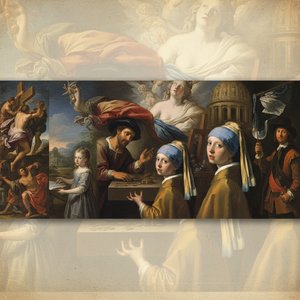
ბարოკოს ეტალონები: 10 შედევრი, რომელმაც განსაზღვრა ეს სტილი | TopImpressionists
აღმოფრთოვანდით ბაროკოს ეპოქის 10 უმშვენიერეს შედევრთან! კარავაჯო, რემბრანდტი და ვერმეერი – გი tanıtեք ამ დიდებულ ხელოვანებს. იხილეთ მათი საუკეთესო ნაშრომები და შექმენით თქვენი სახლისთვის უნიკალური დეკორი TopImpressionists-თან!

The Dramatic Flourish: Exploring the Baroque Movement's Enduring Legacy in Art History
Explore the dramatic world of Baroque art! Discover iconic artists like Caravaggio & Rubens, defining techniques, and its lasting impact on art history. Expert insights for collectors & enthusiasts at TopImpressionists.

მიქელანჯელოს 25 შედევრი: ხელოვნების ისტორია თქვენს სახლში | TopImpressionists.com
აღმოაჩინეთ მიქელანჯელოს 25 შედევრი – რენესანსული ფერწერა, ქანდაკება და ხელოვნების ისტორიის უნიკალური სიმდიდრე. TopImpressionists.com-ზე შეიძინეთ მუზეუმის ხარისხის რეპროდუქციები თქვენი სახლისთვის! Explore the full collection online.
აღმოაჩინეთ ხელოვნების ნაწარმოებები თემების, სტილისა და მახასიათებლების მიხედვით დაჯგუფებული.


