ატელიე — უფასო მიწოდება მთელ მსოფლიოში — მიწოდების ვადა: 2–6 კვირა
      ანდრე დერენი, 1880 – 1954

      ანდრე დერენი: 100 ყველაზე ცნობილი ნამუშწაროება

      ანდრე დერენი-ის ყველა ნამუშწაროსიდან ყველაზე ცნობილი bathers (1907) არის. მაღლა დგას London Bridge (1906) და Charing Cross from sw (1906). ჩვენს კატალოგში არსებული ანდრე დერენი-ის 354 ნამუშწაროდან ეს 100 ყველაზე ცნობილია, რომელთაგან თითოეული წარმოდგენილია თარიღით, მუზეუმითა და თავისი ისტორიით.

      რეიტინგი დადგენილია ჩვენი პოპულარობის ქულებით, რომელიც აერთიანებს თითოეული ნამუშწარების ძიების, ნახვებისა და შეკვეთების რაოდენობას. განახლებულია ოქტომბერი 2026. ამ გვერდზე წარმოდგენილი თითოეული სურათის შეკვეთა შესაძლებელია, როგორც ტილოსზე ხელით შესრულებული ზეთწ후ოვანი რეპროდუქცია, ასევე, როგორც თქვენთვის სასურველი ზომის მაღალი ხარისხის მხატვრული ბეჭდვა.

      ანდრე დერენი პორტრეტი
      ანდრე დერენი · 1880 – 1954
      და lahir · died
      1880 – 1954, შატუ
      მიმდინარეობა
      Fauvism
      ნამუშევრები ჩვენს კატალოგში
      354
      ყველაზე ცნობილი
      bathers (1907)
      ყველაზე მეტი ნამشევრი [at]
      Statens Museum For Kunst

      ანდრე დერენი-ის 10 ყველაზე ცნობილი ნამუშწარები

      bathers (1907) ავტორის: ანდრე დერენი
      1

      bathers

      1907 · Oil On Canvas

      To stand before André Derain's Bathers is to step directly into the exhilarating heart of the early twentieth century art revolution. This painting, executed in 1907, is not merely a depiction of figures by water; it is a pure explosion of color and emotion rendered through the lens of Fauvism. The very air around the canvas seems charged with the energy of bold pigment. Derain, a key figure alongside Henri…

      London Bridge (1906) ავტორის: ანდრე დერენი
      2

      London Bridge

      1906 · Oil On Canvas · MOMA - მოდერნ არტის მუზეუმი, ნიუ-იორკი

      In the heart of 1906, a revolution was unfolding on canvas, and André Derain was one of its most daring architects. His masterpiece, London Bridge, is far more than a mere architectural study; it is a visceral explosion of emotion captured through the lens of Fauvism. While the London fog is traditionally associated with muted greys and somber tones, Derain defies the atmospheric reality of the Thames to present a…

      Charing Cross from sw (1906) ავტორის: ანდრე დერენი
      3

      Charing Cross from sw

      1906 · Oil On Canvas · National Gallery of Art, ვაშინგტონი

      Charing Cross from SW: A Fauvist Symphony of London André Derain’s “Charing Cross from SW” isn't merely a depiction of a London landmark; it’s an explosion of feeling, a vibrant declaration of the Fauvist movement at its peak. Painted in 1906, this artwork captures a bustling scene along the Thames, dominated by the iconic Charing Cross bridge, yet rendered through a lens entirely unique to Derain's revolutionary approach to color…

      Landscape at L'Estaque (1906) ავტორის: ანდრე დერენი
      4

      Landscape at L'Estaque

      1906 · Oil On Canvas

      To stand before André Derain’s Landscape at L'Estaque is not merely to observe a scene; it is to be enveloped by a burst of pure, unadulterated chromatic energy. Painted in 1906, this oil on canvas stands as a vibrant manifesto of the Fauvist movement—a style that dared to liberate color from the shackles of mere description. Here, the natural world of L'Estaque is rendered not with photographic accuracy, but with…

      Hyde Park (1906) ავტორის: ანდრე დერენი
      5

      Hyde Park

      1906 · Oil On Panel · Musee d'Art Moderne de Troyes, Troyes

      To gaze upon André Derain's Hyde Park is to step directly into the effervescent heart of early 20th-century Parisian life. This painting, executed in 1906, is far more than a mere depiction of an afternoon stroll; it is a vibrant celebration of modern leisure captured through the revolutionary lens of Fauvism. The scene unfolds with an almost palpable energy—a tapestry woven from bold color and dynamic movement. We see figures…

      Cypresses (1907) ავტორის: ანდრე დერენი
      7

      Cypresses

      1907 · Oil On Panel

      To stand before André Derain’s "Cypresses" is to step directly into the vibrant heart of early twentieth-century French modernism. This captivating oil-on-panel, dating from 1907, is far more than a mere depiction of a landscape; it is an explosion of color and emotion captured by an artist at the zenith of his revolutionary period. The scene unfolds with a profound sense of natural grandeur: a field dotted with resilient pine…

      Portrait of Madame Paul Guillaume with a large hat (1928) ავტორის: ანდრე დერენი
      8

      Portrait of Madame Paul Guillaume with a large hat

      1928 · Oil On Canvas

      To stand before André Derain’s Portrait of Madame Paul Guillaume with a large hat is to step directly into the vibrant, charged atmosphere of an early twentieth-century artist's studio. This painting is far more than a mere likeness; it is a meditation on creativity itself. The subject, seated amidst the beautiful chaos of artistic tools—canvases leaning against unseen supports, palettes bearing the ghosts of color—commands our attention with a serene…

      Drying the Sails (1905) ავტორის: ანდრე დერენი
      9

      Drying the Sails

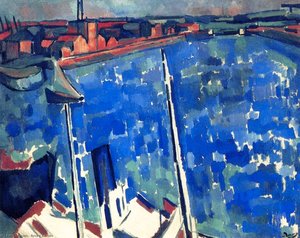
      André Derain’s “Drying the Sails,” painted in 1905, isn't merely a depiction of a harbor scene; it’s an explosion of color and emotion—a quintessential embodiment of the Fauvist movement. Born from a confluence of artistic influences and a desire to break free from traditional representation, this painting captures a fleeting moment on the French coast, imbued with a raw energy that continues to resonate with viewers today. Derain, alongside Henri…

      Mountains at Collioure ავტორის: ანდრე დერენი
      10

      Mountains at Collioure

      Oil On Canvas

      In the annals of modern art, few moments capture the raw, unbridled energy of a revolution quite like André Derain’s Mountains at Collioure. Painted during the feverish summer of 1905, this masterpiece serves as a vibrant manifesto of the Fauvist movement, a period when color was liberated from the shackles of reality to serve the needs of pure emotion. As one gazes upon this canvas, the eye is immediately swept…

      ანდრე დერენი-ის ნახატები, peringkatი 11-დან 100-მდე

      Still Life with Fruit (1940) ავტორის: ანდრე დერენი
      #20

      Still Life with Fruit

      1940 · ჰარისის მუზეუმი - სახელოვნებო გალერეა

      André Derain’s Still Life with Fruit – A Fauvist Vision of Rural Tranquility The painting “Still Life with Fruit,” executed by André Derain in 1940, stands as a…

      დაეხატოს ხელით →

      ანდრე დერენი-ის ტილოები, პერიოდების მიხედვით

      Early Fauvism

      1904 – 1908 · 9 ნამუშწარwerks ამ სიაში

      რა ყველაზე ხშირად დახატა ანდრე დერენი-მა

      ამ ტილოებზე ყველაზე ხშირად განმეორებადი 네 სუბიექტი, თითოეული მათგანის საუკეთესო ნიმუშით.

      სადაც ანდრე დერენი-ის ტილოები ეკ hangs

      ამ გვერდზე წარმოდგენილი მხატვრობის შედეგების უმეტესობას 8 მუზეუმი ინახავს.

      მუზეუმი ქალაქი ანდრე დერენი შემოქმედებაలు ამ სიიდან მოპოვებული ნახატები
      Statens Museum For Kunst, კობენჰაგენიStatens Museum For Kunst კობენჰაგენი 17 Head of a Young Woman, Harlequin, Sitting Female Model, Semi-Nude
      მეტროპოლიტენის ხელოვნების მუზეუმი, ნიუ-იორკიმეტროპოლიტენის ხელოვნების მუზეუმი ნიუ-იორკი 4 Houses of Parliament at Night, London, Fishing Boats, Colioure, Lucien Gilbert
      პარიზის თანამედროვე ხელოვნების მუზეუმი, Parisპარიზის თანამედროვე ხელოვნების მუზეუმი Paris 7 The Lighthouse at Collioure, The Gypsy
      MOMA - მოდერნ არტის მუზეუმი, ნიუ-იორკიMOMA - მოდერნ არტის მუზეუმი ნიუ-იორკი 4 London Bridge, Fishing Boats, Collioure
      ჩიკაგოს ხელოვნების ინსტიტუტი, ჩიკაგოჩიკაგოს ხელოვნების ინსტიტუტი ჩიკაგო 3 The Last Supper, Cagnes
      National Gallery of Art, ვაშინგტონიNational Gallery of Art ვაშინგტონი 2 Charing Cross from sw
      Musee d'Art Moderne de Troyes, TroyesMusee d'Art Moderne de Troyes Troyes 2 Hyde Park
      პუშკინის სახელმწიფო ხელოვნების მუზეუმი, მოსკოვიპუშკინის სახელმწიფო ხელოვნების მუზეუმი მოსკოვი 2 Drying the Sails

      ათიდან ათამდე: ანდრე დერენი-ის ყველაზე ცნობილი ტილოები

      1. 1890s
        Funeral (1899) ავტორის: ანდრე დერენი
        85 100-დან

        Funeral

        나س, 10 – 19 წელი
      2. 1900s
        bathers (1907) ავტორის: ანდრე დერენი
        Canvas 1 of 100

        bathers

        나س, 20 – 29 წელი

        To stand before André Derain's Bathers is to step directly into the exhilarating heart of the early twentieth century art revolution. This painting, executed in 1907, is not…

      3. 1910s
        Landscape at Cadaques (1913) ავტორის: ანდრე დერენი
        27-ი 100-დან

        Landscape at Cadaques

        나س, 30 – 39 წელი

        Landscape at Cadaques is a landscape oil on canvas created by André Derain in 1913. This work belongs to the Cubism and Post-Impressionism movements, reflecting a period of…

      4. 1920s
        Portrait of Madame Paul Guillaume with a large hat (1928) ავტორის: ანდრე დერენი
        8-ი 100-დან

        Portrait of Madame Paul Guillaume with a large hat

        나س, 40 – 49 წელი

        To stand before André Derain’s Portrait of Madame Paul Guillaume with a large hat is to step directly into the vibrant, charged atmosphere of an early twentieth-century artist's…

      5. 1930s
        Black Scarf (1935) ავტორის: ანდრე დერენი
        14 100-დან

        Black Scarf

        나س, 50 – 59 წელი

        To stand before André Derain's "Black Scarf" is to step directly into the effervescent, color-drenched heart of early 20th-century Paris. Painted in 1935, this oil on canvas transcends…

      6. 1940s
        Still Life with Fruit (1940) ავტორის: ანდრე დერენი
        Canvas 20 of 100

        Still Life with Fruit

        나س, 60 – 69 წელი · ჰარისის მუზეუმი - სახელოვნებო გალერეა

        André Derain’s Still Life with Fruit – A Fauvist Vision of Rural Tranquility The painting “Still Life with Fruit,” executed by André Derain in 1940, stands as a…

      თქვენს კითხვებზე ანდრე დერენი-ის ნახატებზე, answers

      ანდრე დერენი-ის რომელია ყველაზე ცნობილი ნამუშწარო?წაიკითხეთ პასუხი

      bathers (1907), შემდეგ კი London Bridge (1906) და Charing Cross from sw (1906).

      რამდენად წლის იყო ანდრე დერენი bathers-ის შექმნისას?წაიკითხეთ პასუხი

      ანდრე დერენი, რომელიც 1880 წელს დაიბადა, 27 წლის იყო: bathers შექმნილია 1907 წელს.

      მათ შორის რომელია ის 열ده ყველაზე ცნობილი ნამუშწევა, რომელთა გამოც ანდრე დერენი არის ცნობილი?წაიკითხეთ პასუხი

      bathers, London Bridge, Charing Cross from sw, Landscape at L'Estaque, Hyde Park, The Turning Road, L'Estaque - (129.5x195), Cypresses, Portrait of Madame Paul Guillaume with a large hat, Drying the Sails და Mountains at Collioure. ზემოთ მოცემულ რეიტინგში თითოეულ ტილოზე მითითებულია მისი შემოქმედების წელი და მუზეუმი.

      რამდენი ნამუშწაროებია ცნობილი ანდრე დერენი-ის შემოქმედებიდან?წაიკითხეთ პასუხი

      ჩვენს კატალოგშია 354 ნამუშგარები ანდრე დერენი-ისგან, თარიღებით 1899-დან 1946-მდე.

      რომელ მუზეუმებში ინახება ანდრე დერენი-ის ყველაზე ცნობილი ტილოები?წაიკითხეთ პასუხი

      ძირითადად Statens Museum For Kunst (კობენჰაგენი), მეტროპოლიტენის ხელოვნების მუზეუმი (ნიუ-იორკი) და პარიზის თანამედროვე ხელოვნების მუზეუმი (Paris)-ში; ზემოთ მოცემულ სიაში წარმოდგენილია თითოეული მუზეუმი და მისი ტილოები.

      მათ შორის, რომელ წლებში შექმნა ანდრე დერენი-მა ყველაზე ცნობილი ტილოები?წაიკითხეთ პასუხი

      1900s-ში, რომელიც ამ გვერდზე წარმოდგენილი 100 ნამუშწაროსგან 45 შეადგენს, მათ შორის არის bathers.

      რა არის ანდრე დერენი-ის ცნობილი ტილოების პირველი და ბოლო ნამუშწევრი?წაიკითხეთ პასუხი

      აქ წარმოდგენილი ტილოებიდან უძველესი არის Funeral (1899); უახლესი კი — Sorrowful Landscape (1946).

      რა თემებს გადმოგცემს ყველაზე ხშირად ანდრე დერენი-ის შემოქმედებაში?წაიკითხეთ პასუხი

      Landscape (18), Trees (12) და Boats (10), ამ გვერდზე წარმოდგენილ 100 ნამუშწარეს შორის.

      რა მასალებით ხშირად ხატავდა ანდრე დერენი?წაიკითხეთ პასუხი

      Oil On Canvas, გამოყენებულია ამ გვერდზე არსებული 100 ნამუშწაროდან 49-ში.

      რა ხელოვნების მიმართულებას მიეკუთვნება ანდრე დერენი?წაიკითხეთ პასუხი

      Fauvism, როგორც ამ გვერდის ტილოები ადასტურებს.

      რა შემიძლია ვნახო ანდრე დერენი-ის ნამუშევრების სახით Statens Museum For Kunst-ში?წაიკითხეთ პასუხი

      Statens Museum For Kunst, კობენჰაგენი-ში წარმოდგენილია ამ გვერდზე არსებული ნამუშევრების 10, მათ შორის Head of a Young Woman, Harlequin და Sitting Female Model, Semi-Nude.

      შეიძლება შევუკვეთო ანდრე დერენი-ის ნახატის ხელითכתმული ასლი?წაიკითხეთ პასუხი

      დიახ. ამ გვერდზე წარმოდგენილი ყველა სურათის შეკვეთა შესაძლებელია მისივე გვერდიდან, როგორც ხელნაკეთი ზეთისებრი რეპროდუქციის, ისე მაღალი ხარისხის მხატვრული ბეჭდვის სახით, თქვენთვის სასურველი ზომით.

      ანდრე დერენი: მხატვრის ისტორია

      Early Life, Family and Training

      In the year 1880, André Derain entered the world in Chatou, a village nestled within the Yvelines region of France. His early years were shaped by the quiet landscapes of the Île-de-France, where a natural curiosity for the surroundings began to take root. By 1895, he had already commenced studying on his own, seeking to understand the visual world through his own eyes rather than through formal instruction. This period of self-directed exploration allowed him to develop a personal way of seeing before the rigors of an academy could impose their will upon him.

      The path of a painter was not his only consideration. In 1898, he sought a more structured education, briefly studying to become an engineer at the Académie Camillo. It was within these academic halls that his life took a decisive turn; he attended painting classes under Eugène Carrière and there encountered Henri Matisse. This meeting would change the course of his life, pulling him away from the precision of engineering and toward the expressive possibilities of the canvas. His ambitions were strong, yet his progress was interrupted by the duties of citizenship. From September 1901 until 1904, he fulfilled his military service in Commercy, a period of separation that paused his burgeoning artistic development.

      The Fauvist Revolution and Collioure

      The summer of 1905 brought a sudden, bright change to the lives of André Derain and Henri Matisse. They traveled together to the fishing town of Collioure, a place where the light seemed to demand a new way of seeing. In this coastal setting, the artist began to move away from the traditional rules of representation. His work from 1905 to 1906 was defined by a riotous colourism that shocked those accustomed to more subtle tones. He used simplified drawings and an exaggerated use of color to capture the essence of the landscape, favoring intense, unmixed hues over the naturalistic shades of the world.

      This radical approach to painting sparked a fierce reaction from the public and the press. The artists were met with such astonishment that they were dubbed Les Fauves, or the wild beasts. This name, though intended to mock their perceived lack of discipline, was embraced by the group. Derain’s canvases during these years did not seek to replicate the scenery as a photograph might, but instead used color as a direct expression of feeling. The brushwork was bold and the palettes were startling, marking a departure from everything that had come before.

      The London Paintings and Commissions

      In March 1906, the art dealer Ambroise Vollard saw a new direction for the artist and sent him to London. This was no mere excursion, but a deliberate commission to capture the essence of a city that had long been the subject of many painters. Derain arrived in the English capital and began to see the urban landscape through a lens of intense color, moving away from the quietude of the French countryside. He sought to translate the energy of the metropolis into something felt rather than merely seen.

      The artist produced a series of thirty paintings during this period, turning his attention to the Thames and the heavy architecture of the city. He did not seek to replicate the gray mists often associated with the river; instead, he used bold hues to depict the movement of the water and the silhouettes of the bridges. His vision of the city was a radical departure from the atmospheric studies of those who had come before him. He focused on the structural weight of the landmarks and the shifting light of the urban environment.

      These works remained among his most popular creations, as they offered a fresh perspective on an established setting. By focusing on the Thames and the Tower Bridge, he captured a sense of modernity and restless movement. The thick application of paint and the unconventional palette allowed him to portray the city as a living, breathing entity of light and shadow.

      Evolution Towards Classicism and Gothic Style

      As the years passed, the wilder impulses of his youth began to settle. Around 1907, a change took hold of his hand and eye, and his work grew more austere. The unrestrained colors that once defined his canvases gave way to a more disciplined approach. This shift was not a sudden break but a gradual movement toward structure and form. He sought a different kind of truth, one found in the quiet strength of composition rather than the shock of color.

      By the years 1911 to 1914, he entered a phase that many have called his gothic period. During this time, his interest in the Old Masters and classical forms became more pronounced. He moved away from the loud, unmixed pigments of his earlier years, seeking instead a more controlled and intellectually rigorous way of seeing. This was a time of searching, where he looked back to the foundations of art to find a new way forward.

      The Great War changed the landscape of his life and his art once more. Following the conflict, he emerged as a leader of a movement known as the Return to order. This new classicism sought stability and clarity in an era of profound change. He became a central figure in this revival, helping to guide the direction of art toward a more structured and traditional aesthetic. His work reflected this desire for order, embracing a sense of permanence that had been absent during his more experimental years.

      Later Years and Death

      As the years passed, the artist’s interests expanded beyond the canvas and into the theatrical realm. In 1919, he turned his creative gaze toward the stage, designing the ballet La Boutique Fantasque for the Ballets Russes. This foray into set and costume design revealed a sense of rhythm and spectacle that complemented his evolving aesthetic. His ability to command attention through form and color continued to be recognized by his peers, leading to him being named a recipient of the Carnegie Prize in 1928.

      The later decades of his life were marked by a continued pursuit of a new classicism, a departure from the wilder impulses of his youth. He remained active in the art world, even as the political landscape of Europe shifted around him. He eventually passed away on 8 September 1954, leaving behind a body of work that had traversed many different modes of expression.

      Legacy and Influence

      The ripples of the Fauvist movement, which André Derain helped establish alongside Henri Matisse, reached far beyond the initial shock of their color choices. By breaking the traditional bonds of how color relates to the physical world, he helped clear a path for the structural innovations of Cubism and the emotional intensity found in modern expressionism. His restless search for a new visual language meant that the lessons learned in the sun-drenched landscapes of Collioure eventually traveled north, influencing the development of German Expressionism. He did not merely paint; he helped redefine the very purpose of the brushstroke.

      His influence remained a constant presence for subsequent generations of artists who sought to balance the raw energy of his early years with the structured discipline of his later work. Even as his own style shifted toward a more austere and classical approach, the radical spirit of his youth continued to resonate. He proved that an artist could move between the wild, unmixed hues of his youth and a more controlled, intellectual rigor without losing their creative truth. This adaptability ensured that his presence in the history of modern art remained undeniable, even as the movements he helped birth evolved into entirely new forms.

      ყველა 354 ნამუშევარი, რომელიც შემოქმედებითად ეკუთვნის ანდრე დერენი →