ატელიე — უფასო მიწოდება მთელ მსოფლიოში — მიწოდების ვადა: 2–6 კვირა
      აზტეკთა იმპერია, 1300 – 1521

      აზტეკთა იმპერია-ის 70 ყველაზე ცნობილი ნა로絵

      Mosaic of a Double-headed Serpent (1521) არის ნამუშწევრი, რომლითაც აზტეკთა იმპერია ყველაზე მეტად არის ცნობილი; იგი ეკუთვნის ბრიტანეთის მუზეუმი-ს, ლონდონი. Head from a Figure, Xochipilli Macuilxochitl (1521) და Figure (1521) ასრულებენ ყველაზე პოპულარული ტილოების ტრიოს. ჩვენს კატალოგში აზტეკთა იმპერია-ის 70 ნამუშწარებია წარმოდგენილი. ქვემოთ მოცემულია 70 ყველაზე ცნობილი ნამუშწარები წელით, მუზეუმითა და თითოეული ტილოს ისტორიით.

      რეიტინგი დადგენილია ჩვენი პოპულარობის ქულებით, რომელიც აერთიანებს თითოეული ნამუშწარების ძიების, ნახვებისა და შეკვეთების რაოდენობას. განახლებულია ოქტომბერი 2026. ამ გვერდზე წარმოდგენილი თითოეული სურათის შეკვეთა შესაძლებელია, როგორც ტილოსზე ხელით შესრულებული ზეთწ후ოვანი რეპროდუქცია, ასევე, როგორც თქვენთვის სასურველი ზომის მაღალი ხარისხის მხატვრული ბეჭდვა.

      აზტეკთა იმპერია პორტრეტი
      აზტეკთა იმპერია · 1300 – 1521
      და lahir · died
      1300 – 1521, ტენოჩტიტლანი
      ნამუშევრები ჩვენს კატალოგში
      70
      ყველაზე ცნობილი
      Mosaic of a Double-headed Serpent (1521)
      ყველაზე მეტი ნამشევრი [at]
      მეტროპოლიტენის ხელოვნების მუზეუმი

      აზტეკთა იმპერია-ის 열ده საუკეთესო ნახატი

      Mosaic of a Double-headed Serpent (1521) ავტორის: აზტეკთა იმპერია
      1

      Mosaic of a Double-headed Serpent

      1521 · Mosaic · ბრიტანეთის მუზეუმი, ლონდონი

      To gaze upon this mosaic of a double-headed serpent is to step directly into the vibrant, myth-laden heart of the Aztec Empire. It is not merely an object of decoration; it is a captured echo of profound belief, a testament to a civilization whose artistry wove the sacred into the very fabric of daily existence. The serpentine form dominates the composition, its sinuous body rendered in breathtaking detail across countless…

      Head from a Figure, Xochipilli Macuilxochitl (1521) ავტორის: აზტეკთა იმპერია
      2

      Head from a Figure, Xochipilli Macuilxochitl

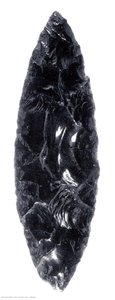
      The obsidian head before us—a dark, almost brooding presence—isn’t merely a sculpture; it's a portal into the vibrant and complex world of the Aztec Empire. Carved in the early 16th century, just decades before the arrival of the Spanish conquistadors, this intimate portrait of Xochipilli Macuilxochitl offers a rare and compelling glimpse into the beliefs, artistry, and ultimately, the fleeting beauty of a vanished civilization. The piece speaks not only…

      Figure (1521) ავტორის: აზტეკთა იმპერია
      3

      Figure

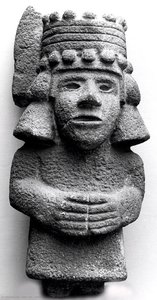
      Before you stands an echo from a civilization whose very name whispers tales of empire and profound spiritual depth: the magnificent "Figure" sculpture. Carved from enduring stone, this piece is not merely an object of antiquity; it is a frozen moment of sacred contemplation. The overall impression is one of solemn power, a tangible connection to the sophisticated worldview of the Aztec people who flourished in the heart of Mesoamerica.…

      Kneeling Male Figure (1521) ავტორის: აზტეკთა იმპერია
      4

      Kneeling Male Figure

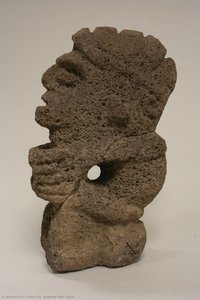
      To gaze upon this fragment is to reach across the vast chasm of five centuries, touching the solemn breath of an empire long dissolved into myth and archaeological wonder. This kneeling male figure, carved from a dark, porous stone—perhaps basalt itself—is more than mere sculpture; it is a captured moment of profound spiritual engagement. The very texture of the material speaks of time, bearing the patina of ritual smoke and…

      Serpent Labret with Articulated Tongue ავტორის: აზტეკთა იმპერია
      5

      Serpent Labret with Articulated Tongue

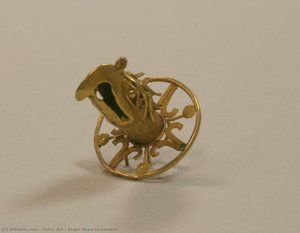
      Serpent Labret with Articulated Tongue The Serpent Labret with Articulated Tongue stands as a testament to the unparalleled artistry of the Aztec Empire—a singular achievement in goldwork that embodies both exquisite craftsmanship and profound symbolic meaning. Discovered in 1937, this remarkable ornament now resides at the Metropolitan Museum of Art (New York City), where it continues to captivate visitors with its mesmerizing beauty and intricate detail. Its provenance is traced…

      Pendent in the Shape of a Warrior (1350) ავტორის: აზტეკთა იმპერია
      6

      Pendent in the Shape of a Warrior

      To hold this piece in your mind is to encounter the quiet strength of the Post-classic period. This small, metallic figure, likely worn close to the body, captures a warrior in a moment of poised readiness. The figure is rendered with a striking sense of presence, characterized by a prominent nose, wide eyes, and a slightly protruding mouth that gives the face a distinct, human character. There is a certain…

      Figure (1521) ავტორის: აზტეკთა იმპერია
      7

      Figure

      This monochrome photograph captures an ancient Aztec sculpture titled Figure. The piece presents a stylized representation of a human figure, likely a deity or important individual within the Aztec culture. Set against a dark background that emphasizes its intricate details, the sculpture is positioned slightly off-center towards the right of the frame.

      Vulture Vessel (1521) ავტორის: აზტეკთა იმპერია
      8

      Vulture Vessel

      This ceramic vessel, produced around 1521 by Aztec artists, takes the shape of a stylized vulture. The object is constructed from earthenware with a robust, cylindrical body. Four curved legs support the structure, positioned to suggest a sense of movement or a bird prepared to perch. The surface is primarily covered in a reddish-brown hue, likely derived from iron oxide pigments. Black glaze defines specific areas, creating bands that outline…

      Standard Bearer (1521) ავტორის: აზტეკთა იმპერია
      9

      Standard Bearer

      The Aztec sculpture titled "Standard Bearer," a remarkable testament to the artistry and symbolic depth of the pre-Columbian civilization, stands as more than just a carved stone figure. It’s a window into a complex society—a warrior, a leader, a conduit between the earthly realm and the divine. Dating back to approximately 1450-1521 CE, this piece, originating from the region of Veracruz, offers a tangible connection to a world both familiar…

      Crested Figure (Macuilxochitl) (1521) ავტორის: აზტეკთა იმპერია
      10

      Crested Figure (Macuilxochitl)

      Crested Figure (Macuilxochitl): Echoes of Aztec Cosmology The photograph presents a striking depiction of an Aztec sculpture titled “Crested Figure (Macuilxochitl),” originating from the 15th–early 16th century during the height of the Mexica Empire. This artwork embodies the artistic spirit of Mesoamerica, reflecting profound religious beliefs and political authority—a testament to the enduring legacy of a civilization that captivated imaginations for centuries. Overall Impression: The image captures a sculpture crafted…

      აზტეკთა იმპერია: ტილოები, რეიტინგის 11 -დან 70 இடამდე

      Seated Male Deity (Ehecatl) (1521) ავტორის: აზტეკთა იმპერია
      #11

      Seated Male Deity (Ehecatl)

      1521 · მეტროპოლიტენის ხელოვნების მუზეუმი

      Standing before this remarkable sculpture, carved from volcanic stone or terracotta nearly six centuries ago, is akin to stepping back in time – directly into the heart of…

      დაეხატოს ხელით →
      Seated Male Deity (1521) ავტორის: აზტეკთა იმპერია
      #12

      Seated Male Deity

      1521 · მეტროპოლიტენის ხელოვნების მუზეუმი

      In the quiet presence of the Seated Male Deity, one does not merely observe a sculpture; one encounters a profound fragment of a lost cosmos. Carved during the…

      Kneeling Female Figure (1521) ავტორის: აზტეკთა იმპერია
      #13

      Kneeling Female Figure

      1521 · მეტროპოლიტენის ხელოვნების მუზეუმი

      In the quiet halls of art history, few objects command as much silent reverence as the Kneeling Female Figure. Carved from the dark, enduring strength of basalt, this…

      Miniature Bowl (1521) ავტორის: აზტეკთა იმპერია
      #15

      Miniature Bowl

      1521 · მეტროპოლიტენის ხელოვნების მუზეუმი

      To gaze upon this miniature bowl is to hold a fragment of deep time in one's hands. It is not merely an object, but a tangible whisper from…

      Fragment of An Anthropomorphic Brazier (1300) ავტორის: აზტეკთა იმპერია
      #16

      Fragment of An Anthropomorphic Brazier

      1300

      This ceramic fragment presents a vertical arrangement of human-like faces. The central feature is a large, sculpted head, upon which smaller faces are positioned in a stacked, layered…

      Riutal Stone (Pulidor) (1521) ავტორის: აზტეკთა იმპერია
      #17

      Riutal Stone (Pulidor)

      1521 · მეტროპოლიტენის ხელოვნების მუზეუმი

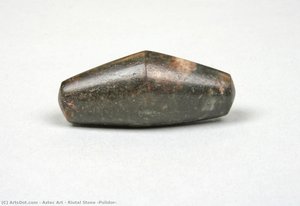
      To gaze upon this Riutal Stone (Pulidor) is not merely to observe an artifact; it is to touch the deep, resonant silence of a vanished civilization. This piece,…

      დაეხატოს ხელით →
      Ear Spool (1521) ავტორის: აზტეკთა იმპერია
      #18

      Ear Spool

      1521 · მეტროპოლიტენის ხელოვნების მუზეუმი

      Before us lies a fragment of a vanished world, a tangible link to the ingenuity and ritualistic practices of the Aztec Empire. This meticulously crafted ear spool, fashioned…

      დაეხატოს ხელით →
      Seated Female Deity (1521) ავტორის: აზტეკთა იმპერია
      #19

      Seated Female Deity

      1521 · მეტროპოლიტენის ხელოვნების მუზეუმი

      In the quiet shadows of history, certain objects possess the power to bridge the gap between the mortal realm and the eternal. The Seated Female Deity, a profound…

      Aztec Sun Stone (Calendar Stone) (1427) ავტორის: აზტეკთა იმპერია
      #20

      Aztec Sun Stone (Calendar Stone)

      1427

      The Aztec Sun Stone (Calendar Stone) is a significant work attributed to the Aztec Empire. Carved by the Mexica at the end of the Mesoamerican Postclassic Period, this…

      Mictlantecuhtl (1480) ავტორის: აზტეკთა იმპერია
      #21

      Mictlantecuhtl

      1480

      A weathered, pale-grey statue of a child figure emerges from a void of absolute black. The surface is heavily eroded, marked by deep cracks and fissures that trace…

      Eagle Warrior (1469) ავტორის: აზტეკთა იმპერია
      #22

      Eagle Warrior

      1469

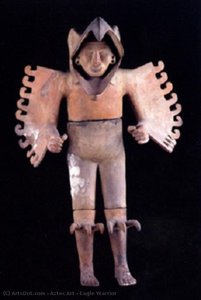
      The artwork titled Eagle Warrior is a terracotta sculpture created by the Aztec Empire. This piece dates to about 1469. The subject of the work is an Aztec…

      Seated Male Deity (1521) ავტორის: აზტეკთა იმპერია
      #31

      Seated Male Deity

      1521 · მეტროპოლიტენის ხელოვნების მუზეუმი

      Before us stands a testament to the profound artistry and spiritual depth of the Aztec Empire – a weathered stone sculpture known as the “Seated Male Deity,” or…

      Spider Monkey (1521) ავტორის: აზტეკთა იმპერია
      #33

      Spider Monkey

      1521 · Rhode Island School of Design Museum of Art

      This exceptional hand-painted reproduction captures a pivotal moment in Aztec artistic expression – the creation of a remarkably detailed sculpture depicting a spider monkey, dating back to 1521.…

      Cihuateotl (1521) ავტორის: აზტეკთა იმპერია
      #34

      Cihuateotl

      1521 · მეტროპოლიტენის ხელოვნების მუზეუმი

      The stone sculpture known as “Cihuateotl,” a formidable figure emerging from the heart of the Aztec Empire, offers more than just a visual representation; it’s a window into…

      დაეხატოს ხელით →
      Feathered Serpent Ornament (1521) ავტორის: აზტეკთა იმპერია
      #36

      Feathered Serpent Ornament

      1521 · მეტროპოლიტენის ხელოვნების მუზეუმი

      In the quiet, hallowed halls of the Metropolitan Museum of Art, there exists a treasure that transcends the boundaries of time and geography. The Feathered Serpent Ornament is…

      Skull Pendant ავტორის: აზტეკთა იმპერია
      #39

      Skull Pendant

      მეტროპოლიტენის ხელოვნების მუზეუმი

      Gazing upon this black and white photograph, one is immediately drawn to the stark simplicity and profound symbolism of the Aztec skull pendant. More than a mere decorative…

      შეუკვეთეთ ეს ტილო →
      Stamp (1521) ავტორის: აზტეკთა იმპერია
      #40

      Stamp

      1521 · მეტროპოლიტენის ხელოვნების მუზეუმი

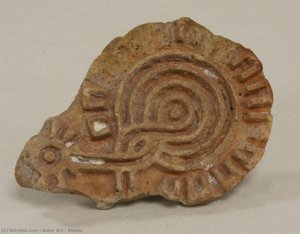
      Within the realm of ancient Mesoamerica lies a deceptively simple object – a terracotta stamp, often referred to as a “stamp” in modern parlance. Yet, this unassuming artifact…

      შეუკვეთეთ ეს ტილო →
      Female Deity ავტორის: აზტეკთა იმპერია
      #41

      Female Deity

      მეტროპოლიტენის ხელოვნების მუზეუმი

      The photograph before you offers an arresting window into the heart of Aztec spirituality – a sculpted representation of a female deity, rendered with a profound sense of…

      დაეხატოს ხელით →
      Tripod Bowl ავტორის: აზტეკთა იმპერია
      #42

      Tripod Bowl

      მეტროპოლიტენის ხელოვნების მუზეუმი

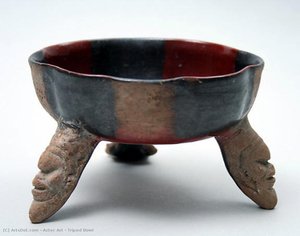
      To gaze upon this Tripod Bowl is to reach across the vast expanse of time, directly into the vibrant heart of the Aztec Empire. It is not merely…

      Maize Deity (Chicomecoatl) ავტორის: აზტეკთა იმპერია
      #43

      Maize Deity (Chicomecoatl)

      მეტროპოლიტენის ხელოვნების მუზეუმი

      Carved from basalt, this sculpture represents Chicomecoatl, the Mexica goddess of maize. The figure is rendered in a frontal, upright posture with arms raised in a gesture of…

      Seated Female Deity ავტორის: აზტეკთა იმპერია
      #44

      Seated Female Deity

      მეტროპოლიტენის ხელოვნების მუზეუმი

      Seated Female Deity: A Reflection of Aztec Spirituality The image presents a grayscale photograph of an Aztec sculpture depicting a seated female deity. The sculpture is rendered in…

      Kneeling Male Figure ავტორის: აზტეკთა იმპერია
      #45

      Kneeling Male Figure

      მეტროპოლიტენის ხელოვნების მუზეუმი

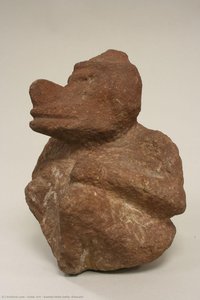
      To gaze upon the Kneeling Male Figure is to reach across the vast chasm of five centuries, touching the solemn breath of an empire long dissolved into myth…

      Seated Male ავტორის: აზტეკთა იმპერია
      #46

      Seated Male

      მეტროპოლიტენის ხელოვნების მუზეუმი

      is a stone sculpture created by the Aztec Empire. Originating from Mexico, Mesoamerica, the work belongs to the Mexica (Aztec) culture. It dates to the 15th–early 16th century.

      Ritual Stone (pulidor) (1521) ავტორის: აზტეკთა იმპერია
      #47

      Ritual Stone (pulidor)

      1521 · მეტროპოლიტენის ხელოვნების მუზეუმი

      Ritual Stone (Pulidor): Echoes of Aztec Majesty The image presents a captivating glimpse into the artistic heritage of the Aztec Empire—specifically, a meticulously crafted green stone artifact known…

      შეუკვეთეთ ეს ტილო →
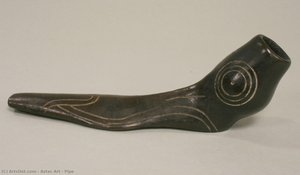
      Pipe (1521) ავტორის: აზტეკთა იმპერია
      #50

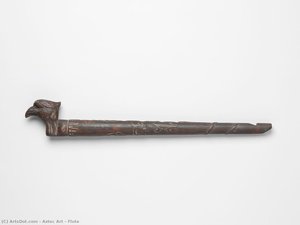
      Pipe

      1521 · მეტროპოლიტენის ხელოვნების მუზეუმი
      Seated Male Deity ავტორის: აზტეკთა იმპერია
      #51

      Seated Male Deity

      მეტროპოლიტენის ხელოვნების მუზეუმი

      The Aztec Empire, a civilization that flourished in Mesoamerica for centuries, left behind a legacy of breathtaking artistry and profound spiritual belief. Among its most compelling creations stands…

      დაეხატოს ხელით →
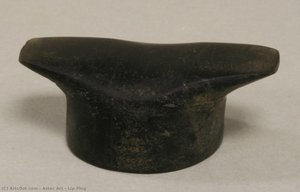
      Lip Plug ავტორის: აზტეკთა იმპერია
      #52

      Lip Plug

      მეტროპოლიტენის ხელოვნების მუზეუმი

      To gaze upon this artifact is to reach across the vast expanse of time, touching the cool, dark permanence of an ancient civilization. This piece, an Aztec Lip…

      დაეხატოს ხელით →
      Uilacapitztli (Pottery Flute) ავტორის: აზტეკთა იმპერია
      #54

      Uilacapitztli (Pottery Flute)

      მეტროპოლიტენის ხელოვნების მუზეუმი

      To gaze upon the Uilacapitztli is not merely to observe an artifact; it is to reach across the vast expanse of centuries and touch the very breath of…

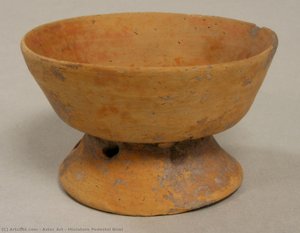
      Miniature Pedestal Bowl ავტორის: აზტეკთა იმპერია
      #55

      Miniature Pedestal Bowl

      მეტროპოლიტენის ხელოვნების მუზეუმი

      To gaze upon this miniature pedestal bowl is to reach across the vast expanse of time, to hold in one's hands a tangible whisper from the heart of…

      Drum (Teponaztli) ავტორის: აზტეკთა იმპერია
      #58

      Drum (Teponaztli)

      მეტროპოლიტენის ხელოვნების მუზეუმი

      To gaze upon this representation of an Aztec Teponaztli is not merely to observe an artifact; it is to listen for a silence that holds echoes. This magnificent…

      Tripod Vessel with Date Glyph ავტორის: აზტეკთა იმპერია
      #59

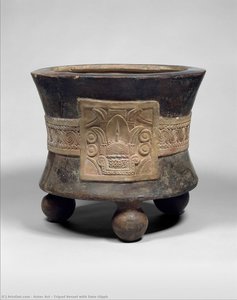
      Tripod Vessel with Date Glyph

      მეტროპოლიტენის ხელოვნების მუზეუმი

      The image before us presents more than just a ceramic object; it’s a tangible fragment of the Aztec Empire, a silent chronicle etched in clay and imbued with…

      Bowl ავტორის: აზტეკთა იმპერია
      #60

      Bowl

      მეტროპოლიტენის ხელოვნების მუზეუმი

      Gazing upon this meticulously rendered reproduction of an Aztec bowl is akin to stepping back in time, directly into the heart of Tenochtitlan, the magnificent capital city of…

      შეუკვეთეთ ეს ტილო →
      Maize Deity (Chicomecoatl) ავტორის: აზტეკთა იმპერია
      #61

      Maize Deity (Chicomecoatl)

      მეტროპოლიტენის ხელოვნების მუზეუმი

      Standing before this weathered stone sculpture, one is immediately transported to the heart of ancient Mexico – a realm where the divine intertwined seamlessly with the rhythms of…

      Flute ავტორის: აზტეკთა იმპერია
      #63

      Flute

      მეტროპოლიტენის ხელოვნების მუზეუმი

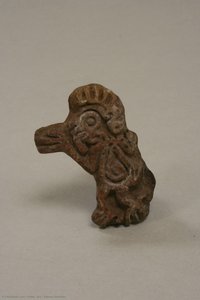
      Within the vast tapestry of Aztec artistry lies a deceptively simple instrument – the flute, often referred to as *uilacapitztli* (meaning “flute-head”). More than just a musical device,…

      შეუკვეთეთ ეს ტილო →
      Miniature Pedestal Bowl ავტორის: აზტეკთა იმპერია
      #64

      Miniature Pedestal Bowl

      მეტროპოლიტენის ხელოვნების მუზეუმი

      Gazing upon this exquisite miniature pedestal bowl offers more than just an appreciation of its delicate form; it’s a portal into the heart of the Aztec Empire, a…

      Ear Ornament ავტორის: აზტეკთა იმპერია
      #65

      Ear Ornament

      მეტროპოლიტენის ხელოვნების მუზეუმი

      To hold an object from the heart of the Aztec Empire is to touch the very pulse of Mesoamerican history. This exquisite ear ornament, a masterwork of the…

      Miniature Tripod Vase ავტორის: აზტეკთა იმპერია
      #66

      Miniature Tripod Vase

      მეტროპოლიტენის ხელოვნების მუზეუმი

      The world of ancient Mesoamerica pulses with an undeniable energy – a vibrant blend of ritual, conquest, and breathtaking artistry. Within this rich tapestry, the miniature tripod vase…

      დაეხატოს ხელით →
      Bowl ავტორის: აზტეკთა იმპერია
      #68

      Bowl

      მეტროპოლიტენის ხელოვნების მუზეუმი

      In the quiet presence of this ancient Aztec bowl, one can almost hear the rhythmic pulse of a civilization that once commanded the heart of Mesoamerica. This ceramic…

      Flat Stamp with Geometric Flower ავტორის: აზტეკთა იმპერია
      #69

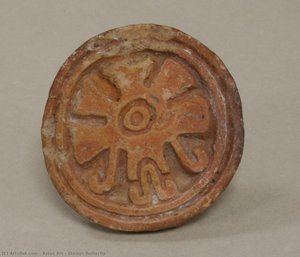
      Flat Stamp with Geometric Flower

      მეტროპოლიტენის ხელოვნების მუზეუმი

      This striking ceramic stamp, a relic of the Aztec Empire, isn’t merely an artifact; it's a portal to a civilization brimming with intricate symbolism and profound artistic skill.…

      აზტეკთა იმპერია-ის ტილოები, პერიოდების მიხედვით

      რა ყველაზე ხშირად დახატა აზტეკთა იმპერია-მა

      ამ ტილოებზე ყველაზე ხშირად განმეორებადი 네 სუბიექტი, თითოეული მათგანის საუკეთესო ნიმუშით.

      სადაც აზტეკთა იმპერია-ის ტილოები ეკ hangs

      ამ გვერდზე წარმოდგენილი მხატვრობის შედეგების უმეტესობას 5 მუზეუმი ინახავს.

      მუზეუმი ქალაქი აზტეკთა იმპერია შემოქმედებაలు ამ სიიდან მოპოვებული ნახატები
      მეტროპოლიტენის ხელოვნების მუზეუმი, ნიუ-იორკიმეტროპოლიტენის ხელოვნების მუზეუმი ნიუ-იორკი 51 Head from a Figure, Xochipilli Macuilxochitl, Figure, Kneeling Male Figure
      ბრიტანეთის მუზეუმი, ლონდონიბრიტანეთის მუზეუმი ლონდონი 1 Mosaic of a Double-headed Serpent
      კლივল্যান্ডের ხელოვნების მუზეუმი, კლივლენდიკლივল্যান্ডের ხელოვნების მუზეუმი კლივლენდი 1 Pendent in the Shape of a Warrior
      Rhode Island School of Design Museum of Art, ProvidenceRhode Island School of Design Museum of Art Providence 1 Spider Monkey
      Dumbarton Oaks Research Library and Collection, Washington, D.C.Dumbarton Oaks Research Library and Collection Washington, D.C. 1 Tlazolteotl (Birthing Figure)

      აზტეკთა იმპერია-ის ყველაზე ცნობილი ტილო, ათწლეულების განმავლობაში

      1. 1350s
        Pendent in the Shape of a Warrior (1350) ავტორის: აზტეკთა იმპერია
        6-ი 70-დან

        Pendent in the Shape of a Warrior

        나س, 50 – 59 წელი · კლივল্যান্ডের ხელოვნების მუზეუმი

        To hold this piece in your mind is to encounter the quiet strength of the Post-classic period. This small, metallic figure, likely worn close to the body, captures…

      2. 1420s
        Aztec Sun Stone (Calendar Stone) (1427) ავტორის: აზტეკთა იმპერია
        20-ი 70-დან

        Aztec Sun Stone (Calendar Stone)

        나س, 120 – 129 წელი

        The Aztec Sun Stone (Calendar Stone) is a significant work attributed to the Aztec Empire. Carved by the Mexica at the end of the Mesoamerican Postclassic Period, this…

      3. 1460s
        Eagle Warrior (1469) ავტორის: აზტეკთა იმპერია
        22 70-დან

        Eagle Warrior

        나س, 160 – 169 წელი

        The artwork titled Eagle Warrior is a terracotta sculpture created by the Aztec Empire. This piece dates to about 1469. The subject of the work is an Aztec…

      4. 1480s
        Mictlantecuhtl (1480) ავტორის: აზტეკთა იმპერია
        21 70-დან

        Mictlantecuhtl

        나س, 180 – 189 წელი

        A weathered, pale-grey statue of a child figure emerges from a void of absolute black. The surface is heavily eroded, marked by deep cracks and fissures that trace…

      5. 1500s
        Coyote (1500) ავტორის: აზტეკთა იმპერია
        Canvas 23 of 70

        Coyote

        나س, 200 – 209 წელი
      6. 1510s
        Standard-Bearer (1519) ავტორის: აზტეკთა იმპერია
        Canvas 57 of 70

        Standard-Bearer

        나س, 210 – 219 წელი

        This stark figure displays the minimalism and monumentality of Aztec stone sculpture. The rigid pose resembles the block of stone from which it was carved. In contrast, the…

      7. 1520s
        Mosaic of a Double-headed Serpent (1521) ავტორის: აზტეკთა იმპერია
        1-ი 70-დან

        Mosaic of a Double-headed Serpent

        나س, 220 – 221 წელი · ბრიტანეთის მუზეუმი

        To gaze upon this mosaic of a double-headed serpent is to step directly into the vibrant, myth-laden heart of the Aztec Empire. It is not merely an object…

      აზტეკთა იმპერია-ის ტილოები, კითხვა კითხვაზე

      აზტეკთა იმპერია-ის რომელი ტილოა ყველაზე ცნობილი?წაიკითხეთ პასუხი

      Mosaic of a Double-headed Serpent (1521), ბრიტანეთის მუზეუმი, ლონდონი. მას მოსდევს Head from a Figure, Xochipilli Macuilxochitl (1521) და Figure (1521).

      Mosaic of a Double-headed Serpent: რამდენი წლის იყო აზტეკთა იმპერია, როდესაც ეს ნამუშწარები შეიქმნა?წაიკითხეთ პასუხი

      აზტეკთა იმპერია, რომელიც 1300 წელს დაიბადა, 221 წლის იყო: Mosaic of a Double-headed Serpent შექმნილია 1521 წელს.

      რა არის აზტეკთა იმპერია-ის 열 иң ცნობილი 열მეტი ტილო?წაიკითხეთ პასუხი

      Mosaic of a Double-headed Serpent, Head from a Figure, Xochipilli Macuilxochitl, Figure, Kneeling Male Figure, Serpent Labret with Articulated Tongue, Pendent in the Shape of a Warrior, Figure, Vulture Vessel, Standard Bearer და Crested Figure (Macuilxochitl). ზემოთ მოცემულ რეიტინგში თითოეულ ტილოზე მითითებულია მისი შემოქმედების წელი და მუზეუმი.

      რამდენ სურათი შექმნა აზტეკთა იმპერია-მა?წაიკითხეთ პასუხი

      ჩვენს კატალოგშია 70 ნამუშგარები აზტეკთა იმპერია-ისგან, თარიღებით 1350-დან 1521-მდე.

      სად hanging დღეს აზტეკთა იმპერია-ის ყველაზე ცნობილი ტილოები?წაიკითხეთ პასუხი

      ძირითადად მეტროპოლიტენის ხელოვნების მუზეუმი (ნიუ-იორკი), ბრიტანეთის მუზეუმი (ლონდონი) და კლივল্যান্ডের ხელოვნების მუზეუმი (კლივლენდი)-ში; ზემოთ მოცემულ სიაში წარმოდგენილია თითოეული მუზეუმი და მისი ტილოები.

      როდის შექმნა აზტეკთა იმპერია-მა ყველაზე ცნობილი ტილოები?წაიკითხეთ პასუხი

      1520s-ში, რომელიც ამ გვერდზე წარმოდგენილი 70 ნამუშწაროსგან 29 შეადგენს, მათ შორის არის Mosaic of a Double-headed Serpent.

      რომელი ცნობილი აზტეკთა იმპერია ტილო შეიქმნა პირველად და რომელი ბოლოს?წაიკითხეთ პასუხი

      აქ წარმოდგენილი ტილოებიდან უძველესი არის Pendent in the Shape of a Warrior (1350); უახლესი კი — Mosaic of a Double-headed Serpent (1521).

      რა თემებს ხატავდა ყველაზე ხშირად აზტეკთა იმპერია?წაიკითხეთ პასუხი

      Mesoamerica (21), Aztec (16) და Sculpture (14), ამ გვერდზე წარმოდგენილ 70 ნამუშწარეს შორის.

      რა ტექნიკა გვხვდება ყველაზე ხშირად აზტეკთა იმპერია-ის შემოქმედებაში?წაიკითხეთ პასუხი

      Acrylic On Canvas, გამოყენებულია ამ გვერდზე არსებული 70 ნამუშწაროდან 16-ში.

      აზტეკთა იმპერია-ის რომელ ჩანაწერი მო पीड़რობს მეტროპოლიტენის ხელოვნების მუზეუმი?წაიკითხეთ პასუხი

      მეტროპოლიტენის ხელოვნების მუზეუმი, ნიუ-იორკი-ში წარმოდგენილია ამ გვერდზე არსებული ნამუშევრების 51, მათ შორის Head from a Figure, Xochipilli Macuilxochitl, Figure და Kneeling Male Figure.

      სად შემიძლია აზტეკთა იმპერია-ის ნახატის რეპროდუქციის შეძენა?წაიკითხეთ პასუხი

      დიახ. ამ გვერდზე წარმოდგენილი ყველა სურათის შეკვეთა შესაძლებელია მისივე გვერდიდან, როგორც ხელნაკეთი ზეთისებრი რეპროდუქციის, ისე მაღალი ხარისხის მხატვრული ბეჭდვის სახით, თქვენთვის სასურველი ზომით.

      გაიცანით მხატვარი: აზტეკთა იმპერია

      ქვის ექოები: აცტეკთა იმპერიის ხელოვნებისა და მემკვიდრეობის კვლევა

      სახელი „აცტეკი“ – რომელიც berasal ნაუატლის სიტყვიდან ātl-ce-tlācati–tlān, რაც „მრავალი ფორმის ხალხს“ ნიშნავს – წარმოგვიდგინებს უზარმაზარი და რთული იმპერიის სურათს, რომელიც საუკუნეების განმავლობაში დომინირებდა მესოამერიკაში. აცტეკები მხოლოდ მეომრები და დამპყრობლები არ იყვნენ; ისინი ღრმად არტისტული სულებით გამოირჩეოდნენ და რთულ სილამაზეს თავიანთი ცხოვრების ყველა ასპექტში ატენიანებდნენ – მონუმენტური არქიტექტურიდან დაწყებული, ნატიფი ფუმფულა ქსოვილისგან, წმინდა რიტუალებიდან ყოველდღიურ საგნებამდე. მათი ხელოვნება არ იყო მხოლოდ დეკორატიული; ეს იყო ცოცხალი ენა, რომელიც გადმოსცემდა რელიგიურ რწმენებს, პოლიტიკურ ძალაუფლებას, ისტორიულ ნარატივებსა და სოციალურ იერარქიებს იმ საზოგადოებაში, რომელიც ერთდროულად მკაცრად სტრუქტურირებული და გასაოცრად ინოვაციური იყო.

      ათხუთმეტე საუკუნის დასაწყისში, აცტეკთა იმპერიის გულში, ტენოჩტიტლანში დაბადებული ხელოვნებამ მესოამერიკული ცივილიზაციების მდიდარ მემკადვეზე დაფუძნა. ოლმეკებმა თავიანთი კოლოსალური თავებითა და დახვეწილი კალენდრით, ტეოტიუაკანელებმა გრანდიოზული პირამიდებითა და ქალაქთმშენებლობით, ხოლო ტოლტეკებმა, რომლებიც ლითონთან მუშაობისა და ქანდაკების ოსტატები იყვნენ, თავიანთი წვლილი შეიტანეს იმ მდიდარ მხატვრულ ქსოვილში, რომელიც აცტეკებმა მემკვიდრეობით მიიღეს. თუმცა, აცტეკები არ ყოფილან მხოლოდ მიმბაძველები; მათ ეს გავლენები საკუთარ უნიკალურ ესთეტიკურ შეგრძნებებთან შე도ვა და შექმნეს გამორჩეული სტილი, რომელიც ხასიათდება მკვეთრი ფერებით, რთული გეომეტრიული პატერნებითა და სიმბოლური რეპრეზენტაციებით.

      ძალაუფლების პალიტრა: მასალები და ტექნიკა

      აცტეკური ხელოვნება საოცრად მრავალფეროვანი იყო და მასალებისა და ტელნიკების გასაოცარი არჩევანი იყენებდა. ქვის ნაკაზგი წამყვან ადგილს იკავებდა, რასაც ადასტურებს ღვთაებების, მმართველებისა და მითიური არსებების მონუმენტური ქანდაკებები. 1946 წელს აღმოჩენილი მასიური „მზის ქვა“ (კალენდრის ქვა) მათი ოსტატობის დასტურია – ეს არის რთული, ფენოვანი რელიეფი, რომელიც კალენდარულ ინფორმაციას კოსმოლოგიურ სიმბოლიზმთან აერთიანებს. გამოკვეთილმა ხელოვანებმა ასევე იმუშავეს ხეზე, თიხაზე, feathers – განსაკუთრებით კი კვეტსალის(quetzal)კაშკაშა ბუმბზე, იატლუმზე, ტურკუაზზე, ობსიდიანსა და ოქროზე, რაც ერთდროულად ასახავდა როგორც სიმდიდრეს, ისე სტატუსს.

      ფუმფულა ქსოვილი, შესაძლოა, აცტეკური ხელოვნების ყველაზე თვალშისაცემი ასპექტი იყო. რთულად დამზადებული თავსახედაలు, მოსასיםები, ფარები და სხვა დეკორატიული ნივთები ათასობით, ზედმიწევნით განლაგებული ბუმბზე იქმნებოდა – პროცესი, რომელიც უზადო უნარსა და მოთმინებას მოითხოვდა. ეს საგნები მხოლოდ ლამაზი არ იყო; ისინი ავტორიტეტის, რელიგიურიგადიდების და სო एग्जामपुर სიმბოლოებად გვევლინებოდნენ. თავად ფერებსაც კი ჰქონდა სპეციფიკური მნიშვნელობა: ლურჯი წარმოადგენდა ზეცას, მწვანე – სისხლისსრულობას (ნაყოფიერებას), წითელი – ომს, ხოლო ყვითელი – მზეს.

      გარდა ამისა, აცტეკელი ხელოვანები მოზაიკური სამუშაოების ოსტატები იყვნენ და ქვის პატარა, ზუსტად გამოჭრილი ფილებით შესანიშნავ დეკორატიულ პანელებს ქმნიდნენ. ეს მოზაიკები ამშვენებდა ტაძრებს, სასახლეებსა და საცხოვრებლებს, რაც შენობურ გარემოს ვიზუალურ სიმდიდრეს სძენდა. მათი კერამიკაც ასევე შთამბეჭდავი იყო, რადგან მასზე რთული გეომეტრიული დიზაინები და ცხოველთა თუ ღვთაებათა გამოსახულებები იყო წარმოდგენილი.

      სიმბოლოების ენა: თემები და მოტივები

      აცტეკური ხელოვნება სავსეა სიმბოლიზმით, სადაც თითოეული გამოსახულება ატარებს შრეობრივ მნიშვნელობას, რომლის სიღრმისეული ინტერპრეტაციაც მღვდლებს, მწერლებსა და მმართველებს სჭირდებოდათ. ცენტრალური ღვთაება, ჰუიტცილოპოჩტლი, ომისა და მზის ღმერთი, ხშირად გამოსახულებული იყო ბუმბითა და ძვირფასი ქვებით მორთული რთული თავსახედალებით. კვეტსალკოატლი – ფუმფულა გველის ღმერთი, რომელიც ცნობას, სიბრძნესა და შემოქმედებას უკავშირდება, წამყვან ადგილს იკავებდა მათ პანთეონში და მრავალ ადგილას გვხვდებოდა ხელოვნებაში.

      კალენდრის სისტემა – მზის და რიტუალური ციკლების საოცრად დახვეწილი კომბინაცია – კიდევ ერთი განმეორებადი მოტივი იყო. კალენდრების, გლიფებისა და ასტრონომიური სიმბოლოების გამოსახულებები ინტეგრირებული იყო ქანდაკებებში, მოზაიკებსა და კოდექსებში (ილუსტრირებული წიგნებში), რაც აცტეკების ღრმა ცოდნას დროისა და კოსმოლოგიის შესახებ მეტყველებდა. სიმዝდა – მათი რაციონის ძირითადი კულტურული ნაწარმი – სიმბოლურად გამოხატავდა საზრდოსა და ნაყოფიერებას. ცხოველური გამოსახულებები – განსაკუთრებით იაგუარები, არწივები, გველები და კოლბისებრი ჩიტები – ატარებდა ძალაუფლების, სიმამაცისა და ღვთაებრიობის სიმბოლურ მნიშვნელობას.

      მემკვიდრეობა ფრაგმენტებში: ხელოვნება და ისტორიული მნიშვნელობა

      1521 წელს ესპანელი კონკვისტადორების მიერ აცტეკთა იმპერიის მოულოდნელმა დაცემამ მესოამერიკული კულტურისთვის დამღუპველი ზარალი გამოიწვია. ტრაგიკულია, რომ მათი ხელოვნებრივი მემკვერველობის დიდი ნაწილი დაპყრობის დროს განადგურდა – ტაძრები დაირბევა, ქანდაკებები დაიმსხვრეა, ხოლო კოდექსები დაწვა. თუმცა, მიუხედავად ამ დანაკარგებისა, აცტეკური ხელოვნების ფრაგმენტები დღემდე გადარჩენილა და ამ გასაოცარი ცივილიზაციის შესახებ ფასდაუდებელ ინფორმაციას გვაწვდის.

      შესანიშნავი მაგალითებია „მზის ქვა“, მონუმენტური ქანდაკება, რომელიც აჩვენებს აცტეკთა მოწინავე ცოდნას ასტრონომიასა და მათემატიკაში; ფუმფულა თავსახედავები და მოსასამლები, რომლებიც მთელ მსოფლიოში არსებულ მუზეუმებში ინახება; და გადარჩენილი კოდექსები – ხელნაწერი წიგნები, რომლებიც შეიცავენ ისტორიულ თეზებს, რელიგიურ რწმენებსა და კალენდარულ მონაცემებს. მექსიკაში მდებარე Colección Andrés Blaisten ინახავს ლათინური ამერიკის ხელოვნების მნიშვნელოვან კოლექციას, მათ შორის იმ ნიმუშებს, რომლებიც აცტეკურ ტრადიციებს განგვიმსხვიტებს.

      აცტეკთა იმპერიის ხელოვნური მემკვიდრეობის გავლენა დღესაც იგრძნობა და თანამედროვე ხელოვანებსა თუ დიზაინერებს შთაგონებას სძენს. მათი ინოვაციური ტექნიკა, სიმბოლური გამოსახულებები და ბუნებასთან ღრმა კავშირი კვლავაც ეხმიანება მსოფლიო აუდიტორიას. აცტეკთა ხელოვნების კვლევა არ არის მხოლოდ ისტორიული აღფრთოვანების აქტი; ეს არის მოგზაურობა რთული და მომხიბვლელი ცივილიზაციის გულში – ადამიანური შემოქმედებითობის, გამჭრიახობისა და სულიერი სიღრმის დასტური.

      აკცტეკთა იმპერიისა და სხვა ცნობილი ხელოვანების მეტი ნამუშევრის აღმოსაჩენად ეწვიეთ TopImpressionists.com-ს.

      ყველა 70 ნამუშევარი, რომელიც შემოქმედებითად ეკუთვნის აზტეკთა იმპერია →