ატელიე — უფასო მიწოდება მთელ მსოფლიოში — მიწოდების ვადა: 2–6 კვირა
      ბერტა მორიზო, 1841 – 1895

      ბერტა მორიზო: The 100 Best-Known Paintings

      Of all ბერტა მორიზო's paintings, რიკინი (1872) is the most famous; it hangs in the Musée d'Orsay, პარიზი. Close behind come ვენახლის კუთხე (1885) and Thatched Cottage in Normandy (1865). Among the 361 works by ბერტა მორიზო in our catalogue, these 100 are the most celebrated, each shown with its date, its museum and its story.

      Ranked by our popularity score, which combines the searches, visits and orders for each work. Updated ოქტომბერი 2026. Each painting on this page can be ordered as an oil reproduction painted by hand on linen canvas, or as a fine art print, made to the size you choose.

      Portrait of ბერტა მორიზო
      ბერტა მორიზო · 1841 – 1895
      Born · died
      1841 – 1895, ბურჟი
      Movement
      Impressionism
      Works in our catalogue
      361
      Most famous
      რიკინი (1872)
      Most works at
      Musée Marmottan Monet

      ბერტა მორიზო's 10 most celebrated paintings

      რიკინი (1872) by ბერტა მორიზო
      1

      რიკინი

      1872 · ზეთი ტილოზე · Musée d'Orsay, პარიზი

      ბერტე 모리조ის "სადუღლოს" (Le Berceau) არის იმპრესიონისტული ხელოვნების შესანიშნავი ნიმუში, რომელიც 1872 წელს შეიქმნა და დღეს Musée d'Orsay-ს კოლექციაშია. ეს ტილო მშობლისა და ბავშვის ურთიერთობის თბილ, ინტიმურ მომენტს ასახავს, მოქცეულია რბილი მზის ნათრობის ფონზე. ნახატი გამოხატავს სიმშვიდეს, სითბოსა და სიყვარულს, რაც მას განსაკუთრებულად საინტერესოს ხდის.

      ვენახლის კუთხე (1885) by ბერტა მორიზო
      2

      ვენახლის კუთხე

      1885 · ზეთი ტილოზე

      ბერტე 모리스ოს "ვარდების ბაღის კუთხე" დამნთქმელებს თითქოსდა მოწოდებულია მშვიდი ბაღში, სადაც ნაზად, თბილ ფერებში ჩასული მზის ნაპირები ანათებენ. ეს მომხიτευებელი ტილო არის 증거 იმისა, რომ 모рисовმა სრულყოფილად ათვისებული აქვს იმპრესიონისტული სტილი და ეფემერიული ბუნების güzellikleri გადასაზარდებს χαλαρά ფუნთუშებითა და ζωηერ ფერების палитра. ნახატი გვაქცევს ბაღში, სადაც ვარდები სხვადასხვა ფერის ტონებში ყვავიან - ροζ, თეთრი და ყვითელი, ხოლო მათ გარშემო 녹색 растительность აყვავებს. ბაღის ავეჯი ემატება сценას ადამიანური παρουლი, რაც მშვიდი…

      Thatched Cottage in Normandy (1865) by ბერტა მორიზო
      3

      Thatched Cottage in Normandy

      1865 · Oil On Canvas

      To stand before Berthe Morisot’s depiction of a Thatched Cottage in Normandy is to step through a veil and into the gentle embrace of a bygone French afternoon. This painting, executed in 1865, is far more than a mere record of rural architecture; it is an immersion into the very spirit of life lived at the rhythm of the seasons. Morisot captures that quintessential joie de vivre found in the…

      Study, The Water's Edge (1864) by ბერტა მორიზო
      4

      Study, The Water's Edge

      1864 · Oil On Canvas

      Berthe Morisot’s “Study, The Water’s Edge,” painted in 1864, is more than just a depiction of a serene lakeside scene; it’s an intimate glimpse into the heart of Impressionism. This small canvas – measuring 60 x 73 cm – vibrates with a delicate energy, capturing not just what Morisot saw but also the fleeting emotions and sensations of that particular moment. The painting immediately draws the viewer in with its…

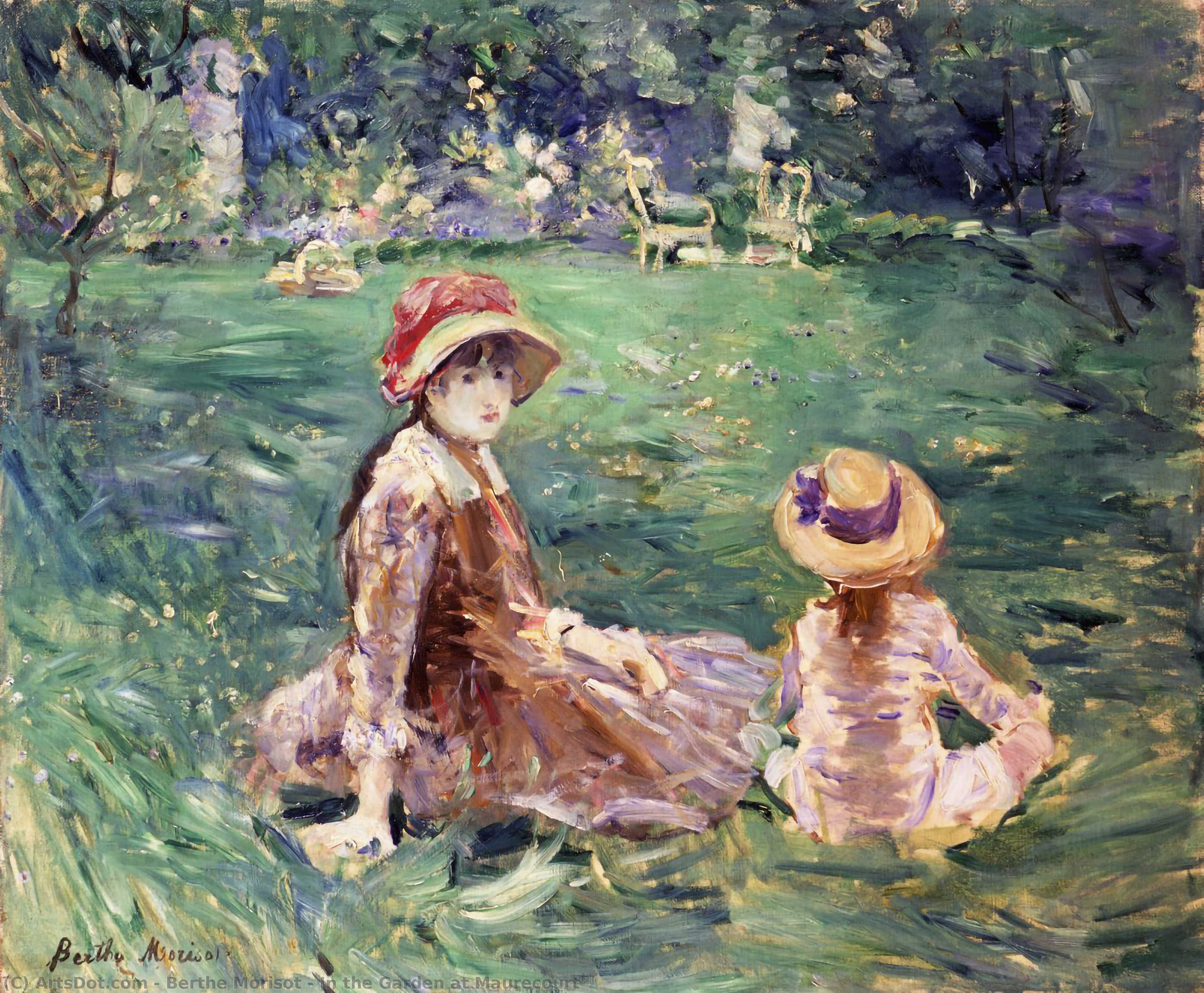
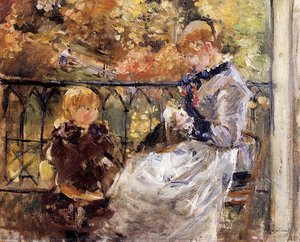
      In the Garden at Maurecourt (1884) by ბერტა მორიზო
      5

      In the Garden at Maurecourt

      In the soft, dappled sunlight of a French afternoon, Berthe Morisot’s “In the Garden at Maurecourt” invites the viewer into a sanctuary of profound stillness. Completed in 1884, this masterpiece serves as a window into the Belle Époque, capturing a moment that feels both fleeting and eternal. The scene unfolds within a lush, verdant garden—likely the Morisot estate near Maurecourt—where two young figures, including the artist’s daughter Julie, are nestled…

      Portrait of Edma (1870) by ბერტა მორიზო
      6

      Portrait of Edma

      1870 · Oil On Canvas · Courtauld Gallery, ლონდონი

      In the soft, flickering light of a Parisian afternoon, Berthe Morisot captures more than just a likeness in her 1871 masterpiece, Portrait of Edma. This painting serves as a profound window into the intimate domesticity that defined much of the Impressionist movement’s early explorations. The subject, Edma Pontillon—Morisot’s own sister-in-law—is not presented with the stiff, formal grandeur typical of academic portraiture. Instead, she is nestled within a private, quiet moment,…

      The Bath (1886) by ბერტა მორიზო
      7

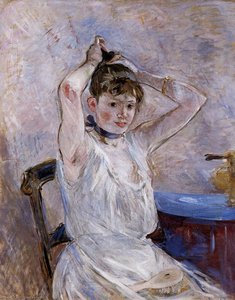
      The Bath

      1886 · Oil On Canvas

      To stand before Berthe Morisot’s The Bath is to step into a moment suspended in time—a breath held within the soft glow of an afternoon indoors. This painting, executed in 1886, transcends a mere depiction of daily routine; it captures the very essence of private contemplation. The scene unfolds with remarkable delicacy: a woman seated amidst the quiet rituals of self-care, brushing her hair. Morisot does not merely record what…

      The Quay at Bougival (1883) by ბერტა მორიზო
      8

      The Quay at Bougival

      1883 · Oil On Canvas · Nasjonalgalleriet, ოსლო

      To gaze upon Berthe Morisot’s “The Quay at Bougival” is to step through a portal into the heart of French Impressionism, where the boundaries between reality and perception begin to dissolve. Completed in 1883, this exquisite oil on canvas serves as much more than a mere landscape; it is a rhythmic, breathing snapshot of life along the Seine. The scene captures the bustling waterfront of Bougival, a serene suburb of…

      Daffodils (1885) by ბერტა მორიზო
      9

      Daffodils

      1885 · Oil On Canvas

      To stand before Berthe Morisot’s Daffodils is not merely to observe a still life; it is to step directly into a sun-drenched, breathlessly beautiful moment captured by the brush. Painted in 1885, this work radiates the delicate spirit of Impressionism, inviting the viewer into an intimate contemplation of nature’s cyclical promise. The composition centers on a simple arrangement: vibrant yellow daffodils gathered within a vase accented with cool blue hues,…

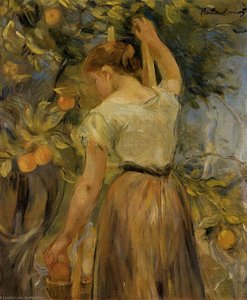
      Young Woman Picking Oranges (1889) by ბერტა მორიზო
      10

      Young Woman Picking Oranges

      1889 · Oil On Canvas

      To stand before Berthe Morisot's Young Woman Picking Oranges is to step directly into a sun-dappled moment suspended in time. This exquisite oil on canvas, dating from 1889, is not merely a depiction of an afternoon chore; it is a lyrical meditation on leisure, femininity, and the very nature of light itself. Morisot, a central figure whose genius blossomed within the vibrant currents of Impressionism, captures life with an almost…

      ბერტა მორიზო paintings ranked 11 to 100

      The Garden at Bougival (1884) by ბერტა მორიზო
      #11

      The Garden at Bougival

      1884 · Musée Marmottan Monet

      Berthe Morisot’s “The Garden at Bougival,” painted in 1884, is more than just a depiction of a sun-drenched garden; it's an intimate glimpse into the heart of the…

      Bring this light home →
      Woman in Black (1878) by ბერტა მორიზო
      #12

      Woman in Black

      1878 · National Gallery of Ireland

      To stand before Berthe Morisot's Woman in Black is to step directly into the luminous, fleeting moments of late nineteenth-century Parisian life. This portrait, painted in 1878, transcends…

      Have it painted by hand →
      Little Dancer (1885) by ბერტა მორიზო
      #14

      Little Dancer

      1885

      To stand before Berthe Morisot's Little Dancer is not merely to observe a painting; it is to step into a suspended moment of quiet contemplation. This exquisite oil…

      Order this canvas →
      Roses (1894) by ბერტა მორიზო
      #15

      Roses

      1894

      In this 1894 oil on canvas, Berthe Morisot presents us with Roses, a quiet study within the flower painting genre. This work emerged during a period when the…

      Have it painted by hand →
      Mother and Sister of the Artist (1869) by ბერტა მორიზო
      #17

      Mother and Sister of the Artist

      1869 · National Gallery of Art

      In the quiet corners of art history, few works capture the ephemeral beauty of domestic life as tenderly as Berthe Morisot’s 1869 masterpiece, "Mother and Sister of the…

      Order this canvas →
      Young Girl with Basket (1892) by ბერტა მორიზო
      #18

      Young Girl with Basket

      1892 · ფილადელფიის ხელოვნების მუზეუმი

      In this 1892 oil on canvas, we find ourselves in a private, intimate space, observing a young girl seated in a wicker chair. She is captured in profile,…

      Have it painted by hand →
      Portrait of a Child (1894) by ბერტა მორიზო
      #19

      Portrait of a Child

      1894 · ფილადელფიის ხელოვნების მუზეუმი

      A Luminous Encounter with Innocence Portrait of a Child unfolds in a soft, golden glow that seems to emanate from within the canvas itself. A young subject sits…

      Have it painted by hand →
      Young Girl with Hat (1891) by ბერტა მორიზო
      #23

      Young Girl with Hat

      1891 · ჩიკაგოს ხელოვნების ინსტიტუტი

      A young girl is captured in a moment of quietude, her form emerging from a dark, indistinct background. She is positioned slightly off-center, viewed from the waist up…

      Order this canvas →
      The Port of Nice (1882) by ბერტა მორიზო
      #33

      The Port of Nice

      1882

      Painted during a pivotal moment in art history, “The Port of Nice” reflects the burgeoning Impressionist movement’s challenge to traditional academic painting. Berthe Morisot, alongside artists like Monet…

      Have it painted by hand →
      Port of Gorey (1886) by ბერტა მორიზო
      #34

      Port of Gorey

      1886

      The Port of Gorey is a stunning oil on canvas painting by the renowned French artist Berthe Morisot, created in 1886. This beautiful representation of the ocean, measuring…

      Bring this light home →
      A Woman and Child in a Garden (1884) by ბერტა მორიზო
      #58

      A Woman and Child in a Garden

      1884 · შოტლანდიის ეროვნული გალერეა

      Berthe Morisot's "A Woman and Child in a Garden," painted between 1883 and 1884, isn’t merely a depiction of a domestic scene; it’s a carefully constructed tableau brimming…

      Have it painted by hand →
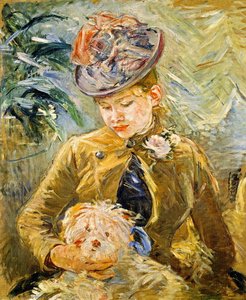
      Girl with a Dog (1887) by ბერტა მორიზო
      #65

      Girl with a Dog

      1887

      Berthe Morisot's "Girl with a Dog," painted in 1887, is a captivating portrait that showcases her unique style and skill as an artist. This oil on canvas painting…

      Have it painted by hand →
      Hide and Seek (1873) by ბერტა მორიზო
      #68

      Hide and Seek

      1873

      “Hide and Seek” is an oil on canvas painting created by Berthe Morisot in 1873, showcasing a beautiful depiction of everyday life in the 19th century. This artwork…

      Have it painted by hand →
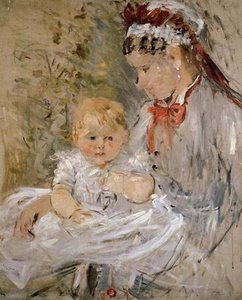
      Julie with Her Nurse (1880) by ბერტა მორიზო
      #75

      Julie with Her Nurse

      1880 · Ny Carlsberg Glyptotek

      Berthe Morisot's Julie with Her Nurse, painted in 1880, is more than just a portrait; it’s a tender exploration of motherhood and domestic life within the burgeoning Impressionist…

      Have it painted by hand →
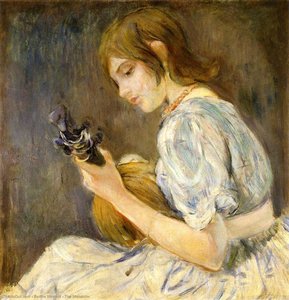
      The Mandolin (1889) by ბერტა მორიზო
      #78

      The Mandolin

      1889

      In the delicate brushstrokes of Berthe Morisot’s The Mandolin, we find ourselves transported to a private, melodic moment captured within the fleeting essence of the Impressionist era. The…

      Order this canvas →
      Haying at Mezy (1891) by ბერტა მორიზო
      #79

      Haying at Mezy

      1891

      Berthe Morisot's "Haying at Mezy," painted in 1891, is a captivating example of Impressionist art that transports viewers to the serene landscapes of rural France. This oil on…

      Have it painted by hand →
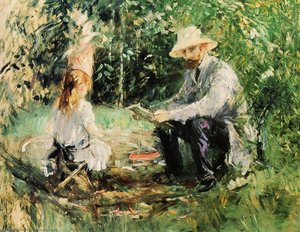
      Julie and Eugene Manet (1883) by ბერტა მორიზო
      #80

      Julie and Eugene Manet

      1883

      To gaze upon Berthe Morisot’s Julie and Eugene Manet is to step directly into the luminous, fleeting moments of late nineteenth-century Parisian life. This oil on canvas, dating…

      Order this canvas →
      Rosbras (Finistere) (1866) by ბერტა მორიზო
      #81

      Rosbras (Finistere)

      1866

      Berthe Morisot was a French painter and one of the leading figures in the Impressionist movement. Her painting, Rosbras (Finistère), created in 1866, is a beautiful representation of…

      Order this canvas →
      Child in the Rose Garden (1881) by ბერტა მორიზო
      #86

      Child in the Rose Garden

      1881 · მუზეუმ ვალრაფ რაიხარ்ட்სი

      Berthe Morisot's Child in the Rose Garden, painted in 1881, is a quintessential example of Impressionism, capturing a fleeting moment of childhood innocence within a tranquil garden setting.…

      Have it painted by hand →
      The Basket Chair (1882) by ბერტა მორიზო
      #87

      The Basket Chair

      1882 · ჰიუსტონის fine arts მუზეუმი

      The Basket Chair is an oil on canvas created by Berthe Morisot. This work emerged in 1882, capturing a quiet moment within the garden. The paint settles upon…

      Have it painted by hand →
      Peasant Girl among Tulips (1890) by ბერტა მორიზო
      #88

      Peasant Girl among Tulips

      1890

      To gaze upon this depiction, Peasant Girl among Tulips, is to step directly into a sun-dappled moment suspended in time. The scene unfolds with an exquisite intimacy, centering…

      Order this canvas →
      Portrait of Jeanne Pontillon (1894) by ბერტა მორიზო
      #89

      Portrait of Jeanne Pontillon

      1894 · ჟენევის ხელოვნებისა და ისტორიის მუზეუმი

      The Portrait of Jeanne Pontillon is a stunning oil on canvas painting created by the renowned French artist Berthe Morisot in 1894. This beautiful piece of art measures…

      Order this canvas →

      ბერტა მორიზო's canvases, period by period

      What ბერტა მორიზო painted most

      The four subjects that return most often on these canvases, each with its best-loved example.

      Where ბერტა მორიზო's canvases hang

      The 8 museums that hold the most of the paintings on this page.

      Museum City Works by ბერტა მორიზო Paintings from this list
      Musée Marmottan Monet, პარიზიMusée Marmottan Monet პარიზი 15 The Garden at Bougival, On the edge of the lake, In the apple tree
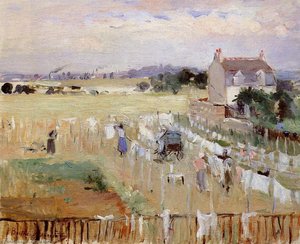
      National Gallery of Art, ვაშინგტონიNational Gallery of Art ვაშინგტონი 13 Two Sisters on a Couch (also known as The Sisters), Mother and Sister of the Artist, Hanging the Laundry out to Dry
      Musée d'Orsay, პარიზიMusée d'Orsay პარიზი 10 რიკინი, On a Bench in the Bois de Boulogne, In the Wheatfield at Gennevilliers
      მუზეუმ ვალრაფ რაიხარ்ட்სი, Kölnმუზეუმ ვალრაფ რაიხარ்ட்სი Köln 3 Child among the Hollyhocks, Child in the Rose Garden
      ფილადელფიის ხელოვნების მუზეუმი, ფილადელფიაფილადელფიის ხელოვნების მუზეუმი ფილადელფია 2 Young Girl with Basket, Portrait of a Child
      ჰიუსტონის fine arts მუზეუმი, ჰიუსტონიჰიუსტონის fine arts მუზეუმი ჰიუსტონი 2 Young Woman, The Basket Chair
      იეილის უნივერსიტეტის სახელოვნებო გალერეა, ნიუ ჰეივენიიეილის უნივერსიტეტის სახელოვნებო გალერეა ნიუ ჰეივენი 2 Young Woman and Child, The Harbor at Cherbourg
      ჩიკაგოს ხელოვნების ინსტიტუტი, ჩიკაგოჩიკაგოს ხელოვნების ინსტიტუტი ჩიკაგო 4 Young Girl with Hat

      Decade by decade: ბერტა მორიზო's most celebrated canvas

      1. 1860s
        Thatched Cottage in Normandy (1865) by ბერტა მორიზო
        3 of 100

        Thatched Cottage in Normandy

        Age 19 – 28

        To stand before Berthe Morisot’s depiction of a Thatched Cottage in Normandy is to step through a veil and into the gentle embrace of a bygone French afternoon.…

      2. 1870s
        რიკინი (1872) by ბერტა მორიზო
        Ranked 1 of 100

        რიკინი

        Age 29 – 38 · Musée d'Orsay

        ბერტე 모리조ის "სადუღლოს" (Le Berceau) არის იმპრესიონისტული ხელოვნების შესანიშნავი ნიმუში, რომელიც 1872 წელს შეიქმნა და დღეს Musée d'Orsay-ს კოლექციაშია. ეს ტილო მშობლისა და ბავშვის ურთიერთობის თბილ, ინტიმურ მომენტს…

      3. 1880s
        ვენახლის კუთხე (1885) by ბერტა მორიზო
        2 of 100

        ვენახლის კუთხე

        Age 39 – 48

        ბერტე 모리스ოს "ვარდების ბაღის კუთხე" დამნთქმელებს თითქოსდა მოწოდებულია მშვიდი ბაღში, სადაც ნაზად, თბილ ფერებში ჩასული მზის ნაპირები ანათებენ. ეს მომხიτευებელი ტილო არის 증거 იმისა, რომ 모рисовმა სრულყოფილად ათვისებული…

      4. 1890s
        Roses (1894) by ბერტა მორიზო
        Canvas 15 of 100

        Roses

        Age 49 – 54

        In this 1894 oil on canvas, Berthe Morisot presents us with Roses, a quiet study within the flower painting genre. This work emerged during a period when the…

      Your questions on ბერტა მორიზო's paintings, answered

      Which is the most celebrated painting by ბერტა მორიზო?Read the answer

      რიკინი (1872), Musée d'Orsay, პარიზი. ვენახლის კუთხე (1885) and Thatched Cottage in Normandy (1865) follow.

      How old was ბერტა მორიზო at the time of რიკინი?Read the answer

      ბერტა მორიზო, born in 1841, was 31 years old: რიკინი dates from 1872.

      Which ten paintings is ბერტა მორიზო most famous for?Read the answer

      რიკინი, ვენახლის კუთხე, Thatched Cottage in Normandy, Study, The Water's Edge, In the Garden at Maurecourt, Portrait of Edma, The Bath, The Quay at Bougival, Daffodils and Young Woman Picking Oranges. Each canvas in the ranking above comes with its year and its museum.

      How many paintings by ბერტა მორიზო are known?Read the answer

      361 works by ბერტა მორიზო are in our catalogue, dated 1863 to 1894.

      Which museums hold ბერტა მორიზო's best-known canvases?Read the answer

      Mostly in Musée Marmottan Monet (პარიზი), National Gallery of Art (ვაშინგტონი) and Musée d'Orsay (პარიზი); the list above names each museum and its canvases.

      In which years did ბერტა მორიზო paint the most celebrated canvases?Read the answer

      In 1880s, which gave 35 of the 100 works on this page, ვენახლის კუთხე among them.

      What are the first and the last of ბერტა მორიზო's famous canvases?Read the answer

      The earliest canvas here is Memory of the Banks of l'Oise (1863); the latest is Roses (1894).

      Which subjects return most often in ბერტა მორიზო's paintings?Read the answer

      Portrait (14), Women (12) and Domestic scene (10), across the 100 works on this page.

      What did ბერტა მორიზო usually paint with?Read the answer

      Oil On Canvas, used in 39 of the 100 works on this page.

      To which art movement does ბერტა მორიზო belong?Read the answer

      Impressionism, as the canvases on this page show.

      What can I see by ბერტა მორიზო at the Musée Marmottan Monet?Read the answer

      The Musée Marmottan Monet, პარიზი holds 4 of the works on this page, among them The Garden at Bougival, On the edge of the lake and In the apple tree.

      Can I order a hand-painted copy of a painting by ბერტა მორიზო?Read the answer

      Yes. Every painting on this page can be ordered from its own page as an oil reproduction painted by hand, or as a fine art print, in the size you choose.

      ბერტა მორიზო: the painter's story

      Early Life, Family and Artistic Training

      Berthe Morisot was born on 14 January 1841 in Bourges, France. She grew up in an affluent bourgeois family where the lines between domestic life and art were often blurred. Her father, Edmé Tiburce Morisot, held the position of prefect of the department of Cher. Her mother, Marie-Joseph-Cornélie Thomas, brought a connection to the Rococo tradition as the great-niece of Jean-Honoré Fragonard. This lineage provided a backdrop of artistic familiarity from her earliest years.

      Her training began with private lessons from Geoffroy-Alphonse Chocarne and Joseph Guichard. By 1858, she was spending her time in the Louvre, learning the mechanics of paint by copying the Old Masters. This period of study was supplemented by the guidance of Jean-Baptiste-Camille Corot and Achille-Francois Oudinot. During the winter of 1863–64, she also turned her attention to the physical form through the study of sculpture under Aimé Millet.

      The Impressionist Movement and Exhibitions

      In 1864, Morisot showed her work for the first time at the Paris Salon. This was a significant step, as the Salon was the official gatekeeper of the art world. She did not remain confined to these traditional spaces. Instead, she became a member of the circle of painters in Paris who would eventually be known as the Impressionists. Her presence in this group was constant. Between 1874 and 1886, she participated in all but one of the eight Impressionist exhibitions held during those years.

      The first of these gatherings took place in the studio of the photographer Nadar. It opened on 15 April and ran until 15 May 1874. This exhibition was a departure from the established norms of the time. Morisot was there alongside the others, helping to define a new way of seeing. She continued to exhibit with the group, bringing her specific perspective to the various shows held throughout the following decade.

      Personal Life and the Manet Connection

      The boundaries between Morisot’s private life and her art were often blurred. She grew up in a household with two older sisters, Yves and Edma, and a younger brother, Tiburce. In 1868, she became acquainted with Édouard Manet, a connection that grew into a deep mutual influence. He painted her many times, capturing her in various states of dress and mood, while she found her own way through the shifting light of Paris. Their relationship was one of intellectual exchange and shared artistic purpose.

      In 1874, Morisot married Eugène Manet, the brother of Édouard. This union further embedded her within the circle of artists who were redefining modern painting. A daughter, Julie Manet, was born in Paris in 1878. Julie would grow up in a home where the boundaries between domestic life and the radical debates of the avant-garde were thin, often serving as a presence in the very rooms where art was created and discussed.

      Technique and Artistic Style

      Morisot’s approach to the canvas relies on a lightness of touch. She often worked outdoors, using the plein air method to catch the shifting qualities of light and atmosphere directly from nature. This habit of working in the open air allowed her to translate the transient nuances of color through loose, confident strokes. Her brushwork is fluid, moving across the surface with a sense of immediacy that avoids heavy, labored layers. She did not rely solely on oil; her practice included working in watercolours and pastel to explore different textures and light effects.

      There is a specific way she handles the edges of her subjects. Instead of hard, defined outlines, she uses broken color and small strokes of pigment to build form. This technique creates a shimmering effect, making the air between objects feel as tangible as the objects themselves. In her depictions of domestic life, this method captures the soft glow on skin or the way light filters through a garden. The result is a sense of spontaneity, as if the scene were being recorded in a single, unhurried moment of observation.

      Key Works and Iconic Paintings

      In 1872, Morisot painted The Cradle, an oil on canvas that captures her sister Edma watching over her sleeping daughter, Blanche. The composition uses a diagonal line formed by the mother's gaze and the fabric of the crib to draw the eye toward the infant. This work marks the first time she explored the theme of motherhood, using a reduced number of colors and a fluid brushstroke to create an atmosphere of quiet, protective love.

      Her presence appears frequently in the works of others, most notably in 1872 when Édouard Manet painted Berthe Morisot with a Bouquet of Violets. In this portrait, she is dressed in black mourning attire, with a barely visible bouquet of violets near her neckline. The light hits her from one side, leaving the other half of her face in deep shadow. This study in black tones highlights the contrast between her dark clothing and the lighter background.

      Other significant pieces include:

      Later in her career, she produced The Hydrangea in 1894. Her ability to translate the nuances of light and color through loose, confident strokes remained a constant throughout her years of painting.

      Where to See Her Works Today

      To see her brushwork in person, one might start in Paris. The Musée d'Orsay holds six of her paintings, including The Cradle. This work, which she painted in 1872, shows her sister Edma watching over a sleeping child. The Musée Marmottan Monet also keeps five of her works within its collection.

      Beyond France, her presence is felt in Washington, D.C. The National Gallery of Art holds six of her paintings. In this collection, you can find Mother and Sister of the Artist, which she painted in 1869. Other pieces held in Washington include In the Dining Room and Hanging the Laundry out to Dry, both from 1875.

      A few of her other works reside in different locations, such as the Thyssen-Bornemisza Museum in Madrid and the Nationalmuseum in Stockholm. These pieces allow for a quiet look at how she handled light and domestic scenes across different settings.

      All 361 works by ბერტა მორიზო →