ატელიე — უფასო მიწოდება მთელ მსოფლიოში — მიწოდების ვადა: 2–6 კვირა

      A catalogue of Early Modern masters

      The 100 Greatest Early Modern Painters

      Among the Early Modern painters, რემბრანდტი (1606–1669) holds the first place, celebrated for მოხევე მცველი and ქრისტი ზღვაზე უშხელეს დროს. კარავაჯო, დიეგო ველასკესი, ფრანსისკო გოია and პეტერ პაულ რუბენსი follow. The catalogue spans 100 masters, from კარავაჯო (born 1571) to თომას ლოურენსი (მხატვარი) (born 1769), across 13 countries.

      About this catalogue. This catalogue gathers the artists whose works our collection records as Early Modern, ordered by our fame ranking. Artists born after 1955 with no Wikidata record await verification. Beside each name, the number of our 32 languages in which Wikipedia devotes an article to the artist.

      1. მოხევე მცველი by რემბრანდტი1რემბრანდტი
      2. წმინდა მატევის მოძახებA by კარავაჯო2კარავაჯო
      3. The Surrender of Breda by დიეგო ველასკესი3დიეგო ველასკესი

      The collection in brief

      Early Modern: the collection in brief

      • 100Artists
      • 1571–1769Years of birth
      • 13Countries of birth
      • 6Women
      • 33 589Works in our catalogue

      Master by master

      The catalogue: 100 Early Modern Painters

      1of 100

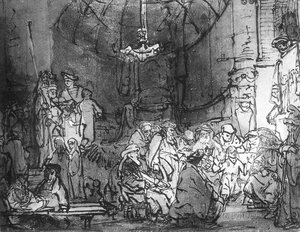
      რემბრანდტი

      ნიდერლანდელი Born in ლეიდენი Wikipedia, 32 of 32 languages

      რემბრანდტი

      Rembrandt had a way of making light feel like a physical presence in a room. This was not merely a trick of the light; it was a way to guide the eye and suggest the hidden depths of a person's character.

      On view at His legacy is spread across many collections, with the National Gallery in London holding sixteen of his works.

      Principal works · The hundred celebrated works

      2of 100

      კარავაჯო

      იტალიელი Born in მილანი ბაროკი, ტენებრიზმი Wikipedia, 32 of 32 languages

      კარავაჯო

      Light does not merely illuminate the scene; it strikes. Instead, he brings the people of the Roman streets—the laborers and the outcasts—into the realm of the sacred. His influence ripples through the works of giants like Peter Paul Rubens and Rembrandt, whose own handling of light and shadow owes a debt to his radical naturalism.

      On view at The physical remnants of his vision are scattered across Europe’s most significant institutions.

      Principal works · The hundred celebrated works

      3of 100

      დიეგო ველასკესი

      Spanish Born in სევილია Spanish Baroque / Spanish Golden Age Wikipedia, 31 of 32 languages

      დიეგო ველასკესი

      His training under Francisco Pacheco provided a foundation in these traditional methods, but the young painter soon felt a pull toward something more direct. Christ in the House of Martha and Mary. In the 19th century, French Realist painters like Gustave Courbet looked to his work as a model for their own commitment to depicting life without idealization.

      On view at To stand before a Velázquez is to encounter the quiet weight of history.

      Principal works · The hundred celebrated works

      4of 100

      ფრანსისკო გოია

      ესპანელი Born in ფუენდეტოდოსი ['როკოკო', 'რომანტიზმი', 'მოდერნიზმი'] Wikipedia, 32 of 32 languages

      ფრანსისკო გოია

      Between 1819 and 1823, he painted the Black Paintings directly onto the plaster. These murals, including Saturn Devouring His Son and Asmodea, deal with madness and existential dread. His influence reaches through the decades, appearing in the works of Édouard Manet and Pablo Picasso.

      Principal works · The hundred celebrated works

      5of 100

      პეტერ პაულ რუბენსი

      ფლანდრიელი Born in სიეიგი ბაროკო Wikipedia, 32 of 32 languages

      პეტერ პაულ რუბენსი

      He married Isabella Brandt shortly thereafter, forging a partnership that would endure until her untimely death in 1625—a personal tragedy that profoundly impacted his artistic life. During this period, Rubens cultivated an expansive studio staffed with numerous assistants—facilitating the production of monumental altarpieces, portraits, landscapes, and history paintings that captivated audiences across Europe. His monumental canvases—including The Descent from the Cross, The Raising of the Cross, Apollo and Daphne, and The Feast of Saint Ursula—remain among the most iconic achievements of Baroque art—exemplifying his mastery of composition, color, and dramatic storytelling.

      Principal works · The hundred celebrated works

      6of 100

      იან ვერმეერი

      ჰოლანდიელი Born in დელფტი ჰოლანდიური ოქროს ხანა Wikipedia, 32 of 32 languages

      იან ვერმეერი

      Principal works · The hundred celebrated works

      7of 100

      ნიკოლა პუსენი

      French Born in ლევრე French Baroque, French Classicism

      ნიკოლა პუსენი

      Poussin arrived in Rome in 1624, having traveled via Venice. He remained in Rome until his death in 1665, having transformed from an unformed immigrant into a central figure of the classical tradition. Artists such as Jacques-Louis David and Paul Cézanne acknowledged their debt to his intellectual depth and his preference for line over color.

      Principal works · The hundred celebrated works

      8of 100

      არტემიზია ჯენტილესკი

      იტალიელი Born in რომი ბაროკო Wikipedia, 32 of 32 languages

      არტემიზია ჯენტილესკი

      This technique directs the viewer's attention toward the essential movements of her subjects, often emerging from deep, impenetrable shadows. In her depiction of Susanna and the Elders, she utilized a vertical composition to create a sense of malevolent pressure, emphasizing the psychological tension of the scene. Artemisia Gentileschi is recognized among the most accomplished artists of the 17th century.

      On view at The physical presence of her art remains scattered across Europe, a map of her movement and the enduring demand for her vision.

      Principal works · The hundred celebrated works

      9of 100

      უილიამ ბლეიკი

      ბრიტანელი Born in ლონდონი რომანტიზმი Wikipedia, 32 of 32 languages

      უილიამ ბლეიკი

      Blake’s creative process was defined by a restless desire to merge the written word with the visual image. Working alongside his wife, Catherine, who assisted in the printing and coloring, he managed the entire production from the initial etching to the final stitching of the books. The Pre-Raphaelite Brotherhood embraced him as a kindred spirit, finding common ground in his rejection of Neoclassical conventions.

      On view at The physical remnants of Blake’s vision are scattered across several major institutions, reflecting the global reach of his influence.

      Principal works · The hundred celebrated works

      10of 100

      ჟაკ-ლუი დავიდი

      ფრანგი Born in პარიზი ნეოკლასიციზმი Wikipedia, 31 of 32 languages

      ჟაკ-ლუი დავიდი

      The political upheaval of 1789 found David deeply embedded in the shifting currents of French society. As a member of the Jacobin group, his commitment to the cause was both ideological and personal. His influence reached into the radical shifts of the modern era, finding unexpected echoes in the work of Henri Matisse and Pablo Picasso.

      On view at The physical presence of David’s oeuvre is scattered across the major repositories of European and international art.

      Principal works · The hundred celebrated works

      11of 100

      ჟან-ანტუან ვატო

      ფრანგილიური Born in ვალანსიენი როკოકો სტილი Wikipedia, 31 of 32 languages

      ჟან-ანტუან ვატო

      By employing a delicate layering of colors, he achieved a shimmering effect, as if the very light of the scene were caught in a moment of transition. This method allowed him to build a world that felt both present and fleeting, a quality that defined his unique approach to the canvas. Even in his most quiet works, the legacy of his vision remains clear: The Country Dance.

      Principal works · The hundred celebrated works

      13of 100

      ელიზაბეთ ვიჟე-ლებრენი

      ფრანგი Born in პარიზი როკოკო და ნეოკლასიციზმი Wikipedia, 30 of 32 languages

      ელიზაბეთ ვიჟე-ლებრენი

      She spends hours in the Louvre, meticulously copying the works of Rubens, Van Dyck, and Rembrandt to refine her understanding of light and form. This period of intense study is supplemented by access to private collections; she spends significant time copying paintings from the collection of Jean-Baptiste-Pierre Le Brun. Portrait of Marie-Gabrielle de Gramont, Comtesse de Caderousse (1784).

      On view at Vigée Le Brun remains a pioneer for women in the arts, having navigated a professional landscape almost exclusively reserved for men.

      Principal works · The hundred celebrated works

      14of 100

      კლოდ ლორეინი

      Born in ჩამაგნეური Wikipedia, 29 of 32 languages

      კლოდ ლორეინი

      Principal works · The hundred celebrated works

      15of 100

      უილიამ ჰოუგართი

      ინგლიელი Born in ლონდონი თანამედროვე მორალური თემები Wikipedia, 31 of 32 languages

      უილიამ ჰოუგართი

      He does not merely paint; he constructs narratives. This approach finds its peak in his development of "modern moral subjects," a method where he uses visual storytelling to critique the social fabric. He lobbies for the Copyright Act of 1735, a move that secures the rights of creators against those who would profit from their labor without permission.

      On view at The physical traces of Hogarth's social critiques remain scattered across major institutions.

      Principal works · The hundred celebrated works

      16of 100

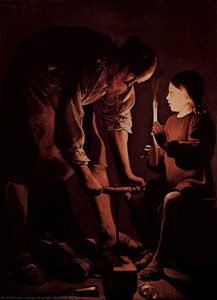
      ჟორჟ დე ლატურ

      French Born in ვი-სურ-სეი French Baroque Wikipedia, 26 of 32 languages

      ჟორჟ დე ლატურ

      Georges de La Tour’s formative years were marked by the turbulent political landscape of Lorraine under Habsburg rule. The prevailing artistic currents of his time included Caravaggism and Dutch Baroque, which profoundly shaped his aesthetic sensibilities. Notably, De La Tour’s formative years coincided with the flourishing of Utrecht School painters like Hendrick Terbrugghen, whose dramatic use of chiaroscuro served as a crucial catalyst for his stylistic development.

      Principal works · The hundred celebrated works

      17of 100

      ანტონის ვან დეიკი

      Flemish Born in ანტვერპენი Baroque Wikipedia, 32 of 32 languages

      ანტონის ვან დეიკი

      Principal works · The hundred celebrated works

      18of 100

      კაცუსიკა ჰოკუსაი

      იაპონელი Born in ტოკიო უკიო-ეს Wikipedia, 32 of 32 languages

      კაცუსიკა ჰოკუსაი

      By the age of six, the boy is already sketching, driven by a hunger that his father, Nakajima Ise, recognizes but cannot fully direct. By twelve, he enters the studio of Katsukawa Shunshō, learning the demanding precision of ukiyo-e woodblock printing. Around 1831, the series Thirty-six Views of Mount Fuji emerges, fundamentally altering the scope of Japanese printmaking.

      Principal works · The hundred celebrated works

      19of 100

      ფრანსისკო დე სურბარანი

      ესპანელი Born in ფუენტე-დე-კანტოსი ესპანური ბაროკო, ტენებრიზმი Wikipedia, 31 of 32 languages

      ფრანსისკო დე სურბარანი

      His style drew from the realism of Caravaggio and his followers, but it was also shaped by the quiet precision of Juan Sánchez Cotán and the influence of polychrome sculpture. His work was influenced by the textures found in the paintings of Murillo and Titian, yet he maintained a hard-edged, solemn quality that suited his religious subjects. After Velázquez, Francisco de Zurbarán was the most significant painter of the Spanish Golden Age.

      On view at In Madrid, Spain, the Prado Museum houses a version of his Agnus Dei, a work that captures the stark, heavy presence of the lamb.

      Principal works · The hundred celebrated works

      20of 100

      ბარტოლომე ესტებან მურილიო

      Spanish Born in სევილია Spanish Baroque Wikipedia, 32 of 32 languages

      ბარტოლომე ესტებან მურილიო

      Murillo’s hand changed as he grew, moving away from the heavy, somber realism of his early years toward a more idealized way of seeing. He had a way of building up forms through a layered approach, using delicate glazes and subtle brushwork to create depth. Later artists, including Gainsborough and Greuze, acknowledged the impact of his luminous style on their own approach to light and form.

      On view at In Spain, the Museo del Prado in Madrid holds several of his paintings, offering a direct connection to the spirit of the Golden Age.

      Principal works · The hundred celebrated works

      21of 100

      კანალეტო

      იტალიელი Born in ვენეცია ვენეციური ვედუტა Wikipedia, 30 of 32 languages

      კანალეტო

      Principal works · The hundred celebrated works

      22of 100

      ჯამბატისტა ტიეპოლო

      იტალიელი Born in ვენეცია როკოკო და ბაროკო Wikipedia, 30 of 32 languages

      ჯამბატისტა ტიეპოლო

      Tiepolo worked within the Rococo style, focusing on a sense of air and movement. He drew heavily from the traditions of Veronese, particularly in his use of elegant costumes and grand architectural settings. He was a central figure in the 18th-century Venetian school, moving through the courts of Italy, Germany, and Spain.

      On view at To find his hand, one often looks to the very spaces he was commissioned to transform.

      Principal works · The hundred celebrated works

      23of 100

      ფრანსუა ბუშე

      ფრანგი Born in პარიზი როკოკო Wikipedia, 30 of 32 languages

      ფრანსუა ბუშე

      The classical ideals he encountered in the Italian light and the works of the masters did not merely teach him technique; they instilled in him a new way of seeing. He was admitted to the Académie Royale de Peinture et de Sculpture in 1731, and by 1734, he had achieved the status of a historical painter within the Academy.

      On view at In Paris, the Louvre holds several of his canvases, preserving the spirit of the courtly life he so carefully rendered.

      Principal works · The hundred celebrated works

      24of 100

      ჟან-ონორე ფრაგონარი

      ფრანგი Born in გრასი როკოკო Wikipedia, 28 of 32 languages

      ჟან-ონორე ფრაგონარი

      Principal works · The hundred celebrated works

      25of 100

      გვიდო რენი

      იტალიელი Born in ბოლონია ბაროკო, ბოლონიის სკოლა, კლასიციზმი Wikipedia, 29 of 32 languages

      გვიდო რენი

      With the passing of Annibale Carracci, the artist stepped into a position of leadership, becoming the figurehead of the Bolognese school. Through these movements between Bologna, Rome, and Naples, he established himself as a painter of great reach. Giovanni Francesco Barbieri, known as il Guercino, and the Flemish painter Anthony van Dyck both drew from the well of his refined technique and classical ideals.

      Principal works · The hundred celebrated works

      26of 100

      იაკობ ვან რუისდაელი

      ჰოლანდიური Born in ჰაარლემი ოქროს ხანა, ბაროკო Wikipedia, 28 of 32 languages

      იაკობ ვან რუისდაელი

      Ruisdael’s approach to the canvas was defined by a restless versatility. His technical precision relied heavily on the layering of thin glazes of oil paint. The reach of Ruisdael’s vision extended far beyond the borders of the Netherlands, reaching into the very foundations of later landscape traditions.

      On view at The physical presence of his canvases remains scattered across the major repositories of European and American art.

      Principal works · The hundred celebrated works

      27of 100

      ჟან-ბატისტ-სიმეონ შარდენი

      ფრანგი Born in პარიზი ნატურალიზმი Wikipedia, 27 of 32 languages

      ჟან-ბატისტ-სიმეონ შარდენი

      Chardin’s presence in Paris was marked by a steady, quiet ascent through the city's artistic circles. By 1752, his standing was such that Louis XV granted him a pension of 500 livres. Paul Cézanne, Édouard Manet, and Henri Matisse all found something essential in his approach to form and light.

      On view at His presence is felt strongly in Paris, where the Musée du Louvre holds a significant portion of his output.

      Principal works · The hundred celebrated works

      28of 100

      შარლ ლე ბრუნი

      ფრანგული Born in პარიზი ბاروკე Wikipedia, 30 of 32 languages

      შარლ ლე ბრუნი

      Principal works · The hundred celebrated works

      29of 100

      იან სტენი

      ნიდერლანდელი Born in ლეიდენი ბაროკო, ჟანრული ფერწერა Wikipedia, 27 of 32 languages

      იან სტენი

      Principal works · The hundred celebrated works

      30of 100

      თომას გეინსბორო

      ბრიტანელი Born in სედერბი როკოკო, რომანტიზმი Wikipedia, 29 of 32 languages

      თომას გეინსბორო

      The brush moved with a certain restless energy across his canvases, favoring quick brushstrokes that suggested form rather than laboriously defining it. He would place his subjects within the wide, open air of the English countryside, allowing the atmosphere of the sky and the texture of the trees to inform the character of the person depicted.

      On view at To walk through the rooms of Gainsborough’s House in Sudbury is to step into the very environment that nurtured his early vision.

      Principal works · The hundred celebrated works

      31of 100

      ჯოშუა რეინოლდზი

      ინგლისელი Born in პლიმაუთი Grand Style პორტრეტიზმი Wikipedia, 31 of 32 languages

      ჯოშუა რეინოლდზი

      This period of study allowed him to immerse himself in the works of the Old Masters, absorbing the techniques and compositions that would define his later career. He returned to England with a clear vision for how British art could move beyond simple likenesses. His works remain central to the study of this era, held in significant collections such as the National Gallery and the National Portrait Gallery Collection.

      Principal works · The hundred celebrated works

      32of 100

      იაკობ იორდანსი

      ფლანდრიელი Born in ანტვერპენი ბაროკო Wikipedia, 27 of 32 languages

      იაკობ იორდანსი

      Jordaens possessed a hand that favored the tangible and the real over the idealized dreams of the court. This careful layering gave his surfaces a certain glow, even when the subjects themselves were of a most earthly nature. While his contemporaries often looked toward the courtly elegance of Italy, Jordaens found his strength in the soil of Flanders.

      On view at In Paris, the Louvre preserves his hand, while the Museo del Prado in Madrid offers a glimpse into his ability to render the human form with such substantial presence.

      Principal works · The hundred celebrated works

      33of 100

      ჰენრი ფუსელი

      შვეიცარიელი Born in ციურიხი რომანტიზმი, ბნელი რომანტიზმი Wikipedia, 27 of 32 languages

      ჰენრი ფუსელი

      He left for an art pilgrimage to Italy in 1770, staying there until 1778. While living in Rome, he spent much of his time contemplating the works of Michelangelo and the marble statues of the Monte Cavallo. One can see his shadow in the work of William Blake, who shared a similar interest in the visionary and the intense.

      Principal works · The hundred celebrated works

      34of 100

      პიტერ დე ჰოხი

      ნიდერლანდელი Born in როტერდამი დელფტის სკოლა, ნიდერლანდების ოქროს ხანა Wikipedia, 26 of 32 languages

      პიტერ დე ჰოხი

      Pieter de Hooch was born on December 20, 1629, in Rotterdam, Netherlands. During these formative years, de Hooch was a pupil of Claes Berchem. His compositions often shared thematic ground and structural similarities with the works of Emanuel de Witte, particularly in their approach to interior spaces.

      Principal works · The hundred celebrated works

      35of 100

      ჯოვანი ლორენცო ბერნინი

      იტალიელი Born in ნეაპოლი ბاروკე Wikipedia, 32 of 32 languages

      ჯოვანი ლორენცო ბერნინი

      Principal works · The hundred celebrated works

      36of 100

      ანტონიო კანოვა

      იტალიელი Born in პოსანო ნეოკლასიციზმი Wikipedia, 30 of 32 languages

      ანტონიო კანოვა

      Principal works · The hundred celebrated works

      37of 100

      ხოსეპე დე რიბერა

      ესპანელი Born in ხატივა Baroque Wikipedia, 30 of 32 languages

      ხოსეპე დე რიბერა

      Principal works · The hundred celebrated works

      38of 100

      კიტაგავა უტამარო

      იაპონელი Born in კავაგოე უკიო-ე Wikipedia, 27 of 32 languages

      კიტაგავა უტამარო

      Principal works · The hundred celebrated works

      39of 100

      ანტონ რაფაელ მენგსი

      გერმან-ბოჰემიელი Born in უსტი-ნად-ლაბემი ნეოკლასიციზმის ფერწერა Wikipedia, 27 of 32 languages

      ანტონ რაფაელ მენგსი

      Principal works · The hundred celebrated works

      40of 100

      ჟან-ბატისტ გრეზი

      French Born in Tournus Rococo, Genre painting Wikipedia, 22 of 32 languages

      ჟან-ბატისტ გრეზი

      Le Père de famille expliquant la Bible à ses enfants (1755): მისი ადრინდელი წარმატების საყდარი, რომელიც განმ enlightenmentების იდეალებს წარმოადგენს ოჯახური პატივმოყვარეობის შესახებ. La Jeune Fille qui pleure son oiseau mort (c. 1765): გრეზის ემოციური გამოხატვის უნარის დემონსტრაცია და გამომსახველობითი ისტორიების მოთხრობა. Savoyard with a Dancing Doll (c. 1763): ბავშვობის სულისკვეთება და ხასიათის აღწერა, მისი პორტრეტული უნარის ჩვენება.

      Principal works · The hundred celebrated works

      41of 100

      ანჯელიკა კაუფმანი

      შვიეტსელი Born in კური ნეოკლასიციზმი Wikipedia, 27 of 32 languages

      ანჯელიკა კაუფმანი

      Principal works · The hundred celebrated works

      42of 100

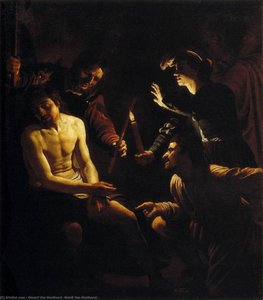
      გერარდ ვან ჰონთორსტი

      ჰოლანდიელი Born in უტრეხტი Baroque, Caravaggism Wikipedia, 23 of 32 languages

      გერარდ ვან ჰონთორსტი

      Principal works · The hundred celebrated works

      44of 100

      ბერნარდო ბელლოტო

      იტალიელი Born in ვენეცია ვედუტას ხატვა Wikipedia, 27 of 32 languages

      ბერნარდო ბელლოტო

      Principal works · The hundred celebrated works

      45of 100

      ლუკა ჯორდანო

      იტალიელი Born in ნეაპოლი უ late ბაროკო Wikipedia, 23 of 32 languages

      ლუკა ჯორდანო

      He moves away from the somber, tenebrist manner of his early training toward a light, airy, and delicately colored style. This transition introduces a new sense of light and glowing colour into his compositions. With an estimated production of over six hundred paintings, his hand moved through the late Baroque with a speed that earned him the moniker Luca fa presto.

      On view at The physical presence of Giordano’s output remains scattered across the major repositories of Europe.

      Principal works · The hundred celebrated works

      46of 100

      სიმონ ვუე

      ფრანგული Born in პარიზი ბاروკე პერფორმანსი Wikipedia, 25 of 32 languages

      სიმონ ვუე

      Principal works · The hundred celebrated works

      47of 100

      ფრანჩესკო გვარდი

      Born in ვენეცია Wikipedia, 27 of 32 languages

      ფრანჩესკო გვარდი

      Principal works · The hundred celebrated works

      49of 100

      ანრი-ლუი ჟიროდე

      ფრანგი Born in მონტარგისი ნეოკლასიკა & რომანტიზმი Wikipedia, 23 of 32 languages

      ანრი-ლუი ჟიროდე

      Principal works · The hundred celebrated works

      50of 100

      კარელ ფაბრიციუსი

      ჰოლანდიელი Born in მიუდენი ბაროკო Wikipedia, 23 of 32 languages

      კარელ ფაბრიციუსი

      The Goldfinch, ალბათ მისი ყველაზე ცნობილი ნამუშევარი, იდეალურად წარმოადგენს ამას. ერთი თეთრი კედლის ფონზე მოქსოვილი ოქროსფერი ჩიტის, როგორც ჩანს, მარტივი გამოსახულება არის ტრომპ-ლ’ეილის ტექნიკის და სივრციული ილუზიის ტურნირის შედევრი. ჩიტის ფრთები წარმოუდგენლად დეტალურად არის შესრულებული, ხოლო სინათლისა და ჩრდილის ურთიერთქმედება თითქმის ხელშესახებელი სიღრმის შეგრძნებას ქმნის. The Goldfinch -ის გარდა, ფაბრიციუსის კორპუსში მოცულია სხვა მომხიბლავი ნამუშევრები, რომლებიც მისი გამორჩეული ხედვის შესაძლებლობებს წარმოაჩენს.

      Principal works · The hundred celebrated works

      51of 100

      იან ვან გოიენი

      Born in ლეიდენი Wikipedia, 25 of 32 languages

      იან ვან გოიენი

      Principal works · The hundred celebrated works

      53of 100

      იოსა ბუსონი

      იაპონელი Born in კემა ჰაიგას სტილი Wikipedia, 22 of 32 languages

      იოსა ბუსონი

      The poetry of Matsuo Bashō, the most famous haiku poet in history, was also a major source of inspiration. He even traveled extensively throughout Japan, following in Bashō's footsteps, seeking to experience the same landscapes and capture the same spirit of wabi-sabi – the acceptance of transience and imperfection. Buson’s artistic lineage is complex, drawing upon both traditional Japanese aesthetics and the influence of Chinese art.

      Principal works · The hundred celebrated works

      54of 100

      ჯოზეფ რაიტი

      ბრიტანელი Born in რკინის კარი ჩიაროსკურო, რომანტიზმი Wikipedia, 23 of 32 languages

      ჯოზეფ რაიტი

      Principal works · The hundred celebrated works

      55of 100

      თომას ლოურენსი (მხატვარი)

      ბრიტანელი Born in ბრისტოლი რეჯენსის პორტრეტული ხელოვნება Wikipedia, 22 of 32 languages

      თომას ლოურენსი (მხატვარი)

      Principal works · The hundred celebrated works

      56of 100

      ჯონ სინგლტონ კოპლი

      ამერიკელი-ინგლისელი Born in ბოსტონი პორტრეტიზმი, რეალიზმი Wikipedia, 22 of 32 languages

      ჯონ სინგლტონ კოპლი

      He did not merely replicate the decorative flourishes of his predecessors; he tempered them with a rigorous, Neo-Classical vision. His work avoids the superficiality often found in purely decorative styles by grounding every composition in anatomical accuracy and psychological depth.

      Principal works · The hundred celebrated works

      57of 100

      ჯორჯ სტაბსი

      ინგლისელი Born in ლივერპული რომანტიზმის მოძრაობა Wikipedia, 19 of 32 languages

      ჯორჯ სტაბსი

      Stubbs operates at the intersection of scientific inquiry and fine art. By combining anatomical exactitude with expressive details, he moves beyond mere likeness to capture the mechanics of life.

      On view at The legacy of Stubbs’s anatomical precision survives in the halls of major international institutions.

      Principal works · The hundred celebrated works

      59of 100

      დავიდ ტენიერსი უმცროსი

      Born in ანტვერპენი Wikipedia, 18 of 32 languages

      დავიდ ტენიერსი უმცროსი

      The early years of Teniers's career show a painter finding his footing through the shadows of others. This period of imitation is a bridge toward a highly specialized focus on genre painting. As the leading genre painter of his era, he moved the focus of Northern European painting away from grand mythological narratives and toward the immediate realities of the common people.

      On view at The legacy of Teniers is anchored in the major collections of Europe, where his depictions of everyday life remain accessible to those tracing the history of Flemish Baroque painting.

      Principal works · The hundred celebrated works

      60of 100

      რობერტ ადამი

      შოტლანდიელი Born in კირკკალდი ნეოკლასიციზმი Wikipedia, 29 of 32 languages

      რობერტ ადამი

      His father, William Adam, was a prominent figure in shaping the Scottish landscape, and young Robert’s initial education wasn't confined to academic pursuits like Latin at Edinburgh’s Royal High School; it was interwoven with the practical realities of building design and construction through apprenticeship under his father’s tutelage. Born in Kirkcaldy, Scotland, on July 3rd, 1728, Robert Adam emerged from a family already deeply entrenched in the world of architecture.

      Principal works · The hundred celebrated works

      61of 100

      პომპეო ბატონი

      იტალიელი Born in ლუკა Neოკლასიციზმი Wikipedia, 19 of 32 languages

      პომპეო ბატონი

      Principal works · The hundred celebrated works

      62of 100

      ფრანს სნიიდერსი

      Flemish Born in ანტვერპენი Baroque Wikipedia, 20 of 32 languages

      ფრანს სნიიდერსი

      Principal works · The hundred celebrated works

      63of 100

      ადრიან ბრაუერი

      ფლემიშური Born in უდენარდე ბاروკე, ჟანრის მხატვრობა Wikipedia, 21 of 32 languages

      ადრიან ბრაუერი

      Principal works · The hundred celebrated works

      64of 100

      პიეტრო ლონგი

      იტალიელი Born in ვენეცია ვენეციური живопись, როკოკო Wikipedia, 18 of 32 languages

      პიეტრო ლონგი

      Principal works · The hundred celebrated works

      65of 100

      გაბრიელ მეტსიუ

      ჰოლანდიელი Born in ლეიდენი ეკლექტიკური; ჟანრული, პორტრეტი, still life Wikipedia, 23 of 32 languages

      გაბრიელ მეტსიუ

      By 1650, he had ceased to be a subscriber to the guild. Once settled in Amsterdam, he lived on the Prinsengracht. His work is credited with influencing several major figures of the era, including Johannes Vermeer, Jan Steen, Frans van Mieris, and Pieter de Hooch.

      On view at Tracing the presence of his paintings requires traveling through several major collections.

      Principal works · The hundred celebrated works

      66of 100

      პიერ პიუჟე

      ფრანგი Born in მარსელი ბაროკო Wikipedia, 22 of 32 languages

      პიერ პიუჟე

      Principal works · The hundred celebrated works

      67of 100

      ალონსო კანო

      ესპანელი Born in გრანადა ბაროკო Wikipedia, 21 of 32 languages

      ალონსო კანო

      Principal works · The hundred celebrated works

      68of 100

      ჯოვანი ლანფრანკო

      იტალიელი Born in პარმა ბაროკოს მხატვრობა Wikipedia, 20 of 32 languages

      ჯოვანი ლანფრანკო

      Principal works · The hundred celebrated works

      69of 100

      ოგატა კორინ

      იაპონელი Born in ჰეიან-კიო რინპას სკოლა Wikipedia, 18 of 32 languages

      ოგატა კორინ

      Principal works · The hundred celebrated works

      70of 100

      ვილემ კალფი

      დაბრუნებული (ჰოლანდიელი) Born in როტერდამი დაბრუნებული ოქროს ხანა, Still Life (Still Life) Wikipedia, 17 of 32 languages

      ვილემ კალფი

      Principal works · The hundred celebrated works

      71of 100

      მეინდერტ ჰობემა

      ჰოლანდიელი Born in ამსტერდამი დაბალბერწლის ოქროს ხანის ჰოლანდიური პეიზაჟური ხელოვნება Wikipedia, 23 of 32 languages

      მეინდერტ ჰობემა

      Principal works · The hundred celebrated works

      72of 100

      გილბერტ სტიუარტი

      ამერიკელი Born in სონდერტაუნი Neოკლასიციზმი Wikipedia, 19 of 32 languages

      გილბერტ სტიუარტი

      Principal works · The hundred celebrated works

      73of 100

      ჯოვანი დომენიკო ტიえპოლო

      Italian Born in ვენეცია Rococo Wikipedia, 18 of 32 languages

      ჯოვანი დომენიკო ტიえპოლო

      In the luminous heart of eighteenth-century Venice, a period defined by the decadent splendor of the Rococo, Giandomenico Tiepolo emerged as a master of both grand spectacle and intimate human drama.

      Principal works · The hundred celebrated works

      74of 100

      ნიკოლას მაეს

      ჰოლანდიელი Born in დორდრეხტი ბაროკო, ოქროს ხანა Wikipedia, 20 of 32 languages

      ნიკოლას მაეს

      Principal works · The hundred celebrated works

      76of 100

      ჯოვანი ბატისტა გაული

      იტალიელი Born in გენუა უმაღლესი ბაროკო Wikipedia, 16 of 32 languages

      ჯოვანი ბატისტა გაული

      His ability to manipulate light and space left an indelible mark on the Roman school of painting, influencing generations of artists who sought to capture the sublime. As he moved through the late 17th century, his works became increasingly complex, pushing the boundaries of what could be achieved with pigment and plaster. Born in Genoa on May 8, 1639, his early life was shaped by the vibrant artistic currents of Northern Italy, yet it was his migration to Rome in 1657 that would forever alter the trajectory of Western art.

      Principal works · The hundred celebrated works

      78of 100

      ჯორჯ რომნი

      ბრიტანელი Born in დალტონ-ინ-ფურნესი რომანტიზმი, ნეოკლასიციზმი Wikipedia, 22 of 32 languages

      ჯორჯ რომნი

      He favored a refined technique that avoided the heavy-handedness of some of his contemporaries, opting instead for soft brushstrokes that produced a sense of gentle realism. His ability to navigate the shifting social hierarchies of the Georgian era ensured his presence in the most fashionable salons of the time. 1763: Jacob Morland of Capplethwaite. 1765: Portrait of a Lady. 1767: Portrait of a Girl.

      On view at The distribution of Romney’s surviving canvases reflects the geographic arc of his life, from his northern roots to his eventual prominence in the capital.

      Principal works · The hundred celebrated works

      79of 100

      ემანუელ დე ვიტე

      ჰოლანდიელი Born in ალკმარი ბاروკეული ხელოვნება Wikipedia, 17 of 32 languages

      ემანუელ დე ვიტე

      Principal works · The hundred celebrated works

      80of 100

      ჟოზეფ-მარი ვიენი

      Spanish Born in მონპელიე Still-life painting Wikipedia, 15 of 32 languages

      ჟოზეფ-მარი ვიენი

      Principal works · The hundred celebrated works

      81of 100

      პიეტრო და კორტონა

      იტალიური Born in კორტონა ბاروკე Wikipedia, 27 of 32 languages

      პიეტრო და კორტონა

      Principal works · The hundred celebrated works

      82of 100

      ჯოვანი ბატისტა პიაზეტა

      იტალიელი Born in ვენეცია როკოკო Wikipedia, 16 of 32 languages

      ჯოვანი ბატისტა პიაზეტა

      Principal works · The hundred celebrated works

      83of 100

      ფრანჩესკო სოლიმენა

      იტალიელი Born in კანალე დი სერინო ბაროკო Wikipedia, 16 of 32 languages

      ფრანჩესკო სოლიმენა

      Principal works · The hundred celebrated works

      84of 100

      ნიკოლა ლანკრე

      ფრანგი Born in პარიზი როკოკო Wikipedia, 16 of 32 languages

      ნიკოლა ლანკრე

      La Servante Justifiée (1735-1740): აჩვენებს ლანკრესის უნარს, დახატოს საშინაო სცენები იუმორის გრძნობითა და მომხიბლავი მანერით. Le Jeu des Quatre-Coins: მხიარული აღწერა პოპულარული თამაშისა, რომელიც ასახავს სოციალური ურთიერთობის ენერგიასა და გასართობს.

      Principal works · The hundred celebrated works

      85of 100

      პიტერ ლელი

      ჰოლანდიური, ბრიტანული Born in სოესტი ბاروკე, ჰოლანდიური გავლენა Wikipedia, 18 of 32 languages

      პიტერ ლელი

      Principal works · The hundred celebrated works

      86of 100

      ხუან დე ვალდეს ლიალი

      ესპანელი Born in სევილია ბაროკო Wikipedia, 16 of 32 languages

      ხუან დე ვალდეს ლიალი

      The canvases of Valdés Leal reject gentle radiance. This is a visceral art of the Baroque era, where the boundaries between the earthly and the divine dissolve into darkness.

      Principal works · The hundred celebrated works

      87of 100

      იუდიტ ლეისტერი

      ჰოლანდიელი Born in ჰაარლემი დაბრუნებული ოქროს ხანა Wikipedia, 24 of 32 languages

      იუდიტ ლეისტერი

      Principal works · The hundred celebrated works

      88of 100

      ჯოვანი პაოლო პანინი

      Italian Born in პიაჩენცა Baroque, Vedutismo Wikipedia, 26 of 32 languages

      ჯოვანი პაოლო პანინი

      Principal works · The hundred celebrated works

      89of 100

      ჰენდრიკ ავერკამპი

      ჰოლანდიელი Born in ამსტერდამი ჰოლანდიური ოქროს ხანა Wikipedia, 23 of 32 languages

      ჰენდრიკ ავერკამპი

      Principal works · The hundred celebrated works

      90of 100

      სალვატორე როზა

      იტალიელი Born in ნეაპოლი ბაროკო Wikipedia, 24 of 32 languages

      სალვატორე როზა

      Principal works · The hundred celebrated works

      91of 100

      გერიტ დუ

      ჰოლანდიელი Born in ლეიდენი ჰოლანდიური ოქროს ხანა, ლეიდენური ფინშილდერები Wikipedia, 22 of 32 languages

      გერიტ დუ

      Principal works · The hundred celebrated works

      93of 100

      პაულუს პოტერ

      ჰოლანდიელი Born in ენხუიზენი რომანტიზმი Wikipedia, 23 of 32 languages

      პაულუს პოტერ

      Principal works · The hundred celebrated works

      94of 100

      ჰუბერტ რობერი

      French Born in პარიზი Romanticism, Neoclassicism Wikipedia, 21 of 32 languages

      ჰუბერტ რობერი

      His father, Nicolas Robert, held a position within the household of a prominent figure, a connection that would eventually facilitate the young man's movement through the upper echelons of French society. This early stability provided the foundation for a formal education, which he pursued through the structured environment of the Collège de Navarre.

      On view at The preservation of Robert’s prolific output is spread across several major international institutions, reflecting the reach of his influence during the late eighteenth century.

      Principal works · The hundred celebrated works

      95of 100

      რეიჩელ რუისხი

      Dutch Born in ჰააგა Still life, Floral painting Wikipedia, 23 of 32 languages

      რეიჩელ რუისხი

      Principal works · The hundred celebrated works

      96of 100

      როზალბა კარიერა

      იტალიელი Born in ვენეცია როკოკო Wikipedia, 23 of 32 languages

      როზალბა კარიერა

      Principal works · The hundred celebrated works

      97of 100

      პიერ მინიარი

      ფრანგი Born in Troyes ბაროკო Wikipedia, 24 of 32 languages

      პიერ მინიარი

      Mignard le Romain, როგორც იგი იყო ცნობილი, დატოვა შემოქმედება, რომელიც დღემდე აღფრთოვანებასა და შთაგონებას გვიჩენს, რის მეშვეობითაც შეგვიძლია შევხედოთ XVII საუკუნის საფრანგეთის მდიდრულ სამყაროს და ერთი დიდოსტატის ხელოვნებას.

      Principal works · The hundred celebrated works

      98of 100

      ჯოვანი ფრანჩესკო ბარბიერი

      იტალიელი Born in ცენტო ბაროკო Wikipedia, 25 of 32 languages

      ჯოვანი ფრანჩესკო ბარბიერი

      Principal works · The hundred celebrated works

      99of 100

      იან ვან ჰუისუმი

      ჰოლანდიელი Born in ამსტერდამი დიდი ჰოლანდიური სტილი Wikipedia, 18 of 32 languages

      იან ვან ჰუისუმი

      Principal works · The hundred celebrated works

      100of 100

      გერარდ ტერ ბორხი

      ჰოლანდიელი Born in ზვოლე ჰოლანდიური ოქროს ხანა Wikipedia, 21 of 32 languages

      გერარდ ტერ ბორხი

      December 1617 marks the beginning of Gerard ter Borch in Zwolle, within the province of Overijssel in the Dutch Republic. By 1632, Gerard ter Borch is in Amsterdam. He likely studies under Willem Cornelisz Duyster or Pieter Codde, absorbing the technical foundations required for a professional career.

      Principal works · The hundred celebrated works

      Plates

      Celebrated Early Modern paintings

      1. მოხევე მცველი by რემბრანდტი

        მოხევე მცველი

        რემბრანდტი

        1642 · Rijksmuseum, ამსტერდამი

      2. წმინდა მატევის მოძახებA by კარავაჯო

        წმინდა მატევის მოძახებA

        კარავაჯო

        1599 · სან ლუიჯი დეი ფრანჩეზი, Rome

      3. The Surrender of Breda by დიეგო ველასკესი

        The Surrender of Breda

        დიეგო ველასკესი

        1635

      4. შიშველი მაია by ფრანსისკო გოია

        შიშველი მაია

        ფრანსისკო გოია

        1798 · პრადოს მუზეუმი, მადრიდი

      5. Raising of the Cross by პეტერ პაულ რუბენსი

        Raising of the Cross

        პეტერ პაულ რუბენსი

        1610 · Onze-Lieve Vrouwekathedraal, Antwerp

      6. დახატვის ხელოვნება by იან ვერმეერი

        დახატვის ხელოვნება

        იან ვერმეერი

        1668 · კუნსტისტორიშეს მუზეუმი, ვენა

      7. The Death of Germanicus, Minneapolis Institute by ნიკოლა პუსენი

        The Death of Germanicus, Minneapolis Institute

        ნიკოლა პუსენი

        1627

      8. სუზანა და მოხუცები by არტემიზია ჯენტილესკი

        სუზანა და მოხუცები

        არტემიზია ჯენტილესკი

        1610 · Schloss Weissenstein, Poppenhausen

      Chronology

      A Early Modern chronology in paintings

      1. 1599
      2. 1611
      3. 1624
      4. 1635
      5. 1640
      6. 1642
      7. 1650
      8. 1664
      9. 1717
      10. 1740
      11. 1767
      12. 1775
      13. 1787
      14. 1798

      Notes and figures

      The catalogue in figures

      Index of artists

      List of the 100 Early Modern painters

      1. 1რემბრანდტირემბრანდტინიდერლანდელი · 1606–1669
      2. 2კარავაჯოკარავაჯოიტალიელი · 1571–1610
      3. 3დიეგო ველასკესიდიეგო ველასკესიSpanish · 1599–1660
      4. 4ფრანსისკო გოიაფრანსისკო გოიაესპანელი · 1746–1828
      5. 5პეტერ პაულ რუბენსიპეტერ პაულ რუბენსიფლანდრიელი · 1577–1640
      6. 6იან ვერმეერიიან ვერმეერიჰოლანდიელი · 1632–1675
      7. 7ნიკოლა პუსენინიკოლა პუსენიFrench · 1594–1665
      8. 8არტემიზია ჯენტილესკიარტემიზია ჯენტილესკიიტალიელი · 1593–1653
      9. 9უილიამ ბლეიკიუილიამ ბლეიკიბრიტანელი · 1757–1827
      10. 10ჟაკ-ლუი დავიდიჟაკ-ლუი დავიდიფრანგი · 1748–1825
      11. 11ჟან-ანტუან ვატოჟან-ანტუან ვატოფრანგილიური · 1684–1721
      12. 12ფრანს ჰალსიფრანს ჰალსი1580–1666
      13. 13ელიზაბეთ ვიჟე-ლებრენიელიზაბეთ ვიჟე-ლებრენიფრანგი · 1755–1842
      14. 14კლოდ ლორეინიკლოდ ლორეინი1600–1682
      15. 15უილიამ ჰოუგართიუილიამ ჰოუგართიინგლიელი · 1697–1764
      16. 16ჟორჟ დე ლატურჟორჟ დე ლატურFrench · 1593–1652
      17. 17ანტონის ვან დეიკიანტონის ვან დეიკიFlemish · 1599–1641
      18. 18კაცუსიკა ჰოკუსაიკაცუსიკა ჰოკუსაიიაპონელი · 1760–1849
      19. 19ფრანსისკო დე სურბარანიფრანსისკო დე სურბარანიესპანელი · 1598–1664
      20. 20ბარტოლომე ესტებან მურილიობარტოლომე ესტებან მურილიოSpanish · 1617–1682
      21. 21კანალეტოკანალეტოიტალიელი · 1697–1768
      22. 22ჯამბატისტა ტიეპოლოჯამბატისტა ტიეპოლოიტალიელი · 1696–1770
      23. 23ფრანსუა ბუშეფრანსუა ბუშეფრანგი · 1703–1770
      24. 24ჟან-ონორე ფრაგონარიჟან-ონორე ფრაგონარიფრანგი · 1732–1806
      25. 25გვიდო რენიგვიდო რენიიტალიელი · 1575–1642
      26. 26იაკობ ვან რუისდაელიიაკობ ვან რუისდაელიჰოლანდიური · 1628–1682
      27. 27ჟან-ბატისტ-სიმეონ შარდენიჟან-ბატისტ-სიმეონ შარდენიფრანგი · 1699–1779
      28. 28შარლ ლე ბრუნიშარლ ლე ბრუნიფრანგული · 1619–1690
      29. 29იან სტენიიან სტენინიდერლანდელი · 1626–1679
      30. 30თომას გეინსბოროთომას გეინსბორობრიტანელი · 1727–1788
      31. 31ჯოშუა რეინოლდზიჯოშუა რეინოლდზიინგლისელი · 1723–1792
      32. 32იაკობ იორდანსიიაკობ იორდანსიფლანდრიელი · 1593–1678
      33. 33ჰენრი ფუსელიჰენრი ფუსელიშვეიცარიელი · 1741–1825
      34. 34პიტერ დე ჰოხიპიტერ დე ჰოხინიდერლანდელი · 1629–1684
      35. 35ჯოვანი ლორენცო ბერნინიჯოვანი ლორენცო ბერნინიიტალიელი · 1598–1680
      36. 36ანტონიო კანოვაანტონიო კანოვაიტალიელი · 1757–1822
      37. 37ხოსეპე დე რიბერახოსეპე დე რიბერაესპანელი · 1591–1652
      38. 38კიტაგავა უტამაროკიტაგავა უტამაროიაპონელი · 1753–1806
      39. 39ანტონ რაფაელ მენგსიანტონ რაფაელ მენგსიგერმან-ბოჰემიელი · 1728–1779
      40. 40ჟან-ბატისტ გრეზიჟან-ბატისტ გრეზიFrench · 1725–1805
      41. 41ანჯელიკა კაუფმანიანჯელიკა კაუფმანიშვიეტსელი · 1741–1807
      42. 42გერარდ ვან ჰონთორსტიგერარდ ვან ჰონთორსტიჰოლანდიელი · 1592–1656
      43. 43ჰიაკინტ რიგოჰიაკინტ რიგო1659–1743
      44. 44ბერნარდო ბელლოტობერნარდო ბელლოტოიტალიელი · 1722–1780
      45. 45ლუკა ჯორდანოლუკა ჯორდანოიტალიელი · 1634–1705
      46. 46სიმონ ვუესიმონ ვუეფრანგული · 1590–1649
      47. 47ფრანჩესკო გვარდიფრანჩესკო გვარდი1712–1793
      48. 48ფილიპ დე შამპენიფილიპ დე შამპენიფრანგი · 1602–1674
      49. 49ანრი-ლუი ჟიროდეანრი-ლუი ჟიროდეფრანგი · 1767–1824
      50. 50კარელ ფაბრიციუსიკარელ ფაბრიციუსიჰოლანდიელი · 1622–1654
      51. 51იან ვან გოიენიიან ვან გოიენი1596–1656
      52. 52ანდრეა პოცოანდრეა პოცოიტალიელი · 1642–1709
      53. 53იოსა ბუსონიიოსა ბუსონიიაპონელი · 1716–1784
      54. 54ჯოზეფ რაიტიჯოზეფ რაიტიბრიტანელი · 1734–1797
      55. 55თომას ლოურენსი (მხატვარი)თომას ლოურენსი (მხატვარი)ბრიტანელი · 1769–1830
      56. 56ჯონ სინგლტონ კოპლიჯონ სინგლტონ კოპლიამერიკელი-ინგლისელი · 1738–1815
      57. 57ჯორჯ სტაბსიჯორჯ სტაბსიინგლისელი · 1724–1806
      58. 58ბენჯამინ ვესტიბენჯამინ ვესტიამერიკელი · 1738–1820
      59. 59დავიდ ტენიერსი უმცროსიდავიდ ტენიერსი უმცროსი1610–1690
      60. 60რობერტ ადამირობერტ ადამიშოტლანდიელი · 1728–1792
      61. 61პომპეო ბატონიპომპეო ბატონიიტალიელი · 1708–1787
      62. 62ფრანს სნიიდერსიფრანს სნიიდერსიFlemish · 1579–1657
      63. 63ადრიან ბრაუერიადრიან ბრაუერიფლემიშური · 1605–1638
      64. 64პიეტრო ლონგიპიეტრო ლონგიიტალიელი · 1701–1785
      65. 65გაბრიელ მეტსიუგაბრიელ მეტსიუჰოლანდიელი · 1629–1667
      66. 66პიერ პიუჟეპიერ პიუჟეფრანგი · 1620–1694
      67. 67ალონსო კანოალონსო კანოესპანელი · 1601–1667
      68. 68ჯოვანი ლანფრანკოჯოვანი ლანფრანკოიტალიელი · 1582–1647
      69. 69ოგატა კორინოგატა კორინიაპონელი · 1658–1716
      70. 70ვილემ კალფივილემ კალფიდაბრუნებული (ჰოლანდიელი) · 1619–1693
      71. 71მეინდერტ ჰობემამეინდერტ ჰობემაჰოლანდიელი · 1638–1709
      72. 72გილბერტ სტიუარტიგილბერტ სტიუარტიამერიკელი · 1755–1828
      73. 73ჯოვანი დომენიკო ტიえპოლოჯოვანი დომენიკო ტიえპოლოItalian · 1727–1804
      74. 74ნიკოლას მაესნიკოლას მაესჰოლანდიელი · 1634–1693
      75. 75ტორიი კიヨნაგატორიი კიヨნაგაიაპონელი · 1752–1815
      76. 76ჯოვანი ბატისტა გაულიჯოვანი ბატისტა გაულიიტალიელი · 1639–1709
      77. 77ფრანჩესკო ალბანიფრანჩესკო ალბანიItalian · 1578–1660
      78. 78ჯორჯ რომნიჯორჯ რომნიბრიტანელი · 1734–1802
      79. 79ემანუელ დე ვიტეემანუელ დე ვიტეჰოლანდიელი · 1617–1692
      80. 80ჟოზეფ-მარი ვიენიჟოზეფ-მარი ვიენიSpanish · 1716–1809
      81. 81პიეტრო და კორტონაპიეტრო და კორტონაიტალიური · 1596–1669
      82. 82ჯოვანი ბატისტა პიაზეტაჯოვანი ბატისტა პიაზეტაიტალიელი · 1683–1754
      83. 83ფრანჩესკო სოლიმენაფრანჩესკო სოლიმენაიტალიელი · 1657–1747
      84. 84ნიკოლა ლანკრენიკოლა ლანკრეფრანგი · 1689–1743
      85. 85პიტერ ლელიპიტერ ლელიჰოლანდიური, ბრიტანული · 1618–1680
      86. 86ხუან დე ვალდეს ლიალიხუან დე ვალდეს ლიალიესპანელი · 1622–1690
      87. 87იუდიტ ლეისტერიიუდიტ ლეისტერიჰოლანდიელი · 1609–1660
      88. 88ჯოვანი პაოლო პანინიჯოვანი პაოლო პანინიItalian · 1691–1765
      89. 89ჰენდრიკ ავერკამპიჰენდრიკ ავერკამპიჰოლანდიელი · 1585–1634
      90. 90სალვატორე როზასალვატორე როზაიტალიელი · 1615–1673
      91. 91გერიტ დუგერიტ დუჰოლანდიელი · 1613–1675
      92. 92კლოდ-ჟოზეფ ვერნეკლოდ-ჟოზეფ ვერნეფრანგი · 1714–1789
      93. 93პაულუს პოტერპაულუს პოტერჰოლანდიელი · 1625–1654
      94. 94ჰუბერტ რობერიჰუბერტ რობერიFrench · 1733–1808
      95. 95რეიჩელ რუისხირეიჩელ რუისხიDutch · 1664–1750
      96. 96როზალბა კარიერაროზალბა კარიერაიტალიელი · 1675–1757
      97. 97პიერ მინიარიპიერ მინიარიფრანგი · 1612–1695
      98. 98ჯოვანი ფრანჩესკო ბარბიერიჯოვანი ფრანჩესკო ბარბიერიიტალიელი · 1591–1666
      99. 99იან ვან ჰუისუმიიან ვან ჰუისუმიჰოლანდიელი · 1682–1749
      100. 100გერარდ ტერ ბორხიგერარდ ტერ ბორხიჰოლანდიელი · 1617–1681

      The visitor asks

      Frequently asked questions

      Reading room

      Essays on TopImpressionists.com

      Further rooms

      Continue the visit