ატელიე — უფასო მიწოდება მთელ მსოფლიოში — მიწოდების ვადა: 2–6 კვირა
      ეგონ შილე, 1890 – 1918

      ეგონ შილე-ის 100 ყველაზე ცნობილი ნა로絵

      ვალის გამოსახულება (1912) არის ნამუშწევრი, რომლითაც ეგონ შილე ყველაზე მეტად არის ცნობილი; იგი ეკუთვნის Leopold Museum-ს, ვენა. მეზღვა და მადმინ (1915) და მე თვითხილული II (სიკვდილი და ადამიანი) (1911) ასრულებენ ყველაზე პოპულარული ტილოების ტრიოს. ჩვენს კატალოგში ეგონ შილე-ის 649 ნამუშწარებია წარმოდგენილი. ქვემოთ მოცემულია 100 ყველაზე ცნობილი ნამუშწარები წელით, მუზეუმითა და თითოეული ტილოს ისტორიით.

      რეიტინგი დადგენილია ჩვენი პოპულარობის ქულებით, რომელიც აერთიანებს თითოეული ნამუშწარების ძიების, ნახვებისა და შეკვეთების რაოდენობას. განახლებულია ოქტომბერი 2026. ამ გვერდზე წარმოდგენილი თითოეული სურათის შეკვეთა შესაძლებელია, როგორც ტილოსზე ხელით შესრულებული ზეთწ후ოვანი რეპროდუქცია, ასევე, როგორც თქვენთვის სასურველი ზომის მაღალი ხარისხის მხატვრული ბეჭდვა.

      ეგონ შილე პორტრეტი
      ეგონ შილე · 1890 – 1918
      და lahir · died
      1890 – 1918, დუნაის ტულნი
      მიმდინარეობა
      Ექსპრესიონიზმი
      ნამუშევრები ჩვენს კატალოგში
      649
      ყველაზე ცნობილი
      ვალის გამოსახულება (1912)
      ყველაზე მეტი ნამشევრი [at]
      Leopold Museum

      ეგონ შილე-ის 열ده საუკეთესო ნახატი

      ვალის გამოსახულება (1912) ავტორის: ეგონ შილე
      1

      ვალის გამოსახულება

      1912 · ზეთი ტილოზე · Leopold Museum, ვენა

      ეგონ შილეს "ვალის გამოსახულება" (Portrait of Wally) არის 1912 წლის ნამდვილი შედევრი, რომელიც წარმოადგენს ავსტრიელი მხატვრის ყველაზე ცნობილი და მნიშვნელოვანი ტილოებიდან ერთ-ერთს. ეს პორტრეტი არა მხოლოდ ქალის გამოსახულებაა, არამედ ისტორიული ეპოქის, ადამიანის ფსიქოლოგიისა და შილეს უნიკალური შემოქმედებითი ხედვის ღრმა ანალიზიც. ტილოში ასახულია ვალბურგა "ვალა" ნეუცილი, მხატვრის საყვარელი მუზა, რომელთანაც შილესს ინტენსიური და ტრაგიკული ურთიერთობა ჰქონდა.

      მეზღვა და მადმინ (1915) ავტორის: ეგონ შილე
      2

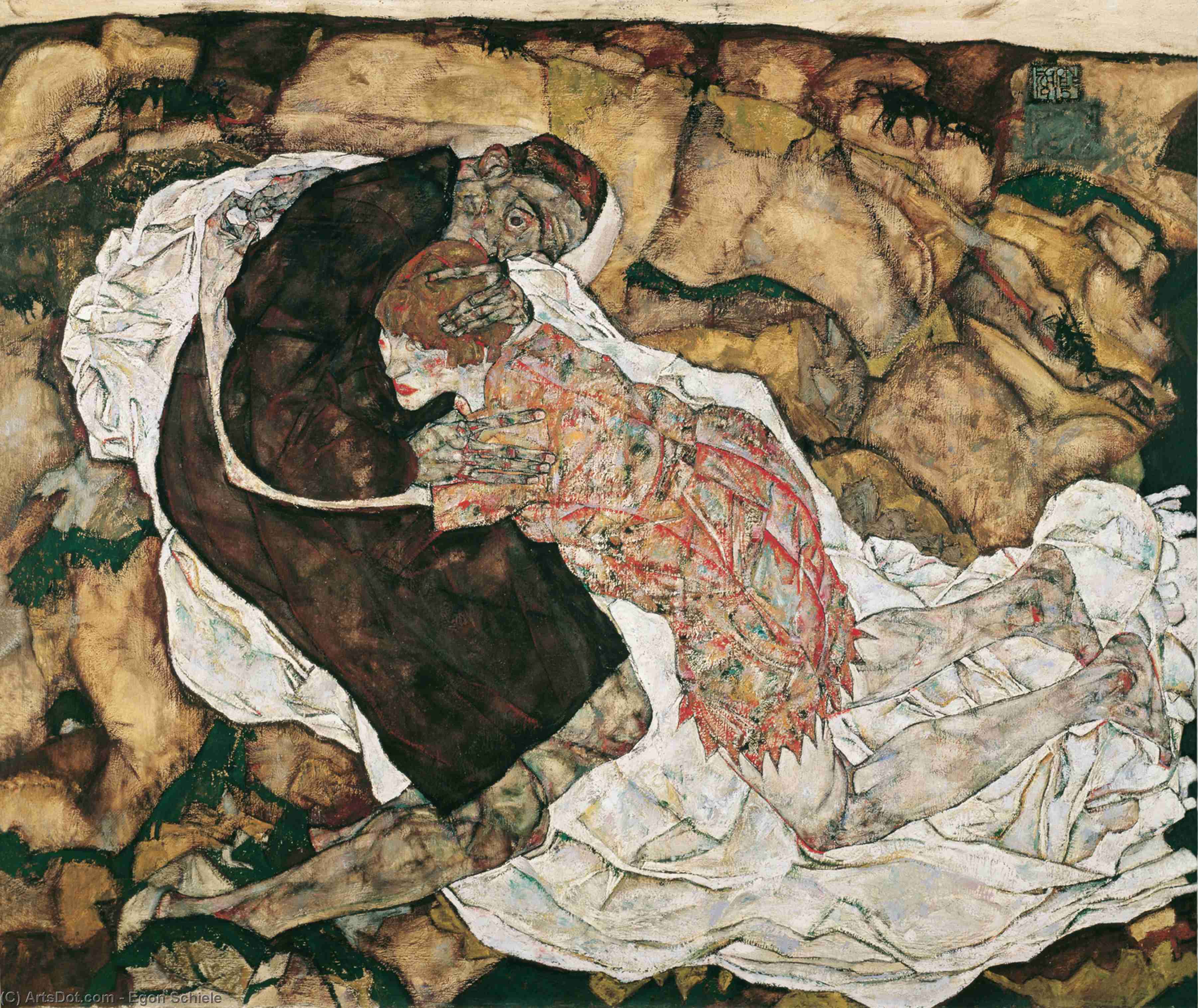
      მეზღვა და მადმინ

      1915 · აკრილი ტილოზე · ავსტრიული გალერეა ბელვედერი, ვენა

      ექსპრესიონისტული შედევრი ეგონ შილეს „სიკვდილი და ქალიშვილი“ არის გამჭოლი სილამაზით აღსავსე ნამუშევარი, რომელიც ექსპრესიონიზმის პირველქმნილ ემოციურ ძალას განასახიერებს. 1915 წელს შექმნილი ეს ტილო ორი ფიგურის მჭიდრო კავშირს გადმოგვცემს — ერთი სიბნელეში გახვეულია, მეორე კი მკვეთრი, ცოცხალი ფერებით არის მორთული. ნამუშევრის დრამატული კომპოზიცია და გაბედული ფუნჯის დარტყმები მას შილეს შემოქმედების გამორჩეულ შედევრად აქცევს და ნებისმიერი სერიოზული ხელოვნების კოლექციონერისთვის აუცილებელ ნამუშევარს ხდის. სუბიექტი და კომპოზიცია წარმოდგენილი ტილოს ცენტრალურ ფოკუსში ორი ფიგურის ინტიმური…

      მე თვითხილული II (სიკვდილი და ადამიანი) (1911) ავტორის: ეგონ შილე
      3

      მე თვითხილული II (სიკვდილი და ადამიანი)

      1911 · ზეთი ტილოზე · Leopold Museum, ვენა

      1911 წელს შექმნილი ეს ინტენსიურად ფსიქოლოგიური ნაწარმოები ეგონ შილეს მიერ არის გამოხატული, რომელიც ადრეული ექსპრესიონიზმისCornerstone-ია და ადამიანის მდგომარეობაზე ძლიერი მედიტაცია. ეს 단순한 პორტრეტია არა; ეს არის შინაგანი ტანჯვის ვიზუალური შესწავლა, რომელიც უშიშვლად არის აღქმული. შილეს ხელწერა ამ ნაწარმოებში ივსება: დისტორირებული ფორმები, კუთხოვანი ხაზები და сырой ემოციური ინტენსივობა, რომელიც ტრადიციულ წარმომადგენლობას უარისას.

      მამა და ორი ბავშვი (1917) ავტორის: ეგონ შილე
      4

      მამა და ორი ბავშვი

      1917 · ზეთი ტილოზე · ავსტრიული გალერეა ბელვედერი, ვენა

      Egon შიელის "დედა და ორი ბავშვი" (1917) არის არა მხოლოდ ტილო, არამედ გულგელვანური phản ánhಿಸುವება, რომელიც გამოხატავს მისი đặc trưng Ekspresionისტული სტილის ძალას. ეს ნაწარმონაქცეულია ოჯახის ბంధების, სიფრცის და ევროპის გაღრმავებული განხორციელების გულგელვანური გამოხატვისგან, რომელიც მოხდენილ হয়েছিল პირველ maailდ Savaşı aikana. ამ ტილო არის მნიშვნელოვანი ნაწილი შიელის შემოქმედებითი ისტორიიდან, რომელიც მართლაც იყო მცირე, მაგრამ cực kỳ影响력있는.

      famíლია (1917) ავტორის: ეგონ შილე
      5

      famíლია

      1917 · აკრილი ტილოზე · ავსტრიული გალერეა ბელვედერი, ვენა

      ეგონ შილეს „ოჯახი“, რომელიც 1917 წელს დაიხატა, არის ღრმად რეზონანსული ნამუშევარი, რომელიც სცდება ოჯახური ბმულების უბრალო აღწერას. ეს არის ემოციურად პირველყოფილი და ფსიქოლოგიურად გამჭოლი კავშირების, მოწყვლადობისა და ადამიანურ ურთიერთობებში არსებული შფოთვის კვლევა – რაც შილეს ექსპრესიონიზმის ოსტატობის დასტურია.

      Lovers: Man and Woman I (1914) ავტორის: ეგონ შილე
      6

      Lovers: Man and Woman I

      1914 · Oil On Canvas

      Egon Schiele's 1914 painting, *Lovers: Man and Woman I*, isn’t merely a depiction of two figures; it’s a visceral exploration of human connection, vulnerability, and the unsettling beauty of mortality. Created during a period of intense personal struggle for the artist – marked by illness, loss, and a profound awareness of his own precarious existence – this work embodies the core tenets of Expressionism, translating raw emotion directly onto the…

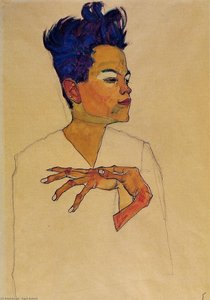
      Self Portrait with Hands on Chest (1910) ავტორის: ეგონ შილე
      7

      Self Portrait with Hands on Chest

      1910 · აკრილი ტილოზე

      A Window into the Soul: Egon Schiele’s ‘Self Portrait with Hands on Chest’ (1910) This striking self-portrait by Austrian Expressionist master Egon Schiele is more than just a likeness; it's a raw and unflinching exploration of inner turmoil, vulnerability, and the search for identity. Created in 1910, at a pivotal moment in both his artistic development and personal life, this work embodies the core tenets of Expressionism while establishing Schiele’s…

      Embrace (Lovers II) - - , (1917) ავტორის: ეგონ შილე
      8

      Embrace (Lovers II) - - ,

      1917 · აკრილი ტილოზე

      A Tangled Embrace: Decoding Schiele’s ‘Lovers II’ Egon Schiele's ‘Embrace (Lovers II)’ (1917) is not merely a depiction of intimacy; it’s a visceral exploration of the human condition, rendered with the raw emotionality that defines Expressionism. This powerful work, measuring 100 x 170 cm, transcends simple representation to become a symbolic landscape of vulnerability, desire, and perhaps even anxiety. Subject & Composition: A Study in Intertwined Forms The painting presents…

      გლოვანებული ქალი (1912) ავტორის: ეგონ შილე
      9

      გლოვანებული ქალი

      1912 · Leopold Museum, ვენა

      დაუახლოვდით ნამუშევარს და შესაძლოა ამ ქალის მძიმე, სავსე ცრემლიანი თვალების ტყვეობაში აღმოჩნდეთ. აქ ღრმა სიმშვიდე იგრძნობა, თუმცა ეს სიმშვიდე სულაც არ არის მშვიდი. სახე ფერმკრთალია, თითქმის სკელეტური, თვალსთვალებს გარშემო კი მუქი ჩრდილები იყრის თავს, რაც ღრმა, ფიზიკურ გამოფიტვაზე მიუთითებს. მისი თავი მუქ ქსოვილშია გახვეული — დეტალი, რომელიც დამთვალიერებელს ქალის პირად ტრაგედიაში ჩართვას აიძულებს. მის უკან, ბუნდრი ფონისგან მეორე, უფრო სპექტრული სახე იკვეთება; ეს არის მამაკაცი, რომლის ყოფიერებაც მისივე ფიქრების ექოდ…

      სავანდაფერი სმება და პოსტერები (1914) ავტორის: ეგონ შილე
      10

      სავანდაფერი სმება და პოსტერები

      1914 · გრავირება და ბეჭდვა

      Egon Schiele’s Haunting ‘Self Portrait as St. Sebastian’ This striking poster reproduction captures the raw emotional intensity of Egon Schiele's 1914 masterpiece, *Self Portrait as St. Sebastian*. More than a mere likeness, this work is a powerful statement on suffering, artistic vulnerability, and premonitions of a world descending into chaos. Schiele doesn’t simply depict Saint Sebastian; he *becomes* him, transforming personal anguish into a universally resonant image. A Masterclass in…

      ეგონ შილე: ტილოები, რეიტინგის 11 -დან 100 இடამდე

      Agony (1912) ავტორის: ეგონ შილე
      #13

      Agony

      1912

      Egon Schiele, an Austrian Expressionist painter, is renowned for his intense and emotionally charged works. One such painting that exemplifies his unique style and thematic focus is "Agony",…

      დაეხატოს ხელით →
      ავტოპორტრეტი ზოლიანი პერანგით (1910) ავტორის: ეგონ შილე
      #15

      ავტოპორტრეტი ზოლიანი პერანგით

      1910 · Leopold Museum

      ავტოპორტრეტი ზოლიანი პერანგით: ფანჯარა შილეს სულში ეგონ შილეს „ავტოპორტრეტი ზოლიანი პერანგით“, რომელიც 1910 წელს შეიქმნა, სცდება უბრალო რეპრეზენტაციას; იგი განსახიერებულს აკეთებს ექსპრესიონიზმისთვის დამახასიათებელ შფოთვასა და ინტროსპექციას — მოძრაობისა,…

      შეუკვეთეთ ეს ტილო →
      ხეშა მდელოს გასწვრივ (ასევე ცნობილი როგორც ძველი სახლი I) (1915) ავტორის: ეგონ შილე
      #39

      ხეშა მდელოს გასწვრივ (ასევე ცნობილი როგორც ძველი სახლი I)

      1915 · Leopold Museum

      ეგონ შტელიერის "ხელმისაწდომი ნავით" (ასევე ცნობილი როგორც "ძველი სახლი I") არის განმტკიცების ხელოვნებისა და სულის სიღრმისეულის გამორჩეული ნიმუში. შექმნილია 1915 წელს, პირველ maailდ大战ის დროს, ეს ტილო არა მხოლოდ…

      მოიტანეთ ეს სინათლე თქვენს სახლში →
      გუსტავ კლიმტი სიკვდილის საწოლზე (1918) ავტორის: ეგონ შილე
      #40

      გუსტავ კლიმტი სიკვდილის საწოლზე

      1918 · ვიენის მუზეუმი

      ეგონ შიელის 1915 წლის ნამუშევარი „სიცოცხლე და ქალწული“ არ არის მხოლოდ სიკვდილობის გამოსახულება; ეს არის ღრმად ინტიმური გამოკვლევა მწუხარების, მონატრებისა და სიცოცხლესთან და სიკვდილეს შორის დაძაბული ცეკვის შესახებ.…

      დაეხატოს ხელით →
      ვიქტორ რიტერ ფონ ბაუერის პორტრეტი (1918) ავტორის: ეგონ შილე
      #50

      ვიქტორ რიტერ ფონ ბაუერის პორტრეტი

      1918 · ავსტრიული გალერეა ბელვედერი

      ეგონ შიელიის „ვიქტორ რიტერ ფონ ბაუერის პორტრეტი“, რომელიც 1918 წელს დაიხატა, არ არის მხოლოდ გარეგნული მსგავსება; ეს არის 20-ე საუკუნის დასაწყისის ვენას მიმავალი შფოთვებისა და ჩუმი ფიქრების საგულდაგულოდ…

      დაეხატოს ხელით →
      სახით ხელით (1910) ავტორის: ეგონ შილე
      #60

      სახით ხელით

      1910

      მراهቃნული ტანჯვის ფანჯარა: ეგონ შიელის „ბიჭი ხელით სახეზე“ ეგონ შიელის 1910 წლის აკვარელი, ბიჭი ხელით სახეზე, მხოლოდ პორტრეტი არ არის; ეს არის შინაგანი ქაოსისა და მراهቃნული რთულობების ვიസ്‌ცერალური…

      დაეხატოს ხელით →
      The Bridge (1913) ავტორის: ეგონ შილე
      #83

      The Bridge

      1913

      Egon Schiele’s “The Bridge,” painted in 1913, stands as a cornerstone of early 20th-century Expressionist art—a movement that sought to convey raw emotion and psychological intensity rather than…

      დაეხატოს ხელით →

      ეგონ შილე-ის ტილოები, პერიოდების მიხედვით

      რა ყველაზე ხშირად დახატა ეგონ შილე-მა

      ამ ტილოებზე ყველაზე ხშირად განმეორებადი 네 სუბიექტი, თითოეული მათგანის საუკეთესო ნიმუშით.

      სადაც ეგონ შილე-ის ტილოები ეკ hangs

      ამ გვერდზე წარმოდგენილი მხატვრობის შედეგების უმეტესობას 8 მუზეუმი ინახავს.

      მუზეუმი ქალაქი ეგონ შილე შემოქმედებაలు ამ სიიდან მოპოვებული ნახატები
      Leopold Museum, ვენაLeopold Museum ვენა 46 ვალის გამოსახულება, მე თვითხილული II (სიკვდილი და ადამიანი), გლოვანებული ქალი
      ავსტრიული გალერეა ბელვედერი, ვენაავსტრიული გალერეა ბელვედერი ვენა 10 მეზღვა და მადმინ, მამა და ორი ბავშვი, famíლია
      ალბერტინა, ვენაალბერტინა ვენა 10 Girl Nude with Folded Arms, 1910, I Will Gladly Endure for Art and My Loved Ones, 1912, Seated Couple, 1915
      კუნსტისტორიშეს მუზეუმი, ვენაკუნსტისტორიშეს მუზეუმი ვენა 4 Schiele's Room in Neulengbach
      ვიენის მუზეუმი, ვენავიენის მუზეუმი ვენა 2 გუსტავ კლიმტი სიკვდილის საწოლზე
      Szépművészeti Múzeum, ბუდაპეშტიSzépművészeti Múzeum ბუდაპეშტი 1 Two Women Embracing
      შტატგალერი შტუტგარტი, შტუტგარტიშტატგალერი შტუტგარტი შტუტგარტი 1 Prophets (also known as Double Self Portrait)
      პრაგის ეროვნული გალერეა, პრაღაპრაგის ეროვნული გალერეა პრაღა 1 მშვილდა და სიკვდილი

      ეგონ შილე-ის ყველაზე ცნობილი ტილოები, წელი წელზე

      1907-სა და 1918-ს შორის, ეგონ შილე-ის შემოქმედების 12 წელი, წარმოდგენილი წელიწად부터 წელიწადში მისი ყველაზე ცნობილი ტილოებით.

      1. 1907
        Portrait of Leopold Czihaczek (1907) ავტორის: ეგონ შილე
        Canvas 52 of 100

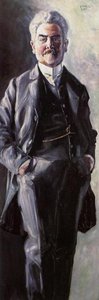
        Portrait of Leopold Czihaczek

        나س 17 წელი

        Egon Schiele's 1907 “Portrait of Leopold Czihaczek” is more than just a likeness; it’s a raw, intensely personal exploration of the human condition. This oil on canvas painting,…

      2. 1907
        Portrait of Leopold Czihaczek, Standing (1907) ავტორის: ეგონ შილე
        55 100-დან

        Portrait of Leopold Czihaczek, Standing

        나س 17 წელი

        In the hauntingly beautiful Portrait of Leopold Czihaczek, Standing, Egon Schiele invites us into a space where the boundaries between physical representation and psychological truth dissolve. Created in…

      3. 1908
        Mother and Child (Madonna) (1908) ავტორის: ეგონ შილე
        17 100-დან

        Mother and Child (Madonna)

        나س 18 წელი

        In the realm of early twentieth-century modernism, few works capture the raw, psychological intimacy of human connection as poignantly as Egon Schiele’s “Mother and Child (Madonna).” Created in…

      4. 1908
        Kneeling Young Man (1908) ავტორის: ეგონ შილე
        Canvas 71 of 100

        Kneeling Young Man

        나س 18 წელი

        Created in 1908, Kneeling Young Man is a significant work by the Austrian artist Egon Schiele. This piece emerged from the creative atmosphere of Vienna, Austria, during a…

      5. 1909
        Man with Blue Headband and Hand on Cheek (1909) ავტორის: ეგონ შილე
        Canvas 57 of 100

        Man with Blue Headband and Hand on Cheek

        나س 19 წელი

        A Window into the Soul: Egon Schiele’s ‘Man with Blue Headband and Hand on Cheek’ This captivating drawing by Egon Schiele, created in 1909, is a powerful example…

      6. 1909
        Autumn Tree with Fuchsias (1909) ავტორის: ეგონ შილე
        86-ი 100-დან

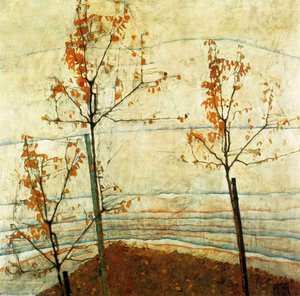
        Autumn Tree with Fuchsias

        나س 19 წელი

        In the heart of the early twentieth century, amidst the intellectual ferment of Vienna, Egon Schiele captured a moment of profound emotional resonance in his 1909 masterpiece, Autumn…

      7. 1910
        Self Portrait with Hands on Chest (1910) ავტორის: ეგონ შილე
        Canvas 7 of 100

        Self Portrait with Hands on Chest

        나س 20 წელი

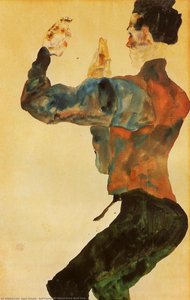
        A Window into the Soul: Egon Schiele’s ‘Self Portrait with Hands on Chest’ (1910) This striking self-portrait by Austrian Expressionist master Egon Schiele is more than just a…

      8. 1910
        మూ trường მამაკაცის კომპოზიცია (1910) ავტორის: ეგონ შილე
        Canvas 14 of 100

        మూ trường მამაკაცის კომპოზიცია

        나س 20 წელი · Leopold Museum

        A Fragile Dance of Form: Exploring Egon Schiele’s ‘Composition with Three Male Nudes’ Egon Schiele-ის 1910 წლის *Three Male Nudes-ის შემადგენლობა* არის მნიშვნელოვანი ნ œuvres, რომელიც ი বন্দীებს…

      9. 1911
        მე თვითხილული II (სიკვდილი და ადამიანი) (1911) ავტორის: ეგონ შილე
        Canvas 3 of 100

        მე თვითხილული II (სიკვდილი და ადამიანი)

        나س 21 წელი · Leopold Museum

        1911 წელს შექმნილი ეს ინტენსიურად ფსიქოლოგიური ნაწარმოები ეგონ შილეს მიერ არის გამოხატული, რომელიც ადრეული ექსპრესიონიზმისCornerstone-ია და ადამიანის მდგომარეობაზე ძლიერი მედიტაცია. ეს 단순한 პორტრეტია არა; ეს არის შინაგანი ტანჯვის…

      10. 1911
        მება და ტანწარმოება (Moa) (1911) ავტორის: ეგონ შილე
        12 100-დან

        მება და ტანწარმოება (Moa)

        나س 21 წელი · Leopold Museum

        A Portrait of Modernity: Egon Schiele’s ‘Moa’ (1911) This striking watercolor, *Moa*, offers a compelling glimpse into the burgeoning Expressionist style of early 20th-century Vienna and the artistic…

      11. 1912
        ვალის გამოსახულება (1912) ავტორის: ეგონ შილე
        Canvas 1 of 100

        ვალის გამოსახულება

        나س 22 წელი · Leopold Museum

        ეგონ შილეს "ვალის გამოსახულება" (Portrait of Wally) არის 1912 წლის ნამდვილი შედევრი, რომელიც წარმოადგენს ავსტრიელი მხატვრის ყველაზე ცნობილი და მნიშვნელოვანი ტილოებიდან ერთ-ერთს. ეს პორტრეტი არა მხოლოდ ქალის გამოსახულებაა,…

      12. 1912
        გლოვანებული ქალი (1912) ავტორის: ეგონ შილე
        Canvas 9 of 100

        გლოვანებული ქალი

        나س 22 წელი · Leopold Museum

        დაუახლოვდით ნამუშევარს და შესაძლოა ამ ქალის მძიმე, სავსე ცრემლიანი თვალების ტყვეობაში აღმოჩნდეთ. აქ ღრმა სიმშვიდე იგრძნობა, თუმცა ეს სიმშვიდე სულაც არ არის მშვიდი. სახე ფერმკრთალია, თითქმის სკელეტური, თვალსთვალებს…

      13. 1912
        Portrait of a Woman (1912) ავტორის: ეგონ შილე
        11-ი 100-დან

        Portrait of a Woman

        나س 22 წელი

        Egon Schiele's Portrait of a Woman, painted in 1912, stands as a cornerstone of Austrian Expressionism and a poignant exploration of psychological depth. More than just a depiction…

      14. 1913
        The truth unveiled - - (1913) ავტორის: ეგონ შილე
        43-ი 100-დან

        The truth unveiled - -

        나س 23 წელი

        Egon Schiele's "The Truth Unveiled," painted in 1913, isn’t merely a depiction of figures; it’s an excavation of the human psyche, a raw and unsettling exploration of mortality,…

      15. 1913
        Wally with a Red Blouse (1913) ავტორის: ეგონ შილე
        Canvas 46 of 100

        Wally with a Red Blouse

        나س 23 წელი

        In the turbulent landscape of early 20th-century Vienna, few images capture the fractured psyche of an era as poignantly as Egon Schiele’s “Wally with a Red Blouse.” Painted…

      16. 1914
        Lovers: Man and Woman I (1914) ავტორის: ეგონ შილე
        Canvas 6 of 100

        Lovers: Man and Woman I

        나س 24 წელი

        Egon Schiele's 1914 painting, *Lovers: Man and Woman I*, isn’t merely a depiction of two figures; it’s a visceral exploration of human connection, vulnerability, and the unsettling beauty…

      17. 1914
      18. 1915
        მეზღვა და მადმინ (1915) ავტორის: ეგონ შილე
        2 100-დან

        მეზღვა და მადმინ

        나س 25 წელი · ავსტრიული გალერეა ბელვედერი

        ექსპრესიონისტული შედევრი ეგონ შილეს „სიკვდილი და ქალიშვილი“ არის გამჭოლი სილამაზით აღსავსე ნამუშევარი, რომელიც ექსპრესიონიზმის პირველქმნილ ემოციურ ძალას განასახიერებს. 1915 წელს შექმნილი ეს ტილო ორი ფიგურის მჭიდრო კავშირს გადმოგვცემს…

      19. 1915
        Two Women Embracing (1915) ავტორის: ეგონ შილე
        18-ი 100-დან

        Two Women Embracing

        나س 25 წელი · Szépművészeti Múzeum

        In the hauntingly beautiful realm of Austrian Expressionism, few works capture the raw, pulsating essence of human intimacy quite like Egon Schiele’s Two Women Embracing. This masterpiece serves…

      20. 1916
        Portrait of an Old Man (also known as Johann Harms) (1916) ავტორის: ეგონ შილე
        Canvas 48 of 100

        Portrait of an Old Man (also known as Johann Harms)

        나س 26 წელი · Solomon R. Guggenheim Museum

        Egon Schiele's “Portrait of an Old Man (also known as Johann Harms),” painted in 1916, is not merely a likeness; it’s a profound meditation on aging, mortality, and…

      21. 1917
        მამა და ორი ბავშვი (1917) ავტორის: ეგონ შილე
        Canvas 4 of 100

        მამა და ორი ბავშვი

        나س 27 წელი · ავსტრიული გალერეა ბელვედერი

        Egon შიელის "დედა და ორი ბავშვი" (1917) არის არა მხოლოდ ტილო, არამედ გულგელვანური phản ánhಿಸುವება, რომელიც გამოხატავს მისი đặc trưng Ekspresionისტული სტილის ძალას. ეს ნაწარმონაქცეულია ოჯახის ბంధების, სიფრცის…

      22. 1917
        famíლია (1917) ავტორის: ეგონ შილე
        5 100-დან

        famíლია

        나س 27 წელი · ავსტრიული გალერეა ბელვედერი

        ეგონ შილეს „ოჯახი“, რომელიც 1917 წელს დაიხატა, არის ღრმად რეზონანსული ნამუშევარი, რომელიც სცდება ოჯახური ბმულების უბრალო აღწერას. ეს არის ემოციურად პირველყოფილი და ფსიქოლოგიურად გამჭოლი კავშირების, მოწყვლადობისა და ადამიანურ…

      23. 1917
        Embrace (Lovers II) - - , (1917) ავტორის: ეგონ შილე
        Canvas 8 of 100

        Embrace (Lovers II) - - ,

        나س 27 წელი

        A Tangled Embrace: Decoding Schiele’s ‘Lovers II’ Egon Schiele's ‘Embrace (Lovers II)’ (1917) is not merely a depiction of intimacy; it’s a visceral exploration of the human condition,…

      24. 1918
        Secession 49. Exhibition (1918) ავტორის: ეგონ შილე
        23-ი 100-დან

        Secession 49. Exhibition

        나س 28 წელი

        In the hauntingly beautiful Secession 49. Exhibition, Egon Schiele invites us into a moment of profound stillness amidst the social currents of 1918 Vienna. This evocative work serves…

      25. 1918
        მთის ნაკადი (1918) ავტორის: ეგონ შილე
        Canvas 31 of 100

        მთის ნაკადი

        나س 28 წელი

        Egon Schiele's 1918 painting, *Mountain Torrent*, isn’t merely a depiction of a rushing river; it’s a visceral outpouring of the artist’s deeply felt anxieties and his profound engagement…

      ეგონ შილე-ის ტილოები, კითხვა კითხვაზე

      ეგონ შილე-ის რომელი ტილოა ყველაზე ცნობილი?წაიკითხეთ პასუხი

      ვალის გამოსახულება (1912), Leopold Museum, ვენა. მას მოსდევს მეზღვა და მადმინ (1915) და მე თვითხილული II (სიკვდილი და ადამიანი) (1911).

      ვალის გამოსახულება: რამდენი წლის იყო ეგონ შილე, როდესაც ეს ნამუშწარები შეიქმნა?წაიკითხეთ პასუხი

      ეგონ შილე, რომელიც 1890 წელს დაიბადა, 22 წლის იყო: ვალის გამოსახულება შექმნილია 1912 წელს.

      რა არის ეგონ შილე-ის 열 иң ცნობილი 열მეტი ტილო?წაიკითხეთ პასუხი

      ვალის გამოსახულება, მეზღვა და მადმინ, მე თვითხილული II (სიკვდილი და ადამიანი), მამა და ორი ბავშვი, famíლია, Lovers: Man and Woman I, Self Portrait with Hands on Chest, Embrace (Lovers II) - - ,, გლოვანებული ქალი და სავანდაფერი სმება და პოსტერები. ზემოთ მოცემულ რეიტინგში თითოეულ ტილოზე მითითებულია მისი შემოქმედების წელი და მუზეუმი.

      რამდენ სურათი შექმნა ეგონ შილე-მა?წაიკითხეთ პასუხი

      ჩვენს კატალოგშია 649 ნამუშგარები ეგონ შილე-ისგან, თარიღებით 1907-დან 1918-მდე.

      სად hanging დღეს ეგონ შილე-ის ყველაზე ცნობილი ტილოები?წაიკითხეთ პასუხი

      ძირითადად Leopold Museum (ვენა), ავსტრიული გალერეა ბელვედერი (ვენა) და ალბერტინა (ვენა)-ში; ზემოთ მოცემულ სიაში წარმოდგენილია თითოეული მუზეუმი და მისი ტილოები.

      როდის შექმნა ეგონ შილე-მა ყველაზე ცნობილი ტილოები?წაიკითხეთ პასუხი

      1911-ში, რომელიც ამ გვერდზე წარმოდგენილი 100 ნამუშწაროსგან 13 შეადგენს, მათ შორის არის მე თვითხილული II (სიკვდილი და ადამიანი).

      რომელი ცნობილი ეგონ შილე ტილო შეიქმნა პირველად და რომელი ბოლოს?წაიკითხეთ პასუხი

      აქ წარმოდგენილი ტილოებიდან უძველესი არის Portrait of Leopold Czihaczek (1907); უახლესი კი — Secession 49. Exhibition (1918).

      რა თემებს ხატავდა ყველაზე ხშირად ეგონ შილე?წაიკითხეთ პასუხი

      Mortality (26), Vienna (17) და Anxiety (15), ამ გვერდზე წარმოდგენილ 100 ნამუშწარეს შორის.

      რა ტექნიკა გვხვდება ყველაზე ხშირად ეგონ შილე-ის შემოქმედებაში?წაიკითხეთ პასუხი

      Acrylic On Canvas, გამოყენებულია ამ გვერდზე არსებული 100 ნამუშწაროდან 29-ში.

      რომელ მიძღვნასთან არის დაკავშირებული ეგონ შილე?წაიკითხეთ პასუხი

      Ექსპრესიონიზმი, როგორც ამ გვერდის ტილოები ადასტურებს.

      ეგონ შილე-ის რომელ ჩანაწერი მო पीड़რობს Leopold Museum?წაიკითხეთ პასუხი

      Leopold Museum, ვენა-ში წარმოდგენილია ამ გვერდზე არსებული ნამუშევრების 17, მათ შორის ვალის გამოსახულება, მე თვითხილული II (სიკვდილი და ადამიანი) და გლოვანებული ქალი.

      სად შემიძლია ეგონ შილე-ის ნახატის რეპროდუქციის შეძენა?წაიკითხეთ პასუხი

      დიახ. ამ გვერდზე წარმოდგენილი ყველა სურათის შეკვეთა შესაძლებელია მისივე გვერდიდან, როგორც ხელნაკეთი ზეთისებრი რეპროდუქციის, ისე მაღალი ხარისხის მხატვრული ბეჭდვის სახით, თქვენთვის სასურველი ზომით.

      გაიცანით მხატვარი: ეგონ შილე

      The Life of Egon Schiele

      Tulln, Lower Austria, provides the setting for the beginning of Egon Schiele’s life. Born on 12 June 1890, he enters a world defined by the rigid structures of the Austro-Hungarian Empire. His father, Adolf Schiele, manages the local station as the station master for the Austrian Federal Railways. His mother, Marie, is known by her maiden name, Soukup. Within the family, Egon grows alongside his three sisters: Elvira, Melanie, and Gertrude.

      The stability of this domestic life fractures early. The shadow of illness moves through the household, leaving a permanent mark on the young artist's psyche. These personal disruptions do not merely pass; they settle into the marrow of his future work. He moves through the world with a sensitivity to mortality that will eventually define his place in Austrian Expressionism. His existence becomes a struggle to translate internal tension onto the surface of the canvas.

      His path leads him toward the center of a shifting European landscape. He navigates the tension between traditional academic expectations and a burgeoning need for raw, psychological truth. The life of Egon Schiele is a series of intense, often uncomfortable confrontations with the human condition. He does not seek to depict the world as it appears to the eye, but as it vibrates within the nervous system.

      Early Life, Family and Training

      The stability of Schiele's youth fractures in 1904. His father, Adolf Schiele, a station master, succumbs to syphilis. This illness, contracted during a honeymoon in Trieste, leaves the family impoverished and the young artist's psyche marked by the shadow of his father's mental confusion and rage. Egon grows up alongside his three sisters, Elvira, Melanie, and Gertrude, under the guardianship of his uncle-in-law, Leopold Czihaczek. Even in these turbulent years, a fascination with trains persists, a motif that would later surface in his work.

      Formal training begins under the guidance of tutor Ludwig Karl Strauch. By 1906, Schiele moves to Vienna to study at the Academy of Fine Arts (Akademie der bildenden Künste). The atmosphere is rigid. He finds himself increasingly at odds with the ultra-conservative teaching of Professor Christian Griepenkerl. The friction becomes unsustainable. After three years of navigating these strict academic traditions, Schiele abandons the Academy altogether to forge an independent path.

      A shift occurs when he encounters Gustav Klimt. The established artist becomes a mentor, providing the young painter with models and introducing him to the circles of the Vienna Secession. This connection marks the transition from a student struggling against tradition to a central figure in the burgeoning avant-garde.

      Artistic Development in Vienna

      Vienna becomes the center of Schiele's creative friction. He moves through the city's artistic circles, eventually meeting Gustav Klimt. This encounter marks a significant shift in his trajectory. While he absorbs the influence of his mentor, Schiele does not simply replicate the decorative patterns of the Secession. Instead, he begins to strip away the ornamentation. He seeks a more visceral truth. By 1909, he is actively challenging the established order, co-founding the Neues Wiener Kunstgruppe and the Neukunstgruppe. These movements signal his break from tradition.

      His presence in the city is marked by a restless movement between urban centers and quieter outskirts. He works across Vienna, Krems, Klosterneuburg, Neulengbach, and Prague. This geographic spread mirrors a psychological expansion. His art moves from the formal constraints of his early training toward a raw, unshielded exploration of the human condition. The tension of the era is visible in his evolving sketches and compositions.

      Technique and Expressionist Style

      The line is the primary engine of Schiele’s vision. It does not merely outline a form; it vibrates with a nervous, restless energy. He employs expressive lines to map out psychological tension, often resulting in contorted poses and twisted body shapes. Figures appear elongated, their limbs stretched beyond natural proportions to convey a sense of unease. This is not a pursuit of anatomical perfection but an attempt to expose the internal state of the subject. Skin tones often appear emaciated or sickly-coloured, emphasizing a sense of fragility and physical vulnerability.

      His technical approach varies by medium, yet the intensity remains constant. In his watercolors, he utilizes loose washes of color to create depth and mood, often leaving much of the paper bare to heighten the sense of isolation. When working in oil on canvas, the brushwork carries the same jagged urgency found in his drawings. Beyond the two-dimensional plane, he also explored form through sculpture, working in clay and plaster to capture the weight of the human presence.

      Key Works and Subject Matter

      The canvas becomes a site of psychological excavation. Schiele confronts the heavy presence of death, sexuality, anxiety, and isolation through a lens of unflinching honesty. In 1915, he produces Death and the Maiden, a work where the presence of mortality intersects with eros. The figures exist in a state of tension, reflecting the internal struggles that define his vision. He often returns to the human form to map these invisible states, using the body as a vessel for the complexities of existence.

      Self-portraiture acts as a recurring method of introspection. He does not seek to present a polished image but rather a vulnerable one, often appearing in contorted or emaciated states. In Self-Portrait with Physalis, he utilizes the Physalis plant as a recurring motif. The plant, with its delicate and papery husk, symbolizes transience and the fragility of life. This botanical element anchors his preoccupation with decay and the fleeting nature of the human condition.

      His intimate connections also find their way into his compositions. In 1915, he paints Portrait of Edith Schiele, capturing his wife in a way that reflects his specific expressive language. His subjects are rarely static; they pulse with a nervous energy that mirrors the shifting social and psychological landscapes of the era. The following works represent significant points in his exploration of these themes:

      Later Years and Death

      The landscape of Schiele's life shifts as the First World War approaches. He marries Edith Harms, a union that marks a significant personal transition. However, the stability of marriage is quickly interrupted by the demands of the conflict. He is drafted into military service, a period that places him within the chaos of the war's reach.

      The end arrives with sudden, biological ferocity. In 1918, the Spanish flu pandemic sweeps through Vienna. The virus claims Schiele at the age of 28. He dies on 31 October 1918. His passing occurs shortly after the death of his wife, Edith, who succumbed to the same disease. The artist's life ends abruptly, leaving behind a body of work that captures the tension of a world in collapse.

      Legacy and Artistic Influence

      Schiele emerges from the early 20th century as a leading figure in Austrian Expressionism. His departure from the decorative gold of the Secession movement toward a more visceral, psychological exploration of the human form changed the trajectory of figurative painting. He stripped away the surface to map the nervous system, using jagged, restless lines to capture the tremors of anxiety and desire. This focus on the internal landscape rather than idealized beauty established him as a major figurative painter of the era.

      The impact of his work extends far beyond the borders of Vienna. Subsequent generations of artists find a precedent in his radical honesty, particularly those drawn to the darker, more complex layers of the human psyche. His ability to translate personal trauma and existential tension into a universal visual language ensures his presence in the discourse of modern art. Today, his paintings are held in major museum collections worldwide, preserved as essential records of the psychological shifts of his time.

      Where to See the Works Today

      The weight of Schiele’s output is felt most heavily in Vienna. The Leopold Museum holds a vast concentration of his works, preserving the raw energy of his sketches and paintings. Nearby, the Österreichische Galerie Belvedere houses significant canvases, including Death and the Maiden (1915). The city’s institutional landscape continues to guard his legacy through the Kunsthistorisches Museum and the Albertina, both of which contain essential pieces of his oeuvre.

      Beyond the Austrian capital, the Egon Schiele Art Centrum in Český Krumlov, Czech Republic, offers a dedicated space for his work. This museum traces his evolution through a permanent collection that includes watercolors and ink drawings. Visitors can encounter the specific intensity of his linework in this setting, which focuses on the development of his expressive style.

      ყველა 649 ნამუშევარი, რომელიც შემოქმედებითად ეკუთვნის ეგონ შილე →