ატელიე — უფასო მიწოდება მთელ მსოფლიოში — მიწოდების ვადა: 2–6 კვირა
      ჯოტო დი ბონდონე, 1267 – 1337

      ჯოტო დი ბონდონე's 100 Most Famous Paintings

      მადონა მაესტაში (ოგნსანტოსი მადონა) (1310) is the painting ჯოტო დი ბონდონე is best remembered for. آخر التحكيم (تفاصيل 3) (كابيللا سكروفيغني (تكتمة أرينا)، بادوا) (1305) and ნომერი 19 ქრისტეს ცხოვრების სცენები: 3. ქრისტეს წარდგენა ტაძარში (1304) complete the trio of best-loved canvases. Our catalogue counts 485 works by ჯოტო დი ბონდონე. Here are the 100 most famous, with the year, the museum and the story of each canvas.

      Ranked by our popularity score, which combines the searches, visits and orders for each work. Updated ოქტომბერი 2026. Each painting on this page can be ordered as an oil reproduction painted by hand on linen canvas, or as a fine art print, made to the size you choose.

      Portrait of ჯოტო დი ბონდონე
      ჯოტო დი ბონდონე · 1267 – 1337
      Born · died
      1267 – 1337, ფლორენცია
      Movement
      Პროტორენესანსი
      Works in our catalogue
      485
      Most famous
      მადონა მაესტაში (ოგნსანტოსი მადონა) (1310)
      Most works at
      Scrovegni Chapel

      The ten best-loved paintings by ჯოტო დი ბონდონე

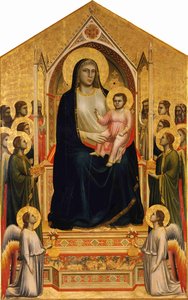
      მადონა მაესტაში (ოგნსანტოსი მადონა) (1310) by ჯოტო დი ბონდონე
      1

      მადონა მაესტაში (ოგნსანტოსი მადონა)

      1310 · აკრილი ტილოზე

      შესავალი ჯიოტო დი ბონდონე, რომელიც უფრო მეტად ცნობილია როგორც ჯიოტო, იყო იტალიელი ფატორი და არქიტექტორი, რომელიც დასავლური ხელოვნების განვითარებაში ერთ-ერთ უმნიშვნელოვანეს ფიგურად მიიჩნევა. დაახლოებით 1267 წელს დაბადებული იგი მოღვაწეობდა გოთიკისა და პროტო-რენესანსის გარდამავალ ეპოქებში, მისმა ინოვაციურმა მიდგომამ მხატვრობაში კი რევოლუცია მოახდინა იმგვარად, რომ შეცვალა ადამიანური ფიგურის გამოსახვის ტრადიციული გზები. ჯიოტოს ერთ-ერთი ყველაზე ცნობილი ნაშრომია Madonna in Maestà, იგივე Ognissanti Madonna, რომელიც იტალიაში, ფლორენციის უფიციზის გალერეაში ინახება. ეს მონუმენტური ტილო, რომლის…

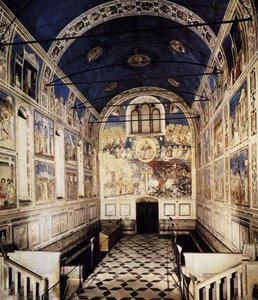
      آخر التحكيم (تفاصيل 3) (كابيللا سكروفيغني (تكتمة أرينا)، بادوا) (1305) by ჯოტო დი ბონდონე
      2

      آخر التحكيم (تفاصيل 3) (كابيللا سكروفيغني (تكتمة أرينا)، بادوا)

      1305 · ფრესკა

      პადაუვას არენას კაპელის ფრესკების ციკლის ერთ-ერთი ყველაზე შთამთქმელი ნაწილია გიოტოს "საბოლოო სასამართლოს" დეტალი, რომელსაც ხშირად უწოდებენ "ცადის ხედვას". ეს შედევრი, რომელიც დაახლოებით 1305 წელს დასრულდა, წარმოადგენს შუა საუკუნეების ხელოვნების მნიშვნელოვან ნიმუშს და გიოტოს რევოლუციურ მიდგომას, რომელმაც ბიზანტიური ტრადიციასა და განვითარებად რენესანსს შორის ხიდი მოგვიანებით ააშენა. ფიქრობთ, როგორ გამოიყურება ცოდნა? გიოტოს ეს ნაწილი არის სწორედ ის.

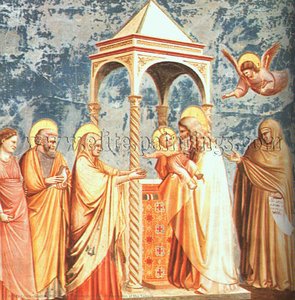
      ნომერი 19 ქრისტეს ცხოვრების სცენები: 3. ქრისტეს წარდგენა ტაძარში (1304) by ჯოტო დი ბონდონე
      3

      ნომერი 19 ქრისტეს ცხოვრების სცენები: 3. ქრისტეს წარდგენა ტაძარში

      1304 · აკრილი ტილოზე · Scrovegni Chapel, Padua

      ერთგულების მომენტი: ჯიოტოს ქრისტეს წარდგენა ტაძარში ჯიოტო დი ბონდონეს „ქრისტეს ცხოვრების სცენები, ნომერი 19: 3. ქრისტეს წარდგენა ტაძარში“, რომელიც 1304 წელს შეიქმნა, არის საკვანტი ნაშრომი იმ ფრესკათა ციკლისთვის, რომელიც იტალიის პადუაში, სკროვენჯის კაპელას (Arena Chapel) აფორმებს. ეს შედევრული ნამუშევარი წარმოადგენს მნიშვნელოვან გადახვევას ბიზანტიური მხატვრული კონვენციებიდან და მოასწებს პროტო-რენესანსის აღმოფხვრას, რამაც ღრმა გავლენა მოახდინა მომავალ თაობებზე. სუბიექტი და ნარატივი სცენა ასახავს ბიბლიურ მოვლენას, რომელიც აღწერილია ლუკას სახარებაში (2:22-38) – იესოს წარდგენას…

      ნომერი 31 ქრისტეს ცხოვრების სცენები: 15. ქრისტეს დაკავება (იუდას კოცნა) (1304) by ჯოტო დი ბონდონე
      4

      ნომერი 31 ქრისტეს ცხოვრების სცენები: 15. ქრისტეს დაკავება (იუდას კოცნა)

      1304 · აკრილი ტილოზე · Scrovegni Chapel, Padua

      ღალატის წამი: ჯიოტოს „ქრისტეს დაკავება (იუდას კოცნა)“ ეს ძლიერი ფრესკა, რომელიც 1304 წელს იტალიელმა დიდოსტატმა, ჯიოტო დი ბონდონემ შექმნა, ახალი აღთქმის გადამწყვეტ და ემოციურად დაძაბულ სცენას – გეთსიმონის ბაღში იესუ ქრისტეს დაკავებას ასახავს. ეს ნამუშევარი, რომელიც იტალიაში, პადუაში მდებარე სკროვენჯის კაპელას (Cappella Sc "Scrovegni") კედლებზე გაბრწყინებული „ქრისტეს ცხოვრების სცენების“ ვრცელი ციკლის ნაწილია, ადრეული რენესანსის ხელოვნების მნიშვნელოვან მიღწევად ითვლება. მხატვრული სტილი და ტექნიკა ჯიოტოს მიდგომა მისი ეპოქის გაბატონებული ბიზანტიური სტილისგან მნიშვნელოვან…

      ნომერი 32 ქრისტეს ცხოვრების სცენები: 16. ქრისტე კაიაფას წინაშე (1304) by ჯოტო დი ბონდონე
      6

      ნომერი 32 ქრისტეს ცხოვრების სცენები: 16. ქრისტე კაიაფას წინაშე

      1304 · ფრესკა · Scrovegni Chapel, Padua

      ღალატის გადამწყვეტი მომენტი: ჯიოტოს *ქრისტე ქაიაფას წინაშე* ნომერი 32, ქრისტეს ცხოვრების სცენები: 16. ქრისტე ქაიაფას წინაშე, რომელიც დაახლოებით 1304 წელს ჯიოტო დი ბონდონემ შექმნა, დასავლური ხელოვნების ქვაკუთხედია და იტალიის პადუაში, სკროვენჯის კაპელას breathtaking ფრესკებშია განთავსებული. ეს ძლიერი სცენა არ არის მხოლოდ ბიბლიური ნარატივის აღწერა; ეს არის რევოლუციური ნაბიჩვი ნატურალიზმისა და ემოციური სიღრმისკენ, რაც შემდგომში რენესანსის განმსაზღვრელი გახდა. ნარატივი და კომპოზიცია: ადამიანური დრამატის სცენა წარმოდგენილი ნახატი ასახავს დრამატულ დაპირისპირებას ქრისტესა და…

      სტეფანესკის ტრიპტიკი (რეკტო) (1330) by ჯოტო დი ბონდონე
      7

      სტეფანესკის ტრიპტიკი (რეკტო)

      1330 · ტემპერა木დაფაზე · ვტიკანის პინაკოთეკა, ვატიკანი

      ვატიკანის პინაკოთეკის მშვიდ და წმინდა დარბაზებში არსებობს შედევრი, რომელიც იმ ზუსტ მომენტს ასახავს, როდესაც შუა საუკუნეების სამყარო ადამიანური სიცოცხლით სუნთქვა დაიწყო. ჯიოტო დი ბონდონეს სტეფანესკის ტრიპტიქი (რეკტო), რომელიც დაახლოებით 1330 წელს შეიქმნა, ბევრად მეტია, ვიდრე რელიგიური რელიქვია; ეს არის რევოლუციური მანიფესტი ფერებზე.

      Last Judgment (detail 12) (Cappella Scrovegni (Arena Chapel), Padua) (1306) by ჯოტო დი ბონდონე
      8

      Last Judgment (detail 12) (Cappella Scrovegni (Arena Chapel), Padua)

      1306 · ფრესკა

      Giotto’s Last Judgment: A Renaissance Dawn in Padua This detail from Giotto di Bondone's monumental fresco, *The Last Judgment*, adorning the west wall of the Cappella Scrovegni (Arena Chapel) in Padua, Italy, offers a powerful glimpse into a pivotal moment in art history. Created in 1306, this work transcends mere religious depiction; it’s a groundbreaking exploration of human emotion and narrative within a sacred context. A Scene of Divine Justice…

      Last Judgment (detail 9) (Cappella Scrovegni (Arena Chapel), Padua) (1306) by ჯოტო დი ბონდონე
      9

      Last Judgment (detail 9) (Cappella Scrovegni (Arena Chapel), Padua)

      1306 · Fresco

      The Last Judgment (detail 9) is a fresco painting created by the renowned Italian artist Giotto Di Bondone in 1306. This stunning work of art forms part of the decoration within the Cappella Scrovegni, also known as the Arena Chapel, located in Padua, Italy. The chapel is celebrated for its breathtaking frescoes, widely considered among the most significant works of the Early Renaissance.

      ოგნისანტი მადონა (მადონა მაესტაში) (1310) by ჯოტო დი ბონდონე
      10

      ოგნისანტი მადონა (მადონა მაესტაში)

      1310 · ტემპერა木დაფაზე · უფიციების გალერეა, ფლორენცია

      წააჩნიეთ დასავლური ხელოვნების გარდამტეხი შედევრი – ჯიოტო დი ბონდონეს ოგნსანტი მადონა (დაახლ. 1310 წ.), რომელიც ფლორენციის პრესტიჟულ უფიციზის გალერეაში ინახება. ეს მონუმენტური ტემპერა ხის პანელზე არ არის მხოლოდ რელიგიური ხატი; იგი მხატვრობაში მომხდარ სეისმურ ცვლილებას წარმოადგენს, რაც რენესანსის ნატურალიზმის აღმოჩენასა და ბიზანტიური ხელოვნების სტილიზებული კონვენციებიდან განდგომას მოასწავებს.

      ჯოტო დი ბონდონე: canvases 11 to 100 of the ranking

      The Ascension (1305) by ჯოტო დი ბონდონე
      #12

      The Ascension

      1305

      In the quiet, hallowed expanse of Padua’s Scrovegni Chapel, there exists a moment frozen in time, a fragment of the divine captured with such profound humanity that it…

      უკანასკნელი სუფრა (1306) by ჯოტო დი ბონდონე
      #14

      უკანასკნელი სუფრა

      1306 · ბავარიის სახელმწიფო ფერწერის კოლექციები

      Giotto’s Revolutionary “Last Supper” A pivotal work bridging the medieval and Renaissance worlds, Giotto di Bondone's "Last Supper" (1306) is far more than a depiction of a biblical…

      ნო. 6 იოაკიმის ცხოვრებიდან სცენები: 6. ოქროს კარს მიღება, დეტალი (1304) by ჯოტო დი ბონდონე
      #15

      ნო. 6 იოაკიმის ცხოვრებიდან სცენები: 6. ოქროს კარს მიღება, დეტალი

      1304 · Scrovegni Chapel

      სუბიექტურობა და ნარატიული მნიშვნელობა ეს უნიკალური ნამუშევარი იჭერს ბიბლიური მომენტის გადამწყვეტ წერტილს — ოქროს კარს შეხვედრას — აღწერს იოაკიმსა და ქალ ყრივში ტკბილ გაერთიანებას. ღრმა ემოციური სიღრმით შესრულებული…

      Have it painted by hand →
      ბოლო განკጋგება (დეტალი 14) (კაპელა სკროვეგნი (Arena Chapel), პადუა) (1306) by ჯოტო დი ბონდონე
      #16

      ბოლო განკጋგება (დეტალი 14) (კაპელა სკროვეგნი (Arena Chapel), პადუა)

      1306

      ღვთიური განკითხვის ხედვა: ჯოტოს ფრესკო პადუაში ჯოტო დი ბონდონის მონუმენტური „ბოლო განკითხვა“ ფრესკებიდან, რომელიც პადუაში მდებარე კაპელა სკროვეგნში (არენის კაპელა) არის აღებული ეს ნაწილი, გვთავაზობს ძლიერ მინიშნებას ქრისტიან…

      Bring this light home →
      ქრისტეს ცხოვრების 20 ეპიზოდი: 4. Egypte-ში გაქცევა (1304) by ჯოტო დი ბონდონე
      #17

      ქრისტეს ცხოვრების 20 ეპიზოდი: 4. Egypte-ში გაქცევა

      1304 · Scrovegni Chapel

      მოგზაურობის თავშესაფარი: ჯოტოს „ეგვიპტეში გაქცევა“ „ქრისტეს ცხოვრების 20 ეპიზოდი: 4. ეგვიპტეში გაქცევა“, რომელიც დახატა ჯოტო დი ბონდონემ დაახლოებით 1304 წელს, დასავლური ხელოვნების ქვაკუთხედია და განთავსებულია პადუას, იტალიის სკროვეგნის…

      Bring this light home →
      ნავიჩელა (მოზაიკის ფრაგმენტი) (1305) by ჯოტო დი ბონდონე
      #18

      ნავიჩელა (მოზაიკის ფრაგმენტი)

      1305 · ვატიკანის გrotto

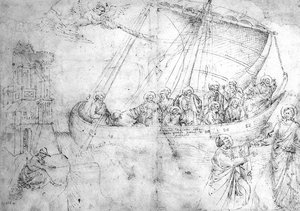
      1305 წელს ჯიოტო დი ბონდონეს მიერ შექმნილი Navicella (მosaიკის ფრაგმენტი) ხელოვნების ისტორიაში გარდამტეხ მომენტს წარმოადგენს. რომში, ისტორიულ ვატიკანის კრებლებში დათავსებული ეს ფრაგმენტი გიოტოს ხელოვნებისადმი ინოვაციური მიდგომის მომხიბვლელ ფანჯარას…

      Order this canvas →
      Navicella (1305) by ჯოტო დი ბონდონე
      #19

      Navicella

      1305 · Fabbrica di San Pietro

      Giotto di Bondone's monumental *Navicella*, created in 1305 and measuring an impressive 740 x 990 cm, is far more than a painting; it’s a pivotal work bridging the…

      ლიმბოში ჩღმობა (1320) by ჯოტო დი ბონდონე
      #21

      ლიმბოში ჩღმობა

      1320 · ალტერ პინაკოთეკა

      ჯიოტოს დი ბონდონის „სიცოცხლისკენ დაღმული“ ნაწარმოები, რომელიც დაახლოებით 1320 წელს შეიქმნა, ადრეული რენესანსის ხელოვნების ქვაკუთხედია. ეს ტემპერით შეღებილი პანელზე გამოსახულება, ზომით 45 x 44 სმ და ამჟამად განთავსებული…

      Order this canvas →
      ნომერი 46 შვიდი სათნოება: იმედი (1306) by ჯოტო დი ბონდონე
      #22

      ნომერი 46 შვიდი სათნოება: იმედი

      1306 · Scrovegni Chapel

      იმედის შუქგამოსავალი არეულობის ეპოქაში ჯიოტო დი ბონდონეს „ნომერი 46 შვიდი სათნოება: იმედი“, რომელიც 1306 წელს, იტალიის პადუაში მდებარე Cappella Scrovegni-ს (არენას კაპელა) გასაოცარი ფრესკათა ციკლის ნაწილით შეიქმნა, ბევრად…

      Order this canvas →
      გვთის გიზიერება წმინდა ანას წინაშე (1306) by ჯოტო დი ბონდონე
      #24

      გვთის გიზიერება წმინდა ანას წინაშე

      1306

      გვიოთ დი ბონდონის "სანქტ ანას განუყოფლად" (Annunciation to St Anne) – ეს არა მხოლოდ ფრესკო, არამედ ისტორიული მოხსნა, რომელიც ითვლება რენესანსის წინაპირობად. 1306 წელს პადასტის "სკროვეგინის სალოცავში" (Cappella…

      სტეფანესკის ტრიპტიკი: ტახტზე მყოფი ქრისტე (1330) by ჯოტო დი ბონდონე
      #25

      სტეფანესკის ტრიპტიკი: ტახტზე მყოფი ქრისტე

      1330 · ვტიკანის პინაკოთეკა

      სტეფანესკის ტრიპტიკი, რომელიც 1330 წელს გამორჩეულმა მხატვარმა, ჯიოტო დი ბონდონემ შექმნა, ადრეული რენესანსის ხელოვნების ნამდვილი შედევრია. ეს ტემპერის ტილო დღეს პინაკოთეკაში (ვატიკანი, იტალია) ინახება და ჯიოტოს ოსტატურად გამოყენებულ…

      Have it painted by hand →
      წალკეთებული ჯვარედინის სასწაული (1299) by ჯოტო დი ბონდონე
      #26

      წალკეთებული ჯვარედინის სასწაული

      1299

      ღვთიური შეជვება: გიოტოს „წალობის სასწაული“ გამოვლენა გიოტო დი ბონდონის „წალობის სასწაული“, რომელიც 1299 წელს გაკეთდა, არის გადამწყვეტი ნაწარმოები ადრეული რენესანსის პერიოდში და ქვისფენების კაპელას სკროვეგნის (არენა კაპელა) ფრესკების…

      Bring this light home →
      Nativity. Birth of Jesus (1306) by ჯოტო დი ბონდონე
      #28

      Nativity. Birth of Jesus

      1306

      A Revolution in Religious Painting: Giotto’s Nativity Giotto di Bondone's *Nativity*, painted in 1306 as part of the breathtaking fresco cycle within the Scrovegni Chapel in Padua, Italy,…

      Order this canvas →
      The Dream of Joachim (1305) by ჯოტო დი ბონდონე
      #29

      The Dream of Joachim

      1305

      A Divine Revelation: Unveiling Giotto’s *The Dream of Joachim* Painted in 1305 by the revolutionary Italian artist Giotto di Bondone, *The Dream of Joachim* is a pivotal fresco…

      Bring this light home →
      Presentation of the virgin (1305) by ჯოტო დი ბონდონე
      #31

      Presentation of the virgin

      1305

      A Pivotal Moment in Art History: Giotto’s Presentation of the Virgin Giotto di Bondone's *Presentation of the Virgin*, created in 1305, is not merely a religious painting; it…

      Ognissanti Madonna (detail) (1310) by ჯოტო დი ბონდონე
      #34

      Ognissanti Madonna (detail)

      1310 · უფიციების გალერეა

      Ognissanti Madonna (detail) The Ognissanti Madonna by Giotto Di Bondone stands as a pivotal moment in the transition from medieval to Renaissance art—a daring departure from established conventions…

      Order this canvas →
      № 30 სცენები ქრისტეს ცხოვრებიდან: 14. ფეხების დაბანა (1304) by ჯოტო დი ბონდონე
      #36

      № 30 სცენები ქრისტეს ცხოვრებიდან: 14. ფეხების დაბანა

      1304 · Scrovegni Chapel

      უღრმესი სიმდაბლდის მომენტი: ჯიოტოს *ფეხების washing* ჯიოტო დი ბონდონეს 1304 წელს შექმნილი ნამუშევარი, „ქრისტეს ცხოვრების სცენები: 14. ფეხების washing“, ადრეული რენესანსის ქვაკუთხედია და ქრისტიანობის ერთ-ერთი ყველაზე საკულტო მომენტის…

      The Suitors Praying (1306) by ჯოტო დი ბონდონე
      #38

      The Suitors Praying

      1306

      “The Suitors Praying” – Giotto’s Vision of Faith “The Suitors Praying,” created in 1306 by the masterful Italian artist Giotto di Bondone, is more than just a painting;…

      Bring this light home →
      St. Francis Preaching to the Birds (1299) by ჯოტო დი ბონდონე
      #39

      St. Francis Preaching to the Birds

      1299

      A Symphony of Nature and Spirit St. Francis Preaching to the Birds is not merely a fresco; it is a profound window into a moment where the earthly…

      Navicella (1305) by ჯოტო დი ბონდონე
      #40

      Navicella

      1305 · მეტროპოლიტენის ხელოვნების მუზეუმი

      In the quiet intensity of Giotto di Bondone’s Navicella, we find ourselves transported to the dawn of the Renaissance, witnessing a moment where the celestial and the earthly…

      Order this canvas →
      წმინდა იოანე ევანგელისტის ცხოვრებიდან სცენები: 2. დრუსიანას აღდგომა (ნაკადი) (11) (1320) by ჯოტო დი ბონდონე
      #42

      წმინდა იოანე ევანგელისტის ცხოვრებიდან სცენები: 2. დრუსიანას აღდგომა (ნაკადი) (11)

      1320

      ღვთიური ჩარევის მომენტი: ჯოტო დი ბონდონის დრუსიანას აღორძინება პადუაში მდებარე კაპელა სკროვეგნში განთავსებული ჯოტო დი ბონდონის ფრესკული ციკლიდან ეს უნიკალური დეტალი არის ძლიერი მტკიცებულება მისი რევოლუციური მიდგომის ხელოვნებასა…

      Bring this light home →
      წმინდა ანას მადლობა (1305) by ჯოტო დი ბონდონე
      #44

      წმინდა ანას მადლობა

      1305

      ეს საოცრება მოახვედრებს მნიშვნელოვან ღმერთის კავშირის მომენტს, სავარაუდოდ, წმინდა ანას დაქორწინების ბიბლიური სცენას. კომპოზიციის ცენტრალური ნაწილით და佔ყუძა მფარული, მაგრამ მხიარული cérémonია, გარშემო მოხვეულ ყურადღებით მრჩევლებს. სცენა იძლევა სულიერი…

      სკროვეგის – [11] – ღრმაწულისა და იოზეფის მატარება by ჯოტო დი ბონდონე
      #45

      სკროვეგის – [11] – ღრმაწულისა და იოზეფის მატარება

      ჯიოტოს დი ბონდონის ‘ქორწილი ღმერთისძალინს’, რომელიც მდებარეობს პადასტში, იტალიაში, სკროვეგის მფადრებში, წარმოადგენს გადამწყვეტი ნამუშევანგს, რომელიც ათავსებს შუა საუკუნეების და რენესანსის ხანებს. შექმნილია 1305 წელს და ამ ნამუშევანგს არ…

      Bring this light home →
      Crucifix (11) (1290) by ჯოტო დი ბონდონე
      #47

      Crucifix (11)

      1290 · სანტა მარია ნოველა

      In the quiet, hallowed nave of the Santa Maria Novella basilica in Florence, a monumental presence commands the gaze of all who enter. The Crucifix (11), a masterpiece…

      Order this canvas →
      სტეფანესკის ტრიპტიკი: წმინდა პავლეს ტრანსფორმაცია (1330) by ჯოტო დი ბონდონე
      #49

      სტეფანესკის ტრიპტიკი: წმინდა პავლეს ტრანსფორმაცია

      1330 · ვტიკანის პინაკოთეკა

      ჯიოტო დი ბონდონეს სტეფანესკის ტრიპტიკი, რომელიც დაახლოებით 1330 წელს დასრულდა, ადრეული რენესანსის ხელოვნების შეუდარებელ მიღწევად გვევლინება — ეს არის მისი გარდამტეხი ინოვაციებისა და ადამიანური ემოციების ღრმა გაგების მონუმენტური…

      Bring this light home →
      Nº 21 სცენები ქრისტეს ცხოვრებიდან: 5. უმანკოთა სიმკაცრე (1304) by ჯოტო დი ბონდონე
      #50

      Nº 21 სცენები ქრისტეს ცხოვრებიდან: 5. უმანკოთა სიმკაცრე

      1304 · Scrovegni Chapel

      დაუພັນად გამოთქმადი მწუხარების სცენა: ჯიოტოს *უდანაშაულოთა სიმკვდილე* ჯიოტო დი ბონდონეს *უდანაშაულოთა სიმკვდილე*, რომელიც 1304 წელს, იტალიაში, პადუასში მდებარე სკროვеньგის კაპელას (Arena Chapel) ფრესკათა ციკლის ნაწილად შეიქმნა, არის ახალი…

      Bring this light home →
      No. 50 The Seven Vices: Injustice (1306) by ჯოტო დი ბონდონე
      #53

      No. 50 The Seven Vices: Injustice

      1306 · Scrovegni Chapel

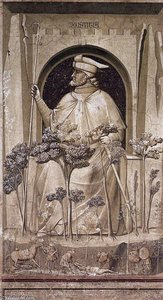
      Within the Cappella Scrovegni in Padua, Italy—a chapel commissioned by Enrico Scrovegni as a testament to his family’s penance—lies Giotto di Bondone's "No. 50 The Seven Vices: Injustice,"…

      Order this canvas →
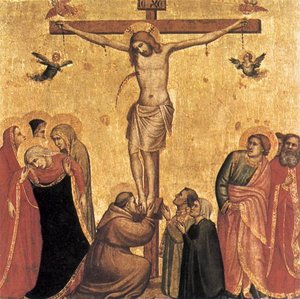
      The Crucifixion (1320) by ჯოტო დი ბონდონე
      #55

      The Crucifixion

      1320

      In the quiet, hallowed halls of the Scrovegni Chapel in Padua, there exists a moment frozen in time that forever altered the trajectory of Western painting. Giotto di…

      ნომერი 27 ქრისტეს ცხოვრების სცენები: 11. გადა მდევნების დევნა ტაძრიდან (დეტალი) (1304) by ჯოტო დი ბონდონე
      #56

      ნომერი 27 ქრისტეს ცხოვრების სცენები: 11. გადა მდევნების დევნა ტაძრიდან (დეტალი)

      1304 · Scrovegni Chapel

      ღვთიური ავტორიტეტის მომენტი: ჯიოტოს ქრისტეს მიერ ტაძრიდან გამომდევნეთ ხელ換ცხვლების ეს ძლიერი გამოსახულების დეტალი, „ქრისტეს ცხოვრების სცენები: 11. ხელცხვლების ტაძრიდან გამოდევნა“, გვაუჩენს შემოქმედებით ხედვას ჯიოტო დი ბონდონეს რევოლუციურ მიდგომაში…

      ნათლისმადლობა ( উত্তরা ტრანსეპტი, ქვედა საკურთხეველი, სან-ფრანცisko, აッシზი) (1311) by ჯოტო დი ბონდონე
      #58

      ნათლისმადლობა ( উত্তরা ტრანსეპტი, ქვედა საკურთხეველი, სან-ფრანცisko, აッシზი)

      1311

      თამადა: ფსალმუნიდარი ( উত্তরা გალღობა, ქვემოთ მლოხა, სან-ფრანცisko, აssისი) ჯიოტოს დი ბონდონის *ფსალმუნიდარი* ქვემოთ მლოხაში, სან-ფრანცისკოში, არის მხოლოდ ბიბლიური სცენის გამოსახულება; ის არის რწმენისა და ადამიანის სიღრმისეულის, ქრისტეს…

      Have it painted by hand →
      სტ. ფრანცის გარდაცვალების შემდეგ სთ. კლარას მიერ მადლობა, ჯიოტოს შემოქმედებითი ნოველები by ჯოტო დი ბონდონე
      #59

      სტ. ფრანცის გარდაცვალების შემდეგ სთ. კლარას მიერ მადლობა, ჯიოტოს შემოქმედებითი ნოველები

      "სწორფრანცის გარდაცვალების სურათი” – ჯიოტოს რევოლუციური ნაწარმოები ეს საოცრება, “სწორფრანცის გარდაცვალების სურათი”, ჯიოტოს დი ბონდონის შემოქმედებით არის შესრულებული და წარმოადგენს 13-14 საუკუნეების იტალიული გოთური ხელოვნებისა და რენესანსის წინაპიარულ…

      Order this canvas →
      სწ. ფრანცის ასისი ქრისტიანული ბაღების შეამზადებელი გრეგიოში (1300) by ჯოტო დი ბონდონე
      #60

      სწ. ფრანცის ასისი ქრისტიანული ბაღების შეამზადებელი გრეგიოში

      1300

      სწმიო ფრანცის სავასისი ხატავს საშობის ბაღს გრეკიოში ხატვა სწმიო ფრანცის სავასისი ხატავს საშობის ბაღს გრეკიოში არის საოცრებათა ნამუშევარი, შექმნილი იტალიელ გამოჩენილი ხელოვნის, ჯიოტოს დი ბონდონის მიერ. ეს ფრესკო,…

      Order this canvas →
      ქრისტეს ცხოვრების სცენები: 20. ლამენტაცია (დეტალი) (19) (1304) by ჯოტო დი ბონდონე
      #61

      ქრისტეს ცხოვრების სცენები: 20. ლამენტაცია (დეტალი) (19)

      1304 · Scrovegni Chapel

      ჯიოტოს დი ბონდონე არის შუა საუკუნეების ხელოვნებათა კლასიკური ნიმუში და პადუის არენა ჩაპელი მრგვალი ფრესკების სულზე მიმღებული ნათლია. ეს ციკლი ბიზანტიური სტილის გარდამავალს წარმოადგენს უფრო ბუნებრივ და გრძნობრივ…

      სწ 가지ეების შესახებ წმინდა ფრანცისის სცენები: 2. მსოფლიურ სიკეთის ჩண்டை (დეტალი) (1325) by ჯოტო დი ბონდონე
      #64

      სწ 가지ეების შესახებ წმინდა ფრანცისის სცენები: 2. მსოფლიურ სიკეთის ჩண்டை (დეტალი)

      1325 · Bardi Chapel

      გთავაზობთ გიოტოს დი ბონდონის ამ უნიკალური ნამუშევრის დეტალს – “სწორედის დატოვების” (Renunciation of Wordly Goods). 1325 წელს ფლორენციაში შექმნილ ამ ფრესკოს ნაწილი, რომელიც შედის Saint Francis-ის ცხოვრების სცენების…

      ჯვარცმა (1320) by ჯოტო დი ბონდონე
      #66

      ჯვარცმა

      1320 · ალტერ პინაკოთეკა

      In the quiet halls of the Alte Pinakothek in Munich, there exists a window into the very dawn of humanism. Giotto di Bondone’s Crucifix, painted around 1320, is…

      Bring this light home →
      № 29 სცენები ქრისტეს ცხოვრებიდან: 13. ბოლო ვახშამი (1304) by ჯოტო დი ბონდონე
      #67

      № 29 სცენები ქრისტეს ცხოვრებიდან: 13. ბოლო ვახშამი

      1304 · Scrovegni Chapel

      გადამწყვეტი მომენტი ხელოვნების ისტორიაში: ჯიოტოს *უკანასკნელი ვახშამი* ჯიოტო დი ბონდონეს *უკანასკნელი ვახშამი*, რომელიც 1304 წელს, იტალიის პადუაში მდებარე სკროვენჯის კაპელაში (Arena Chapel) ფრესკათა უფრო ფართო ციკლის ნაწილად შეიქმნა,…

      Order this canvas →
      სკროვენი - [05] - იოაკიმეს სიზმარი by ჯოტო დი ბონდონე
      #70

      სკროვენი - [05] - იოაკიმეს სიზმარი

      Royal Palace of Venaria

      იოაკიმეს სიზმარი: იმედის ხილვა ჯიოტოს სკროვენის კაპელაში ჯიოტო დი ბონდონეს „სკროვენი - [05] - იოაკიმეს სიზმარი“ არის საკვანძო ფრესკა იმ გასაოცარი ციკლის ნაწილიდან, რომელიც იტალიის პადუაში, სკროვენის კაპელას…

      ნომერი 51 შვიდი მანკიერება: ბრაზი (1306) by ჯოტო დი ბონდონე
      #71

      ნომერი 51 შვიდი მანკიერება: ბრაზი

      1306 · Scrovegni Chapel

      ჯიოტოს „ბრაზი“: ფანჯარა შუა საუკუნეების ემოციებში შესავალი: ჯიოტო დი ბონდონეს „ნომერი 51, შვიდი მანკიერება: ბრაზი“, რომელიც 1306 წელს, იტალიის პადუაში, სკროვენგის კაპელას (Arena Chapel) შთამბეჭდავი ფრესკათა ციკლის ნაწილით…

      Bring this light home →
      იოაკიმე მწყემარე (1306) by ჯოტო დი ბონდონე
      #72

      იოაკიმე მწყემარე

      1306

      ივარიმ მოხსენიებული: ჯიოტოს "იოაკიმე მწყემარე" ჯიოტოს დი ბონდონე, დაბადებული დაახლოებით 1267 წელს ფლორენციაში, წარმოადგენდა შუა საუკუნეების ხელოვნებაში ერთ-ერთი ყველაზე მნიშვნელოვანი ფიგურა – მართალია სკულპტორი და მხატვარი, მაგრამ ის…

      Order this canvas →
      Scrovegni - [03] - Annunciation to St Anne by ჯოტო დი ბონდონე
      #73

      Scrovegni - [03] - Annunciation to St Anne

      A Divine Encounter: Giotto’s Annunciation to St Anne Giotto di Bondone's *Annunciation to St Anne*, a pivotal fresco within the Scrovegni Chapel cycle in Padua, offers a profoundly…

      Confirmation of the Rule (1299) by ჯოტო დი ბონდონე
      #74

      Confirmation of the Rule

      1299

      In the quiet, hallowed halls of the Cappella Scrovegni in Padua, a profound transformation in the history of Western art is frozen in time. Created around 1299, Giotto…

      Scrovegni - [19] - Presentation at the Temple by ჯოტო დი ბონდონე
      #75

      Scrovegni - [19] - Presentation at the Temple

      A Divine Encounter: Unveiling Giotto’s “Presentation at the Temple” Giotto di Bondone's "Presentation at the Temple" is a cornerstone of Early Renaissance art, radiating both spiritual devotion and…

      ჯვარცმა (დეტალი) (1290) by ჯოტო დი ბონდონე
      #77

      ჯვარცმა (დეტალი)

      1290 · სანტა მარია ნოველა

      In the hallowed stillness of Florence’s Santa Maria Novella basilica, there exists a moment frozen in time, a profound intersection of divine tragedy and human vulnerability. Giotto di…

      Order this canvas →
      Scrovegni - [30] - Washing of Feet by ჯოტო დი ბონდონე
      #79

      Scrovegni - [30] - Washing of Feet

      A Moment of Humble Devotion: Giotto’s *Washing of Feet* Giotto di Bondone's *Washing of Feet*, part of the breathtaking fresco cycle within the Cappella Scrovegni in Padua, Italy,…

      ოგნსანტოს მადაোনা (დეტალი) (13) (1310) by ჯოტო დი ბონდონე
      #80

      ოგნსანტოს მადაোনা (დეტალი) (13)

      1310 · უფიციების გალერეა

      ჯიოტო დი ბონდონეს „ოგნსანტოს მადონა“, რომელიც ფლორენციის გალერია უფიციში, ამ წმინდა დარბაზებში ინახება, მხოლოდ ნახატი არ არის; ეს ხელოვნების ისტორიაში გარდამავალი მომენტია – რენესანსის ჩურჩულით ნათქვამი აღთქმა. დახ…

      Have it painted by hand →
      სტეფანეჩის ტრიქიხი by ჯოტო დი ბონდონე
      #86

      სტეფანეჩის ტრიქიხი

      სკროვენიჯის კაპელის ფრესკები, რომელიც ასევე ცნობილია როგორც არენას კაპელი, დასავლეთ ხელოვნების ისტორიაში გარდამტეხ მომენტს წარმოადგენს. ჯიოტო დი ბონდონეს მიერ დაახლოებით 1305 წელს დასრულებული ეს ფერწერათა ციკლი ასახავს ქრისტესა…

      Order this canvas →
      The Crucifixion (1317) by ჯოტო დი ბონდონე
      #87

      The Crucifixion

      1317

      Giotto di Bondone’s “The Crucifixion,” painted in 1317 for the Scrovegni Chapel in Padua, stands as a monumental achievement—a cornerstone of Proto Renaissance art and arguably the single…

      Bring this light home →
      pentecost (1300) by ჯოტო დი ბონდონე
      #90

      pentecost

      1300 · ნაციონალური გალერეა

      In the quiet sanctity of the early fourteenth century, a revolution was unfolding on the walls of Italy, led by a visionary who saw beyond the flat, golden…

      მადონნა და ბავშვი (დეტალი) (1295) by ჯოტო დი ბონდონე
      #92

      მადონნა და ბავშვი (დეტალი)

      1295 · სან ჯორჯო ალლა კოსტა

      ცნობილი მხატვრის, ჯოტოს დი ბონდონის ნამუშევარი „მადონნა და ბავშვი (დეტალი)“ არის მოწმობა მის გამორჩეულ უნარში, რელიგიური თემების არსის დაფიქსირება. 1295 წელს შექმნილი ეს ტემპერაზე ნაკეთები შედევრი ინახება ფლორენციის,…

      Bring this light home →
      Ognissanti Madonna (detail) (1310) by ჯოტო დი ბონდონე
      #93

      Ognissanti Madonna (detail)

      1310 · უფიციების გალერეა

      Born around 1267 in the rolling hills near Florence, Italy, Giotto di Bondone emerged from humble beginnings to become arguably the most pivotal figure in the transition from…

      Order this canvas →
      La huida a Egipto by ჯოტო დი ბონდონე
      #95

      La huida a Egipto

      A Divine Flight: Exploring Giotto’s *La huida a Egipto* Giotto di Bondone's *La huida a Egipto* (The Flight into Egypt) is a profoundly moving depiction of a pivotal…

      Have it painted by hand →

      ჯოტო დი ბონდონე's canvases, period by period

      What ჯოტო დი ბონდონე painted most

      The four subjects that return most often on these canvases, each with its best-loved example.

      Where ჯოტო დი ბონდონე's canvases hang

      The 8 museums that hold the most of the paintings on this page.

      Museum City Works by ჯოტო დი ბონდონე Paintings from this list
      Scrovegni Chapel, PaduaScrovegni Chapel Padua 77 ნომერი 19 ქრისტეს ცხოვრების სცენები: 3. ქრისტეს წარდგენა ტაძარში, ნომერი 31 ქრისტეს ცხოვრების სცენები: 15. ქრისტეს დაკავება (იუდას კოცნა), ნომერი 32 ქრისტეს ცხოვრების სცენები: 16. ქრისტე კაიაფას წინაშე
      უფიციების გალერეა, ფლორენციაუფიციების გალერეა ფლორენცია 6 ოგნისანტი მადონა (მადონა მაესტაში), Ognissanti Madonna (detail), ოგნსანტოს მადაোনা (დეტალი) (13)
      Bardi Chapel, FlorenceBardi Chapel Florence 10 სწ 가지ეების შესახებ წმინდა ფრანცისის სცენები: 2. მსოფლიურ სიკეთის ჩண்டை (დეტალი), Scenes from the Life of Saint Francis: 7. Vision of the Ascension of St Francis (detail), Scenes from the Life of Saint Francis: 4. Death and Ascension of St Francis (detail) (10)
      ვტიკანის პინაკოთეკა, ვატიკანივტიკანის პინაკოთეკა ვატიკანი 5 სტეფანესკის ტრიპტიკი (რეკტო), სტეფანესკის ტრიპტიკი: ტახტზე მყოფი ქრისტე, სტეფანესკის ტრიპტიკი: წმინდა პავლეს ტრანსფორმაცია
      ალტერ პინაკოთეკა, მუნხენიალტერ პინაკოთეკა მუნხენი 2 ლიმბოში ჩღმობა, ჯვარცმა
      სანტა მარია ნოველა, ფლორენციასანტა მარია ნოველა ფლორენცია 2 Crucifix (11), ჯვარცმა (დეტალი)
      ლუვრი, პარიზილუვრი პარიზი 3 წმინდა ფრანცისკეს სტიგმატა
      მეტროპოლიტენის ხელოვნების მუზეუმი, ნიუ-იორკიმეტროპოლიტენის ხელოვნების მუზეუმი ნიუ-იორკი 3 Navicella

      ჯოტო დი ბონდონე's most famous canvas, decade after decade

      1. 1290s
      2. 1300s
        آخر التحكيم (تفاصيل 3) (كابيللا سكروفيغني (تكتمة أرينا)، بادوا) (1305) by ჯოტო დი ბონდონე
        Canvas 2 of 100

        آخر التحكيم (تفاصيل 3) (كابيللا سكروفيغني (تكتمة أرينا)، بادوا)

        Age 33 – 42

        პადაუვას არენას კაპელის ფრესკების ციკლის ერთ-ერთი ყველაზე შთამთქმელი ნაწილია გიოტოს "საბოლოო სასამართლოს" დეტალი, რომელსაც ხშირად უწოდებენ "ცადის ხედვას". ეს შედევრი, რომელიც დაახლოებით 1305 წელს დასრულდა, წარმოადგენს შუა საუკუნეების…

      3. 1310s
        მადონა მაესტაში (ოგნსანტოსი მადონა) (1310) by ჯოტო დი ბონდონე
        1 of 100

        მადონა მაესტაში (ოგნსანტოსი მადონა)

        Age 43 – 52

        შესავალი ჯიოტო დი ბონდონე, რომელიც უფრო მეტად ცნობილია როგორც ჯიოტო, იყო იტალიელი ფატორი და არქიტექტორი, რომელიც დასავლური ხელოვნების განვითარებაში ერთ-ერთ უმნიშვნელოვანეს ფიგურად მიიჩნევა. დაახლოებით 1267 წელს დაბადებული იგი…

      4. 1320s
        ლიმბოში ჩღმობა (1320) by ჯოტო დი ბონდონე
        21 of 100

        ლიმბოში ჩღმობა

        Age 53 – 62 · ალტერ პინაკოთეკა

        ჯიოტოს დი ბონდონის „სიცოცხლისკენ დაღმული“ ნაწარმოები, რომელიც დაახლოებით 1320 წელს შეიქმნა, ადრეული რენესანსის ხელოვნების ქვაკუთხედია. ეს ტემპერით შეღებილი პანელზე გამოსახულება, ზომით 45 x 44 სმ და ამჟამად განთავსებული…

      5. 1330s
        სტეფანესკის ტრიპტიკი (რეკტო) (1330) by ჯოტო დი ბონდონე
        Ranked 7 of 100

        სტეფანესკის ტრიპტიკი (რეკტო)

        Age 63 – 70 · ვტიკანის პინაკოთეკა

        ვატიკანის პინაკოთეკის მშვიდ და წმინდა დარბაზებში არსებობს შედევრი, რომელიც იმ ზუსტ მომენტს ასახავს, როდესაც შუა საუკუნეების სამყარო ადამიანური სიცოცხლით სუნთქვა დაიწყო. ჯიოტო დი ბონდონეს სტეფანესკის ტრიპტიქი (რეკტო), რომელიც…

      ჯოტო დი ბონდონე's canvases, question by question

      Which canvas is ჯოტო დი ბონდონე most remembered for?Read the answer

      მადონა მაესტაში (ოგნსანტოსი მადონა) (1310), followed by آخر التحكيم (تفاصيل 3) (كابيللا سكروفيغني (تكتمة أرينا)، بادوا) (1305) and ნომერი 19 ქრისტეს ცხოვრების სცენები: 3. ქრისტეს წარდგენა ტაძარში (1304).

      მადონა მაესტაში (ოგნსანტოსი მადონა): how old was ჯოტო დი ბონდონე when it was painted?Read the answer

      ჯოტო დი ბონდონე, born in 1267, was 43 years old: მადონა მაესტაში (ოგნსანტოსი მადონა) dates from 1310.

      What are ჯოტო დი ბონდონე's ten most famous canvases?Read the answer

      მადონა მაესტაში (ოგნსანტოსი მადონა), آخر التحكيم (تفاصيل 3) (كابيللا سكروفيغني (تكتمة أرينا)، بادوا), ნომერი 19 ქრისტეს ცხოვრების სცენები: 3. ქრისტეს წარდგენა ტაძარში, ნომერი 31 ქრისტეს ცხოვრების სცენები: 15. ქრისტეს დაკავება (იუდას კოცნა), ტირილი (ქრისტეს გლოვა), ნომერი 32 ქრისტეს ცხოვრების სცენები: 16. ქრისტე კაიაფას წინაშე, სტეფანესკის ტრიპტიკი (რეკტო), Last Judgment (detail 12) (Cappella Scrovegni (Arena Chapel), Padua), Last Judgment (detail 9) (Cappella Scrovegni (Arena Chapel), Padua) and ოგნისანტი მადონა (მადონა მაესტაში). Each canvas in the ranking above comes with its year and its museum.

      How many paintings did ჯოტო დი ბონდონე create?Read the answer

      485 works by ჯოტო დი ბონდონე are in our catalogue, dated 1290 to 1330.

      Where do ჯოტო დი ბონდონე's most famous canvases hang today?Read the answer

      Mostly in Scrovegni Chapel (Padua), უფიციების გალერეა (ფლორენცია) and Bardi Chapel (Florence); the list above names each museum and its canvases.

      When did ჯოტო დი ბონდონე paint the most famous canvases?Read the answer

      In 1300s, which gave 57 of the 100 works on this page, آخر التحكيم (تفاصيل 3) (كابيللا سكروفيغني (تكتمة أرينا)، بادوا) among them.

      Which famous ჯოტო დი ბონდონე canvas came first, and which came last?Read the answer

      The earliest canvas here is Crucifix (11) (1290); the latest is სტეფანესკის ტრიპტიკი (რეკტო) (1330).

      Which subjects did ჯოტო დი ბონდონე paint most?Read the answer

      Ფრესკა (17), Რელიგიური ხელოვნება (17) and Რენესანსი (12), across the 100 works on this page.

      Which medium appears most in ჯოტო დი ბონდონე's paintings?Read the answer

      Ფრესკა, used in 31 of the 100 works on this page.

      Which movement is ჯოტო დი ბონდონე associated with?Read the answer

      Პროტორენესანსი, as the canvases on this page show.

      Which paintings by ჯოტო დი ბონდონე are held by the Scrovegni Chapel?Read the answer

      The Scrovegni Chapel, Padua holds 30 of the works on this page, among them ნომერი 19 ქრისტეს ცხოვრების სცენები: 3. ქრისტეს წარდგენა ტაძარში, ნომერი 31 ქრისტეს ცხოვრების სცენები: 15. ქრისტეს დაკავება (იუდას კოცნა) and ნომერი 32 ქრისტეს ცხოვრების სცენები: 16. ქრისტე კაიაფას წინაშე.

      Where can I buy a reproduction of a ჯოტო დი ბონდონე painting?Read the answer

      Yes. Every painting on this page can be ordered from its own page as an oil reproduction painted by hand, or as a fine art print, in the size you choose.

      Meet the painter: ჯოტო დი ბონდონე

      The Life and Origins of Giotto di Bondone

      Giotto di Bondone emerged from the rolling hills near Florence, Italy, around 1267. He was a painter and architect who spent his life working through the transition from the medieval period toward the Renaissance. While his full name carries the weight of his lineage, he was often known simply as Giotto. His presence in the Florentine landscape was marked by a shift in how figures occupied space, moving away from the flat, gold-backed icons of the Byzantine tradition toward a more tangible sense of weight and human presence.

      His life was rooted in the Tuscan landscape, and he remained a central figure in the artistic life of Florence until his death on January 8, 1337. He moved through the cities of Italy, leaving behind traces of his hand in various chapels and public works. His work was not a sudden break from what came before, but a steady, observant evolution of how light and shadow might define a form. He looked at the world and sought to capture its physical reality, giving his subjects a sense of gravity and a place within a believable, three-dimensional environment.

      Early Life, Family and Training

      Born in Florence, Italy, he was the son of a blacksmith named Bondone. His early years are often described through a story of a shepherd boy. In this account, he spent his time sketching the likeness of sheep onto flat rocks. This habit caught the attention of the master Cimabue, who took the boy on as an apprentice. Whether this story is a literal truth or a way to explain his natural talent, it points to a childhood spent observing the movement and weight of living things.

      His training under Cimabue provided the technical foundation for his later work. He moved away from the rigid, flattened styles that defined the era, focusing instead on how figures occupy space. He learned to look at the world directly, seeking to capture the way a body carries its own weight. This focus on the physical reality of his subjects became a hallmark of his approach. He did not merely copy the icons of his time; he sought to understand the anatomy and the presence of the people he painted.

      Work in Rome and Assisi

      By the end of the thirteenth century, Giotto’s presence moved beyond the Florentine sphere. Between 1297 and 1300, he worked in Rome, a period that saw him engaging with the monumental scale of the city's religious centers. One of the most significant tasks from this time was the production of a massive mosaic for the Navicella, which decorated the façade of Old St. Peter's basilica. This work required a different kind of precision than the frescoes of his youth, dealing with the permanence of stone and glass to shape a sacred space.

      His influence also reached the hills of Assisi. While the exact nature of his involvement remains a subject of scholarly discussion, many recognize his hand in the frescoes of the Upper Basilica of Saint Francis. In these spaces, he worked alongside the religious fervor of the era, a time when he was a contemporary of figures like Dante Alighieri and Duccio di Buoninsegna. His work in Assisi helped move religious imagery away from the flat, stylized patterns of the past, focusing instead on a sense of weight and human presence within the chapel walls.

      The Masterpiece of the Scrovegni Chapel

      In Padua, the Scrovegni Chapel—often called the Arena Chapel—holds the work Giotto completed around 1305. Enrico Scrovegni commissioned the space, and the resulting frescoes cover the walls in a continuous narrative. The scenes follow the Life of the Virgin and the Life of Christ. Instead of the flat, gold-heavy backgrounds common to the era, the figures here occupy a space that feels heavy and real. You can see the weight in their bodies and the way they react to one another through simple, direct gestures.

      The walls move through the stories of the Bible with a sense of human drama. In the scenes of the Life of Christ, the figures do not simply exist as symbols; they carry the physical presence of people experiencing grief or quiet observation. The use of light and shadow helps to shape the drapery of their clothing and the contours of their faces. This approach makes the sacred events feel like they are happening within a tangible, three-dimensional environment rather than a distant, spiritual void.

      The scale of the work is immense, covering the interior of the chapel from floor to ceiling. The *Last Judgment* occupies a large portion of the wall, presenting a stark view of the end of days. The figures are grounded, their feet resting on solid ground, and their expressions reflect a range of human emotions. It is a place where the divine is brought down to a human scale through the careful application of color and form.

      Architectural Contributions and Florence

      In 1334, the Commune of Florence made a choice regarding the future of the cathedral's silhouette. Following the death of Arnolfo di Cambio, Giotto was nominated as his successor. He focused much of his later energy on the design and construction of a new campanile for the cathedral. This bell tower was intended to rise beside the Basilica of Santa Maria del Fiore, and the first stone was laid on 19 July 1334.

      His approach to the tower moved away from a simple, skeletal gothic frame. Instead, he applied a surface of colored marble in geometric patterns, using white marble from Carrara, green marble from Prato, and red marble from Siena. He used chiaroscuro and a form of perspective in his design, treating the structure as if it were a painted object. The tower is a square plan, standing 84.7 metres tall, and is divided into five horizontal stages. While he died before the work reached its full height, his design for the lower floor remains a part of the Florentine skyline.

      Technique and Artistic Style

      Giotto moved away from the rigid, flattened stylization that defined much of medieval art. Instead of the distant, symbolic figures common in the Byzantine tradition, he focused on a clear and simple structure. He sought to depict the world as it appeared to the eye, introducing the practice of drawing accurately from life. This shift brought a sense of weight and volume to his subjects, making them occupy a tangible, three-dimensional space rather than floating against a gold background.

      There is a quiet psychological penetration in the way he handles his figures. He used light and shadow to sculpt form, giving the body a sense of physical presence and gravity. This attention to the human condition allowed him to convey a range of emotions through gesture and expression. In his work, the divine is not a distant abstraction but something that feels grounded and real. His approach pointed toward the innovations of the Renaissance style, moving art toward a more naturalistic representation of the human experience.

      Key Works and Religious Paintings

      In the nave of Santa Maria Novella in Florence, a large wooden crucifix hangs, painted in tempera and gold. Created around 1290-1295, the work shows Christ's body in a vertical, naturalistic pose. The weight of the figure pulls downward, with the head bowed and the ribs visible. At the base, the cross rests upon arid rocks that suggest Mount Golgotha, where Christ's blood trickles into a cavity containing the bones of Adam.

      The Badia Polyptych, now held in the Uffizi in Florence, shows a different side of his ability to handle sacred subjects. His work often focused on the human experience within religious narratives. This is seen in the Ognissanti Madonna, also known as the Madonna in Maesta, painted circa 1310. In this piece, the figures possess a sense of weight and volume, moving away from the flat, gold-heavy styles of the past. He also painted the Descent Into Limbo, a scene that continues this focus on psychological depth and physical presence.

      Legacy and Influence on Art History

      The shift in how painters approached the human form began with his hands. By moving away from the flat, gold-backed figures of the Byzantine tradition, he changed the direction of Italian painting. He introduced a way of seeing that focused on weight and the way light settles on a surface. This change allowed art to move toward the Renaissance, providing a foundation for the naturalism that later artists would build upon. He is often called the father of European painting because he helped move art from symbolic icons toward a more tangible reality.

      His influence can be traced through the works of those who followed him. The way he used space and human emotion provided a blueprint for Masaccio and Michelangelo. He showed that a figure could have volume and occupy a real, three-dimensional space. This approach turned religious scenes into lived experiences, where characters possessed a psychological depth that had been missing in earlier, more rigid styles. His work bridged the gap between the medieval era and the early Renaissance, setting a standard for how stories could be told through visual weight and gesture.

      Where to See the Works Today

      To see his hand in person, one must travel to Padua, Italy. The Scrovegni Chapel holds the large fresco cycles that changed how stories were told on walls. The colors and the way the figures occupy the space are best understood by standing within that chapel. It is a quiet place where the weight of the painted bodies feels real against the architecture.

      In Florence, several of his works remain. The Crucifix at Santa Maria Novella is kept in the center of the nave. It shows a body that sinks under its own weight, a departure from the more rigid shapes of the past. Nearby, the Uffizi holds the Badia Polyptych. Seeing these pieces in their respective Italian settings allows for a sense of the scale he worked with.

      Other pieces have moved to different collections. The Stefaneschi Triptych is held in the Vatican Pinacoteca in Vatican City. Looking at these works in their current locations provides a way to trace how his style moved through different religious spaces.

      All 485 works by ჯოტო დი ბონდონე →