ატელიე — უფასო მიწოდება მთელ მსოფლიოში — მიწოდების ვადა: 2–6 კვირა
      ჯოვანი ბოლდინი, 1842 – 1931

      ჯოვანი ბოლდინი-ის 100 ყველაზე ცნობილი ნა로絵

      Cleo de Merode (1901) არის ნამუშწევარი, რომლითაც ჯოვანი ბოლდინი ყველაზე მეტად არის ცნობილი. Consuelo, Duchess of Marlborough, with Her Son Ivor Spencer-Churchill (1906) და The Woman in Red ასრულებენ ყველაზე პოპულარული ტილოების ტრიოს. ჩვენს კატალოგში ჯოვანი ბოლდინი-ის 469 ნამუშწარებია წარმოდგენილი. ქვემოთ მოცემულია 100 ყველაზე ცნობილი ნამუშწარები წელით, მუზეუმითა და თითოეული ტილოს ისტორიით.

      რეიტინგი დადგენილია ჩვენი პოპულარობის ქულებით, რომელიც აერთიანებს თითოეული ნამუშწარების ძიების, ნახვებისა და შეკვეთების რაოდენობას. განახლებულია ოქტომბერი 2026. ამ გვერდზე წარმოდგენილი თითოეული სურათის შეკვეთა შესაძლებელია, როგორც ტილოსზე ხელით შესრულებული ზეთწ후ოვანი რეპროდუქცია, ასევე, როგორც თქვენთვის სასურველი ზომის მაღალი ხარისხის მხატვრული ბეჭდვა.

      ჯოვანი ბოლდინი პორტრეტი
      ჯოვანი ბოლდინი · 1842 – 1931
      და lahir · died
      1842 – 1931, ფერარა
      მიმდინარეობა
      Impressionism
      ნამუშევრები ჩვენს კატალოგში
      469
      ყველაზე ცნობილი
      Cleo de Merode (1901)
      ყველაზე მეტი ნამشევრი [at]
      Musée d'Orsay

      ჯოვანი ბოლდინი-ის 열ده საუკეთესო ნახატი

      Cleo de Merode (1901) ავტორის: ჯოვანი ბოლდინი
      1

      Cleo de Merode

      1901 · Oil On Canvas

      Step closer and observe the quiet confidence in her gaze. This 1901 portrait captures Cléopâtre-Diane de Mérode, a woman who embodied the very essence of Parisian high society during the Belle Époque. She rests in a relaxed pose, her hands tucked behind her head, looking away from us with an air of effortless poise. There is a certain intimacy in how she occupies the space, seated amidst the soft shadows…

      Consuelo, Duchess of Marlborough, with Her Son Ivor Spencer-Churchill (1906) ავტორის: ჯოვანი ბოლდინი
      2

      Consuelo, Duchess of Marlborough, with Her Son Ivor Spencer-Churchill

      In the shimmering twilight of the Belle Époque, few images capture the intersection of aristocratic grace and maternal tenderness as profoundly as Giovanni Boldini’s 1906 masterpiece, Consuelo, Duchess of Marlborough, with Her Son Ivor Spencer-Churchill. This oil on canvas is far more than a mere genealogical record; it is a window into a vanished world of opulence and refined elegance. As the eye meets the canvas, one is immediately struck…

      The Woman in Red ავტორის: ჯოვანი ბოლდინი
      3

      The Woman in Red

      Oil On Canvas

      The composition centers on a woman seated at a piano, her form draped in a red dress. She is positioned in a way that suggests she is actively engaged in playing the instrument, with her hands placed upon the keys. The piano keyboard is a prominent visual element, cutting across the scene to emphasize the musical performance. In the background, two other figures are present: one stands behind the woman…

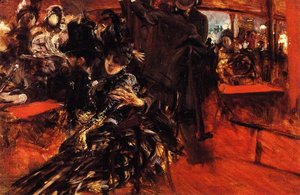
      The Red Café (1887) ავტორის: ჯოვანი ბოლდინი
      4

      The Red Café

      1887 · Oil On Canvas

      To stand before Giovanni Boldini's The Red Café is not merely to observe a painting; it is to step directly into the effervescent heart of late nineteenth-century Parisian society. This oil on canvas, executed in 1887, captures more than just a gathering of people within richly colored walls—it arrests a moment of pure, unadulterated conviviality. The air itself seems thick with whispered conversations, the clinking of unseen glasses, and the…

      Edith Stuyvesant Dresser Vanderbilt (1900) ავტორის: ჯოვანი ბოლდინი
      5

      Edith Stuyvesant Dresser Vanderbilt

      1900 · Oil On Canvas

      The oil painting titled Edith Stuyvesant Dresser Vanderbilt was created by the Italian painter Giovanni Boldini in 1900. The portrait depicts Edith Stuyvesant Dresser Vanderbilt, an American socialite who belonged to the prominent Vanderbilt family. She was the wife of George Washington Vanderbilt II, following their marriage in Paris in 1898.

      The Woman in Red ავტორის: ჯოვანი ბოლდინი
      6

      The Woman in Red

      Oil On Canvas

      Giovanni Boldini’s “The Woman in Red” is more than just a portrait; it's a meticulously crafted window into the heart of the late 19th century, a period defined by opulent elegance and burgeoning artistic innovation. Painted during his most celebrated years, this work exemplifies Boldini’s mastery of capturing not merely appearances but the very essence of his subjects – in this case, a woman lost in contemplation as she plays…

      Girl Reading in a Salon (1876) ავტორის: ჯოვანი ბოლდინი
      7

      Girl Reading in a Salon

      1876 · Oil On Canvas

      To gaze upon Giovanni Boldini's Girl Reading in a Salon is to be instantly transported into the gilded, languid afternoons of the late nineteenth century. This painting is far more than a mere portrait; it is an exquisitely preserved moment of quiet contemplation amidst undeniable luxury. The scene centers on a young woman, utterly absorbed by the pages before her, seated within an armchair that speaks volumes of its owner's…

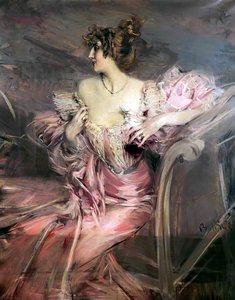
      Madame Charles Max (1896) ავტორის: ჯოვანი ბოლდინი
      8

      Madame Charles Max

      1896 · Oil On Canvas · Musée d'Orsay, პარიზი

      A Glimpse of Parisian Elegance: Giovanni Boldini’s “Madame Charles Max” Giovanni Boldini's "Madame Charles Max," painted in 1896, isn’t merely a portrait; it’s a meticulously crafted distillation of Belle Époque glamour and the captivating allure of Parisian society. Held within the esteemed Musée d’Orsay, this full-length masterpiece offers a rare glimpse into the world of high society, capturing not just a likeness but an essence – the poised confidence and…

      La Toilette (also known as Young Woman in Déshabillé with a Mirror) (1880) ავტორის: ჯოვანი ბოლდინი
      9

      La Toilette (also known as Young Woman in Déshabillé with a Mirror)

      1880 · Oil On Canvas

      To stand before Giovanni Boldini's "La Toilette," or as it is sometimes known, "Young Woman in Déshabillé with a Mirror," is to step across the threshold into a private moment of exquisite contemplation. This 1880 masterpiece does more than merely depict a scene; it captures the very breath held between thought and action. The subject—a young woman enveloped in the soft folds of white fabric, engaged in the ritual of…

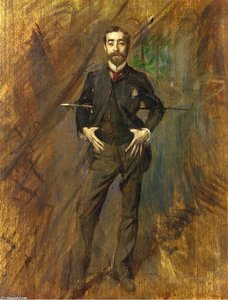
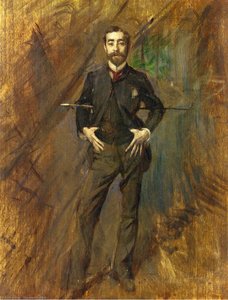
      Portrait of John Singer Sargent ავტორის: ჯოვანი ბოლდინი
      10

      Portrait of John Singer Sargent

      Oil On Canvas

      To stand before a portrait by Giovanni Boldini is to step directly into the glittering salons of the Belle Époque. This work, depicting John Singer Sargent, is far more than a mere likeness; it is an exquisitely rendered study in confidence and cultivated elegance. Boldini possessed a near-magical ability to capture not just the physical appearance of his sitters—the impeccable cut of the suit, the precise sweep of the mustache—but…

      ჯოვანი ბოლდინი: ტილოები, რეიტინგის 11 -დან 100 இடამდე

      Recital (1884) ავტორის: ჯოვანი ბოლდინი
      #24

      Recital

      1884 · სტერლინ და ფრანცინ კლარკის ხელოვნების ინსტიტუტი

      Giovanni Boldini's "Recital," painted in 1884, is more than just a portrait; it’s a meticulously crafted evocation of the elegance and social grace that defined the Belle Époque.…

      დაეხატოს ხელით →
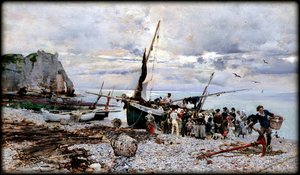
      The Return of the Fishing Boats (1879) ავტორის: ჯოვანი ბოლდინი
      #25

      The Return of the Fishing Boats

      1879 · სტერლინ და ფრანცინ კლარკის ხელოვნების ინსტიტუტი

      The Return of the Fishing Boats, Étretat is an oil on panel work by the artist Giovanni Boldini. Created in 1879, the painting captures a specific moment on…

      დაეხატოს ხელით →
      Madame Leclanche (1881) ავტორის: ჯოვანი ბოლდინი
      #45

      Madame Leclanche

      1881 · სტერლინ და ფრანცინ კლარკის ხელოვნების ინსტიტუტი

      Giovanni Boldini’s “Madame Leclanche,” painted in 1881, isn't merely a portrait; it’s a shimmering distillation of Belle Époque Paris – a moment captured with the artist’s signature ‘swish,’…

      შეუკვეთეთ ეს ტილო →
      In the Garden (1875) ავტორის: ჯოვანი ბოლდინი
      #78

      In the Garden

      1875 · ნაციონალური გალერეა

      In the Garden by Giovanni Boldini presents a quiet scene set within a small garden. The location is likely situated on the outskirts of Montmartre. A woman is…

      დაეხატოს ხელით →

      ჯოვანი ბოლდინი-ის ტილოები, პერიოდების მიხედვით

      რა ყველაზე ხშირად დახატა ჯოვანი ბოლდინი-მა

      ამ ტილოებზე ყველაზე ხშირად განმეორებადი 네 სუბიექტი, თითოეული მათგანის საუკეთესო ნიმუშით.

      სადაც ჯოვანი ბოლდინი-ის ტილოები ეკ hangs

      ამ გვერდზე წარმოდგენილი მხატვრობის შედეგების უმეტესობას 8 მუზეუმი ინახავს.

      მუზეუმი ქალაქი ჯოვანი ბოლდინი შემოქმედებაలు ამ სიიდან მოპოვებული ნახატები
      Musée d'Orsay, პარიზიMusée d'Orsay პარიზი 6 Madame Charles Max, Count Robert de Montesquiou, Henri Rochefort
      სტერლინ და ფრანცინ კლარკის ხელოვნების ინსტიტუტი, ვილিয়ামსტონისტერლინ და ფრანცინ კლარკის ხელოვნების ინსტიტუტი ვილিয়ামსტონი 6 Recital, The Return of the Fishing Boats, Madame Leclanche
      მეტროპოლიტენის ხელოვნების მუზეუმი, ნიუ-იორკიმეტროპოლიტენის ხელოვნების მუზეუმი ნიუ-იორკი 5 Consuelo, Duchess of Marlborough, with Her Son Ivor Spencer-Churchill, Famous Connoisseur (Fameux Connaisseur)
      სან-ფრანცისკოს fine arts მუზეუმები, სან-ფრანცისკოსან-ფრანცისკოს fine arts მუზეუმები სან-ფრანცისკო 4 Portrait of Mrs. Whitney Warren, Portrait of Mrs. Graham Fair Vanderbilt (née Virginia Graham Fair)
      Carnavalet Museum, პარისიCarnavalet Museum პარისი 2 Portrait of the Countess de Martel de Janville
      კაპოდიმონტის მუზეუმი, ნეპოლიკაპოდიმონტის მუზეუმი ნეპოლი 2 Portrait of Princess Marisconovo
      ჩიკაგოს ხელოვნების ინსტიტუტი, ჩიკაგოჩიკაგოს ხელოვნების ინსტიტუტი ჩიკაგო 2 Woman with a Parasol
      Biennale Internazionale dell'Antiquariato di Firenze, ფლორენციაBiennale Internazionale dell'Antiquariato di Firenze ფლორენცია 2 Lady in the mirror (From the milliner)

      ჯოვანი ბოლდინი-ის ყველაზე ცნობილი ტილო, ათწლეულების განმავლობაში

      1. 1850s
      2. 1860s
        Lilia Monti née Countess Magnoni (1864) ავტორის: ჯოვანი ბოლდინი
        17 100-დან

        Lilia Monti née Countess Magnoni

        나س, 18 – 27 წელი

        To gaze upon Giovanni Boldini's portrait, Lilia Monti née Countess Magnoni, is to step directly into the shimmering, sophisticated heart of the late nineteenth century. Painted in 1864,…

      3. 1870s
        Girl Reading in a Salon (1876) ავტორის: ჯოვანი ბოლდინი
        Canvas 7 of 100

        Girl Reading in a Salon

        나س, 28 – 37 წელი

        To gaze upon Giovanni Boldini's Girl Reading in a Salon is to be instantly transported into the gilded, languid afternoons of the late nineteenth century. This painting is…

      4. 1880s
        The Red Café (1887) ავტორის: ჯოვანი ბოლდინი
        4 100-დან

        The Red Café

        나س, 38 – 47 წელი

        To stand before Giovanni Boldini's The Red Café is not merely to observe a painting; it is to step directly into the effervescent heart of late nineteenth-century Parisian…

      5. 1890s
        Madame Charles Max (1896) ავტორის: ჯოვანი ბოლდინი
        8 100-დან

        Madame Charles Max

        나س, 48 – 57 წელი · Musée d'Orsay

        A Glimpse of Parisian Elegance: Giovanni Boldini’s “Madame Charles Max” Giovanni Boldini's "Madame Charles Max," painted in 1896, isn’t merely a portrait; it’s a meticulously crafted distillation of…

      6. 1900s
        Cleo de Merode (1901) ავტორის: ჯოვანი ბოლდინი
        Canvas 1 of 100

        Cleo de Merode

        나س, 58 – 67 წელი

        Step closer and observe the quiet confidence in her gaze. This 1901 portrait captures Cléopâtre-Diane de Mérode, a woman who embodied the very essence of Parisian high society…

      7. 1910s
        Portrait of a Lady (1912) ავტორის: ჯოვანი ბოლდინი
        16-ი 100-დან

        Portrait of a Lady

        나س, 68 – 77 წელი

        To stand before Portrait of a Lady is to step directly into the glittering, sophisticated heart of the Belle Époque. This oil on canvas, executed in 1912 by…

      8. 1920s
      9. 1930s
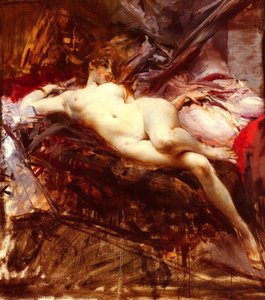
        Reclining Nude (1930) ავტორის: ჯოვანი ბოლდინი
        15-ი 100-დან

        Reclining Nude

        나س, 88 – 89 წელი

        To gaze upon Giovanni Boldini’s Reclining Nude is to step directly into the gilded, languid atmosphere of the Belle Époque. This oil on canvas, measuring a graceful 55…

      ჯოვანი ბოლდინი-ის ტილოები, კითხვა კითხვაზე

      ჯოვანი ბოლდინი-ის რომელი ტილოა ყველაზე ცნობილი?წაიკითხეთ პასუხი

      Cleo de Merode (1901), შემდეგ კი Consuelo, Duchess of Marlborough, with Her Son Ivor Spencer-Churchill (1906) და The Woman in Red.

      Cleo de Merode: რამდენი წლის იყო ჯოვანი ბოლდინი, როდესაც ეს ნამუშწარები შეიქმნა?წაიკითხეთ პასუხი

      ჯოვანი ბოლდინი, რომელიც 1842 წელს დაიბადა, 59 წლის იყო: Cleo de Merode შექმნილია 1901 წელს.

      რა არის ჯოვანი ბოლდინი-ის 열 иң ცნობილი 열მეტი ტილო?წაიკითხეთ პასუხი

      Cleo de Merode, Consuelo, Duchess of Marlborough, with Her Son Ivor Spencer-Churchill, The Woman in Red, The Red Café, Edith Stuyvesant Dresser Vanderbilt, The Woman in Red, Girl Reading in a Salon, Madame Charles Max, La Toilette (also known as Young Woman in Déshabillé with a Mirror) და Portrait of John Singer Sargent. ზემოთ მოცემულ რეიტინგში თითოეულ ტილოზე მითითებულია მისი შემოქმედების წელი და მუზეუმი.

      რამდენ სურათი შექმნა ჯოვანი ბოლდინი-მა?წაიკითხეთ პასუხი

      ჩვენს კატალოგშია 469 ნამუშგარები ჯოვანი ბოლდინი-ისგან, თარიღებით 1856-დან 1930-მდე.

      სად hanging დღეს ჯოვანი ბოლდინი-ის ყველაზე ცნობილი ტილოები?წაიკითხეთ პასუხი

      ძირითადად Musée d'Orsay (პარიზი), სტერლინ და ფრანცინ კლარკის ხელოვნების ინსტიტუტი (ვილিয়ামსტონი) და მეტროპოლიტენის ხელოვნების მუზეუმი (ნიუ-იორკი)-ში; ზემოთ მოცემულ სიაში წარმოდგენილია თითოეული მუზეუმი და მისი ტილოები.

      როდის შექმნა ჯოვანი ბოლდინი-მა ყველაზე ცნობილი ტილოები?წაიკითხეთ პასუხი

      1870s-ში, რომელიც ამ გვერდზე წარმოდგენილი 100 ნამუშწაროსგან 16 შეადგენს, მათ შორის არის Girl Reading in a Salon.

      რომელი ცნობილი ჯოვანი ბოლდინი ტილო შეიქმნა პირველად და რომელი ბოლოს?წაიკითხეთ პასუხი

      აქ წარმოდგენილი ტილოებიდან უძველესი არის Self-Portrait (1856); უახლესი კი — Reclining Nude (1930).

      რა თემებს ხატავდა ყველაზე ხშირად ჯოვანი ბოლდინი?წაიკითხეთ პასუხი

      Portrait (26), Woman (16) და Elegance (16), ამ გვერდზე წარმოდგენილ 100 ნამუშწარეს შორის.

      რა ტექნიკა გვხვდება ყველაზე ხშირად ჯოვანი ბოლდინი-ის შემოქმედებაში?წაიკითხეთ პასუხი

      Oil On Canvas, გამოყენებულია ამ გვერდზე არსებული 100 ნამუშწაროდან 41-ში.

      რომელ მიძღვნასთან არის დაკავშირებული ჯოვანი ბოლდინი?წაიკითხეთ პასუხი

      Impressionism, როგორც ამ გვერდის ტილოები ადასტურებს.

      ჯოვანი ბოლდინი-ის რომელ ჩანაწერი მო पीड़რობს Musée d'Orsay?წაიკითხეთ პასუხი

      Musée d'Orsay, პარიზი-ში წარმოდგენილია ამ გვერდზე არსებული ნამუშევრების 3, მათ შორის Madame Charles Max, Count Robert de Montesquiou და Henri Rochefort.

      სად შემიძლია ჯოვანი ბოლდინი-ის ნახატის რეპროდუქციის შეძენა?წაიკითხეთ პასუხი

      დიახ. ამ გვერდზე წარმოდგენილი ყველა სურათის შეკვეთა შესაძლებელია მისივე გვერდიდან, როგორც ხელნაკეთი ზეთისებრი რეპროდუქციის, ისე მაღალი ხარისხის მხატვრული ბეჭდვის სახით, თქვენთვის სასურველი ზომით.

      გაიცანით მხატვარი: ჯოვანი ბოლდინი

      Early Life, Family and Training

      Giovanni Boldini entered the world on 31 December 1842 in Ferrara, Italy. He was born into a household where the visual arts were a matter of daily practice; his father was a painter who specialized in religious subjects. This domestic environment provided a foundational understanding of the craft, shaping the boy's early perception of color and form. He grew up alongside his brother, Luigi Boldini, who would eventually pursue a career as an architect.

      The trajectory of his development moved toward Florence in 1862. He spent six years in the city, a period dedicated to the study and pursuit of painting. While he did not strictly adhere to the formal academic curriculum, his time in Florence allowed him to engage with the evolving artistic currents of the era. It was during these formative years that the foundations of his technical skill were laid, moving him away from the traditional religious themes of his father toward a more personal expression.

      The Formative Years in Florence

      In 1862, Boldini moved to Florence, a transition that would fundamentally alter the trajectory of his career. While he only infrequently attended classes at the Academy of Fine Arts, his true education occurred in the cafes and studios of the city. It was here that he encountered the Macchiaioli, a group of realist painters who acted as Italian precursors to Impressionism. Their focus on light and spontaneous execution provided a necessary counterpoint to the rigid academic traditions of the time.

      These formative years were defined by a growing circle of peers. Through his associations with artists such as Michele Gordigiani and Telemaco Signorini, Boldini began to find his footing within the professional art community. These early friendships provided more than mere companionship; they offered the social and professional confidence required to begin exhibiting his works to the public. This period of experimentation allowed him to move beyond his father's religious subject matter toward the more secular, observational style that would eventually define his reputation.

      Success in London and Paris

      After leaving the academic structures of Italy, Boldini sought his fortune in London, where his talent for capturing the essence of his subjects began to yield professional rewards. He found a steady stream of commissions from the upper echelons of British society, securing his reputation through portraits of notable figures such as Lady Holland and the Duchess of Westminster. This period of success established him as a painter capable of navigating the complex social requirements of high-society portraiture.

      In 1872, Boldini moved to Paris, a city that would remain his home for the remainder of his life. The French capital offered a different kind of energy, one that suited his developing sensibilities. Within the Parisian artistic circles, he formed a friendship with Edgar Degas, moving through a social landscape that was both demanding and intellectually stimulating. He became a fixture of the Belle Époque, a painter whose presence was felt in the very salons he sought to document.

      • Portrait of Lady Holland
      • Portrait of the Duchess of Westminster

      Technique and Artistic Style

      Boldini’s brushwork possessed a restless, kinetic energy that earned him the moniker "Master of Swish." His method relied on a sophisticated tension between precision and spontaneity. He frequently combined short, staccato marks with smooth, flowing legato passages, creating a surface that seemed to vibrate with the movement of his subjects. This approach allowed him to capture the fleeting essence of a gesture or a glance, translating the physical presence of a person into a sense of rapid, elegant motion.

      The construction of his canvases was a deliberate, layered process. He employed a meticulous build-up of paint to achieve complex surface effects, moving from detailed underdrawings toward a freer, more expressive application of color. This technique allowed him to balance descriptive realism with a loose, visible brushwork that prioritized the impression of character over rigid anatomical accuracy. His palette evolved significantly over his career, notably incorporating a predominance of cobalt blue after 1871 and the introduction of strontium yellow in 1894.

      The physical texture of his work often mirrored the social dynamism of the Belle Époque. By utilizing impasto strokes, he could suggest the sheen of silk or the quick movement of a gown, making the medium itself part of the portrait's narrative. His ability to marry these technical complexities with a sense of bravura ensured that his subjects appeared not as static figures, but as living entities caught in a moment of transition.

      Notable Portraits and Commissions

      By the late 19th century, Boldini had established himself as the most fashionable portrait painter in Paris. He became a fixture within the salons of the aristocracy, a man whose brush was sought after by the very people who defined the era's social hierarchy. His ability to capture the essence of the Belle Époque made him a favorite among Parisian high society, where a sitting with him was a mark of distinction. He did not merely record faces; he documented the energy of a specific social class.

      His professional standing reached a peak of official recognition when he was nominated as the commissioner of the Italian section of the Paris Exposition in 1889. This responsibility reflected his influence within the international art community and his deep connection to both his Italian roots and his adopted French home. For his contributions to the arts and his significant role in this appointment, he was awarded the Légion d'honneur. This honor solidified his status as a central figure in the cultural life of Paris.

      His commissions often involved the most prominent figures of the day, ranging from socialites to members of the nobility. Some of these notable subjects include:

      Key Works of the Artist

      Boldini’s brushwork often mirrored the restless energy of the era he documented. In his 1884 work, The Mondona Singer, he utilized impasto brushstrokes—a combination of short staccato marks and smooth, flowing legato passages—to evoke the sound of music. This piece, currently housed at the Gallerie d'Arte Moderna e Contemporanea di Ferrara, demonstrates his ability to translate auditory energy into visual texture. Similarly, Lady with a Guitar, held at The Walters Art Museum, uses these exuberant strokes to surround a solitary musician, suggesting a sense of movement and sound through the very application of paint.

      His ability to capture the essence of a person was perhaps most evident in his more intimate studies. His 1892 Self Portrait offers a rare, contemplative look at the artist himself, rendered with a precision that contrasts with his more gestural social portraits. By the turn of the century, his style had become a hallmark of Parisian high society. This is seen in the 1908 portrait of Gladys Deacon, a work that reflects the sophisticated surface effects and meticulous build-up of paint layers that defined his mature period.

      Later Years and Death

      The twilight of Boldini's career was marked by a quiet retreat from the social circles he once dominated. As the artistic landscape shifted, his distinctive presence in the Parisian salons began to fade. He was eventually superseded by a new generation of painters, including artists such as Vandongens, Etcheverrys, and Domergues, whose styles resonated more deeply with the changing tastes of the era. This transition saw the man who had once been the visual chronicler of high society move toward a period of stillness. In his final years, he had not painted for many years.

      He passed away in Paris on 11 January 1931. Though he had spent much of his life navigating the cosmopolitan energy of France, his final return was to his roots. He was buried in his city of origin, Ferrara. His departure marked the end of a life spent capturing the movement and elegance of a bygone age, leaving behind a body of work that remains tied to the spirit of the Belle Époque.

      Legacy and Artistic Influence

      Boldini’s presence in the salons of the late 19th century was unmistakable. His work was the talk of numerous social gatherings, where his racy and advanced style challenged the more rigid conventions of the era. He was a prominent Italian painter celebrated for his portraits, landscapes, and genre scenes, yet it was his ability to capture movement and fleeting moments that truly defined his reputation. This kinetic energy earned him the nickname "Master of Swish," a title that reflected the fluid, gestural nature of his brushwork.

      The artist’s influence extended beyond the mere documentation of high society. By blending precise, descriptive details with loose, visible brushwork, he created a sense of immediacy that resonated with the changing sensibilities of the Belle Époque. His approach was often seen as a bridge between the meticulous traditions of the past and the more spontaneous, fractured visions of modernism. Even as tastes shifted and he was eventually superseded by newer, more daring movements, his ability to translate the energy of a subject into a single, sweeping gesture remained a distinct hallmark of his career.

      Where to See His Works Today

      To encounter the physical presence of Boldini’s brushwork, one must look to the institutions that preserved his place in the social fabric of the late nineteenth century. In Ferrara, Italy, the Museo Giovanni Boldini resides within the Palazzo Massari. This biographical museum houses a significant collection, including works donated by the artist's widow, offering a direct connection to his origins and his evolution from a student of the Macchiaioli to a fixture of Parisian life.

      His reach extends far beyond his birthplace, finding permanent homes in major international collections. The Musée d'Orsay in Paris maintains several of his paintings, keeping his spirit tethered to the city where he achieved his greatest fame. Across the Atlantic, the Metropolitan Museum of Art in New York holds his work, ensuring his specific brand of elegance remains accessible to a global audience. In the United States, the Sterling and Francine Clark Art Institute in Williamsburg also preserves a selection of his canvases, allowing viewers to observe the texture of his impasto and his characteristic, sweeping gestures in person.

      ყველა 469 ნამუშევარი, რომელიც შემოქმედებითად ეკუთვნის ჯოვანი ბოლდინი →