

 실제 크기로 보기
 프린트 판매로 전환
 보내기
보내기 공유하기
공유하기
 가이드 보기

 이미지 다운로드
 유사 작품 더 보기
 X-레이
X-레이 슬라이드 쇼 보기
 통계 정보
통계 정보Salome
 Acrylic On Canvas
- WallArt
- German Symbolism
 1906
1906 92.0 x 114.0 cm
 Lenbachhaus
The Enigmatic Dance: Unveiling Franz Ritter von Stuck’s “Salome”
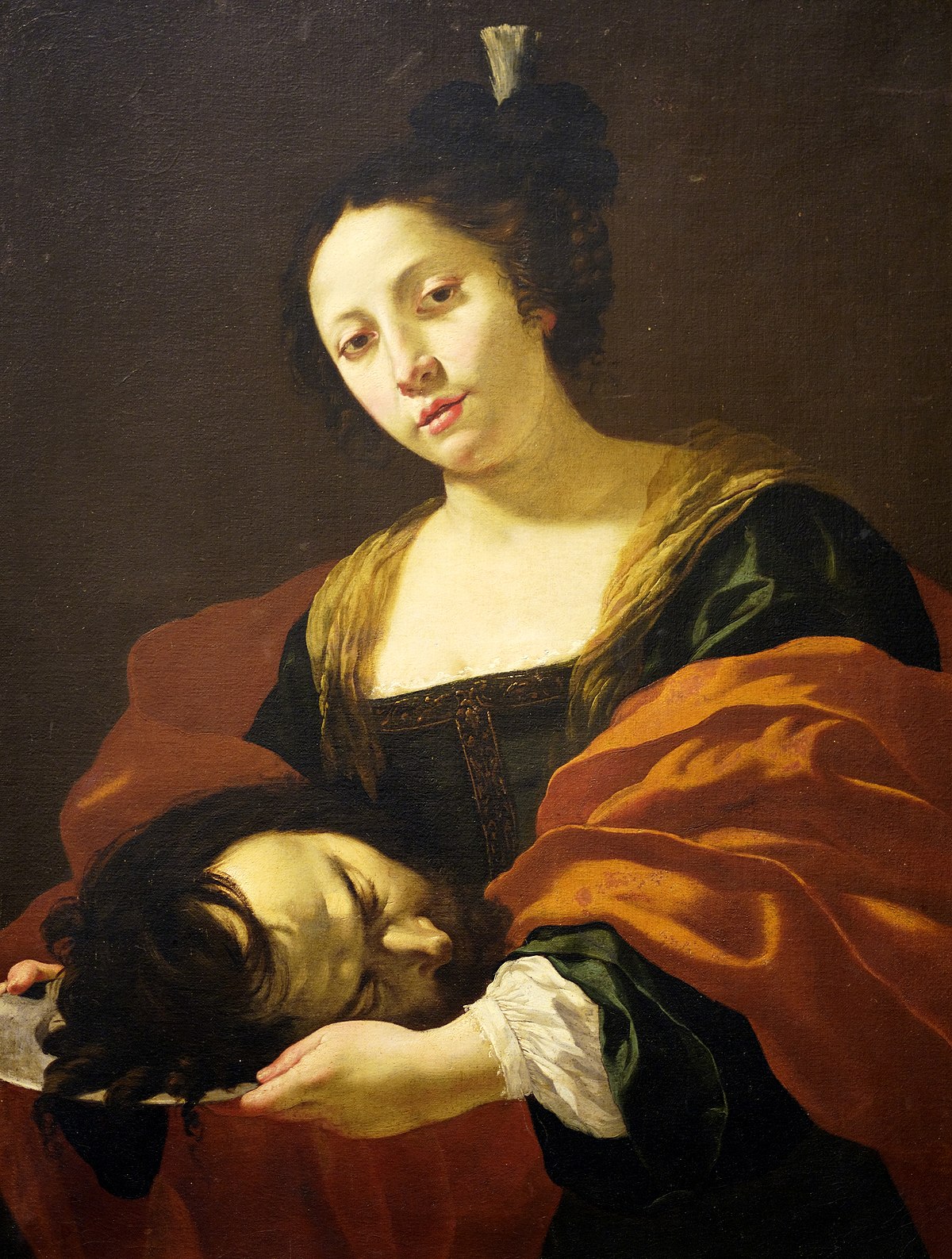
Franz Ritter von Stuck's 1906 painting, "Salome," is not merely a depiction of a biblical episode; it’s a profoundly unsettling and intensely symbolic exploration of desire, power, and the dark undercurrents of human nature. Emerging from the fertile ground of German Symbolism, Stuck masterfully blends classical precision with the dreamlike logic of the subconscious, creating an image that continues to captivate and disturb over a century later. The painting’s immediate impact lies in its dramatic composition – a carefully orchestrated tableau of figures poised on the precipice of violence and obsession. The scene unfolds within a shadowy, almost claustrophobic space, dominated by a towering, ornate architecture suggesting both opulence and impending doom. This isn't a straightforward narrative; it’s an atmosphere saturated with tension, inviting viewers to contemplate the motivations and fates of those involved.
A Symphony of Contrasts: Style, Technique, and Materiality
Stuck’s artistic style is immediately recognizable as a potent blend of Symbolism and Art Nouveau influences. The painting showcases his signature use of rich, jewel-toned colors – deep reds, emerald greens, and shimmering golds – applied with meticulous detail to create an opulent yet unsettling effect. His brushwork is deliberately expressive, employing visible strokes that contribute to the overall sense of drama and movement. Notice particularly the way he renders the textures: the velvet drapery, the polished surfaces of the architecture, and even the glistening skin of Salome herself – all are rendered with a tactile quality that draws the viewer into the scene. The painting was executed in oil on canvas, a medium that allowed Stuck to achieve both luminous color saturation and remarkable textural detail. The use of chiaroscuro—the dramatic contrast between light and shadow—further intensifies the emotional impact, highlighting key figures and obscuring others in an atmosphere of mystery and foreboding.
The Narrative Unfolds: Biblical Context and Symbolism
At its core, “Salome” depicts a pivotal moment from the New Testament – the fulfillment of Herodias’s vengeful plot against John the Baptist. However, Stuck doesn't offer a simple retelling of the story; instead, he delves into the psychological complexities of the characters and imbues the scene with layers of symbolic meaning. Salome herself is not portrayed as a seductive temptress but rather as a figure caught in a web of manipulation and driven by a primal desire for power. The presence of the dark servant, clutching John’s severed head on a platter, introduces an element of grotesque horror – a stark reminder of the brutal consequences of unchecked ambition. The architecture—a blend of Romanesque and Byzantine styles—suggests both grandeur and decay, mirroring the moral corruption at the heart of the narrative. The star-studded night sky serves as a backdrop to this drama, hinting at a realm beyond earthly concerns and perhaps suggesting a connection between life and death.
A “Prince of Art”: Stuck’s Legacy and Artistic Significance
Franz Ritter von Stuck was more than just an artist; he was a cultural phenomenon. Nicknamed the "Prince of Art" during his lifetime, he bridged the gap between academic tradition and the burgeoning currents of modernism. His work explored themes of sin, beauty, and the subconscious with a boldness and emotional intensity that resonated deeply with audiences at the turn of the 20th century. Villa Stuck, his own architectural masterpiece in Munich, stands as a testament to his artistic vision—a lavishly decorated space filled with sculptures, paintings, and intricate details reflecting his fascination with mythology, symbolism, and the darker aspects of human experience. “Salome” is arguably one of his most enduring works, demonstrating his mastery of dramatic composition, evocative color palettes, and profound psychological insight. It remains a powerful and unsettling image that continues to provoke discussion and inspire interpretation.
질의응답
"Salome"의 재료와 화풍은 무엇인가요?
"Salome"은(는) Acrylic On Canvas 기법을 사용하여 German Symbolism 양식으로 제작되었습니다.
프란츠 폰 슈투크의 "Salome"은(는) 회화인가요, 드로잉인가요, 아니면 판화인가요?
"Salome"은(는) WallArt 작품입니다.
프란츠 폰 슈투크의 "Salome"의 제작 연도와 화풍은 무엇인가요?
"Salome"은(는) 1906년에 German Symbolism 사조의 작품으로 제작되었습니다. 제작 연도와 미술 사조는 미술사적 맥락에서 이 작품의 위치를 확고히 해줍니다.
프란츠 폰 슈투크 (1863 – 1928)
Franz von Stuck은 독일 상징주의 화가로, 신화적 장면과 강렬한 조각 작품으로 유명합니다. 그는 뮌헨 분리파의 주요 인물이며, 관능적인 아름다움과 심리적 깊이를 탐구하는 독특한 스타일을 선보였습니다.
Lenbachhaus (뮌헨, 독일)
뮌헨 렌바흐하우스에서 세계적인 블루 라이더(칸딘스키, 마르크) 예술과 19~20세기 걸작을 만나보세요. 역사적인 빌라와 현대적 건축이 어우러진 환상적인 조화를 경험할 수 있습니다.
이 작품에 대하여
- 제목: Salome
- 작가: 프란츠 폰 슈투크
- 제작 연도: 1906
- 원작 크기: 92.0 x 114.0 cm
- 형식: Square
- 저작권 상태: 퍼블릭 도메인
- 전시 장소: Lenbachhaus
- 동세: German Symbolism
- 창작 시기: Symbolist Maturity
- 코퍼스 문맥: secessionist aesthetics , tragedy”
주요 정보
- Medium: Oil on canvas
- Year: 1906
- Title: Salome
- Artist: Franz Ritter von Stuck
- Location: Städtische Galerie im Lenbachhaus
- Notable elements: Dancer, severed head