
 캔버스에 유채월아트Expressionism
 1948근현대
 116.0 x 89.0 cm




























작품의 원본 비율을 유지하는 미리 설정된 크기 중에서 선택하세요.

특정 프레임이나 공간에 맞도록 직접 크기를 입력할 수 있습니다. 선택하신 크기가 원본 이미지의 비율과 일치하지 않는 경우, 작품을 자르거나 추가적인 손으로 그린 요소를 사용하여 그림을 확장합니다. 제작 시작 전 승인을 위해 디지털 목업을 보내드립니다.
화면 미리 보기는 실제 자르기 또는 확장을 반영하지 않습니다. 최종 구성은 목업을 통해서만 정확하게 확인하실 수 있습니다.
맞춤 크기 제작도 가능하지만, 원본 비율을 유지하기 위해 사전 정의된 목록에서 크기를 선택하시는 것을 권장합니다.

Interior with Egyptian Curtain
복제본 크기
Henri Matisse's "Interior with Egyptian Curtain," painted in 1948, isn’t merely a depiction of a room; it’s an immersion into a carefully constructed world of color, light, and subtly layered symbolism. This captivating work, measuring 116 x 89 cm in oil on canvas, exemplifies the culmination of Matisse's lifelong exploration of form, emotion, and the transformative power of visual language. Moving beyond the constraints of traditional representation, he crafts a space that feels both familiar and utterly dreamlike, inviting the viewer into an intimate dialogue with its vibrant elements.
The painting immediately draws attention to the window—a recurring motif in Matisse’s oeuvre—which acts as a portal to an imagined landscape. Beyond this frame unfolds a scene of Mediterranean warmth: a palm tree ablaze with color, suggesting both vitality and a hint of drama. Within the room itself, a table becomes the focal point, adorned with a still life of oranges – symbols of abundance, joy, and the fleeting beauty of summer. These fruits aren’t rendered realistically; instead, they are simplified into bold shapes and vibrant hues, contributing to the painting's overall sense of abstraction. A bowl overflowing with more oranges echoes this principle, reinforcing the theme of visual delight and the celebration of simple pleasures.
Adding a layer of cultural intrigue is the Egyptian curtain itself – a rich appliqué textile that introduces an element of exoticism and historical reference. This deliberate inclusion speaks to Matisse’s lifelong fascination with global art traditions and his desire to synthesize diverse influences into a unified artistic vision. The curtain isn't just a decorative element; it acts as a visual anchor, grounding the scene while simultaneously hinting at distant lands and untold stories. The careful placement of the bird within the composition further enhances this sense of natural harmony and lively atmosphere, suggesting a connection between the interior space and the wider world.
While firmly rooted in Matisse's earlier Fauvist period – characterized by bold, non-naturalistic colors – “Interior with Egyptian Curtain” leans more heavily into Expressionism. This shift is evident in the artist’s deliberate use of color to convey emotion and inner experience rather than simply mimicking reality. The vibrant reds, yellows, and blues aren’t applied with a purely decorative intent; they pulsate with energy and imbue the scene with a palpable sense of warmth and optimism. Matisse's brushstrokes are loose and expressive, contributing to the painting’s dynamic quality and suggesting a process of spontaneous creation.
The simplification of forms—the reduction of objects to their essential shapes—is another key characteristic of this period in Matisse’s work. This technique, combined with his masterful use of color, creates a sense of visual harmony and balance while simultaneously conveying a powerful emotional impact. The painting's overall effect is one of joyful exuberance, reflecting Matisse’s own spirit and his belief in the transformative power of art.
Beyond its immediate aesthetic appeal, “Interior with Egyptian Curtain” is rich in symbolic meaning. The window itself represents a gateway to possibility, inviting the viewer to step into Matisse’s imaginative world. The oranges, as previously noted, symbolize abundance and joy, but also carry connotations of ripeness and mortality – a poignant reminder of life's fleeting beauty. The Egyptian curtain, with its intricate patterns and historical references, evokes notions of mystery, luxury, and the allure of the unknown. Even the bird, perched seemingly nonchalantly within the composition, adds to the sense of tranquility and connection to nature.
Matisse’s deliberate use of color – particularly the intense blues and greens – further enhances the painting's symbolic weight. These colors are often associated with serenity, spirituality, and the natural world, creating a harmonious balance within the composition. The overall effect is one of profound emotional resonance, inviting viewers to contemplate the deeper meanings embedded within the artwork.
"Interior with Egyptian Curtain" stands as a pivotal work in Matisse’s career, marking a significant shift towards Expressionism while retaining his signature Fauvist sensibilities. Born from the vibrant artistic currents of the early 20th century, it exemplifies the movement's rejection of traditional academic conventions and its embrace of subjective experience. Influenced by Post-Impressionists like Van Gogh and Gauguin, Matisse pushed the boundaries of color theory and formal composition, paving the way for future generations of artists.
This painting’s enduring appeal lies not only in its technical brilliance but also in its ability to evoke a sense of timeless beauty and emotional depth. It is a testament to Matisse's genius – his capacity to transform everyday objects into works of art that resonate with viewers on a profound level. A reproduction of this masterpiece offers a window into the heart of one of the 20th century’s most influential artists.

1869 - 1954 , 프랑스

앙리 마티스의 시대를 초월하는 걸작 25선을 만나보세요. 색채주의, 야수파를 대표하는 그의 삶과 예술 세계를 탐험하고, TopImpressionists에서 명화 복제본으로 거실 인테리어에 감동을 더하세요. 지금 바로 컬렉션을 확인하세요!

Explore 10 Fauvist masterpieces by Matisse, Derain & Vlaminck that ignited Modern Art! Discover bold colors, expressionist landscapes & the history of this revolutionary movement. Find museum-quality prints at TopImpressionists.com.
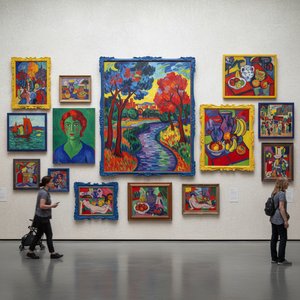
fauve 미술의 심장을 뛰게 하는 10대 걸작! 모리스 드니, 마티스 등 거장의 강렬한 색채와 혁신적인 표현을 만나보세요. 예술 작품 감상부터 인테리어 디자인 영감까지, TopImpressionists.com에서 명품 아트 프린트를 찾아보세요.
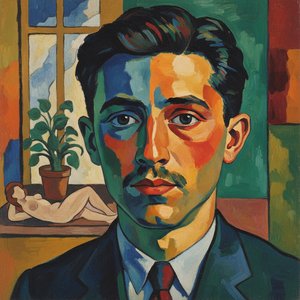
Explore the revolutionary art of Henri Matisse! Discover his bold use of color, Fauvist origins, and lasting impact on modern painting. A comprehensive guide for art enthusiasts.

Explore the revolutionary Fauvism movement & Henri Matisse's bold use of color! Discover key characteristics, iconic artworks, and its lasting impact on modern art history with TopImpressionists.


최신 미술 뉴스, 특별 혜택 및 인테리어 아이디어를 가장 먼저 만나보세요.
프로젝트에 대해 알려주시면 저희 미술 전문가들이 맞춤형 아트 제안 3가지를 전달해 드립니다.
당신만을 위한 맞춤형 옵션 3가지를 무료로 추천해 드립니다!


 미리보기
미리보기
 프린트 구매
 공유하기
공유하기 공유하기
공유하기
 상세 정보
상세 정보

 다운로드
다운로드
 유사 작품
유사 작품 X-레이
X-레이 슬라이드 쇼
 더 보기
더 보기









 유리 옵션은 110cm 미만 크기에서만 선택 가능합니다.


