





























작품의 원본 비율을 유지하는 미리 설정된 크기 중에서 선택하세요.

특정 프레임이나 공간에 맞도록 직접 크기를 입력할 수 있습니다. 선택하신 크기가 원본 이미지의 비율과 일치하지 않는 경우, 작품을 자르거나 추가적인 손으로 그린 요소를 사용하여 그림을 확장합니다. 제작 시작 전 승인을 위해 디지털 목업을 보내드립니다.
화면 미리 보기는 실제 자르기 또는 확장을 반영하지 않습니다. 최종 구성은 목업을 통해서만 정확하게 확인하실 수 있습니다.
맞춤 크기 제작도 가능하지만, 원본 비율을 유지하기 위해 사전 정의된 목록에서 크기를 선택하시는 것을 권장합니다.

소형 화병
복제본 크기
The Qing Dynasty (1644–1912), often referred to as the Great Qing, represents one of the most profound and visually spectacular chapters in the long tapestry of Chinese history. It was an era defined by a complex synthesis of Manchu ambition and the deep-rooted traditions of Han Chinese culture. Emerging from the turbulent collapse of the Ming Dynasty, the Manchus established a new imperial order centered in Beijing, creating a period of unprecedented cultural production that would eventually leave an indelible mark on the global perception of Chinese aesthetics. This was not merely a time of political consolidation but a golden age of artistic innovation, where the boundaries between decorative splendor and fine art often blurred into a single, magnificent expression of imperial power.
The artistic foundations of this era were built upon a meticulous reverence for the past, yet they were simultaneously propelled by a spirit of adaptation. Early Qing painters, many of whom served within the prestigious Imperial Court, drew their strength from the classical techniques perfected during the preceding Ming period. They mastered the delicate balance of brushwork, color palettes, and compositional principles rooted in Daoist philosophy and Confucian ideals of harmony. As the dynasty progressed, the influence of Zen Buddhism introduced a new layer of emotional depth to the canvas, encouraging artists to capture the spontaneous essence of nature through the Xieyi style—a method that prioritized the "spirit" of the subject over mere anatomical or botanical accuracy.
One of the most enduring legacies of the Qing era lies in the breathtaking precision of the Gongbi painting style. This meticulous approach to art demanded extraordinary patience and technical skill, as painters employed layered brushstrokes and vibrant pigments to achieve a level of realism that felt almost luminous. Artists such as Tingqua became renowned for these highly detailed works, which often featured delicate flora and fauna rendered with such clarity that they became sought-after treasures in Western collections. This period saw the artist's hand working in perfect concert with nature, capturing every nuance of texture, from the softest petal to the ruggedness of ancient stone.
Beyond the realm of paper and silk, the Qing Dynasty achieved a zenith in the production of ceramics that remains unsurpassed. The imperial porcelain capital of Jingdezhen became a crucible of innovation, producing vessels that were as much sculptural masterpieces as they were functional objects. During the Kangxi reign (1662–1722), the creation of magnificent blue and gold wares showcased a sophisticated palette that evoked both tranquility and luxury. The introduction of "soft paste" techniques around 1700 AD allowed for even more daring and intricate designs, embodying the era's characteristic blend of technical experimentation and refined elegance.
The significance of Qing Dynasty art extends far beyond its aesthetic beauty; it serves as a vital historical record of a changing world. The era witnessed a fascinating dialogue between traditional Chinese values and burgeoning Western influences, particularly through the flourishing of export paintings that catered to a global market. This period of intense cultural production reflected the empire's vast territorial reach—stretching from the Sea of Japan to the Pamir Mountains—and its ability to absorb diverse influences into a cohesive imperial identity.
As the dynasty approached its twilight in the early 20th century, the art continued to evolve, reflecting the social shifts and the eventual transition toward the Republic of China. The works produced during this time remain essential for understanding the evolution of East Asian aesthetics. Whether through the monumental landscapes that spoke of eternal order or the delicate porcelain that whispered of imperial grace, the art of the Great Qing remains a testament to a civilization at its most visually opulent and culturally complex.

1644 - 1911 , China
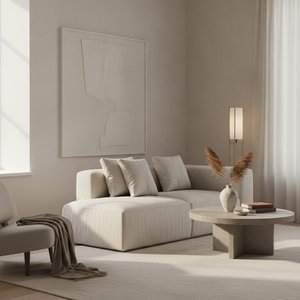
Discover the gentle embrace of Soft Minimalism through the luminous, hand-painted textures of Impressionist masters. TopImpressionists.com offers exquisite oil reproductions designed to bring serenity, light, and quiet luxury to your most cherished spaces.
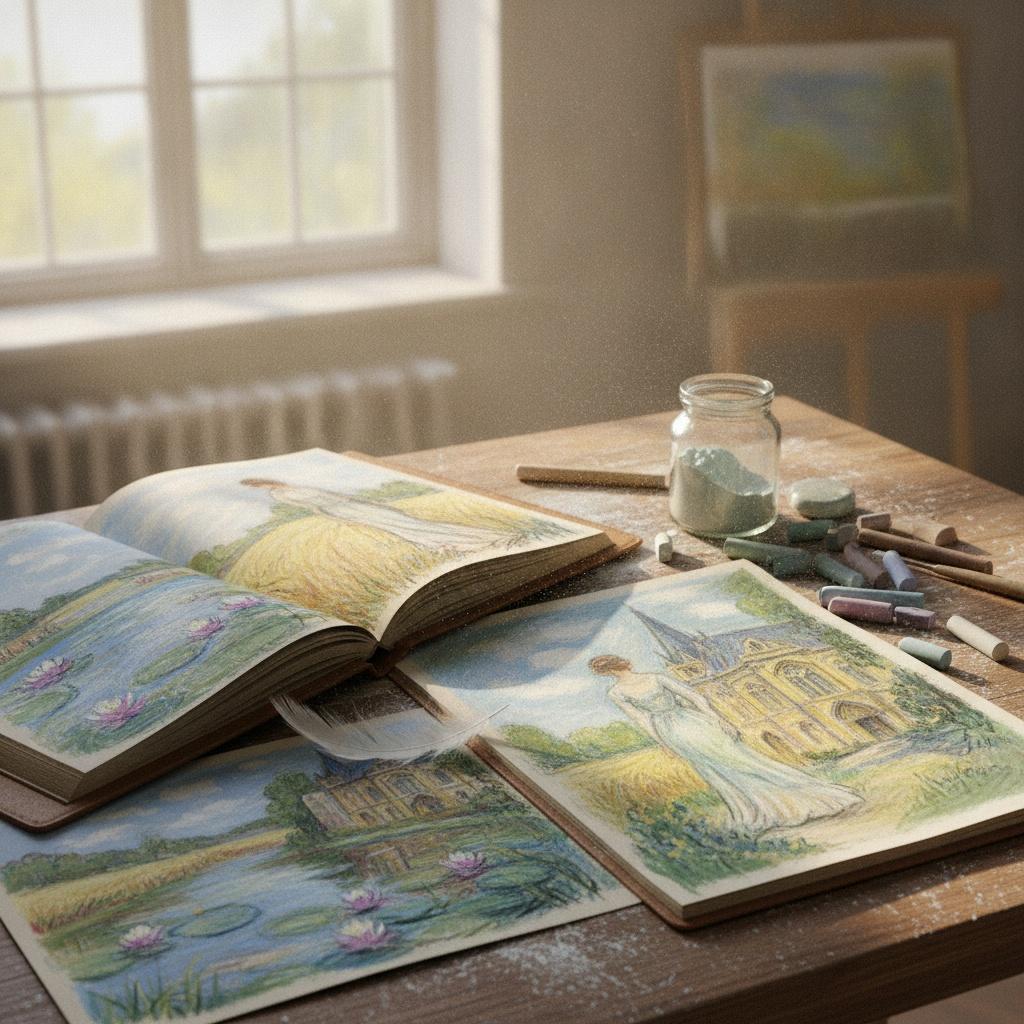
Discover the ethereal beauty of pastel and chalk art. Explore how Impressionist masters like Van Gogh and Degas captured light and texture to create timeless, soulful masterpieces for the discerning collector.

Discover the ethereal beauty of pastel art through an Impressionist lens. Explore how masters like Monet and Renoir captured light and velvet textures, and learn to curate a collection of luminous, museum-quality masterpieces for your home.

Discover the exquisite world of Rococo portraiture. Explore the delicate beauty of 18th-century French art, from pastel light to graceful asymmetry, and learn how to bring this era of elegance into your home through masterfully hand-painted oil reproductions.


최신 미술 뉴스, 특별 혜택 및 인테리어 아이디어를 가장 먼저 만나보세요.
프로젝트에 대해 알려주시면 저희 미술 전문가들이 맞춤형 아트 제안 3가지를 전달해 드립니다.
당신만을 위한 맞춤형 옵션 3가지를 무료로 추천해 드립니다!


 미리보기
미리보기
 프린트 구매
 공유하기
공유하기 공유하기
공유하기
 상세 정보
상세 정보

 다운로드
다운로드
 유사 작품
유사 작품 X-레이
X-레이 슬라이드 쇼


 더 보기
더 보기









 유리 옵션은 110cm 미만 크기에서만 선택 가능합니다.


