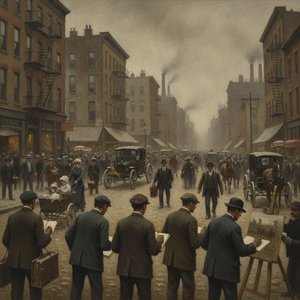
The Vibrant Pulse of Urban Surrealism
Christian Espiritu, a Filipino visual artist hailing from Parañaque City, has emerged as a prominent figure in contemporary urban art, captivating audiences worldwide with his distinctive blend of surrealism and nostalgia. Born in 1981, Espiritu’s artistic journey began amidst the skateboarding culture of his youth—an influence that profoundly shapes his thematic concerns and stylistic approach. This connection to skateboarding is far more than a biographical detail; it embodies a broader fascination with movement, disruption, and the questioning of established norms, elements that remain consistently present throughout his entire oeuvre.
His work transcends conventional categorization, firmly rooted in the raw energy of street art yet imbued with sophisticated artistic sensibilities. Espiritu’s canvases—often manifesting as monumental murals—tackle complex subjects with an unflinching gaze, confronting viewers with jarring juxtapositions of imagery and emotion. He skillfully employs layering techniques, incorporating rich textures and vibrant colors to create immersive experiences that resonate deeply with the human psyche. Through his lens, the urban landscape becomes a stage for exploring the fragmented nature of modern existence.
Symbolism and the Language of Fragmentation
In the heart of Espiritu’s creative output lies a profound exploration of memory and identity. His pieces frequently explore themes of displacement and the anxieties inherent in navigating a rapidly changing world. Recurring motifs within his work include:
- Fragmented figures: Representing the fractured nature of selfhood in a digital age.
- Distorted perspectives: Challenging the viewer's perception of reality and stability.
- Symbolic representations of loss: Evoking a sense of nostalgia for what has been left behind.
This stylistic commitment is most evident in his Nostalgic Fragmentation Series, where he blends surrealism and pop art to create a captivating exploration of human emotion. By utilizing layered textures, he builds a visual language that speaks to the layers of history and personal experience that define us.
Artistic Lineage and the Spirit of Rebellion
Espiritu’s artistic vision is deeply informed by the masters of surrealism and art brut. Influenced by artists such as René Magritte and Jean Dubuffet, he prioritizes raw emotion and spontaneous expression over polished, traditional aesthetics. He rejects the sterile perfection of academic art in favor of a visceral immediacy that captures the true essence of the human experience.
This commitment to authenticity aligns perfectly with the ethos of street art itself—an inherently rebellious medium dedicated to disseminating ideas and confronting societal injustices. His work serves as a bridge between the grit of the streets and the profound depths of psychological inquiry, securing his reputation as an artist who does not merely decorate walls, but decodes the very absurdity of our modern condition.
질의응답
Christian Espiritu은(는) 어느 시대에 활동했나요?
Christian Espiritu은(는) Contemporary 시대에 활동했습니다. 이 시기는 역사적 맥락에서 작가의 활동 위치를 보여줍니다.
특정 매체로 분류된 Christian Espiritu의 모든 작품을 어떻게 찾을 수 있나요?
Christian Espiritu의 작품은 작가 페이지인 모든 매체에서 매체별로 둘러보실 수 있습니다.
Christian Espiritu의 작품은 얼마나 인기가 있나요?
Christian Espiritu의 작품에 관한 통계를 보여주는 통계 페이지가 본 웹사이트에 마련되어 있습니다.