Atelieris — Nemokamas pristatymas visame pasaulyje — Pristatymo laikas – 2–6 savaitės
      John Smart, 1741 – 1811

      43 garsiausių John Smart paveikių reitingas

      Populiariausias John Smart paveikslas yra Sir William Hood (1766), kuris eksponuojamas Metropolitano meno muziejus, Niujorkas. Baron Gustaf Adam von Nolcken (1775) ir Portrait of a Gentleman (1766) yra kitos populiariausios tapetų, kuriuos skaitytojai pažįsta labiausiai. Mūsų kataloge yra 40 darbų autoriaus John Smart: štai 43 garsiausių iš jų – kiekvienas su nurodytu metais, muziejumi ir unikaliu aprašymu.

      Rangos vieta nulegiama pagal mūsų populiarumumo balas, kurį sudaro kiekvieno kūrinio paieškos, apsilankėjimai ir užsakėjimai. Atnaujinta lapkritis 2026. Kiekvieną šioje pusėje esantį paveikslą galite užsisakyti kaip rankų darbą – aliejuje ant lino drobos atspirtį, arba kaip aukščiausios kokybės meninį spausdinį, pagamintą jūsų pasirinktu dydžiu.

      John Smart portretas
      John Smart · 1741 – 1811
      Gedė · mirė
      1741 – 1811, Norfolk
      Judėjimas
      Neoclassicism
      Darbai mūsų kataloge
      40
      Labiausiai žinomi
      Sir William Hood (1766)
      Daugiausia darbų yra
      Yale Center for British Art

      Top 10 John Smart paveikslai: drobės, kurias žino visi

      Sir William Hood (1766) aut. John Smart
      1

      Sir William Hood

      1766 · Ivory · Metropolitano meno muziejus, Niujorkas

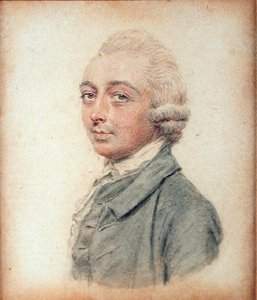
      The portrait titled Sir William Hood is a work by the British artist John Smart. Born in Norfolk, Smart captured this sitter in a moment of quiet, aristocratic poise. The image presents a man of status, his presence defined by the sharp contrast of a white cravat against a deep crimson waistcoat. It is a study of a single life held within a small, oval frame.

      Baron Gustaf Adam von Nolcken (1775) aut. John Smart
      2

      Baron Gustaf Adam von Nolcken

      1775 · Watercolor · Nationalmuseum, Stokholmas

      To hold this miniature is to hold a fragment of the Georgian era, a quiet encounter with Baron Gustaf Adam von Nolcken. Painted in 1775, the portrait captures the Swedish diplomat in a moment of composed dignity. He is presented in a three-quarter view, his gaze steady and his expression carrying the weight of his station. The subject is framed within an oval gold-toned locket, an intimate scale that demands…

      Ranku tapytos aliejaus reprodukcija nuo $178 28 × 36 cm
      Portrait of a Gentleman (1766) aut. John Smart
      3

      Portrait of a Gentleman

      1766 · Watercolor · Yale Center for British Art, New Haven

      is a portrait miniature executed by the British artist John Smart. Dating to 1766, the work captures a single gentleman from the mid-18th century. It represents a period of significant technical development in the art of the miniature, focusing on the intimate scale of the individual subject.

      Ranku tapytos aliejaus reprodukcija nuo $178 26 × 39 cm
      Portrait of an Elderly Lady (1767) aut. John Smart
      4

      Portrait of an Elderly Lady

      1767 · Gouache · Yale Center for British Art, New Haven

      In the Portrait of an Elderly Lady by John Smart, the subject is captured in a centered, bust-length view within a delicate oval format. The perspective is a direct, eye-level gaze that invites a sense of closeness. She sits against a neutral, olive-toned background, a quiet space that allows her presence to remain the singular focus. Her expression is serene and slightly pleasant, carrying a weight of quiet wisdom through…

      Ranku tapytos aliejaus reprodukcija nuo $178 27 × 37 cm
      Captain Marriott (1777) aut. John Smart
      5

      Captain Marriott

      1777 · Watercolor · Yale Center for British Art, New Haven

      This 1777 portrait miniature, titled Captain Marriott, presents an intimate oval-shaped bust-length depiction of a young man in profile. Facing left, the subject is rendered with a calm and dignified expression that conveys a sense of quiet nobility or military poise. The composition is characterized by a vibrant, saturated red coat that stands in sharp contrast to the crisp white of his cravat and powdered hair. A soft, neutral greyish-brown…

      Ranku tapytos aliejaus reprodukcija nuo $178 25 × 40 cm
      Portrait of a Gentleman (1773) aut. John Smart
      6

      Portrait of a Gentleman

      1773 · Watercolor · Yale Center for British Art, New Haven

      To hold this miniature is to encounter a moment of poised dignity from 1773. The subject, a young man captured in a three-quarter view, gazes out with a calm expression that suggests a life of composure. He is framed within an oval composition, a choice that focuses the viewer entirely on the subtle nuances of his features and the texture of his attire. There is an immediate sense of presence…

      Ranku tapytos aliejaus reprodukcija nuo $178 27 × 37 cm
      Robert, first Baron Clive of Plassey (1776) aut. John Smart
      7

      Robert, first Baron Clive of Plassey

      1776 · Gouache · Yale Center for British Art, New Haven

      This portrait of Robert, first Baron Clive of Plassey, was executed by the artist John Smart in 1776. The work presents the subject as a middle-aged man positioned in a bust-length view. He is depicted wearing military attire, which includes a red jacket with deep blue lapels. Gold embroidery adorns the edges of the lapels. A white cravat and a powdered wig frame the face of the subject.

      Ranku tapytos aliejaus reprodukcija nuo $178 26 × 38 cm

      Daugiau mokslas John Smart plėstinių, nuo 11 iki 43

      Daugiausiai paveikęs John Smart

      Ketverios dažniausiai pasitaikančios šių plėstinių temos, kiekvienos su geriausiu pavyzdžiu.

      Kur kabinami John Smart plėtoiniai

      4 muziejai, kuriuose saugoma daugiausia šioje pusėje esamų paveikslų.

      Muzejaus Miestas John Smart darbai Šiojo sąrašo paveikslai
      Yale Center for British Art, New HavenYale Center for British Art New Haven 10 Portrait of a Gentleman, Portrait of an Elderly Lady, Captain Marriott
      Nationalmuseum, StokholmasNationalmuseum Stokholmas 8 Baron Gustaf Adam von Nolcken, John Smart Junior, the artists son, Lady Deering
      Cleveland Museum of Art, KlevlandasCleveland Museum of Art Klevlandas 5 Portrait of Constantine Phipps, Portrait of Mrs. Nathaniel Bailey, née Lamack, Portrait of an Officer
      Metropolitano meno muziejus, NiujorkasMetropolitano meno muziejus Niujorkas 4 Sir William Hood, Mrs. Comyns, Mrs. Caroline Deas

      populiariausias John Smart plėtendinių kiekvieno dešimtoletio paveikslas

      1. 1760s
        Sir William Hood (1766) aut. John Smart
        1 vieta iš 43

        Sir William Hood

        Amžius 19 – 28 · Metropolitano meno muziejus

        The portrait titled Sir William Hood is a work by the British artist John Smart. Born in Norfolk, Smart captured this sitter in a moment of quiet, aristocratic…

      2. 1770s
        Baron Gustaf Adam von Nolcken (1775) aut. John Smart
        2 vieta iš 43

        Baron Gustaf Adam von Nolcken

        Amžius 29 – 38 · Nationalmuseum

        To hold this miniature is to hold a fragment of the Georgian era, a quiet encounter with Baron Gustaf Adam von Nolcken. Painted in 1775, the portrait captures…

      3. 1780s
      4. 1790s

      Apie John Smart plėminus: atsakimai į jūsų klausimus

      Koks yra žymiausias John Smart paveikslas?Perskaitykite atsakymą

      Sir William Hood (1766), Metropolitano meno muziejus, Niujorkas. Sekia Baron Gustaf Adam von Nolcken (1775) ir Portrait of a Gentleman (1766).

      Kokia buvo John Smart amžius, kai buvo nupieštas Sir William Hood?Perskaitykite atsakymą

      John Smart, gimęs 1741, buvo 25 metų amžiaus: Sir William Hood datuojamas 1766 m.

      Kokie yra 10 garsiausių John Smart paveikslų?Perskaitykite atsakymą

      Sir William Hood, Baron Gustaf Adam von Nolcken, Portrait of a Gentleman, Portrait of an Elderly Lady, Captain Marriott, Portrait of a Gentleman, Robert, first Baron Clive of Plassey, John Smart Junior, the artists son, Portrait of Constantine Phipps ir Portrait of a Lady. Kiekvienas viršuje esančiame reitinge nurodytas platinas yra su nurodyta gamybos metų ir muziejaus informacija.

      Kiek viso paveikslų nupiešė John Smart?Perskaitykite atsakymą

      Mūsų kataloge yra 40 John Smart darbų, datuoti nuo 1760 iki 1799.

      Kur galiu pamatyti garsiausius John Smart plėtojusius paveikslius?Perskaitykite atsakymą

      Daugiausia – Yale Center for British Art (New Haven), Nationalmuseum (Stokholmas) ir Cleveland Museum of Art (Klevlandas); viršuje esančiame sąraše nurodytas kiekvienas muziejus ir jo plėtojimo darbai.

      Kada John Smart nupiešė savo populiariausius paveikslius?Perskaitykite atsakymą

      1770s laikotarpiu, kurio metu buvo pateikta 9 iš 43 šioje pusėje esančių darbų, tarp jų buvo Baron Gustaf Adam von Nolcken.

      Kokie yra ankstyviausi ir vėliausi garsieji John Smart paveikslai?Perskaitykite atsakymą

      Čia esamasis plėslas yra Mrs. Comyns (1760), o vėliausias – Portrait of Lieutenant General Daniel Burr (1799).

      Ką dažniausiai tapė John Smart?Perskaitykite atsakymą

      Man (6), White cravat (4) ir Red coat (3) iš 43 šioje pusėje esamų darbų.

      Kurią techniką John Smart naudojo dažniausiai?Perskaitykite atsakymą

      Watercolor, naudojamas 4 iš 43 šioje pusėje esančių darbų.

      Kelią meno kryptį priklauso John Smart paveikslas?Perskaitykite atsakymą

      Neoclassicism, kaip tai rodo šio puslapio plėtočiai.

      Kurių John Smart plėtojos rodomos Yale Center for British Art?Perskaitykite atsakymą

      Yale Center for British Art, New Haven kolekcijoje yra 10 šioje pusėje esančių veikalų, iš jų – Portrait of a Gentleman, Portrait of an Elderly Lady ir Captain Marriott.

      Ar galiu įsigyti John Smart plėtoje reprodukciją?Perskaitykite atsakymą

      Taip. Kiekvieną šioje pusėje esantį paveikslą galite užsakyti iš jo individualios puslapio versijos kaip ranku dažytą aliejinį reprodukciją arba kaip aukščiausios kokybės spausdinį pasirinktuoju dydžiu.

      John Smart: gyvenimas spalvomis

      A Legacy in Miniature

      In the delicate, luminous world of eighteenth-century British portraiture, few names evoke the same sense of intimate precision as John Smart. A master of the miniature, Smart possessed the rare ability to compress the grandeur of the Georgian era into tiny, ivory canvases that felt as vast and profound as the souls they depicted. While his physical works were small enough to be held in the palm of a hand, the impact of his artistry was monumental, bridging the gap between the formal rigidity of classical portraiture and the burgeoning emotional depth of the Romantic movement.

      Born in Norfolk, United Kingdom, Smart’s early life remains somewhat shrouded in the soft mists of history, yet the traces of his development reveal an artist deeply connected to the pulse of English art. His talent was evident from a young age; in 1755, he was recorded as a runner-up in a drawing competition for under-fourteens held by the Society for the Encouragement of Arts, Manufactures and Commerce. This early recognition led him to London, where he attended the drawing school of William Shipley alongside other notable contemporaries like Richard Cosway.

      Technical Mastery and the Luminous Glow

      To gaze upon a true John Smart miniature is to witness a masterclass in light and texture. His technique was nothing short of alchemy, often employing the grisaille method—a sophisticated process where a monochrome underpainting establishes the foundational shadows and structural tones. Upon this skeletal framework, he applied incredibly thin, translucent glazes of color. This layering allowed light to pass through the pigment and reflect off the white ivory base, creating an ethereal, inner glow that seemed to emanate from within the subject itself.

      Unlike some of his contemporaries, such as Cosway, whose work often leaned toward a more flamboyant style, Smart’s approach was characterized by a quiet, grey-toned palette and subtle flesh tints. He possessed a profound knowledge of anatomy, ensuring that his portraits were drawn with greater anatomical accuracy than almost any other miniature painter of his era. His ability to use fine white lines over loose brushstrokes to suggest individual hairs or the delicate stippling of a face provided a degree of warmth and depth that was truly unique.

      A Journey Through Art and Empire

      Smart’s career was marked by both professional leadership and geographical exploration. He exhibited at the Society of Artists in London from 1762 onwards, eventually ascending to the position of president in 1778. His reach extended far beyond the borders of England; in 1788, he traveled to India, where he was based in Madras. During this period, he obtained numerous commissions, creating works that captured the essence of his subjects even while far from his London roots.

      The historical significance of his work is preserved through remarkable collections, such as the Starr collection at the Nelson-Atkins Museum of Art, which includes a signed and dated miniature for nearly every year of his career. This chronological record allows scholars to witness the full progression of his style and the changing fashions of the period. Through his meticulous dedication to the art of the miniature, John Smart left behind a window into human truth, capturing the quiet, psychological nuances of the Georgian age.