Atelieris — Nemokamas pristatymas visame pasaulyje — Pristatymo laikas – 2–6 savaitės
      Robert Brough, 1872 – 1905

      33 garsiausių Robert Brough paveikslų

      The Artist at Seventeen Years of Age (1889) – tai tapinys, dėl kurio labiausiai žinomas Robert Brough. Monsignor Charles Tochetti (1897) ir Sir James Murray (1850–1933) (1903) užbaia labiausiai mylimų plėtojamų paveikslų trio. Mūsų kataloge yra 44 darbų autoriaus Robert Brough. Štai 33 garsiausiųjų: su metais, muziejumi ir kiekvieno płatinio pasakojimu.

      Rangos vieta nulegiama pagal mūsų populiarumumo balas, kurį sudaro kiekvieno kūrinio paieškos, apsilankėjimai ir užsakėjimai. Atnaujinta lapkritis 2026. Kiekvieną šioje pusėje esantį paveikslą galite užsisakyti kaip rankų darbą – aliejuje ant lino drobos atspirtį, arba kaip aukščiausios kokybės meninį spausdinį, pagamintą jūsų pasirinktu dydžiu.

      Robert Brough portretas
      Robert Brough · 1872 – 1905
      Gedė · mirė
      1872 – 1905, Invergordon
      Darbai mūsų kataloge
      44
      Labiausiai žinomi
      The Artist at Seventeen Years of Age (1889)
      Daugiausia darbų yra
      Edinburgh College of Art

      Dešimties mėgstamiausių Robert Brough paveikslų

      The Artist at Seventeen Years of Age (1889) aut. Robert Brough
      1

      The Artist at Seventeen Years of Age

      1889 · Oil On Canvas

      In this 1889 oil on canvas, we find a young Robert Brough looking back at himself. It is a close-up, bust-length portrait that captures the artist at seventeen, a period of profound transition. The grayscale tones and muted palette lend the work a certain melancholy, as if we are witnessing a private thought caught in mid-air. There is a stillness here, a sense of a soul contemplating its own direction…

      Ranku tapytos aliejaus reprodukcija nuo $178 28 × 36 cm
      Monsignor Charles Tochetti (1897) aut. Robert Brough
      2

      Monsignor Charles Tochetti

      1897 · Oil On Canvas

      In this 1897 portrait, we find ourselves in a quiet, intimate encounter with Monsignor Charles Tochetti. The subject is presented in a close-up, three-quarter view, his presence filling the frame with a sense of settled dignity. There is a profound stillness here, a moment captured where the light catches the deep lines of a life lived with purpose. The background remains dark and indistinct, a deliberate choice that pushes the…

      Ranku tapytos aliejaus reprodukcija nuo $178 28 × 36 cm Pusė kaip originalo $303 63 × 81 cm Užsakyti originalaus dydžio →
      Sir James Murray (1850–1933) (1903) aut. Robert Brough
      3

      Sir James Murray (1850–1933)

      1903 · Oil On Canvas

      The portrait of Sir James Murray, executed in 1903, presents a formal study of the subject in a monochromatic palette. He is positioned slightly to the left of the center, facing forward with a direct gaze directed toward the viewer. The figure is dressed in a dark suit, which provides a solid, structured silhouette against the background. A doorway is visible behind him on the right, creating a receding plane…

      Ranku tapytos aliejaus reprodukcija nuo $178 24 × 41 cm Pusė kaip originalo $525 86 × 145 cm Užsakyti originalaus dydžio →
      Mrs Nicol of Roscobie (1905) aut. Robert Brough
      4

      Mrs Nicol of Roscobie

      1905 · Oil On Canvas

      A seated woman occupies the center of this 1897 oil on canvas, her gaze directed toward the viewer from a position of relaxed formality. She sits within an indistinct interior, the background rendered in soft, blended brushstrokes that lack sharp definition. The composition is anchored by the subject's upper body, while elements of her immediate surroundings provide subtle narrative cues:

      Ranku tapytos aliejaus reprodukcija nuo $178 35 × 28 cm Pusė kaip originalo $212 51 × 41 cm Užsakyti originalaus dydžio →

      Robert Brough: plėtojos nuo 11 iki 33 reitingo vietos

      Daugiausiai paveikęs Robert Brough

      Ketverios dažniausiai pasitaikančios šių plėstinių temos, kiekvienos su geriausiu pavyzdžiu.

      Kur kabinami Robert Brough plėtoiniai

      7 muziejai, kuriuose saugoma daugiausia šioje pusėje esamų paveikslų.

      Muzejaus Miestas Robert Brough darbai Šiojo sąrašo paveikslai
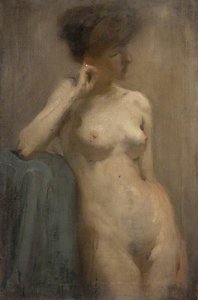
      Edinburgh College of Art, EdinburgasEdinburgh College of Art Edinburgas 2 Female Nude with Brass Urn, Nude Study Female
      University of Aberdeen, AmsterdamUniversity of Aberdeen Amsterdam 1 John Thomson
      Škotijos Nacionalinė galerija, EdinburgasŠkotijos Nacionalinė galerija Edinburgas 1 William Dallas Ross (d.1931)
      West Lothian Council, LivingstonWest Lothian Council Livingston 1 John Adrian Louis (1860–1908), 7th Earl of Hopetoun and 1st Marquis of Linlithgow
      Mintlaw Discovery Centre, PeterheadMintlaw Discovery Centre Peterhead 1 Reverend Dr James Stewart (1830–1917), Minister of Peterhead (1864–1917) (unfinished)
      Dundee Art Gallery And Museum, DundeeDundee Art Gallery And Museum Dundee 1 Mary Dallas Ross
      The Fleming Collection, LondonThe Fleming Collection London 1 Fieldworkers

      enkliausias Robert Brough paveikslas, dešimtmetį po dešimties

      1. 1880s
        The Artist at Seventeen Years of Age (1889) aut. Robert Brough
        1 iš 33

        The Artist at Seventeen Years of Age

        Amžius 8 – 17

        In this 1889 oil on canvas, we find a young Robert Brough looking back at himself. It is a close-up, bust-length portrait that captures the artist at seventeen,…

      2. 1890s
        Monsignor Charles Tochetti (1897) aut. Robert Brough
        2 iš 33

        Monsignor Charles Tochetti

        Amžius 18 – 27

        In this 1897 portrait, we find ourselves in a quiet, intimate encounter with Monsignor Charles Tochetti. The subject is presented in a close-up, three-quarter view, his presence filling…

      3. 1900s
        Sir James Murray (1850–1933) (1903) aut. Robert Brough
        3 iš 33

        Sir James Murray (1850–1933)

        Amžius 28 – 33

        The portrait of Sir James Murray, executed in 1903, presents a formal study of the subject in a monochromatic palette. He is positioned slightly to the left of…

      Robert Brough drobės, atsakymas į kiekvieną klausimą

      Kuo labiausiai žinomas Robert Brough plėslas?Perskaitykite atsakymą

      The Artist at Seventeen Years of Age (1889), o po to – Monsignor Charles Tochetti (1897) ir Sir James Murray (1850–1933) (1903).

      The Artist at Seventeen Years of Age: kiek metų buvo Robert Brough, kai šis darbas buvo sukurtas?Perskaitykite atsakymą

      Robert Brough, gimęs 1872, buvo 17 metų amžiaus: The Artist at Seventeen Years of Age datuojamas 1889 m.

      Kokie yra 10 garsiausių mokslų Robert Brough paveikslų?Perskaitykite atsakymą

      The Artist at Seventeen Years of Age, Monsignor Charles Tochetti, Sir James Murray (1850–1933), Mrs Nicol of Roscobie, John Hay, Untitled, Dolce pomum, Mary Dallas Ross (c.1881–1936), Female Nude with Brass Urn ir View of Elgin, Moray. Kiekvienas viršuje esančiame reitinge nurodytas platinas yra su nurodyta gamybos metų ir muziejaus informacija.

      Kiek paveikslų sukūrė Robert Brough?Perskaitykite atsakymą

      Mūsų kataloge yra 44 Robert Brough darbų, datuoti nuo 1889 iki 1905.

      Kur šiandien eksponuojami garsiausi Robert Brough plėtoiniai?Perskaitykite atsakymą

      Daugiausia – Edinburgh College of Art (Edinburgas), University of Aberdeen (Amsterdam) ir Škotijos Nacionalinė galerija (Edinburgas); viršuje esančiame sąraše nurodytas kiekvienas muziejus ir jo plėtojimo darbai.

      Kada Robert Brough namai dažniausiai tapo savo garsiausiais paveiksliais?Perskaitykite atsakymą

      1890s laikotarpiu, kurio metu buvo pateikta 17 iš 33 šioje pusėje esančių darbų, tarp jų buvo Monsignor Charles Tochetti.

      Kuris garsus Robert Brough plėtinis buvo sukurtas pirmiausia, o kuris – paskutinis?Perskaitykite atsakymą

      Čia esamasis plėslas yra The Artist at Seventeen Years of Age (1889), o vėliausias – Mrs Nicol of Roscobie (1905).

      Kurią temą Robert Brough tapė dažniausiai?Perskaitykite atsakymą

      Man (2) ir Portrait (2) iš 33 šioje pusėje esamų darbų.

      Kuri technika dažniausiai pasitaiko Robert Brough paveiksluose?Perskaitykite atsakymą

      Oil On Canvas, naudojamas 4 iš 33 šioje pusėje esančių darbų.

      Kurių Robert Brough paveikslų kolekcijoje turi Edinburgh College of Art?Perskaitykite atsakymą

      Edinburgh College of Art, Edinburgas kolekcijoje yra 2 šioje pusėje esančių veikalų, iš jų – Female Nude with Brass Urn ir Nude Study Female.

      Kur galiu įsigyti Robert Brough paveikslą-reprodukciją?Perskaitykite atsakymą

      Taip. Kiekvieną šioje pusėje esantį paveikslą galite užsakyti iš jo individualios puslapio versijos kaip ranku dažytą aliejinį reprodukciją arba kaip aukščiausios kokybės spausdinį pasirinktuoju dydžiu.

      Susipažinkite su paveikslastoviu: Robert Brough

      The Luminous Legacy of Robert Brough

      In the annals of Scottish art history, few names evoke such a poignant sense of fleeting brilliance as Robert Brough. A painter whose life was tragically brief, spanning only from 1872 to 1905, Brough managed to capture the very essence of Victorian Aberdeen with a sensitivity that transcended the rigid academicism of his era. Born near Invergordon in the rugged beauty of Ross and Cromarty, he carried within him a vision that sought to bridge the gap between the venerable traditions of his homeland and the burgeoning modernism sweeping through Europe. His work remains a testament to a soul caught between the structured dignity of the past and the vibrant, emotive possibilities of the future.

      Brough’s artistic journey was deeply rooted in the soil of Scottish tradition, yet it was never confined by it. His formal training at the Glasgow School of Art provided him with a formidable technical foundation, most notably through his studies under the influence of the legendary portraitist Henry Raeburn. From this encounter, Brough inherited a profound respect for the psychological depth of his subjects and a mastery of capturing authentic human emotion. However, where his predecessors might have sought a static perfection, Brough pursued something far more elusive: the atmospheric mood. He looked toward the Parisian avant-garde, absorbing the light-drenched lessons of Impressionism and the dreamlike enigmas of Symbolism, weaving these international influences into the fabric of his Scottish sensibilities.

      A Symphony of Color and Emotion

      As Brough established himself within the artistic circles of Aberdeen, his style underwent a remarkable evolution, moving away from mere representation toward a more expressive, visceral language. He became a master of color, utilizing a palette that could shift from somber, muted tones to sudden, breathtaking bursts of luminosity. His canvases were not merely depictions of people or scenes; they were vessels for feeling. In his portraits, one finds an intimate connection with the sitter, achieved through delicate brushstrokes and a sophisticated use of light that seems to pulse with life.

      This mastery is perhaps most evident in his celebrated works, where the boundaries between reality and imagination begin to blur:

      • Dolly Crombie (1896): A stunning oil on canvas that exemplifies his ability to create intimacy. Through a careful arrangement of flowers and soft light, Brough captures a moment of quiet reflection, drawing the viewer into a private, serene world.
      • Fantaisie en Folie (1897): A piece that showcases his imaginative depth, where symbolism and composition invite the observer to ponder the deeper, perhaps more whimsical, meanings hidden within the domestic scene.
      • John Hay (1871): A poignant study of age and character, demonstrating his skill in using expressive realism to convey the dignity of the human experience.

      Historical Significance and Enduring Spirit

      Though his career was cut short by his untimely death at the age of thirty-two, Robert Brough left behind an oeuvre that continues to resonate with a singular, haunting beauty. He was an artist who refused to be stagnant, constantly experimenting with the interplay of light and shadow to express the inner complexities of his subjects. His ability to blend the formal requirements of portraiture with the emotive freedom of modern movement allowed him to document Victorian society not just as it appeared, but as it felt.

      Today, Brough is remembered not merely as a regional painter, but as a visionary Scot who dared to infuse traditional subjects with a modern, luminous spirit. His works, held in prestigious collections such as Tate Britain, serve as vital links to a transformative period in art history. To look upon a Brough painting is to witness the struggle and the triumph of an artist striving to capture the ephemeral—the fleeting light, the passing emotion, and the enduring soul of a changing world.