Atelieris — Nemokamas pristatymas visame pasaulyje — Pristatymo laikas – 2–6 savaitės
      Berthe Morisot, 1841 – 1895

      Berthe Morisot: The 100 Best-Known Paintings

      Of all Berthe Morisot's paintings, Karalius (1872) is the most famous; it hangs in the Musée d'Orsay, Paris. Close behind come Ružės Sodo Kampelis (1885) and Thatched Cottage in Normandy (1865). Among the 361 works by Berthe Morisot in our catalogue, these 100 are the most celebrated, each shown with its date, its museum and its story.

      Rangos vieta nulegiama pagal mūsų populiarumumo balas, kurį sudaro kiekvieno kūrinio paieškos, apsilankėjimai ir užsakėjimai. Atnaujinta spalis 2026. Each painting on this page can be ordered as an oil reproduction painted by hand on linen canvas, or as a fine art print, made to the size you choose.

      Berthe Morisot portretas
      Berthe Morisot · 1841 – 1895
      Gedė · mirė
      1841 – 1895, Buržas
      Judėjimas
      Impressionism
      Darbai mūsų kataloge
      361
      Labiausiai žinomi
      Karalius (1872)
      Daugiausia darbų yra
      Musée Marmottan Monet

      Berthe Morisot's 10 most celebrated paintings

      Karalius (1872) aut. Berthe Morisot
      1

      Karalius

      1872 · Aliejus ant drobės · Musée d'Orsay, Paris

      Švelnumo ir Motinystės Simfonija: Berthe Morisot „Vežimėlis“ Berthe Morisot drobė pavadinta „Vežimėlis“ (pranc. *Le Berceau*) – tai neatsiejamas Prancūzijos impresionizmo palikimo dalis, atspindintis intymumo ir šeimos šilumos momentą. Sukurta 1872 metais, ši drobė kviečia žvelgti į motinystės esmę, užfiksuotą subtiliausiais dažymo bruožais ir šviesos žaismu. Šis kūrinys nėra tik vaizdas; tai emocijų simfonija, kuri sukelia gilų atgarsį kiekvieno žiūrovo sieloje. Drobėje pavaizduota motina, atsistojusi šalia vežimėlio, kuriame ramiai ilsisi jos…

      Ružės Sodo Kampelis (1885) aut. Berthe Morisot
      2

      Ružės Sodo Kampelis

      1885 · Aliejus ant drobės

      Berte Moriso drobė „Rožių sodas“ – tai ne tik vaizdas, bet ir kvietimas į tylią kontempliaciją, į akimirką, sustingusią amžinybėje. Šis 1885 m. sukurtas kūrinys atskleidžia impresionistės meistriškumą užčiuopiant natūros švelnumą ir suglobdyti ją ant drobės. Žiūrovas tarsi pasineria į sodą, kur rožės žiedais džiugina akis, o šviesos ir šešėlių žaismas sukuria nepakartojamą atmosferą.

      Thatched Cottage in Normandy (1865) aut. Berthe Morisot
      3

      Thatched Cottage in Normandy

      1865 · Oil On Canvas

      To stand before Berthe Morisot’s depiction of a Thatched Cottage in Normandy is to step through a veil and into the gentle embrace of a bygone French afternoon. This painting, executed in 1865, is far more than a mere record of rural architecture; it is an immersion into the very spirit of life lived at the rhythm of the seasons. Morisot captures that quintessential joie de vivre found in the…

      Study, The Water's Edge (1864) aut. Berthe Morisot
      4

      Study, The Water's Edge

      1864 · Oil On Canvas

      Berthe Morisot’s “Study, The Water’s Edge,” painted in 1864, is more than just a depiction of a serene lakeside scene; it’s an intimate glimpse into the heart of Impressionism. This small canvas – measuring 60 x 73 cm – vibrates with a delicate energy, capturing not just what Morisot saw but also the fleeting emotions and sensations of that particular moment. The painting immediately draws the viewer in with its…

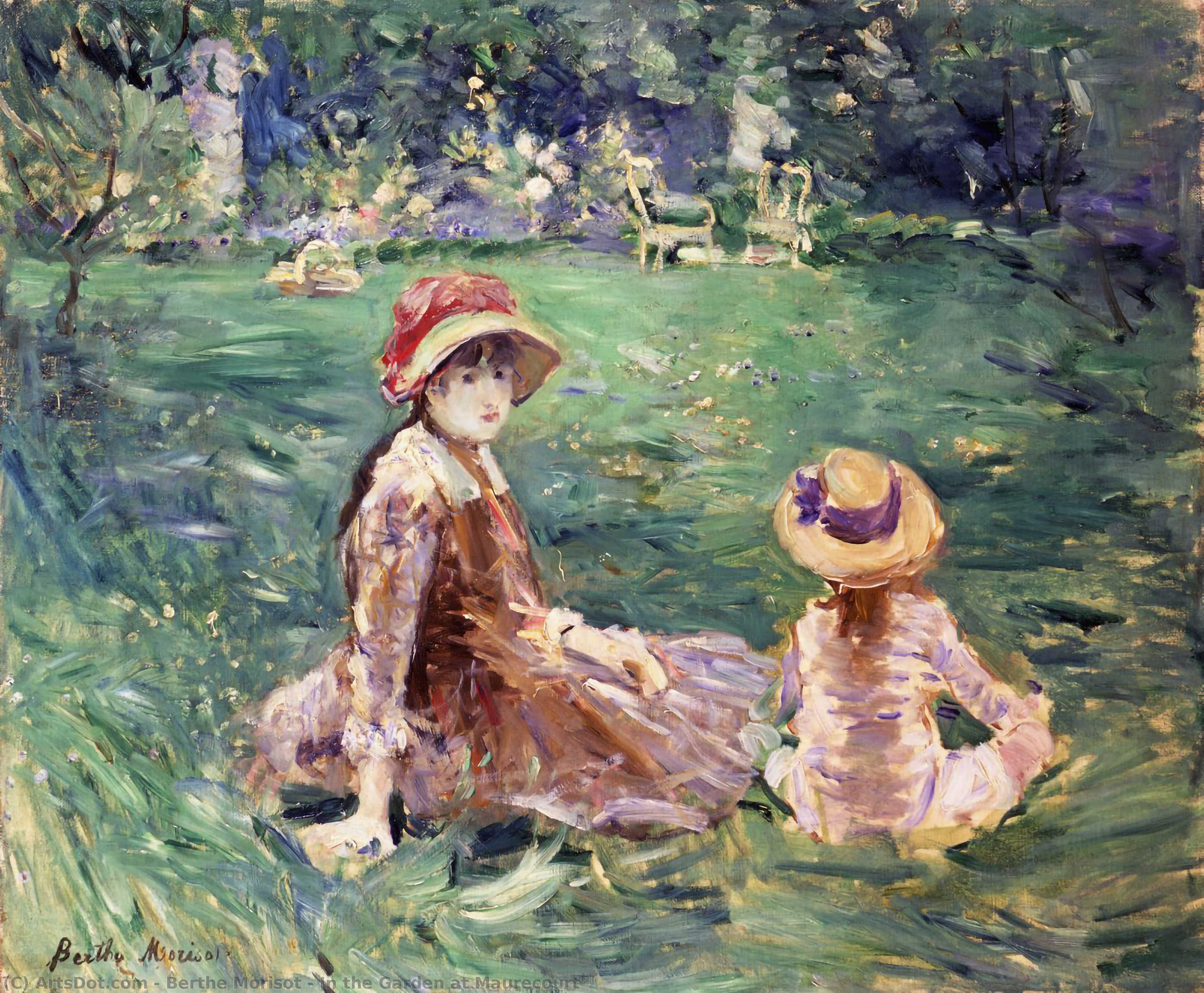
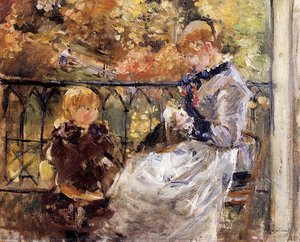
      In the Garden at Maurecourt (1884) aut. Berthe Morisot
      5

      In the Garden at Maurecourt

      1884 · Oil On Canvas · Toledo meno muziejus, Toledo

      In the soft, dappled sunlight of a French afternoon, Berthe Morisot’s “In the Garden at Maurecourt” invites the viewer into a sanctuary of profound stillness. Completed in 1884, this masterpiece serves as a window into the Belle Époque, capturing a moment that feels both fleeting and eternal. The scene unfolds within a lush, verdant garden—likely the Morisot estate near Maurecourt—where two young figures, including the artist’s daughter Julie, are nestled…

      Portrait of Edma (1870) aut. Berthe Morisot
      6

      Portrait of Edma

      1870 · Oil On Canvas · Courtauld Gallery, Londonas

      In the soft, flickering light of a Parisian afternoon, Berthe Morisot captures more than just a likeness in her 1871 masterpiece, Portrait of Edma. This painting serves as a profound window into the intimate domesticity that defined much of the Impressionist movement’s early explorations. The subject, Edma Pontillon—Morisot’s own sister-in-law—is not presented with the stiff, formal grandeur typical of academic portraiture. Instead, she is nestled within a private, quiet moment,…

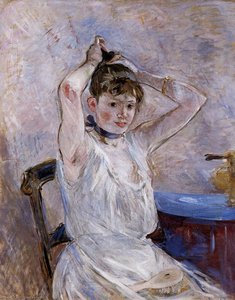
      The Bath (1886) aut. Berthe Morisot
      7

      The Bath

      1886 · Oil On Canvas

      To stand before Berthe Morisot’s The Bath is to step into a moment suspended in time—a breath held within the soft glow of an afternoon indoors. This painting, executed in 1886, transcends a mere depiction of daily routine; it captures the very essence of private contemplation. The scene unfolds with remarkable delicacy: a woman seated amidst the quiet rituals of self-care, brushing her hair. Morisot does not merely record what…

      The Quay at Bougival (1883) aut. Berthe Morisot
      8

      The Quay at Bougival

      1883 · Oil On Canvas · Nasjonalgalleriet, Oslo

      To gaze upon Berthe Morisot’s “The Quay at Bougival” is to step through a portal into the heart of French Impressionism, where the boundaries between reality and perception begin to dissolve. Completed in 1883, this exquisite oil on canvas serves as much more than a mere landscape; it is a rhythmic, breathing snapshot of life along the Seine. The scene captures the bustling waterfront of Bougival, a serene suburb of…

      Daffodils (1885) aut. Berthe Morisot
      9

      Daffodils

      1885 · Oil On Canvas

      To stand before Berthe Morisot’s Daffodils is not merely to observe a still life; it is to step directly into a sun-drenched, breathlessly beautiful moment captured by the brush. Painted in 1885, this work radiates the delicate spirit of Impressionism, inviting the viewer into an intimate contemplation of nature’s cyclical promise. The composition centers on a simple arrangement: vibrant yellow daffodils gathered within a vase accented with cool blue hues,…

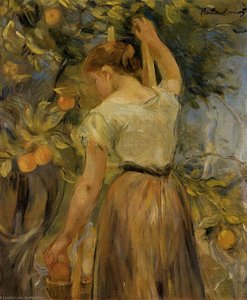
      Young Woman Picking Oranges (1889) aut. Berthe Morisot
      10

      Young Woman Picking Oranges

      1889 · Oil On Canvas

      To stand before Berthe Morisot's Young Woman Picking Oranges is to step directly into a sun-dappled moment suspended in time. This exquisite oil on canvas, dating from 1889, is not merely a depiction of an afternoon chore; it is a lyrical meditation on leisure, femininity, and the very nature of light itself. Morisot, a central figure whose genius blossomed within the vibrant currents of Impressionism, captures life with an almost…

      Berthe Morisot paintings ranked 11 to 100

      The Garden at Bougival (1884) aut. Berthe Morisot
      #11

      The Garden at Bougival

      1884 · Musée Marmottan Monet

      Berthe Morisot’s “The Garden at Bougival,” painted in 1884, is more than just a depiction of a sun-drenched garden; it's an intimate glimpse into the heart of the…

      Bring this light home →
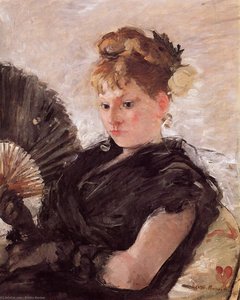
      Woman in Black (1878) aut. Berthe Morisot
      #12

      Woman in Black

      1878 · National Gallery of Ireland

      To stand before Berthe Morisot's Woman in Black is to step directly into the luminous, fleeting moments of late nineteenth-century Parisian life. This portrait, painted in 1878, transcends…

      Have it painted by hand →
      Little Dancer (1885) aut. Berthe Morisot
      #14

      Little Dancer

      1885

      To stand before Berthe Morisot's Little Dancer is not merely to observe a painting; it is to step into a suspended moment of quiet contemplation. This exquisite oil…

      Order this canvas →
      Roses (1894) aut. Berthe Morisot
      #15

      Roses

      1894

      In this 1894 oil on canvas, Berthe Morisot presents us with Roses, a quiet study within the flower painting genre. This work emerged during a period when the…

      Have it painted by hand →
      Mother and Sister of the Artist (1869) aut. Berthe Morisot
      #17

      Mother and Sister of the Artist

      1869 · National Gallery of Art

      In the quiet corners of art history, few works capture the ephemeral beauty of domestic life as tenderly as Berthe Morisot’s 1869 masterpiece, "Mother and Sister of the…

      Order this canvas →
      Young Girl with Basket (1892) aut. Berthe Morisot
      #18

      Young Girl with Basket

      1892 · Philadelphia Museum of Art

      In this 1892 oil on canvas, we find ourselves in a private, intimate space, observing a young girl seated in a wicker chair. She is captured in profile,…

      Have it painted by hand →
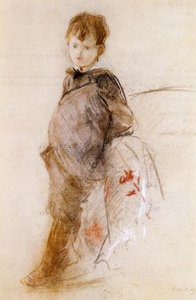
      Portrait of a Child (1894) aut. Berthe Morisot
      #19

      Portrait of a Child

      1894 · Philadelphia Museum of Art

      A Luminous Encounter with Innocence Portrait of a Child unfolds in a soft, golden glow that seems to emanate from within the canvas itself. A young subject sits…

      Have it painted by hand →
      Young Girl with Hat (1891) aut. Berthe Morisot
      #23

      Young Girl with Hat

      1891 · Art Institute of Chicago

      A young girl is captured in a moment of quietude, her form emerging from a dark, indistinct background. She is positioned slightly off-center, viewed from the waist up…

      Order this canvas →
      The Port of Nice (1882) aut. Berthe Morisot
      #33

      The Port of Nice

      1882

      Painted during a pivotal moment in art history, “The Port of Nice” reflects the burgeoning Impressionist movement’s challenge to traditional academic painting. Berthe Morisot, alongside artists like Monet…

      Have it painted by hand →
      Port of Gorey (1886) aut. Berthe Morisot
      #34

      Port of Gorey

      1886

      The Port of Gorey is a stunning oil on canvas painting by the renowned French artist Berthe Morisot, created in 1886. This beautiful representation of the ocean, measuring…

      Bring this light home →
      Šaukštas pienelio (1890) aut. Berthe Morisot
      #35

      Šaukštas pienelio

      1890

      Berthe Morisot: Šviečių Ir Tikrojo Žvilgsnio Į Namų Gyvenimą Štai „Puodelis pienelio“ – Berthe Morisot darbą, kuriame įvyko šlovingas impresionistinis meno pasaulis. Šį 1890 metų aliejaus dažais ant…

      Have it painted by hand →
      A Woman and Child in a Garden (1884) aut. Berthe Morisot
      #58

      A Woman and Child in a Garden

      1884 · Škotijos Nacionalinė galerija

      Berthe Morisot's "A Woman and Child in a Garden," painted between 1883 and 1884, isn’t merely a depiction of a domestic scene; it’s a carefully constructed tableau brimming…

      Have it painted by hand →
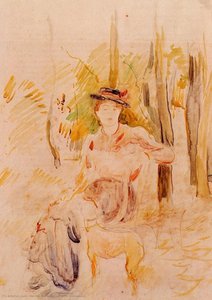
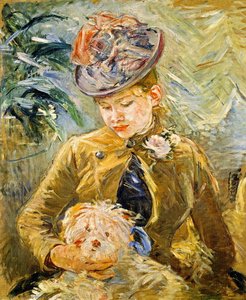
      Girl with a Dog (1887) aut. Berthe Morisot
      #65

      Girl with a Dog

      1887

      Berthe Morisot's "Girl with a Dog," painted in 1887, is a captivating portrait that showcases her unique style and skill as an artist. This oil on canvas painting…

      Have it painted by hand →
      Hide and Seek (1873) aut. Berthe Morisot
      #68

      Hide and Seek

      1873

      “Hide and Seek” is an oil on canvas painting created by Berthe Morisot in 1873, showcasing a beautiful depiction of everyday life in the 19th century. This artwork…

      Have it painted by hand →
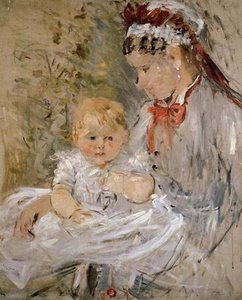
      Julie with Her Nurse (1880) aut. Berthe Morisot
      #75

      Julie with Her Nurse

      1880 · Ny Carlsberg Glyptotek

      Berthe Morisot's Julie with Her Nurse, painted in 1880, is more than just a portrait; it’s a tender exploration of motherhood and domestic life within the burgeoning Impressionist…

      Have it painted by hand →
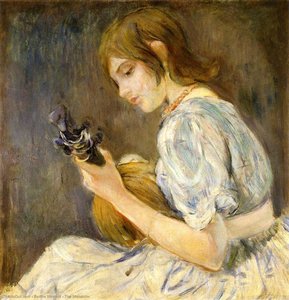
      The Mandolin (1889) aut. Berthe Morisot
      #78

      The Mandolin

      1889

      In the delicate brushstrokes of Berthe Morisot’s The Mandolin, we find ourselves transported to a private, melodic moment captured within the fleeting essence of the Impressionist era. The…

      Order this canvas →
      Haying at Mezy (1891) aut. Berthe Morisot
      #79

      Haying at Mezy

      1891

      Berthe Morisot's "Haying at Mezy," painted in 1891, is a captivating example of Impressionist art that transports viewers to the serene landscapes of rural France. This oil on…

      Have it painted by hand →
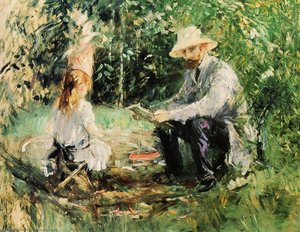
      Julie and Eugene Manet (1883) aut. Berthe Morisot
      #80

      Julie and Eugene Manet

      1883

      To gaze upon Berthe Morisot’s Julie and Eugene Manet is to step directly into the luminous, fleeting moments of late nineteenth-century Parisian life. This oil on canvas, dating…

      Order this canvas →
      Rosbras (Finistere) (1866) aut. Berthe Morisot
      #81

      Rosbras (Finistere)

      1866

      Berthe Morisot was a French painter and one of the leading figures in the Impressionist movement. Her painting, Rosbras (Finistère), created in 1866, is a beautiful representation of…

      Order this canvas →
      Child in the Rose Garden (1881) aut. Berthe Morisot
      #86

      Child in the Rose Garden

      1881 · Wallraf-Richartzas Muziejus

      Berthe Morisot's Child in the Rose Garden, painted in 1881, is a quintessential example of Impressionism, capturing a fleeting moment of childhood innocence within a tranquil garden setting.…

      Have it painted by hand →
      The Basket Chair (1882) aut. Berthe Morisot
      #87

      The Basket Chair

      1882 · Houston meno muziejus

      The Basket Chair is an oil on canvas created by Berthe Morisot. This work emerged in 1882, capturing a quiet moment within the garden. The paint settles upon…

      Have it painted by hand →
      Peasant Girl among Tulips (1890) aut. Berthe Morisot
      #88

      Peasant Girl among Tulips

      1890

      To gaze upon this depiction, Peasant Girl among Tulips, is to step directly into a sun-dappled moment suspended in time. The scene unfolds with an exquisite intimacy, centering…

      Order this canvas →
      Portrait of Jeanne Pontillon (1894) aut. Berthe Morisot
      #89

      Portrait of Jeanne Pontillon

      1894 · Musée d'Art et d'Histoire de Genève

      The Portrait of Jeanne Pontillon is a stunning oil on canvas painting created by the renowned French artist Berthe Morisot in 1894. This beautiful piece of art measures…

      Order this canvas →

      Berthe Morisot's canvases, period by period

      What Berthe Morisot painted most

      The four subjects that return most often on these canvases, each with its best-loved example.

      Where Berthe Morisot's canvases hang

      8 muziejai, kuriuose saugoma daugiausia šioje pusėje esamų paveikslų.

      Muzejaus Miestas Berthe Morisot darbai Šiojo sąrašo paveikslai
      Musée Marmottan Monet, ParyžiusMusée Marmottan Monet Paryžius 15 The Garden at Bougival, On the edge of the lake, In the apple tree
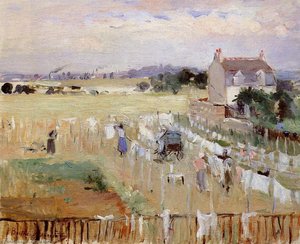
      National Gallery of Art, VašingtonasNational Gallery of Art Vašingtonas 13 Two Sisters on a Couch (also known as The Sisters), Mother and Sister of the Artist, Hanging the Laundry out to Dry
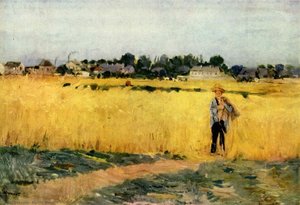
      Musée d'Orsay, ParisMusée d'Orsay Paris 10 Karalius, On a Bench in the Bois de Boulogne, In the Wheatfield at Gennevilliers
      Wallraf-Richartzas Muziejus, KölnWallraf-Richartzas Muziejus Köln 3 Child among the Hollyhocks, Child in the Rose Garden
      Philadelphia Museum of Art, FiladelfijaPhiladelphia Museum of Art Filadelfija 2 Young Girl with Basket, Portrait of a Child
      Houston meno muziejus, HjustonasHouston meno muziejus Hjustonas 2 Young Woman, The Basket Chair
      Yale University Art Gallery, Niū HevenasYale University Art Gallery Niū Hevenas 2 Young Woman and Child, The Harbor at Cherbourg
      Art Institute of Chicago, ČikagosArt Institute of Chicago Čikagos 4 Young Girl with Hat

      Decade by decade: Berthe Morisot's most celebrated canvas

      1. 1860s
        Thatched Cottage in Normandy (1865) aut. Berthe Morisot
        3 of 100

        Thatched Cottage in Normandy

        Amžius 19 – 28

        To stand before Berthe Morisot’s depiction of a Thatched Cottage in Normandy is to step through a veil and into the gentle embrace of a bygone French afternoon.…

      2. 1870s
        Karalius (1872) aut. Berthe Morisot
        Ranked 1 of 100

        Karalius

        Amžius 29 – 38 · Musée d'Orsay

        Švelnumo ir Motinystės Simfonija: Berthe Morisot „Vežimėlis“ Berthe Morisot drobė pavadinta „Vežimėlis“ (pranc. *Le Berceau*) – tai neatsiejamas Prancūzijos impresionizmo palikimo dalis, atspindintis intymumo ir šeimos šilumos momentą.…

      3. 1880s
        Ružės Sodo Kampelis (1885) aut. Berthe Morisot
        2 of 100

        Ružės Sodo Kampelis

        Amžius 39 – 48

        Berte Moriso drobė „Rožių sodas“ – tai ne tik vaizdas, bet ir kvietimas į tylią kontempliaciją, į akimirką, sustingusią amžinybėje. Šis 1885 m. sukurtas kūrinys atskleidžia impresionistės meistriškumą…

      4. 1890s
        Roses (1894) aut. Berthe Morisot
        Canvas 15 of 100

        Roses

        Amžius 49 – 54

        In this 1894 oil on canvas, Berthe Morisot presents us with Roses, a quiet study within the flower painting genre. This work emerged during a period when the…

      Your questions on Berthe Morisot's paintings, answered

      Which is the most celebrated painting by Berthe Morisot?Read the answer

      Karalius (1872), Musée d'Orsay, Paris. Ružės Sodo Kampelis (1885) and Thatched Cottage in Normandy (1865) follow.

      How old was Berthe Morisot at the time of Karalius?Read the answer

      Berthe Morisot, born in 1841, was 31 years old: Karalius dates from 1872.

      Which ten paintings is Berthe Morisot most famous for?Read the answer

      Karalius, Ružės Sodo Kampelis, Thatched Cottage in Normandy, Study, The Water's Edge, In the Garden at Maurecourt, Portrait of Edma, The Bath, The Quay at Bougival, Daffodils ir Young Woman Picking Oranges. Each canvas in the ranking above comes with its year and its museum.

      How many paintings by Berthe Morisot are known?Read the answer

      361 works by Berthe Morisot are in our catalogue, dated 1863 to 1894.

      Which museums hold Berthe Morisot's best-known canvases?Read the answer

      Mostly in Musée Marmottan Monet (Paryžius), National Gallery of Art (Vašingtonas) ir Musée d'Orsay (Paris); the list above names each museum and its canvases.

      In which years did Berthe Morisot paint the most celebrated canvases?Read the answer

      In 1880s, which gave 35 of the 100 works on this page, Ružės Sodo Kampelis among them.

      What are the first and the last of Berthe Morisot's famous canvases?Read the answer

      The earliest canvas here is Memory of the Banks of l'Oise (1863); the latest is Roses (1894).

      Which subjects return most often in Berthe Morisot's paintings?Read the answer

      Portrait (14), Women (12) ir Domestic scene (10), across the 100 works on this page.

      What did Berthe Morisot usually paint with?Read the answer

      Oil On Canvas, used in 39 of the 100 works on this page.

      To which art movement does Berthe Morisot belong?Read the answer

      Impressionism, as the canvases on this page show.

      What can I see by Berthe Morisot at the Musée Marmottan Monet?Read the answer

      The Musée Marmottan Monet, Paryžius holds 4 of the works on this page, among them The Garden at Bougival, On the edge of the lake ir In the apple tree.

      Can I order a hand-painted copy of a painting by Berthe Morisot?Read the answer

      Yes. Every painting on this page can be ordered from its own page as an oil reproduction painted by hand, or as a fine art print, in the size you choose.

      Berthe Morisot: the painter's story

      Bertės Morizo: Šviesos ir Intymių Momentų Tapyba

      Bertė Morizo (Marie-Bernadette Morisot), gimusi 1841 metais Buržuose, Prancūzijoje, tapo vienu iš svarbiausių Impresionizmo judėjimo atstovų. Tačiau jos istorija yra daug platesnė nei tiesiog „moteris impresionistė“. Apibrėžti ją tik pagal lytį sumažina jos meno vizijos gilumą ir nuoseklų įsipareigojimą užfiksuoti šiuolaikinio gyvenimo trumpalikius momentus. Kilusi iš buržuazinės šeimos, turinčios meninę genealogiją – ji buvo susijusi su garsiu rokokoko tapytoju Žanu-Onorė Fragonaru – Morizo gavo neįprastą moteriai to laikmečio išsilavinimą, kuris puoselėjo jos įgimtą talentą ir skatino visą gyvenimą trunkančią meilę tapybai. Ankstyvos pamokos su Geoffroy-Alphonse Chocarne ir Joseph Guichard suteikė pagrindinius įgūdžius, tačiau susipažinimas su Louvro meno šedevrais, senų meistrų kūrinių kopijavimu, išties uždegė jos meninę jautrumą. Šis intensyvaus mokymo laikotarpis padėjo pamatus vėlesniam šviesos, spalvos ir formos tyrinėjimui. Ypač reikšmingas buvo Žano-Batisto-Kamilio Koro įtaka; jo pabrėžimas *plein air* tapybai – darbui lauke tiesiogiai iš gamtos – tapo Morizo požiūrio kertiniu akmeniu, leidžiančiu jai užfiksuoti šviesos ir atmosferos efemeriškąsias savybes nepaprastu jautrumu.

      Navigacija Impresionistų Rate

      Morizo meninis kelias glaudžiai susijęs su Eduaro Manė, kurį ji sutiko 1864 metais. Jų santykiai buvo pagrįsti abipusiu pagarba ir intelektualiniu mainais, o Manė tarnavo kaip jos mentorius ir draugas. Jis daug kartų ją nutapė, įamžindamas jos buvimą savo besivystančiame stiliuje. Tačiau Morizo nebuvo tik objektas; ji aktyviai dalyvavo kylančiame Impresionizmo judėjime, tapdama steigėja kartu su Monet, Degas, Renoir ir Pissarro. 1874 metais ji drąsiai eksponavo su šia „atmestų“ menininkų grupe, paneigdama oficialaus Salono konservatyvius standartus. Ši pirmoji Impresionistų paroda buvo lūžio taškas meno istorijoje, iššūkis tradiciniams akademinėms konvencijoms ir keliant naujų meniškos raiškos būdų. Morizo dalyvavo beveik visose vėlesnėse Impresionistų parodose, nuolat demonstruodama savo unikalų požiūrį ir įtvirtindama savo poziciją avangarde. Jos darbai, dažnai vaizduojantys intymias buities scenas – moteris skaitant, mamos su vaikais, laisvalaikio akimirkos soduose – siūlė išskirtinį moterišką žvilgsnį, paneigdama vyraujančias visuomenės normas ir plečiant priimtino moterų menininkų temų diapazoną.

      Savitas Meniškas Balsas

      Morizo išskiria ne tik tai, *ką* ji tapė, bet ir *kaip* ji tai padarė. Jos teptuko darbas pasižymi subtiliu sklandumu, prisilietimo lengvumu, perteikiančiu spontaniškumo ir tiesmumo įspūdį. Ji meistriškai panaudojo spalvų laužymą – šalia esančius nedidelius grynos pigmento potėpius sukuriant mirgančią šviesos ir atmosferos efektą. Skirtingai nuo kai kurių jos Impresionistų kolegų, kurie daugiausia dėmesio skyrė dideliems kraštovaizdžiams ar triukšmingiems miesto vaizdams, Morizo dažnai pasirinkdavo intymias interjero scenas ir portretus, tyrinėdama žmonių santykių niuansus ir kasdienio gyvenimo grožį. Jos paletė paprastai švelni ir harmoninga, teikiant pirmenybę pasteliniams atspalviams ir subtiliems spalvų perėjimas. Tai nereiškia, kad jos darbai neturi stiprybės; greičiau jie turi rafinuotą eleganciją ir emocinį gilumą, kuri rezonuoja su žiūrovais net šiandien. Kritikai, tokie kaip Gustave Geffroy, pripažino šią unikalų kokybę, paskelbdami ją viena iš „les trois grandes dames“ dešimt Impresionizmo – kartu su Marie Bracquemond ir Mary Cassatt – pripažindami jos reikšmingą indėlį į judėjimą.

      Palikimas ir Tvarus Poveikis

      Bertės Morizo gyvenimas tragiškai nutrūko 1895 metais, tačiau jos meninis palikimas išlieka. Ištekėjusi už Eugène Manet, Eduaro brolį, ji naršė pasaulyje, kuris dažnai nepagarbino moterų menininkes, tačiau ji atkakliai tęsė savo veiklą. Ji eksponavo savo pilnu mergaitišku pavarde – subtilus nepriklausomybės ir saviapatiekinimo aktas – ir nuolat iššaukdavo įprastas lūkesčius. Jos darbai ir toliau žavi publiką dėl savo subtilaus grožio, emocinio sąžiningumo ir novatoriškos technikos. Morizo įtaka apima Impresionizmą; ji paklojo kelią būsimoms moterų menininkių kartoms, pademonstruodama, kad moterys gali pasiekti meniškos meistriškės aukštumas ir prasmingai prisidėti prie meno istorijos raidos. Šiandien jos paveikslai laikomi prestižiniuose rinkiniuose visame pasaulyje, liudijantys jos nuolatinį talentą ir svarbų vaidmenį moderniojo meno formavime. Moteris žalioje suknelėje, Lopšys ir Vasaros diena išlieka ikoniškais jos meistriškumo pavyzdžiais, kviečiančius žiūrovus į šviesos, intymių momentų ir tylios kontempliacijos pasaulį.

      Visi 361 Berthe Morisot darbai →