Atelieris — Nemokamas pristatymas visame pasaulyje — Pristatymo laikas – 2–6 savaitės
      Edwardas Hopperis, 1882 – 1967

      The 100 Most Famous Edwardas Hopperis Paintings, Ranked

      The best-loved painting by Edwardas Hopperis is Edward Hopper Upper Nyack United States of America 1931 1942 1967 Švyturys tamsoje: tyrinėjant Hopperio šedevrą Sukurta 1942 m., ši ikoniška paveikslų scena užfiksuoja vėlyvojo nakties įvykius visą naktį dirbančiame restorane, tapdama vienu iš labi (1942), which hangs in the Art Institute of Chicago, Čikagos. Automat (small) and Namas prie geležinkelio (1925) come next among the canvases readers know best. Our catalogue holds 366 works by Edwardas Hopperis: here are the 100 most famous, each with its year, its museum and what makes it memorable.

      Rangos vieta nulegiama pagal mūsų populiarumumo balas, kurį sudaro kiekvieno kūrinio paieškos, apsilankėjimai ir užsakėjimai. Atnaujinta spalis 2026.

      Edwardas Hopperis portretas
      Edwardas Hopperis · 1882 – 1967
      Gedė · mirė
      1882 – 1967, Upper Nyack
      Judėjimas
      Šiuolaikinis realizmas
      Darbai mūsų kataloge
      366
      Labiausiai žinomi
      Edward Hopper Upper Nyack United States of America 1931 1942 1967 Švyturys tamsoje: tyrinėjant Hopperio šedevrą Sukurta 1942 m., ši ikoniška paveikslų scena užfiksuoja vėlyvojo nakties įvykius visą naktį dirbančiame restorane, tapdama vienu iš labi (1942)
      Daugiausia darbų yra
      MOMA - Moderniosios menų muziejus

      Top 10 Edwardas Hopperis paintings: the canvases everyone knows

      Edward Hopper

Upper Nyack

United States of America

1931

1942

1967

Švyturys tamsoje: tyrinėjant Hopperio šedevrą

Sukurta 1942 m., ši ikoniška paveikslų scena užfiksuoja vėlyvojo nakties įvykius visą naktį dirbančiame restorane, tapdama vienu iš labi (1942) aut. Edwardas Hopperis
      1

      Edward Hopper Upper Nyack United States of America 1931 1942 1967 Švyturys tamsoje: tyrinėjant Hopperio šedevrą Sukurta 1942 m., ši ikoniška paveikslų scena užfiksuoja vėlyvojo nakties įvykius visą naktį dirbančiame restorane, tapdama vienu iš labi

      1942 · Aliejus ant drobės · Art Institute of Chicago, Čikagos

      Edward Hopper: Švietimo Šaltas Šūkas Amerikinėje Gyvybės Vaizduotėje Štai vienas iš amerikiečių impresionisto Edwardo Hoperio žymiausių darbų – „Nighthawks“ („Vakarai“) – kurią 1942 metais sukūrė Čikagos Menų Institutas. Šis paveikslas įvyko į pasaulio sceną kaip simbolis šviesos ir šešlio Amerikos kultūroje, tačiau jo istorija yra daug sudėtingesnė nei atrodo iš pirmosios akimatojimo. Štai kaip šį meistrą įvertino vienas iš žymiausių amerikiečių kritikų: „Nighthawks“ nėra tik miesto vaizdas; tai šūkas į…

      Automat (small) aut. Edwardas Hopperis
      2

      Automat (small)

      Acrylic On Canvas · Des Moines Art Center, Des Moines

      Edward Hopper’s “Automat” (small), a deceptively simple depiction of a woman seated alone at a cafe table, is a masterclass in conveying the profound sense of solitude that characterized much of 20th-century American life. Painted during a period of rapid urbanization and social change, this work resonates with a quiet melancholy that speaks to the alienation inherent in modern existence. Hopper’s ability to capture fleeting moments of human experience –…

      Namas prie geležinkelio (1925) aut. Edwardas Hopperis
      3

      Namas prie geležinkelio

      1925 · Aliejus ant drobės · MOMA - Moderniosios menų muziejus, Niujorkas

      Introduction to Edward Hopper and His Work Edward Hopper, a renowned American artist, is celebrated for his captivating oil paintings that often depicted modern life in the early 20th century. One of his most notable works is "House by the Railroad," which is currently housed at the Museum of Modern Art (New York, United States). This painting, created in 1925, showcases Hopper's unique style and ability to evoke a sense…

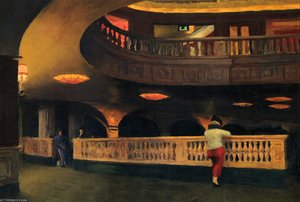
      Niujorko filmas (1939) aut. Edwardas Hopperis
      4

      Niujorko filmas

      1939 · Akrilas ant drobės · MOMA - Moderniosios menų muziejus, Niujorkas

      DovitraEdwardas Hopperis „CITE>New York Movie“ yra patirčiai įspūdingai manojae aliejų ir kanvuose išdėstytas kūrinys, sukurtas 1939 m. Jis šiuo metu saugomi prestižiniame Moderniojo meno muziejuje (MoMA) Vilniuje, Jungtinėse Amerikoje. Šis maîtreskulis pavyzdžiu įrodo Hopperio unikalios gebėjimą užfiksuoti miesto gyvenimo esmę, dažnai akcentuojantis izoliacijos ir apmąstymo temas. Kompozicija ir simbolikaDovitra sukurta atvaizduojanti moterį, vieną, stovinčią prieš raudoną kurtyninį namą teatras. Ji yra įsivaikusi savo pasaulyje, galbūt žiūri į kažką rankose arba…

      untitled (5560) aut. Edwardas Hopperis
      5

      untitled (5560)

      Oil On Canvas · MOMA - Moderniosios menų muziejus, Niujorkas

      Edward Hopper's untitled (5560) is far more than a mere depiction of a roadside service station; it is a distilled essence of the American experience, a moment frozen in time that speaks volumes about human connection and the profound weight of isolation. Painted during the transformative years between 1942 and 1945, this monochrome masterpiece captures a scene familiar to the mid-century traveler—the late-night glow of artificial light illuminating a sparsely…

      Early sunday morning Whitney Museum of American (1930) aut. Edwardas Hopperis
      6

      Early sunday morning Whitney Museum of American

      1930 · Oil On Canvas · Whitney Amerikos meno muziejus, Niujorkas

      Early Sunday Morning: A Portrait of Quietude Edward Hopper’s “Early Sunday Morning,” painted in 1930, isn't merely a depiction of a New York City street; it’s an arresting distillation of the anxieties and aspirations inherent in the American psyche during the Depression era. Executed in oil paint on canvas, this iconic piece exemplifies Hopper’s signature style – American Scene Painting—characterized by stark realism combined with a palpable sense of solitude…

      Išnagrinėkite Edward Hopperio „Automatą“: jausmingas 1927 m. realizmo šedevras, kuriame užfiksuota vienatvė ir šviesa. Atvirkite jo subalansuotą kompoziciją, kvėpiantį stilių ir amžiną patrauklumą.

Automat

artworks_database

/en/art/edward-hopper-automa (1927) aut. Edwardas Hopperis
      7

      Išnagrinėkite Edward Hopperio „Automatą“: jausmingas 1927 m. realizmo šedevras, kuriame užfiksuota vienatvė ir šviesa. Atvirkite jo subalansuotą kompoziciją, kvėpiantį stilių ir amžiną patrauklumą. Automat artworks_database /en/art/edward-hopper-automa

      1927 · Aliejus ant drobės

      "Automat": Tylumo ir Šviesos Simfonija Edward Hopperio „Automat“ (1927 m.) – tai neatsiejamas amerikietiško realizmo dalis, įkūnijantis tylią vienatymę ir introspekciją, kuri apibrėžia daugelį jo darbų. Šis paveikslas kviečia žiūrovą pasinerti į niūrų interjerą, kur vieno motinos figūra sėdėjusi prie apvalaus stalo automato – populiariame ankstyvojo XX amžiaus Amerikos restorane. Subtili šviesa apšviečia moters veidą ir vaisių dubenį, sukuriant tylią dramą bei emocinį gilumą. Paveikslas ne tik atspindi konkrečią vietą,…

      Sekmadienis (1926) aut. Edwardas Hopperis
      8

      Sekmadienis

      1926 · Aliejus ant drobės · The Phillips Collection, Vašingtonas

      Edward Hopperio „Sekmadienis": Tylumoje slypi miesto atmaina „Sekmadienis", sukurtas 1926 metais, yra tarsi tylus dialogas tarp žmogaus ir aplinkos, įamžintas amerikiečių dailininko Edward Hopperio. Šis paveikslas – ne tik vaizdas, bet ir emocijų kupinas pasakojimas apie vienatvę, apmąstymus bei moderniosios Amerikos dvasios atspindį. Paveikslas nukelia mus į tylią miesto gatvės sceną, kur vyras sėdėdamas medinėje suolelyje atrodo tarsi atitrūkęs nuo aplinkos. Užuolaidiniai langai ir uždarytos parduotuvėlės sukuriąja atmosferą, kupiną ramybės,…

      Gas (1940) aut. Edwardas Hopperis
      9

      Gas

      1940 · Aliejus ant drobės

      Amžina amerikietiškos vienybiės apeiga Edwardo Hopperio kūrinys „Gas“ (1940) yra meistriška vienybiės ir nostalgijos tyrimas, įtrapiantis į senovinę degalų stotį, skendimą minkštame, natūraliam šviesos spinduliui. Šis paveikslas kviečia žiūrovą į laiko sustabdytą akimirką, kurioje kaimo Amerika tampa beveik lytėjama tylos ir ramybės dalimi. Scena spinduliuoja introspekcijos pojūtį, todėl ji yra įtraukianti papildas bet kokiai meno kolekcijai ar interjero erdvobei. Kompozicija ir stilius: pusiausvyros bei kontrastų studija Hopperio kompozicija yra kruopščiai…

      Čiop Sūėj (1929) aut. Edwardas Hopperis
      10

      Čiop Sūėj

      1929 · Aliejus ant drobės

      1929 metais sukurta Edwardo Hopperio „Chop Suey“ yra užburęją alievinė paveikslas, kviečiantis žiūrovą į intymų, tačiau izoliuotą 1920-ųjų metinių valgyklės pasaulį. Šis šedevras yra vienas iš ryškiausių Hopperio stiliaus pavyzdžių, kuriame amerikietiška realistika susipina su subtiliomis ekspresionistinėmis įtampomis, sukeliančios nostalgijos ir tylios introspekcijos pojūtį.

      More Edwardas Hopperis canvases, 11 to 100

      Biuras Naktį (1940) aut. Edwardas Hopperis
      #11

      Biuras Naktį

      1940

      "Biuro Naktis": Edward Hopperio Šedevras ir Jo Nespalvoto Liūdesio Simfonija Edward Hopperio „Biuro Naktis“ (1940 m.) – tai neatsiejamas amerikietiško realizmo simbolis, paveikslas, kuris įsiamžina žiūrovo atmintyje savo…

      Vasara (1943) aut. Edwardas Hopperis
      #12

      Vasara

      1943

      Paveikslas „Vasara“, sukurtas 1943 metais, tuo metu, kai visuomenė patyrė didžiulius pokyčius ir karo netikrumą, yra išskirtinis pavyzdys meistriško Edwardo Hopperio gebėjimo įamžinti tylią šiuolaikinės Amerikos gyvenimo dramą.…

      Šviesė restorane (1958) aut. Edwardas Hopperis
      #13

      Šviesė restorane

      1958 · Yale University Art Gallery

      Edwardo Hopperio Šviesė restorane (1958) – tai meistriškas miesto vienybiės vaizdas, įtvirtintas naudojant tą tikslumą ir emocinį gylį, kuris apibrėžė jo ikonikos stilių. Šis aliejus ant drobės, kurio…

      Žmonės Šėtėje (1960) aut. Edwardas Hopperis
      #14

      Žmonės Šėtėje

      1960

      Ramios akimirka įamžinta laike Edwardo Hopperio kūrinys „Žmonės saulėje“ kviečia žiūrovus į raminantį sceną, kurioje penki asmenys mėgaujasi tylaus poilsio akimirka po platiu dangumi. Šis 1960 metų šedevras…

      Pokai (1945) aut. Edwardas Hopperis
      #16

      Pokai

      1945 · Yale University Art Gallery

      Amerikos realizmo meistre „Kambaria turistams“ (1945) – tai užburęją Edvardo Hoperio kūrinį, garsėjančio savo įtraukiančiais modernios Amerikos gyvenimo vaizdais. Šis paveikslas yra vienas iš sklandžiausių Hoperio stiliaus pavyzdžių,…

      nighthawks (1942) aut. Edwardas Hopperis
      #17

      nighthawks

      1942 · Art Institute of Chicago

      A Window Into Loneliness: Exploring Edward Hopper’s Nighthawks Edward Hopper's "Nighthawks," completed in 1942 during the tumultuous backdrop of World War II, transcends mere representation; it embodies a…

      C vagos vagonas aut. Edwardas Hopperis
      #18

      C vagos vagonas

      The Artist and His Work Edward Hopper, a renowned American realist painter, is celebrated for his ability to capture the essence of American life through his art. Born…

      Du komedantai (1965) aut. Edwardas Hopperis
      #19

      Du komedantai

      1965

      1965 metais sukurta Edwardo Hopperio paveikslas „Du komedantai“ nėra tik dviejų figūrų vaizdymas scenoje; tai kruopščiai sukonstruota meditacija apie vienatvę, pasirengimo prėjimą ir tylią dramą, būtiną kasdienėje egzistencijoje.…

      Naujoji Niujorko filmas, MoMA, Niujorkas (1939) aut. Edwardas Hopperis
      #21

      Naujoji Niujorko filmas, MoMA, Niujorkas

      1939

      Šis kūrinys vaizduoja prislėptą šviesą – galbūt viešbučio holą ar prabangią apartamentą – kurio erdvėje pralaidžia kelios figūros. Kompozicija yra tyčia sudėtinga, sukurianti uždarumo ir prisionaudimo pojūtį. Mūsų…

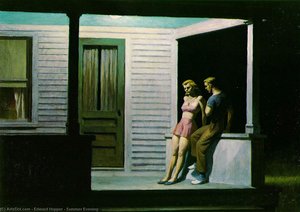
      Summer Evening (1947) aut. Edwardas Hopperis
      #22

      Summer Evening

      1947

      A Portrait of Quietude: Exploring Edward Hopper’s “Summer Evening” Edward Hopper's "Summer Evening" isn’t merely a depiction of a scene; it’s an exquisitely crafted meditation on human experience—a…

      Hotel room (1931) aut. Edwardas Hopperis
      #23

      Hotel room

      1931

      The Poignant Stillness of a Private Moment In Edward Hopper’s 1931 masterpiece, Hotel Room, the viewer is invited into a sanctuary of profound introspection. The scene is deceptively…

      Excursion into Philosophy aut. Edwardas Hopperis
      #24

      Excursion into Philosophy

      A Quiet Drama: Unveiling Edward Hopper’s “Excursion into Philosophy” Edward Hopper's "Excursion into Philosophy" is a profoundly evocative work that encapsulates the core tenets of American Realism, offering…

      The Cat Boat (1922) aut. Edwardas Hopperis
      #25

      The Cat Boat

      1922 · Smithsonian American Art Museum

      Edward Hopper's “The Cat Boat,” created in 1922, stands as a quintessential emblem of American Modernism—a deceptively simple scene imbued with profound psychological depth. More than just depicting…

      Rooms By The Sea (1951) aut. Edwardas Hopperis
      #26

      Rooms By The Sea

      1951

      Rooms By The Sea: A Portrait of Quiet Contemplation Edward Hopper’s “Rooms by the Sea” transcends mere depiction; it's a distillation of mood, an embodiment of American Modernism’s…

      Reclining Nude (1927) aut. Edwardas Hopperis
      #27

      Reclining Nude

      1927

      Introduction Reclining Nude, a watercolour painting by Edward Hopper, is a quintessential example of the artist's unique style and contribution to the New Realism movement. Created in 1927,…

      Rooms by the Sea (1951) aut. Edwardas Hopperis
      #28

      Rooms by the Sea

      1951

      The Painting: A Representation of Serenity "CITE>Edward Hopper's 'Rooms by the Sea' (1951) is a masterpiece that embodies the essence of stillness and contemplation. The painting, available for…

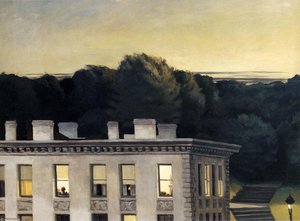
      House At Dusk (1935) aut. Edwardas Hopperis
      #29

      House At Dusk

      1935

      The Painting: An Overview "CITE>Edward Hopper:CITE>'s House At Dusk, created in 1935, is a quintessential example of the artist's ability to capture the essence of American life through…

      Apsenkaunė (1927) aut. Edwardas Hopperis
      #30

      Apsenkaunė

      1927 · Museum of Fine Arts

      Išsilgios akimirkštė mieste: Išplėsti Edwardo Hopperio „Apsenkaunė“ (1927) „Apsenkaunė“, išpainyta 1927 m. amerikiniu meistru Edwardu Hopperiu, yra gilus aprašymas miesto gyvenimo – gyvenimo išvaizdžio scenena, įkvėpta jo pasižmikę…

      Sun on Prospect Street (Gloucester, Massachusetts) (1934) aut. Edwardas Hopperis
      #31

      Sun on Prospect Street (Gloucester, Massachusetts)

      1934

      Edward Hopper's "Sun on Prospect Street" isn't merely a depiction of a Gloucester street scene; it’s a distilled essence of early 20th-century American experience. Painted in 1934, during…

      Woman in the Sun (1961) aut. Edwardas Hopperis
      #32

      Woman in the Sun

      1961

      A Moment Frozen in Light: Edward Hopper’s “Woman in the Sun” Edward Hopper's "Woman in the Sun," painted in 1961, isn’t merely a depiction of a nude figure;…

      Second Story Sunlight (1960) aut. Edwardas Hopperis
      #33

      Second Story Sunlight

      1960

      A Moment Suspended: Unveiling Edward Hopper’s “Second Story Sunlight” Edward Hopper's 1960 oil on canvas, *Second Story Sunlight*, is a quintessential example of American Realism at its most…

      Night Windows (1928) aut. Edwardas Hopperis
      #34

      Night Windows

      1928 · MOMA - Moderniosios menų muziejus

      A Window Into Solitude: Exploring Edward Hopper’s Night Windows Edward Hopper, a name synonymous with the quiet contemplation of modern existence, wasn't merely capturing landscapes; he was distilling…

      New York Office (1962) aut. Edwardas Hopperis
      #35

      New York Office

      1962

      Edward Hopper’s “New York Office,” painted in 1962, transcends mere depiction; it embodies the very essence of modern solitude—a feeling profoundly familiar to viewers grappling with the complexities…

      Office in a Small City (1953) aut. Edwardas Hopperis
      #36

      Office in a Small City

      1953

      In the vast gallery of American Realism, few works possess the haunting, cinematic stillness found in Edward Hopper’s 1953 masterpiece, Office in a Small City. To gaze upon…

      City Roofs (1932) aut. Edwardas Hopperis
      #37

      City Roofs

      1932

      A Quiet Moment of Urban Existence Edward Hopper’s “City Roofs” (1932) is more than just a depiction of a cityscape; it's a poignant meditation on modern life, isolation,…

      Self-Portrait (1930) aut. Edwardas Hopperis
      #38

      Self-Portrait

      1930

      This oil on canvas painting depicts a man wearing a brown hat and a blue shirt. He is shown with a serious expression, looking directly at the viewer.…

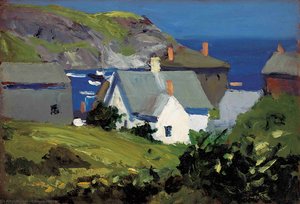
      Monheganio namai, Meino aut. Edwardas Hopperis
      #39

      Monheganio namai, Meino

      Įžanga į amerikietiškąjį realizmą Edward Hopper, iškilmingas amerikietiškasis realistas, yra garsėjantis savo užburiančiais alieviniais paveikslais, kurie vaizduoja tiek miesto, tiek kaimo peizažus. Jo unikalus stilius playing svarbrybę įtraukiant…

      Four Lane Road aut. Edwardas Hopperis
      #40

      Four Lane Road

      Edward Hopper's "Four Lane Road," painted in 1956, isn’t merely a depiction of a roadside scene; it’s a distilled essence of the American experience – a poignant meditation…

      Woman at Cafe Table (1907) aut. Edwardas Hopperis
      #41

      Woman at Cafe Table

      1907 · Whitney Amerikos meno muziejus

      Woman at Cafe Table: A Portrait of Urban Isolation Edward Hopper’s “Woman at Cafe Table,” painted in 1906-1907, stands as a quintessential emblem of New Realism and embodies…

      First Row Orchestra (1951) aut. Edwardas Hopperis
      #42

      First Row Orchestra

      1951 · Hirshhorn Museum and Sculpture Garden

      A Portrait of Quiet Observation: Exploring Edward Hopper’s “First Row Orchestra” Edward Hopper's "First Row Orchestra," painted in 1951, transcends mere depiction; it embodies the very essence of…

      House by the Railroad aut. Edwardas Hopperis
      #43

      House by the Railroad

      In his 1925 masterpiece, House by the Railroad, Edward Hopper presents a scene that captures a profound sense of isolation through a meticulously controlled interplay of light and…

      untitled (3714) aut. Edwardas Hopperis
      #44

      untitled (3714)

      Edward Hopper's "Untitled (3714)," painted in 1942, isn’t merely a depiction of a diner interior; it’s a distilled essence of modern American loneliness. This deceptively simple scene—an elderly…

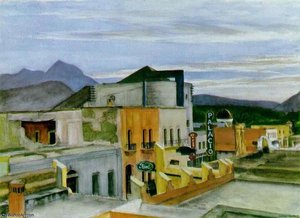
      el palacio (1946) aut. Edwardas Hopperis
      #45

      el palacio

      1946

      Edward Hopper’s 1946 painting, “El Palacio,” isn’t merely a depiction of a city street; it’s a carefully constructed tableau of urban solitude and the quiet anxieties of modern…

      the city (1927) aut. Edwardas Hopperis
      #46

      the city

      1927

      The City, painted by Edward Hopper in 1927, is a striking black and white depiction of early 20th-century American urban life. This artwork isn't merely a representation of…

      rooms by the sea aut. Edwardas Hopperis
      #47

      rooms by the sea

      Edward Hopper’s Rooms by the Sea is a painting from 1951 that depicts an interior space with a doorway opening toward the ocean. The scene features a room…

      The Camel's Hump (1931) aut. Edwardas Hopperis
      #49

      The Camel's Hump

      1931

      Edward Hopper's "The Camel’s Hump," painted in 1931, isn’t merely a depiction of a mountain range; it’s a distilled essence of American loneliness and the quiet drama unfolding…

      the el station aut. Edwardas Hopperis
      #50

      the el station

      In the quiet, heavy atmosphere of Edward Hopper’s “The El Station,” we are invited into a moment suspended in time, where the bustling energy of the American metropolis…

      Dawn in Pennsylvania (1942) aut. Edwardas Hopperis
      #51

      Dawn in Pennsylvania

      1942

      A Solitary Glimpse: Dawn in Pennsylvania by Edward Hopper Edward Hopper’s *Dawn in Pennsylvania*, painted in 1942, isn't merely a depiction of a railroad station; it’s a distilled…

      Corn Hill (1930) aut. Edwardas Hopperis
      #52

      Corn Hill

      1930

      Edward Hopper's "Corn Hill," painted in 1930, isn’t merely a depiction of a rural landscape; it’s a poignant meditation on isolation and the quiet dignity of human existence…

      tramp steamer (1908) aut. Edwardas Hopperis
      #53

      tramp steamer

      1908

      A Storm-Tossed Soul: Edward Hopper’s “Tramp Steamer” Edward Hopper's "Tramp Steamer," painted in 1908, isn’t merely a depiction of a ship at sea; it’s a profound meditation on…

      Self Portrait, , Whitney Museum of American (1930) aut. Edwardas Hopperis
      #54

      Self Portrait, , Whitney Museum of American

      1930

      Edward Hopper's "Self Portrait," painted in 1930, isn’t merely a depiction of an artist; it’s a distilled essence of the anxieties and quietude that defined much of early…

      Rocks at the Fort Gloucester (1924) aut. Edwardas Hopperis
      #55

      Rocks at the Fort Gloucester

      1924

      Edward Hopper's 1924 painting, “Rocks at the Fort Gloucester,” is more than just a landscape; it’s a quiet meditation on human presence within the vastness of nature and…

      Morning sun, Columbus Museum of Art, Columbus, (1952) aut. Edwardas Hopperis
      #56

      Morning sun, Columbus Museum of Art, Columbus,

      1952

      A Window into Quietude: Exploring Edward Hopper’s “Morning Sun” Edward Hopper's "Morning Sun," painted in 1952, isn’t merely a depiction of a room; it’s an encapsulation of the…

      Study of a Seated Woman (1899) aut. Edwardas Hopperis
      #57

      Study of a Seated Woman

      1899

      Edward Hopper's "Study of a Seated Woman," rendered in 1899, isn’t merely a depiction of a figure; it’s a distilled essence of late 19th-century American introspection. This intimate…

      Portrait Of Orleans aut. Edwardas Hopperis
      #58

      Portrait Of Orleans

      WahooArt offers exquisite hand-painted reproductions of Edward Hopper's "Portrait of Orleans," allowing you to bring this iconic work of American art into your home or office. Each reproduction…

      sun empty room aut. Edwardas Hopperis
      #59

      sun empty room

      Edward Hopper's "Sun in an Empty Room," painted in 1963, isn’t merely a depiction of a vacant room; it’s a distilled essence of modern American isolation and the…

      The Long Leg (1930) aut. Edwardas Hopperis
      #60

      The Long Leg

      1930

      A Quiet Drama on the Waves: Edward Hopper’s *The Long Leg* (1930) Edward Hopper's *The Long Leg*, painted in 1930, is more than just a seascape; it’s a…

      Bridle Path (1939) aut. Edwardas Hopperis
      #61

      Bridle Path

      1939

      Bridle Path: A Portrait of Quietude in Modern America Edward Hopper’s “Bridle Path,” painted in 1939, stands as a quintessential emblem of American Realism—a genre that sought to…

      night windows aut. Edwardas Hopperis
      #62

      night windows

      In the quietude of a dimly lit room, where the boundaries between the interior soul and the external world begin to blur, lies the profound essence of Edward…

      Hotel by a Railroad (1952) aut. Edwardas Hopperis
      #63

      Hotel by a Railroad

      1952

      Edward Hopper's "Hotel by a Railroad," painted in 1952, isn’t merely a depiction of an interior scene; it’s a carefully constructed meditation on loneliness, isolation, and the subtle…

      Queensborough-Bridge (1913) aut. Edwardas Hopperis
      #64

      Queensborough-Bridge

      1913

      In the vast landscape of American modernism, few images capture the quiet tension of urban existence as poignantly as Edward Hopper’s Queensborough Bridge. Painted in 1913, this monumental…

      paris street aut. Edwardas Hopperis
      #65

      paris street

      In the quiet corners of Edward Hopper’s “Paris Street,” we encounter more than just a cityscape; we find a profound meditation on the human condition. Painted in 1926,…

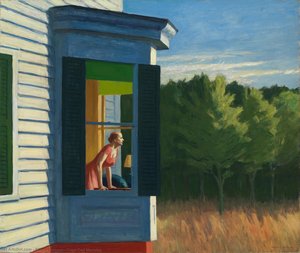
      cape cod morning aut. Edwardas Hopperis
      #66

      cape cod morning

      In the quietude of an early summer morning, Edward Hopper captures a moment that feels both profoundly intimate and hauntingly distant. Cape Cod Morning is not merely a…

      sunday aut. Edwardas Hopperis
      #67

      sunday

      The Painting and Its Context Sunday, a painting by Edward Hopper, is a quintessential representation of modern American life in the early 20th century. Created in 1926, this…

      Evening Wind aut. Edwardas Hopperis
      #68

      Evening Wind

      Edward Hopper’s “Evening Wind,” executed in 1930, stands as a quintessential emblem of American Modernism—a deceptively simple image brimming with psychological depth and masterful artistic execution. More than…

      untitled (7523) aut. Edwardas Hopperis
      #69

      untitled (7523)

      Žvalga į modernų gyvenimą: Edwardo Hopperio „untitled (7523)“ socialinis susitikimas Šis užburę Edward Hopperio kūrinys, laikinai pavadinintas „untitled (7523)“, atveria įtraukiantį langą į pragingos XX amžiaus Amerikos socialinę…

      People in the Sun (1960) aut. Edwardas Hopperis
      #70

      People in the Sun

      1960

      Edward Hopper's People in the Sun, completed in 1960, serves as a profound meditation on the human experience, capturing a sense of quietude and the pervasive feeling of…

      The lee shore, private (1941) aut. Edwardas Hopperis
      #71

      The lee shore, private

      1941

      Edward Hopper's "The Lee Shore," painted in 1941, isn’t merely a depiction of a coastal scene; it’s a distilled essence of American loneliness and the subtle anxieties simmering…

      Rocks and Sea (1919) aut. Edwardas Hopperis
      #72

      Rocks and Sea

      1919 · Whitney Amerikos meno muziejus

      A Moment Frozen in Azure The sea air feels heavy and salt-laden as the eye meets the deep, blue expanse of this landscape. In this 1919 scene, the…

      Self Portrait aut. Edwardas Hopperis
      #73

      Self Portrait

      Edward Hopper's "Self Portrait," painted between 1925 and 1930, isn’t merely a depiction of an artist; it’s a profound meditation on isolation, introspection, and the quiet dignity of…

      Sheridan Theatre aut. Edwardas Hopperis
      #74

      Sheridan Theatre

      Edward Hopper’s Sheridan Theatre, painted in 1937, isn't merely a depiction of an interior scene; it’s a carefully constructed tableau of loneliness and unspoken narratives. The painting immediately…

      Freight Car at Truro aut. Edwardas Hopperis
      #75

      Freight Car at Truro

      In the vast, sweeping landscape of American art, few images capture the heavy, cinematic silence of a moment quite like Edward Hopper’s Freight Car at Trurol. Painted in…

      Lighthouse at Two Lights (1929) aut. Edwardas Hopperis
      #76

      Lighthouse at Two Lights

      1929

      Edward Hopper’s Lighthouse at Two Lights, completed in 1929, presents a striking visual meditation on the interplay between light and shadow. The composition features a tall lighthouse situated…

      summer interior (1909) aut. Edwardas Hopperis
      #77

      summer interior

      1909

      Edward Hopper’s Summer Interior, painted in 1909, presents a scene of profound stillness within a domestic setting. The composition centers on a young woman positioned on the floor…

      cape cod evening aut. Edwardas Hopperis
      #78

      cape cod evening

      In the quiet corners of American Modernism, few images resonate with as much profound, whispered intensity as Edward Hopper’s Cape Cod Evening. At first glance, the painting presents…

      rooms for tourists aut. Edwardas Hopperis
      #80

      rooms for tourists

      A Quiet American Narrative: Exploring Edward Hopper’s “Rooms for Tourists” Rooms for Tourists, painted in 1945 by the master of American Realism, Edward Hopper, is a captivating study…

      South Carolina Morning aut. Edwardas Hopperis
      #81

      South Carolina Morning

      Edward Hopper's "South Carolina Morning," painted in 1955, is a poignant depiction of an African American woman named Dinah standing before her home in Charleston, South Carolina. The…

      Intermission (small) aut. Edwardas Hopperis
      #82

      Intermission (small)

      Edward Hopper’s Solitary Stage: Unpacking “Intermission” Edward Hopper's "Intermission" (1963) isn’t merely a painting; it’s a distilled moment of American solitude, a poignant tableau captured with the artist’s…

      untitled (7096) aut. Edwardas Hopperis
      #83

      untitled (7096)

      Edward Hopper’s “Untitled (7096),” a painting rendered in the twilight hours, isn’t merely a depiction of a pharmacy storefront; it’s a distilled essence of 20th-century American loneliness. Completed…

      Eleven AM aut. Edwardas Hopperis
      #84

      Eleven AM

      Edward Hopper, a master of American realism, possessed an uncanny ability to distill the essence of modern life – its quiet desperation, its pervasive loneliness, and its fleeting…

      New York Pavements, (1924) aut. Edwardas Hopperis
      #85

      New York Pavements,

      1924

      Edward Hopper's "New York Pavements," painted in 1924, stands as a quintessential emblem of American Modernism—a deceptively simple depiction that speaks volumes about the anxieties and quiet contemplations…

      Lighthouse and Building, Portland aut. Edwardas Hopperis
      #86

      Lighthouse and Building, Portland

      Edward Hopper’s Luminous Solitude: Exploring “Lighthouse and Building” Edward Hopper's "Lighthouse and Building," painted in 1927, isn’t merely a depiction of a coastal scene; it’s a masterful distillation…

      Circle Theatre aut. Edwardas Hopperis
      #87

      Circle Theatre

      In the quiet, heavy atmosphere of Edward Hopper’s "Circle Theatre," we are invited to witness more than just a street corner in a bustling metropolis; we are invited…

      Room in Brooklyn (1932) aut. Edwardas Hopperis
      #88

      Room in Brooklyn

      1932 · Museum of Fine Arts

      Edward Hopper's "Room in Brooklyn," painted in 1932, isn’t merely a depiction of an interior space; it’s a distilled essence of American loneliness and the quiet contemplation that…

      Seven A.M. (1948) aut. Edwardas Hopperis
      #90

      Seven A.M.

      1948

      In the quiet, early hours of a mid-century morning, Edward Hopper’s "Seven A.M." invites us into a space where time seems to hold its breath. Painted in 1948,…

      The City (1927) aut. Edwardas Hopperis
      #91

      The City

      1927

      A Quiet Vision of Urban Life: Edward Hopper’s “The City” (1927) Subject and Composition: “The City” presents a strikingly composed street corner scene, a quintessential example of Edward…

      First Row Orchestra (1951) aut. Edwardas Hopperis
      #92

      First Row Orchestra

      1951

      A Moment Frozen in Time: Edward Hopper’s “First Row Orchestra” Edward Hopper's "First Row Orchestra," painted in 1951, isn’t merely a depiction of an evening at the theater;…

      House with big pine aut. Edwardas Hopperis
      #93

      House with big pine

      The painting depicts a white house featuring a black roof and a large chimney positioned on its side. Two windows are visible within the structure. The setting includes…

      Valley Of The Seine (1908) aut. Edwardas Hopperis
      #94

      Valley Of The Seine

      1908

      Edward Hopper's "Valley Of The Seine," painted in 1908, isn’t merely a landscape; it’s a distilled essence of early 20th-century America – a poignant tableau of solitude and…

      Ryder's House (1933) aut. Edwardas Hopperis
      #95

      Ryder's House

      1933

      Edward Hopper’s “Ryder’s House,” completed in 1933, stands as a quintessential emblem of American Realism during the Depression era. More than just a depiction of a simple farmhouse…

      Intermission aut. Edwardas Hopperis
      #96

      Intermission

      Edward Hopper’s Intermission, painted in 1963, isn't merely a depiction of a theater lobby; it’s a meticulously crafted tableau of human isolation and the poignant beauty of unspoken…

      Gas, Moma, NY (1940) aut. Edwardas Hopperis
      #97

      Gas, Moma, NY

      1940

      Edward Hopper’s “Gas,” painted in 1940 and currently residing at MoMA (Museum of Modern Art), isn't merely a depiction of a roadside gas station; it’s a masterful distillation…

      Cape Cod Morning (1950) aut. Edwardas Hopperis
      #98

      Cape Cod Morning

      1950

      In the vast landscape of American modernism, few images resonate with as much profound stillness as Edward Hopper’s 1950 masterpiece, Cape Cod Morning. This striking canvas serves as…

      Room for tourists, Yale University Art Gallery, (1945) aut. Edwardas Hopperis
      #99

      Room for tourists, Yale University Art Gallery,

      1945

      A Quiet American Night: Exploring Edward Hopper’s “Room for Tourists” “Room for Tourists,” painted in 1945 by master realist Edward Hopper, is more than just a depiction of…

      Eleven A.M. (1926) aut. Edwardas Hopperis
      #100

      Eleven A.M.

      1926

      Edward Hopper’s “Eleven A.M.” (1926) is more than just a depiction of a woman in a room; it’s a meticulously crafted meditation on the quiet loneliness inherent within…

      Edwardas Hopperis's canvases, period by period

      What Edwardas Hopperis painted most

      The four subjects that return most often on these canvases, each with its best-loved example.

      Where Edwardas Hopperis's canvases hang

      8 muziejai, kuriuose saugoma daugiausia šioje pusėje esamų paveikslų.

      Muzejaus Miestas Edwardas Hopperis darbai Šiojo sąrašo paveikslai
      MOMA - Moderniosios menų muziejus, NiujorkasMOMA - Moderniosios menų muziejus Niujorkas 4 Namas prie geležinkelio, Niujorko filmas, untitled (5560)
      Whitney Amerikos meno muziejus, NiujorkasWhitney Amerikos meno muziejus Niujorkas 10 Early sunday morning Whitney Museum of American, Woman at Cafe Table, Rocks and Sea
      Art Institute of Chicago, ČikagosArt Institute of Chicago Čikagos 3 Edward Hopper Upper Nyack United States of America 1931 1942 1967 Švyturys tamsoje: tyrinėjant Hopperio šedevrą Sukurta 1942 m., ši ikoniška paveikslų scena užfiksuoja vėlyvojo nakties įvykius visą naktį dirbančiame restorane, tapdama vienu iš labi, nighthawks, Interior (Model Reading)
      Yale University Art Gallery, HartfordYale University Art Gallery Hartford 3 Šviesė restorane, Pokai
      Museum of Fine Arts, BostonasMuseum of Fine Arts Bostonas 3 Apsenkaunė, Room in Brooklyn
      Hirshhorn Museum and Sculpture Garden, VašingtonasHirshhorn Museum and Sculpture Garden Vašingtonas 3 First Row Orchestra
      Smithsonian American Art Museum, VašingtonasSmithsonian American Art Museum Vašingtonas 2 The Cat Boat
      Des Moines Art Center, Des MoinesDes Moines Art Center Des Moines 1 Automat (small)

      Edwardas Hopperis's best-loved canvas of each decade

      1. 1890s
        Study of a Seated Woman (1899) aut. Edwardas Hopperis
        Ranked 57 of 100

        Study of a Seated Woman

        Amžius 8 – 17

        Edward Hopper's "Study of a Seated Woman," rendered in 1899, isn’t merely a depiction of a figure; it’s a distilled essence of late 19th-century American introspection. This intimate…

      2. 1900s
        Woman at Cafe Table (1907) aut. Edwardas Hopperis
        41 of 100

        Woman at Cafe Table

        Amžius 18 – 27 · Whitney Amerikos meno muziejus

        Woman at Cafe Table: A Portrait of Urban Isolation Edward Hopper’s “Woman at Cafe Table,” painted in 1906-1907, stands as a quintessential emblem of New Realism and embodies…

      3. 1910s
        Queensborough-Bridge (1913) aut. Edwardas Hopperis
        Ranked 64 of 100

        Queensborough-Bridge

        Amžius 28 – 37

        In the vast landscape of American modernism, few images capture the quiet tension of urban existence as poignantly as Edward Hopper’s Queensborough Bridge. Painted in 1913, this monumental…

      4. 1920s
        Namas prie geležinkelio (1925) aut. Edwardas Hopperis
        3 of 100

        Namas prie geležinkelio

        Amžius 38 – 47 · MOMA - Moderniosios menų muziejus

        Introduction to Edward Hopper and His Work Edward Hopper, a renowned American artist, is celebrated for his captivating oil paintings that often depicted modern life in the early…

      5. 1930s
        Niujorko filmas (1939) aut. Edwardas Hopperis
        4 of 100

        Niujorko filmas

        Amžius 48 – 57 · MOMA - Moderniosios menų muziejus

        DovitraEdwardas Hopperis „CITE>New York Movie“ yra patirčiai įspūdingai manojae aliejų ir kanvuose išdėstytas kūrinys, sukurtas 1939 m. Jis šiuo metu saugomi prestižiniame Moderniojo meno muziejuje (MoMA) Vilniuje, Jungtinėse…

      6. 1940s
        Edward Hopper

Upper Nyack

United States of America

1931

1942

1967

Švyturys tamsoje: tyrinėjant Hopperio šedevrą

Sukurta 1942 m., ši ikoniška paveikslų scena užfiksuoja vėlyvojo nakties įvykius visą naktį dirbančiame restorane, tapdama vienu iš labi (1942) aut. Edwardas Hopperis
        Canvas 1 of 100

        Edward Hopper Upper Nyack United States of America 1931 1942 1967 Švyturys tamsoje: tyrinėjant Hopperio šedevrą Sukurta 1942 m., ši ikoniška paveikslų scena užfiksuoja vėlyvojo nakties įvykius visą naktį dirbančiame restorane, tapdama vienu iš labi

        Amžius 58 – 67 · Art Institute of Chicago

        Edward Hopper: Švietimo Šaltas Šūkas Amerikinėje Gyvybės Vaizduotėje Štai vienas iš amerikiečių impresionisto Edwardo Hoperio žymiausių darbų – „Nighthawks“ („Vakarai“) – kurią 1942 metais sukūrė Čikagos Menų Institutas.…

      7. 1950s
        Šviesė restorane (1958) aut. Edwardas Hopperis
        13 of 100

        Šviesė restorane

        Amžius 68 – 77 · Yale University Art Gallery

        Edwardo Hopperio Šviesė restorane (1958) – tai meistriškas miesto vienybiės vaizdas, įtvirtintas naudojant tą tikslumą ir emocinį gylį, kuris apibrėžė jo ikonikos stilių. Šis aliejus ant drobės, kurio…

      8. 1960s
        Žmonės Šėtėje (1960) aut. Edwardas Hopperis
        Ranked 14 of 100

        Žmonės Šėtėje

        Amžius 78 – 85

        Ramios akimirka įamžinta laike Edwardo Hopperio kūrinys „Žmonės saulėje“ kviečia žiūrovus į raminantį sceną, kurioje penki asmenys mėgaujasi tylaus poilsio akimirka po platiu dangumi. Šis 1960 metų šedevras…

      About Edwardas Hopperis's canvases: your questions answered

      What is the best-known painting by Edwardas Hopperis?Read the answer

      Edward Hopper Upper Nyack United States of America 1931 1942 1967 Švyturys tamsoje: tyrinėjant Hopperio šedevrą Sukurta 1942 m., ši ikoniška paveikslų scena užfiksuoja vėlyvojo nakties įvykius visą naktį dirbančiame restorane, tapdama vienu iš labi (1942), Art Institute of Chicago, Čikagos. Automat (small) and Namas prie geležinkelio (1925) follow.

      What age was Edwardas Hopperis when Edward Hopper Upper Nyack United States of America 1931 1942 1967 Švyturys tamsoje: tyrinėjant Hopperio šedevrą Sukurta 1942 m., ši ikoniška paveikslų scena užfiksuoja vėlyvojo nakties įvykius visą naktį dirbančiame restorane, tapdama vienu iš labi was painted?Read the answer

      Edwardas Hopperis, born in 1882, was 60 years old: Edward Hopper Upper Nyack United States of America 1931 1942 1967 Švyturys tamsoje: tyrinėjant Hopperio šedevrą Sukurta 1942 m., ši ikoniška paveikslų scena užfiksuoja vėlyvojo nakties įvykius visą naktį dirbančiame restorane, tapdama vienu iš labi dates from 1942.

      What are the 10 most famous paintings by Edwardas Hopperis?Read the answer

      Edward Hopper Upper Nyack United States of America 1931 1942 1967 Švyturys tamsoje: tyrinėjant Hopperio šedevrą Sukurta 1942 m., ši ikoniška paveikslų scena užfiksuoja vėlyvojo nakties įvykius visą naktį dirbančiame restorane, tapdama vienu iš labi, Automat (small), Namas prie geležinkelio, Niujorko filmas, untitled (5560), Early sunday morning Whitney Museum of American, Išnagrinėkite Edward Hopperio „Automatą“: jausmingas 1927 m. realizmo šedevras, kuriame užfiksuota vienatvė ir šviesa. Atvirkite jo subalansuotą kompoziciją, kvėpiantį stilių ir amžiną patrauklumą. Automat artworks_database /en/art/edward-hopper-automa, Sekmadienis, Gas ir Čiop Sūėj. Each canvas in the ranking above comes with its year and its museum.

      How many works did Edwardas Hopperis paint in all?Read the answer

      366 works by Edwardas Hopperis are in our catalogue, dated 1899 to 1965.

      Where can I see Edwardas Hopperis's most famous canvases?Read the answer

      Mostly in MOMA - Moderniosios menų muziejus (Niujorkas), Whitney Amerikos meno muziejus (Niujorkas) ir Art Institute of Chicago (Čikagos); the list above names each museum and its canvases.

      When did Edwardas Hopperis paint the best-loved canvases?Read the answer

      In 1920s, which gave 15 of the 100 works on this page, Namas prie geležinkelio among them.

      Which are Edwardas Hopperis's earliest and latest famous canvases?Read the answer

      The earliest canvas here is Study of a Seated Woman (1899); the latest is Du komedantai (1965).

      What did Edwardas Hopperis paint most often?Read the answer

      Solitude (45), Isolation (35) ir Urban landscape (25), across the 100 works on this page.

      Which medium did Edwardas Hopperis paint in most often?Read the answer

      Oil On Canvas, used in 35 of the 100 works on this page.

      Which movement is Edwardas Hopperis's painting part of?Read the answer

      Šiuolaikinis realizmas ir American realism, as the canvases on this page show.

      Which Edwardas Hopperis canvases hang at the MOMA - Moderniosios menų muziejus?Read the answer

      The MOMA - Moderniosios menų muziejus, Niujorkas holds 4 of the works on this page, among them Namas prie geležinkelio, Niujorko filmas ir untitled (5560).

      Edwardas Hopperis: a life in paint

      The Quietude of the American Scene

      Edward Hopper was born in Upper Nyack, United States of America. His early years were spent observing the world with a steady eye, a habit that began with childhood sketches meticulously dated and signed. While his parents suggested a practical path in commercial illustration, his focus remained on fine art. He studied at the New York School of Art under William Merritt Chase and Robert Henri. These years taught him the technical skill required to depict the world unvarnished and honest. He did not seek the fleeting brushstrokes of the Impressionists he encountered in Paris. Instead, he developed a way of seeing that favored the stillness of a moment over the movement of a crowd.

      His work often centers on the mundane. He looked at houses, diners, offices, and hotel rooms. He stripped away unnecessary details to find the underlying emotional truth of a scene. In House by the Railroad (1925), a simple composition reveals a sense of mystery and isolation. He used light and shadow not merely to describe a room, but to set a mood. The precise rendering of a shadow on a wall or the way light hits a window became his way of communicating the psychological state of his subjects.

      Light and the Urban Interior

      The way light enters a space is a central character in his paintings. In Nighthawks (1942), the stark fluorescent light of a late-night diner cuts through the darkness of a deserted urban street. The figures inside are physically close but appear lost in their own thoughts, disconnected from one another. This sense of anonymity in a crowded city became a recurring theme. He captured the tension of being alone in a public place, a feeling that resonates in works like Automat and Office in a Small City. He was interested in the way artificial light interacts with the natural darkness of the night.

      His wife, Josephine Nivison Hopper, was a constant presence. She was a fellow artist and often served as his model. Her presence is felt in the characterization of many of his female figures. Together, they lived a modest life, often spending summers in New England, which influenced the landscapes he painted. His depictions of the American landscape, both rural and urban, often emphasize a certain starkness or emptiness. Whether it is a roadside gas station in Gas (1940) or a quiet room in a hotel, the subject is always the intersection of a physical place and a private, internal experience.

      A Legacy of Observation

      Hopper’s influence extends into the visual language of film and literature. His ability to create a sense of psychological tension through composition has been noted by many who study the way stories are told through images. His paintings remain in major museums worldwide, held in collections such as the Whitney Museum of American Art and the Museum of Fine Arts, Boston. He did not aim for grand historical narratives. He found his subject matter in the quiet corners of everyday life, turning a simple window or a passing stranger into a study of the human condition. His work remains a study of the silence that exists between people.

      Visi 366 Edwardas Hopperis darbai →