Atelieris — Nemokamas pristatymas visame pasaulyje — Pristatymo laikas – 2–6 savaitės
      Emanuel De Witte, 1617 – 1692

      Emanuel De Witte: The 99 Best-Known Paintings

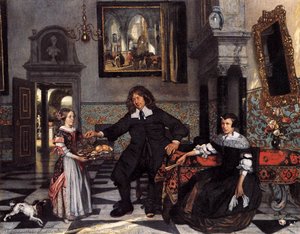
      Of all Emanuel De Witte's paintings, Portrait of a Family in an Interior (detail) (1678) is the most famous; it hangs in the Alte Pinakothek, Miunchenas. Close behind come The Interior of a Dutch Church (1680) and Interior of the Nieuwe Kerk in Delft (1664). Among the 99 works by Emanuel De Witte in our catalogue, these 99 are the most celebrated, each shown with its date, its museum and its story.

      Rangos vieta nulegiama pagal mūsų populiarumumo balas, kurį sudaro kiekvieno kūrinio paieškos, apsilankėjimai ir užsakėjimai. Atnaujinta spalis 2026. Each painting on this page can be ordered as an oil reproduction painted by hand on linen canvas, or as a fine art print, made to the size you choose.

      Emanuel De Witte portretas
      Emanuel De Witte · 1617 – 1692
      Gedė · mirė
      1617 – 1692, Alkmaras
      Judėjimas
      Dutch golden age
      Darbai mūsų kataloge
      99
      Labiausiai žinomi
      Portrait of a Family in an Interior (detail) (1678)
      Daugiausia darbų yra
      Museum Boijmans Van Beuningen

      Emanuel De Witte's 10 most celebrated paintings

      Portrait of a Family in an Interior (detail) (1678) aut. Emanuel De Witte
      1

      Portrait of a Family in an Interior (detail)

      1678 · Oil On Canvas · Alte Pinakothek, Miunchenas

      Emanuel de Witte's “Portrait of a Family in an Interior” (1678) isn’t merely a depiction of a wealthy household; it’s a carefully constructed tableau vivant, a frozen moment brimming with quiet dignity and subtle narrative. Painted during the height of the Dutch Golden Age, this oil on canvas offers a rare glimpse into the lives of a prosperous family within their richly appointed home—a space designed to project status, comfort,…

      Interior of the Nieuwe Kerk in Delft (1664) aut. Emanuel De Witte
      3

      Interior of the Nieuwe Kerk in Delft

      1664 · Oil On Canvas · Residenzgalerie, Salzburgas

      To stand before an interior scene like this depiction of the Nieuwe Kerk in Delft is to step across a threshold, leaving the clamor of the outside world behind. The artwork does not merely show us a church; it envelops us within its monumental silence. Emanuel de Witte masterfully captures that unique atmosphere found only in grand, aged sacred architecture—a place where history seems palpable in the very dust motes…

      The Interior of the Oude Kerk, Amsterdam, during a Sermon (1658) aut. Emanuel De Witte
      5

      The Interior of the Oude Kerk, Amsterdam, during a Sermon

      1658 · Oil On Canvas · National Gallery, Londonas

      To stand before this depiction of The Interior of the Oude Kerk in Amsterdam is to step across the threshold of time itself. This painting, executed in 1658 by Emanuel de Witte, is far more than a mere record of an architectural space; it is a meticulously crafted meditation on faith, community, and the sublime interplay between human life and divine structure. The high-angle perspective immediately envelops the viewer, drawing…

      Portrait of a woman (1648) aut. Emanuel De Witte
      6

      Portrait of a woman

      1648 · Oil On Canvas · Museum Boijmans Van Beuningen, Roterdamas

      A single female figure occupies the center of this oval vignette, presented in a bust-length view. She wears a dark garment, accented by a prominent white collar with scalloped edges and a small black bow. The composition draws the eye directly to her face, where a calm and composed expression suggests a dignified emotional tone. Light originates from the upper left, casting gentle shadows across the right side of her…

      Portrait of a man (1648) aut. Emanuel De Witte
      7

      Portrait of a man

      1648 · Oil · Museum Boijmans Van Beuningen, Roterdamas

      is an oil painting by the Dutch artist Emanuel de Witte. Executed about 1648, the work represents a significant example of the artist's early engagement with portraiture before his later specialization in church interiors. The sitter is presented in a bust-length composition, positioned slightly off-center to create a sense of depth and presence.

      Interior of a Protestant Gothic Church (1669) aut. Emanuel De Witte
      8

      Interior of a Protestant Gothic Church

      1669 · Oil On Canvas · Rijksmuseum, Amsterdamas

      Emanuel de Witte's "Interior of a Protestant Gothic Church," painted in 1669, isn’t merely a depiction of a sacred space; it’s an immersive experience. This remarkable work transcends the simple act of recording architecture, instead capturing the very *feeling* of being within a grand, dimly lit cathedral – a testament to de Witte's unique artistic vision. Unlike his contemporary Pieter Saenredam, who meticulously documented architectural details with photographic precision, de…

      Emanuel De Witte paintings ranked 11 to 99

      Interior of the Oude Kerk, Delft (1650) aut. Emanuel De Witte
      #38

      Interior of the Oude Kerk, Delft

      1650 · Metropolitano meno muziejus

      Despite its profusion of realistic details, de Witte’s interior view of Delft’s Oude Kerk (Old Church) takes considerable liberties with the actual architecture of the church—omitting, for example,…

      Order this canvas →
      Interior of a Church (1674) aut. Emanuel De Witte
      #67

      Interior of a Church

      1674 · Wallraf-Richartzas Muziejus

      In this work, titled Interior of a Church, we encounter a significant example of the Dutch Golden Age. Painted by Emanuel de Witte in 1660, the oil on…

      Bring this light home →
      Old Church in Delft (1642) aut. Emanuel De Witte
      #71

      Old Church in Delft

      1642 · Ermitažas

      In the quiet corners of the Dutch Golden Age, where light performs its most delicate dances, Emanuel de Witte captured something far more profound than mere architecture. His…

      Order this canvas →
      Interior of the Oude Kerk, Delft (1650) aut. Emanuel De Witte
      #73

      Interior of the Oude Kerk, Delft

      1650 · Metropolitano meno muziejus

      Emanuel de Witte's “Interior of the Oude Kerk, Delft” isn’t merely a depiction of a church; it’s an immersive experience. Painted in 1650, this remarkable work transports us…

      Order this canvas →
      Interior of a Baroque Church (1660) aut. Emanuel De Witte
      #74

      Interior of a Baroque Church

      1660 · Staatliche Museen zu Berlin

      To step into Emanuel de Witte’s Interior of a Baroque Church is to leave the clamor of the physical world behind and enter a realm of profound, whispered…

      Order this canvas →
      Interior of a Church (1660) aut. Emanuel De Witte
      #81

      Interior of a Church

      1660 · Ermitažas

      Emanuel de Witte's "Interior of a Church," painted around 1669, isn’t merely a depiction of a sacred space; it’s an immersive experience, a carefully constructed invitation to contemplate…

      Have it painted by hand →
      Interior of a Gothic church aut. Emanuel De Witte
      #86

      Interior of a Gothic church

      Museum Boijmans Van Beuningen

      The scene unfolds within the quiet, soaring reaches of an Interior of a Gothic church. This work, painted by Emanuel de Witte, captures a moment of stillness amidst…

      Order this canvas →

      What Emanuel De Witte painted most

      The four subjects that return most often on these canvases, each with its best-loved example.

      Where Emanuel De Witte's canvases hang

      8 muziejai, kuriuose saugoma daugiausia šioje pusėje esamų paveikslų.

      Muzejaus Miestas Emanuel De Witte darbai Šiojo sąrašo paveikslai
      Museum Boijmans Van Beuningen, RoterdamasMuseum Boijmans Van Beuningen Roterdamas 11 Portrait of a woman, Portrait of a man, Vertumnus and Pomona
      Rijksmuseum, AmsterdamasRijksmuseum Amsterdamas 8 Interior of a Protestant Gothic Church, Interior of a Protestant Gothic Church, Interior of the Portuguese Synagogue in Amsterdam
      National Gallery, LondonasNational Gallery Londonas 4 The Interior of the Oude Kerk, Amsterdam, during a Sermon, The Interior of the Oude Kerk, Amsterdam, The Interior of the Oude Kerk, Amsterdam, during a Sermon
      Amsterdam Museum, AmsterdamasAmsterdam Museum Amsterdamas 3 Interior of the Oude Kerk in Amsterdam, Interior of the Oude Kerk in Amsterdam, Interior of the Oude Kerk in Amsterdam
      Gemäldegalerie, BerlynasGemäldegalerie Berlynas 3 Interior View of a Synagogue, Interior of a Gothic Church, Interior of the Nieuwe Kerk in Amsterdam
      Ermitažas, Šv. PeterburgasErmitažas Šv. Peterburgas 3 Square in front of the Palace in an Italian Town, Old Church in Delft, Interior of a Church
      Metropolitano meno muziejus, NiujorkasMetropolitano meno muziejus Niujorkas 3 Interior of the Oude Kerk, Delft, Interior of the Oude Kerk, Delft (detail), Interior of the Oude Kerk, Delft
      Detroito meno institutas, DetroitasDetroito meno institutas Detroitas 3 The Nieuwe Kerk at Delft with the Tomb of Willem the Silent, Interior of a Protestant Church, Interior of the Oude Kerk in Amsterdam

      Decade by decade: Emanuel De Witte's most celebrated canvas

      1. 1640s
        Portrait of a woman (1648) aut. Emanuel De Witte
        Canvas 6 of 99

        Portrait of a woman

        Amžius 23 – 32 · Museum Boijmans Van Beuningen

        A single female figure occupies the center of this oval vignette, presented in a bust-length view. She wears a dark garment, accented by a prominent white collar with…

      2. 1650s
        Rest During the Flight (1654) aut. Emanuel De Witte
        Canvas 4 of 99

        Rest During the Flight

        Amžius 33 – 42 · Bavarijos valstybinės paveikslų kolekcijos

        The oil painting titled Rest During the Flight by Emanuel de Witte depicts a specific narrative from religious history. Created about 1654, the work presents a scene likely…

      3. 1660s
        Interior of the Nieuwe Kerk in Delft (1664) aut. Emanuel De Witte
        3 of 99

        Interior of the Nieuwe Kerk in Delft

        Amžius 43 – 52 · Residenzgalerie

        To stand before an interior scene like this depiction of the Nieuwe Kerk in Delft is to step across a threshold, leaving the clamor of the outside world…

      4. 1670s
        Portrait of a Family in an Interior (detail) (1678) aut. Emanuel De Witte
        Ranked 1 of 99

        Portrait of a Family in an Interior (detail)

        Amžius 53 – 62 · Alte Pinakothek

        Emanuel de Witte's “Portrait of a Family in an Interior” (1678) isn’t merely a depiction of a wealthy household; it’s a carefully constructed tableau vivant, a frozen moment…

      5. 1680s
        The Interior of a Dutch Church (1680) aut. Emanuel De Witte
        Canvas 2 of 99

        The Interior of a Dutch Church

        Amžius 63 – 72 · Škotijos Nacionalinė galerija

        The Interior of a Dutch Church is an oil on canvas by Emanuel de Witte. Created about 1680, the work reflects the artist's specialization in the architectural spaces…

      6. 1690s

      Your questions on Emanuel De Witte's paintings, answered

      Which is the most celebrated painting by Emanuel De Witte?Read the answer

      Portrait of a Family in an Interior (detail) (1678), Alte Pinakothek, Miunchenas. The Interior of a Dutch Church (1680) and Interior of the Nieuwe Kerk in Delft (1664) follow.

      How old was Emanuel De Witte at the time of Portrait of a Family in an Interior (detail)?Read the answer

      Emanuel De Witte, born in 1617, was 61 years old: Portrait of a Family in an Interior (detail) dates from 1678.

      Which ten paintings is Emanuel De Witte most famous for?Read the answer

      Portrait of a Family in an Interior (detail), The Interior of a Dutch Church, Interior of the Nieuwe Kerk in Delft, Rest During the Flight, The Interior of the Oude Kerk, Amsterdam, during a Sermon, Portrait of a woman, Portrait of a man, Interior of a Protestant Gothic Church, Danaë and the Shower of Gold ir Vertumnus and Pomona. Each canvas in the ranking above comes with its year and its museum.

      How many paintings by Emanuel De Witte are known?Read the answer

      99 works by Emanuel De Witte are in our catalogue, dated 1641 to 1692.

      Which museums hold Emanuel De Witte's best-known canvases?Read the answer

      Mostly in Museum Boijmans Van Beuningen (Roterdamas), Rijksmuseum (Amsterdamas) ir National Gallery (Londonas); the list above names each museum and its canvases.

      In which years did Emanuel De Witte paint the most celebrated canvases?Read the answer

      In 1650s, which gave 27 of the 99 works on this page, Rest During the Flight among them.

      What are the first and the last of Emanuel De Witte's famous canvases?Read the answer

      The earliest canvas here is Danaë and the Shower of Gold (1641); the latest is The Nieuwe Vismarkt (New Fish Market) in Amsterdam, Emanuel de Witte, 1655 - 1692 (1692).

      Which subjects return most often in Emanuel De Witte's paintings?Read the answer

      Church interior (16), 17th century (10) ir Architecture (10), across the 99 works on this page.

      What did Emanuel De Witte usually paint with?Read the answer

      Oil On Canvas, used in 22 of the 99 works on this page.

      To which art movement does Emanuel De Witte belong?Read the answer

      Dutch golden age ir Baroque, as the canvases on this page show.

      What can I see by Emanuel De Witte at the Museum Boijmans Van Beuningen?Read the answer

      The Museum Boijmans Van Beuningen, Roterdamas holds 11 of the works on this page, among them Portrait of a woman, Portrait of a man ir Vertumnus and Pomona.

      Can I order a hand-painted copy of a painting by Emanuel De Witte?Read the answer

      Yes. Every painting on this page can be ordered from its own page as an oil reproduction painted by hand, or as a fine art print, in the size you choose.

      Emanuel De Witte: the painter's story

      Gyvenimas iš Perspektyvos: Emanuelio de Witte pasaulis

      Emanuelius de Witte, vardas, galbūt neįtinai atpažįstamas kaip kai kurie jo Holandijos auginio laikų bendraštovės, vis tiek užima svarbią ir fascinuojančią vietą XVII amžiaus maîtresnėlių panteone. Gimęs Alkmaare 1617 m., De Witte kūrybos kelionė buvo pažymėta tiek išsiskiriačiu talantu, tiek dideliu asmeniniu kriziu – dvigubumas, kuris, atrodo, subtiliai įslepia į jo piktavimų atmosferą. Jis nebuvo pagrįstas nuoseklia architektūros dokumentacija kaip Pieteris Saenredamas; o tiksliai ieškojo užfiksuoti erdvės jaudą, šviesos kokritį ir subtilią dramą, iškeliančią saugiuose interjieriose. Jo kanavai nėra tik bažnyčių atvaizdavimai; tai įtraukiančios patirtys, kurios kviečia žiūrovus į tylios apmąstymo ir spiritinio rezonanso pasaulį.

      Nuolatinis iš Delftio iki Amsterdamino priėmimo

      De Witte ankstyvas gyvenimas suteikė tvirtą pagrindą jo meninės kūrimo veiklai. Jo tėvis, mokytojas, įkėlė jį meilę mokymosi ir intelektualiam qūrioje – savybės, kurios vėliau išreiškė jo atsargiu perspektyvos ir šviesos stebėjimu. Jis formaliai įėjo į menų pasaulį prisijungęs prie St. Lukio gildijos Alkmaare 1636 m., tačiau ypač formantiška buvo jo vėlesnė dirbimas pas Evertą van Aelstą Delftoje. Van Aelstas, garsus still-life dailininkas, suteikė De Witte akių išsaugą detalei ir meistrišką šviesos bei šešdumo valdimą – įgūdžiai, kurie tapo jo ilgąsmenio stiliaus ženklu. Iš pradžių De Witte eksploatavo įvairius žanrus – portretus, mitologinius scenas, religines naratyvas – bet tik per iškelį į Amsterdaminą 1651 m. jis išties rado savo paskirtį. Miesto turtingumas nuostabiais bažnyčiais pateikė neįkainojamą įkvėpimo šaltinį, ir jis pradėjo specializuotis apribojant pavaizduoti jų įveda stebinant interjerius.

      Atmosferos bei Įsivaizdintas Erdvių meistras

      Amsterdaminas padarė kritišką žingsnį De Witte meniniam vystymui. Jis neįkainavo esmieniais bažnyčių erdvėmis; o tiksliai sujungė elementus iš skirtingų pastatų, kurdamas idealizuotus interjerius, kurie buvo panašūs ir subtiliai kitokiems pasauliams. Oude Kerk Amsterdamino tapo dažna tema, pasirodydama kartais jo kanavose iš įvairių punktų. Bet tai nebuvo tiesioginiai atvaizdavimai. De Witte manipuliravo perspektyva, žaidė su šviesa ir šešdumu, bei užpildė erdvę atsargiai sukurtais figūromis, kad iškviestų konkrečią nuojžį ar atmosferą. Kaip pastebėjo Walterius Liedtke, jo pagrindinis susidomėjimas buvo ne pačio architektūra, o „paša į patsą – jo šviesa, spalva, tiesiog apimtis ir nuojžis“. Šis akcentas padažejanti efektoje išskiria jį nuo griežiau topografinių dailininkų savo laikotarpiu. Jis nebuvo rūpinasi tiksliu atitikmenu; jis buvo įdoms kurti jaudą didžiagumo, pobožumo ir spiritinio derinio.

      Gyvenimas pažymėtas šešdumu

      Nepaisant savo meninio sėkmės, De Witte asmeninis gyvenimas buvo apraidintas sunkumais. Pirmoji žmonos mirtis atnešė gilios žalojimą, o vėlesni teisini spatai susiję su antraji žmona ir dukra iškėlė ilgą šešdį per jo vėlesnius metus. Finansiniai sunkumai veda jį į nužvelgiamą situaciją kaip neapibrėžtas tarnautojas menininkui, Joriui de Wijsui, situacija, kurios jis galiausiai pažeidavo, sukelė papildomus sudėgingumus. Šiuolaikinės apžvalgos pabrėžia nepastovų temperamentą – žmogų, kuris buvo įprastas šaukti klientams ir įsiverti ginčiams. Šis vidinis kraujystė galbūt prisidėjo prie jo vėlesnio darbo nepaprastumo, bet tai taip pat pridiega dar vieną sudėgingumo sluoksnį mūsų supratymui apie menininką ir jo kūrinįdarbius. Tragisiai De Witte gyvenimas pasibaigė katastrofiškai 1692 m., kai jis, manoma, išjungė savo gyvenimą užšėgęs nuo kanalo tilto; vėlas pužjo, ir jis nutplavė. Tai buvo griausio pabaiga žmogui, kuris išnaudojo savo gyvenimą apribojant grožį ir ramybę šviesių vietų apribojimui.

      Palikta medžiaga ir ilgalaikis įtakas

      Emanuelius de Witte laikomas svarbiu garsiu Holandijos architektūrinio dailės paskutiniame etape, užpildydamas tarpą antara nuoseklio dokumentavimo ir atmosferinio interpretavimo. Jo inovatyvus šviesos bei perspektyvos naudojimas įtakė nesulkę generacijas menininkų, o jo piktavimai toliau pateikia vertingus išvados apie XVII amžiaus holandijos religinę gyvenimą ir socialius papročius. Šiandien dabar De Witte karya yra saugomi prestižiniuose kolekciose visame pasaulyje – Metropolitan Museum of Art, National Gallery of Art ir Rijksmuseum, tarp kitų – patvirtindami jo ilgalaikę palikimą kaip perspektyvos, atmosferos ir emocinio rezonanso meistro. Jis neįkainojama mums, kad mena neapgalio apie tai, ką mes matome, bet apie tai, kaip mes jaudojame, kai žiūrėkame.

      Visi 99 Emanuel De Witte darbai →
