Bekijk op ware grootte
 Verstuur
 Delen
Delen
 Details bekijken
 Gids
Gids

 Download
 Vergelijkbare items
 Röntgenonderzoek
 Diavoorstelling
 Statistieken
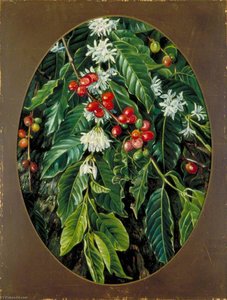
Blad, Bloemen en Vruchten van de Heilige Lotus in Java
 Olieverf op paneel
- Hedendaags Realisme
 1876
1876 46.0 x 35.0 cm
 Marianne North Gallery
Prachtige botanische olieverfschildering door Marianne North (1876). 'Foliage, Flowers & Fruit' toont prachtige lotusbloemen in realistisch detail. Victoriaanse kunst met een voortreffelijk roze palet.
 Lees meer
Marianne North (1830-1890): een avontuurlijke kunstenares & botanica die wereldwijd exotische planten schilderde. Haar galerie in Kew Gardens toont meer dan 800 levendige werken!
Handgemaakte olieverfreproductie
Met de hand geschilderd in olieverf op canvas in uw gewenste maat en lijst, op bestelling gemaakt door onze kunstenaars. ( Schakel over naar print Schakel over naar digitale afbeeldingen)




P118B $10

P118H $10

P118W $10

P438Z $10

P508JH $12

P508YH $12

P805H $10

P805Z $10

P919BZ $10

P919G $10

P919XJ $10

P959ZH $10

P968JZ $12

W106C $8

W218G $10

W218JH $8

W218Y $10

W307PJ $10

W316G $10

W316PJ $8

W316Y $10

W398PJ $8

W4111J $10

W500HY $15

W500JH $15

W692G $12

W849H $8

W940BG $15

W953PJ $8




Standaardformaat
op maat gemaakt
CM
INCH
Kies uit onze vooraf ingestelde maten die overeenkomen met de originele verhoudingen van het kunstwerk.
Loading sizes...

breedte
hoogte
U kunt uw eigen afmetingen invoeren om in een specifieke lijst of ruimte te passen. Als de door u gekozen maat niet overeenkomt met de verhoudingen van het originele beeld, zullen we het kunstwerk bijsnijden of het schilderij uitbreiden met extra handgeschilderde elementen. Een digitale mockup wordt ter goedkeuring naar u verzonden voordat de productie begint.
Houd er rekening mee dat de preview op het scherm niet de werkelijke uitsnede of uitbreiding weergeeft. Alleen de mockup toont de uiteindelijke compositie nauwkeurig.
Hoewel aangepaste afmetingen mogelijk zijn, raden we aan een maat uit de vooraf gedefinieerde lijst te selecteren om de originele verhoudingen te behouden.
Voorbeelden van wat aangepast kan worden: Vervang het gezicht met een eigen foto; Voeg een huisdier toe (bijv. vervang de kat door een hond); Verwerk een verborgen boodschap in de achtergrond; Wijzig het landschap of andere elementen in de achtergrond.
Na de bestelling zal het team van TopImpressionists.com per e-mail contact opnemen met de klant voor instructies en een mockup-voorbeeld sturen.
Na de bestelling zal het team van TopImpressionists.com per e-mail contact opnemen met de klant voor instructies en een mockup-voorbeeld sturen.
Wereldwijde levering () binnen 3 tot 4 weken in plaats van de standaard 5 weken. (23 september). Zonder concessies aan de kwaliteit.

Gratis wereldwijde expressverzending

Hoogwaardig linnen canvas

Volledige verzendverzekering

Garantie op terugbetaling van invoerrechten

Garantie op exacte kleurweergave

Retourbeleid van 100 dagen (alleen bij defecten)

100% Geld-terug-garantie

Korting bij meerdere afnames
 De optie voor glas is alleen beschikbaar bij een formaat kleiner dan 110 cm.

Blad, Bloemen en Vruchten van de Heilige Lotus in Java
Reproductiemethode
Formaat reproductie
-


Totaalprijs
$ 269
A Symphony in Pink: Marianne North’s “Foliage, Flowers and Fruit of the Sacred Lotus in Java”
Marianne North's "Foliage, Flowers and Fruit of the Sacred Lotus in Java," painted in 1876, is more than a botanical illustration; it’s a vibrant testament to Victorian exploration, artistic dedication, and a profound respect for the natural world. This exquisite oil painting captures a moment of breathtaking beauty within the heart of Indonesia's Javanese landscape, offering viewers an intimate glimpse into a culture deeply intertwined with symbolism and spiritual reverence. North, a remarkably independent woman who defied societal expectations by embarking on decades-long expeditions to document flora across the globe, meticulously rendered this lotus bloom—a potent emblem of purity, enlightenment, and rebirth within Buddhist traditions—with astonishing detail and a captivating sense of life.
The painting immediately draws the eye with its dominant palette of delicate pinks, ranging from blush to deeper rose hues. These warm tones are expertly contrasted against the cool greens of the surrounding foliage and the dark, reflective waters, creating a dynamic visual harmony. North’s masterful use of glazing—a technique involving layering thin washes of oil paint—allows for an incredible depth of color and texture. You can almost feel the velvety softness of the petals, the subtle sheen on the leaves, and the gentle ripples in the water. The composition itself is carefully orchestrated; a vertical arrangement that directs the gaze upwards through the blossoming lotus, emphasizing its regal presence within the scene.
The Victorian Adventurer and Her Botanical Obsession
Understanding Marianne North’s life provides crucial context for appreciating her work. Born in 1830, she initially pursued a career as a musician but suffered ill health that redirected her passions toward art. Driven by an insatiable curiosity and a desire to escape the constraints of Victorian society, she embarked on a remarkable series of journeys throughout Asia, Africa, South America, and Australia—all undertaken independently and funded through the sale of her paintings. This wasn’t merely a hobby; it was a deeply personal mission fueled by a genuine love for botany and a commitment to documenting the world's plant life with unparalleled accuracy.
Her travels were not simply about collecting specimens, however. North meticulously observed and recorded the plants in their natural habitats, often spending months living amongst indigenous communities and learning from local experts. She developed close relationships with scientists like Frederic Edwin Church, whose encouragement spurred her to continue her explorations. The creation of her gallery at the Royal Botanic Gardens, Kew—a remarkable achievement for a woman of that era—stands as a lasting legacy of her dedication and a testament to her vision.
Symbolism and Spiritual Resonance
The lotus flower itself holds profound significance in Eastern cultures, particularly within Buddhism. Emerging from muddy waters, it symbolizes purity, enlightenment, and rebirth – representing the potential for spiritual growth even amidst challenging circumstances. North’s choice to depict this specific lotus bloom—the *nelumbo nucifera*, a sacred variety associated with the Javanese people—underscores the painting's connection to local traditions and beliefs. The surrounding foliage, rendered with equally meticulous detail, further reinforces this sense of harmony between nature and spirituality.
Beyond its symbolic meaning, “Foliage, Flowers and Fruit of the Sacred Lotus in Java” offers a glimpse into a world far removed from Victorian England. It’s a window onto a vibrant culture steeped in ancient traditions and a profound connection to the natural world. The painting invites us to contemplate themes of beauty, resilience, and the enduring power of nature—qualities that continue to resonate deeply with viewers today.
A Masterpiece for Art & Interior Design
Reproductions of Marianne North’s “Foliage, Flowers and Fruit of the Sacred Lotus in Java” are highly sought after by collectors and interior designers alike. The painting's rich colors, intricate detail, and evocative subject matter make it a stunning addition to any space. Its serene beauty can bring a sense of tranquility and connection to nature into your home or office. Consider framing this artwork in a classic gold or dark wood frame to complement its elegant aesthetic. This piece is not just a painting; it’s an investment in art history, a celebration of botanical artistry, and a reminder of the enduring power of beauty.
Biografie van de kunstenaar
A Victorian Adventurer in Bloom
Marianne North was a spirit unbound, een vrouw die de verwachte comfort van de Victoriaanse domesticiteit verruilde voor een leven van avontuurlijke verkenning en artistieke toewijding. Geboren in 1830 in Hastings, Engeland, leek haar vroege pad bepaald te zijn voor muzikale bezigheden. Echter, een gezondheidsprobleem leidde haar passies zachtjes om naar de delicate kunst van bloemtekenen – een verschuiving die niet alleen een troost was, maar de oorsprong werd van een buitengewone bestaan dat volledig op eigen kosten werd geleid. Terwijl veel vrouwen van haar tijd waren opgesloten in salonen en maatschappelijke verwachtingen, zette North een opmerkelijk reis op waarbij ze zowel een bekende kunstenaar als een zelfgeleide botanicus werd. Haar verhaal is één van veerkracht, onafhankelijkheid en een diepe verbinding met de natuurlijke wereld – een getuigenis van een geest die niet onderdrukt werd door conventies.From Botanical Observation to Global Expedition
De jaren na haar moeder’s overlijden in 1855 waren vormende jaren, gevuld met uitgebreide reizen door Europa naast haar vader. Deze reisjes scherpten haar waarnemingsvermogen aan en cultiveerden een scherp oog voor landschap, waardoor binnenin haar een verlangen naar meer ontstond. Na haar vader’s overlijden in 1869, besloot North zich volledig te wijden aan het schilderen van de flora van verre landen – een beslissing die een keerpunt markeerde in haar leven. Dit was niet alleen bedoeld om schoonheid vast te leggen; het was een daad van wetenschappelijke documentatie, gedreven door een verlangen om de botanische diversiteit van een wereld te registreren die snel verandert onder invloed van kolonialisme en industrialisatie. Beginnend in 1871, begon North een reeks expedities die bijna vijftien jaar duurden, waarbij ze reisde naar regio’s zo divers als Canada, Jamaica, Brazilië, Japan, Borneo, India, Australië en Nieuw-Zeeland. Ze reisde niet met wetenschappelijke teams of officiële patronage, maar financierde haar avonturen zichzelf, vertrouwend op haar familie fortuin. Haar methode was nauwkeurig: ze verdiepte zich in elk milieu, observeerde en schetsen de planten zorgvuldig voordat ze ze op het doek bracht met een opmerkelijke precisie en levendige kleur. Ze was niet alleen een bezoeker; ze werd onderdeel van de landschappen die ze weergaf, absorbeerde hun essentie en verwoordt deze door haar kunst. De schaal van haar reizen, ondernomen onafhankelijk door een vrouw in een tijd waarin vrouwen ernstige beperkingen ondervonden, is op zichzelf al een getuigenis van haar uitzonderlijke karakter.A Unique Artistic Style & Legacy at Kew
North’s artistieke stijl is direct herkenbaar aan haar realistische details en levendige palet. Ze werkte voornamelijk in olie – een ongebruikelijke keuze voor botanische illustratie op het moment – en bereikte zo diepte van kleur en textuur die haar onderwerpen tot leven brachten. Haar schilderijen zijn niet steril wetenschappelijke weergaven; ze zijn doordrenkt van een gevoel van sfeer en plaats, waardoor niet alleen de vorm van de planten maar ook hun omgeving en het gevoel om erin te zweven worden vastgelegd. Ze was geen formeel getrainde kunstenaar in een bepaalde stroming, maar haar werk weerspiegelt elementen van Victoriaanse naturalisme en een toewijding aan nauwkeurige representatie. Misschien is haar meest blijvende nalatenschap de galerie die gewijd is aan haar werk in Kew Gardens in Londen. Erkendend het belang van haar collectie – meer dan 800 schilderijen die planten uit de hele wereld documenteren – schonk North ze vrijwillig aan de Royal Botanic Gardens in 1882, samen met fondsen voor een doorgemaakt gebouwde expositieruimte. De Marianne North Gallery, geopend datzelfde jaar, is de enige permanente solo-expositie van een vrouwelijke kunstenaar in Kew en inspireert nog steeds bezoekers. Het staat als een krachtig symbool van haar artistieke prestaties en haar toewijding om haar ontdekkingen met de wereld te delen – een levendig getuigenis van een leven dat werd geleid door een onverzettelijke passie voor kunst en kennis. Schilderijen zoals ‘Tegoro, Sarawak’ illustreren dit, waardoor kijkers worden getransporteerd naar weelderige regenwouden vol leven, terwijl werken als ‘On the Way from Tibet near Nagkunda, North India’ de dramatische grandeur van de Himalaya-landschappen vastleggen met romantische realisme.Challenging Conventions & Enduring Influence
Marianne North was meer dan alleen een kunstenaar; ze was een pionier die maatschappelijke normen uitdaagde en de grenzen van wat voor vrouwen in de Victoriaanse tijd acceptabel was, verbreden. Haar onafhankelijke reizen, professionele carrière en toewijding aan wetenschappelijk onderzoek waren allemaal opmerkelijke prestaties voor haar tijd. Ze veroverde de aandacht door zich te weigeren tot een huwelijk en koos liever om haar eigen pad te volgen, gedreven door intellectuele nieuwsgierigheid en artistieke passie. Haar schilderijen dienen als onschatbare historische records, die plantleven vastleggen op een cruciaal moment in de geschiedenis – een periode van snelle milieuruiling en kolonialisme. Ze bieden inzichten in de botanische landschappen van de 19e eeuw en geven een visueel beeld van soorten die nu mogelijk bedreigd of uitgestorven zijn. Haar verhaal resoneren nog steeds vandaag, inspirerend kunstenaars, wetenschappers en avonturiers om hun passies met moed en overtuiging na te streven – een ware getuigenis van de kracht van een onafhankelijke geest en een levenslange liefde voor de natuurlijke wereld. Ze bewees dat een vrouw zowel een geleerde als een ontdekkingsreiziger kon zijn, een wetenschapper en kunstenaar, allemaal terwijl ze zich voortdurend afzetten tegen de verwachtingen van haar tijd. Haar werk herinnert ons nog steeds aan het belang van observatie, documentatie en het behoud van de ongelooflijke biodiversiteit van onze planeet.Notable Works
- Foliage, Flowers and Fruit of the Cashew, Tanjore, India: Een levendig portret dat de ingewikkelde details van deze tropische plant laat zien.
- Elephants, Exotic Fish, and Leaf Insect: Demonstreert North’s vermogen om niet alleen flora maar ook fauna vast te leggen in hun natuurlijke habitat.
- Tegoro, Sarawak: Een weelderig regenwoudscène die haar realistische vaardigheden en levendige schoonheid illustreert.
- On the Way from Tibet near Nagkunda, North India: Vangt de dramatische Himalaya-landschappen vast met romantisch realisme.
- Lake of Ajmere, North West India: Een olieschilderij dat Indiase bergen en een serene zonsondergang laat zien.
Deze werken, samen met honderden anderen, staan als blijvende monumenten aan haar artistieke vaardigheid en onverzettelijke toewijding – een nalatenschap die nog steeds bloeit in Kew Gardens en toekomstige generaties inspireert.

Marianne North
1830 - 1890 , Verenigd Koninkrijk
Snelle feiten
- Artistic Movement Or Style: Vict. naturalisme
- Artists Or Movements Influenced By This Artist: ['Hooker']
- Artists Who Influenced This Artist: ['Hooker']
- Date Of Birth: 1830
- Date Of Death: 1890
- Full Name: Marianne North
- Nationality: Britse
- Notable Artworks:
- Tegoro Sarawak
- India
- Japan
- Place Of Birth: Hastings, VK
Gerelateerde artikelen

The Soul of Impressionism: Why Oil on Canvas Captures Eternal Light and Timeless Emotion
Discover the enchanting alchemy of Impressionism. Explore how the mastery of oil on canvas, through glazing and impasto, captures eternal light and emotion. Perfect for lovers of Monet and Van Gogh seeking the profound depth of hand-painted fine art.

Victorian Naturalism: The Art of Capturing Botanical Precision and Raw Wilderness
Explore the profound beauty of Victorian Naturalism. Discover how 19th-century masters captured botanical precision and raw landscapes through meticulous oil painting techniques and scientific observation.
The Timeless Elegance of Victorian Botanical Painting: A Journey Through Nature's Intricate Detail and Scientific Artistry
Discover the exquisite world of Victorian botanical painting, where scientific precision meets profound aesthetic grace. Explore a journey through nature's intricate details, from legendary illustrators to the untamed beauty of Marianne North’s vibrant floral masterpieces.
Ontdek kunstwerken georganiseerd op thema, stijl en kenmerk.