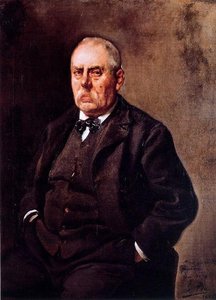
Cecilio Pla y Gallardo (1860 – 1934) emerged from Valencia, Spain, as a pivotal figure in the Costumbrismo movement—a genre singularly devoted to documenting and celebrating the commonplace realities and landscapes of Spanish rural society. While largely absent from the annals of art history during his lifetime, Pla’s legacy persists powerfully through his role as an instructor at San Fernando Academy and remains enshrined within the enduring heritage of Spanish artistic expression. His canvases transcend mere visual representation; they resonate with emotion—a palpable connection to a bygone era that continues to captivate scholars and admirers alike.
Early Life & Education: Seeds of Impressionism
Born in Valencia, Pla’s formative years were profoundly shaped by the influence of Marià Fortuny—a Valencian painter who ascended to fame as a champion of Impressionistic techniques and bravely tackled themes central to Spanish identity. Fortuny's artistic vision served as an undeniable catalyst for Pla’s own stylistic evolution, fostering within him a fascination with capturing light and atmosphere—elements that would become hallmarks of his distinctive oeuvre. This early exposure instilled in Pla a deep appreciation for innovative approaches to artmaking, preparing him for the challenges and opportunities presented by the burgeoning Impressionist movement.
Pla's artistic style was firmly rooted in Costumbrismo—a movement characterized by its unwavering commitment to realism tempered with subtle Impressionistic brushwork. He eschewed flamboyant palettes, opting instead for muted hues that skillfully conveyed the mood and nuances of rural landscapes. Pla’s gaze lingered on scenes depicting women engaged in domestic activities—tasks considered ordinary yet imbued with profound significance within Spanish rural life. His meticulous attention to detail wasn't merely decorative; it reflected a deep understanding of his subjects—a testament to his artistic sensitivity and observational prowess. The artist skillfully blended tonal harmony and textural brushstrokes, creating images that felt both truthful and emotionally resonant.
Notable Works & Artistic Achievements: Capturing the Essence of Spain
Pla’s prolific output comprises numerous paintings that exemplify Costumbrismo's core tenets—a celebration of everyday life rendered with remarkable precision and imbued with artistic nuance. “Retrato de Mujer,” depicting a serene woman nestled within a tranquil rural setting, exemplifies Pla’s ability to convey emotion through visual elements—the soft light illuminating her face, the subtle folds of her dress conveying grace and dignity. Similarly, "Pintura en paleta" presents an artist’s palette as the backdrop for a domestic scene—a deliberate artistic choice reflecting Pla’s unwavering desire to encapsulate the very soul of Spanish life and artistic practice. “Escondidas,” showcasing four women inhabiting a quiet interior space, demonstrates Pla's masterful command of tonal harmony and textural brushstrokes—creating an atmosphere of intimacy and understated beauty. These paintings stand as enduring symbols of Costumbrismo’s aesthetic ideals—a testament to Pla’s unwavering dedication to portraying the human experience with compassion and artistic integrity.
San Fernando Academy & Artistic Legacy: Shaping Future Generations
Pla's contribution to Spanish art extended far beyond his individual creations; he served as a respected educator at San Fernando Academy, nurturing generations of aspiring artists who embraced Impressionistic principles. His influence permeated the artistic landscape of Spain—inspiring students to explore innovative techniques and tackle challenging themes with boldness and creativity. Pla’s legacy resides not only in his paintings but also in the countless individuals whose artistic development was shaped by his guidance—a testament to his enduring commitment to fostering excellence within Spanish art education.
Historical Significance: A Window into Victorian Spain
Pla y Gallardo's oeuvre provides invaluable insight into the socio-cultural milieu of late 19th century Spain—a period marked by significant social transformations and artistic experimentation. His paintings capture a snapshot of rural life—the customs, traditions, and daily routines that defined Spanish society at the time. Pla’s work contributes to a broader understanding of Impressionism's diffusion across Europe and its adaptation within the Iberian Peninsula—demonstrating how artists responded to changing aesthetic sensibilities and sought to express their observations of the world around them with honesty and artistic conviction. His enduring images continue to inspire contemplation on the passage of time and the preservation of cultural heritage.
Explore the captivating world of José Gutiérrez Solana, a pivotal Spanish Expressionist painter. Discover his haunting depictions of early 20th-century Spain, influenced by Goya & El Greco. Learn about his key works and lasting legacy.
Explore the life & art of Giuseppe Maria Crespi, a pivotal Bolognese Baroque painter. Discover his groundbreaking genre scenes, religious works, and lasting influence on Italian art history. Learn more at TopImpressionists.
Explore the dramatic world of Spanish Baroque art! Discover masters like Zurbarán & the powerful influence of religious zeal on painting techniques – a guide for collectors and enthusiasts.
TIAtelier ConciergeOnline · reageert binnen een minuut
Hoi! Ik kan je helpen bij het kiezen van een kunstwerk, het volgen van een bestelling of het beantwoorden van vragen over de garantie. Waarmee kan ik je van dienst zijn?