


 Se i rommet
 Del som digitalt kort
 Del
Del
 Detaljer
 Studentguide

 Last ned
 Liknende objekter
 Røntgen
 Lysbildefremvisning
 Besøksstatistikk
Still Life med Rød Gulv
 Olje på lerret
- Veggkunst
- Fauvisme
 1906
1906- Moderne kunst
 89.0 x 116.0 cm
Matisses «Still Life med Rød Gulv» (1906) sprudler av fauvist farger! Utforsk frukt, tekstiler og kunstnerens revolusjonerende bruk av form og nyansering.
 Les mer
Henri Matisse (1869-1954): En pioner i fargens tjeneste! Oppdag Fauvismens kraftfulle farger og hans innflytelse på moderne kunst. Et mesterverk av fransk malerkunst.
Håndlaget oljereproduksjon
Håndmalt olje på lerret i din valgte størrelse og ramme, laget på bestilling av våre kunstnere. ( Bytt til trykkversjon Gå til digitalt bilde)




P118B $10

P118H $10

P118W $10

P438Z $10

P508JH $12

P508YH $12

P805H $10

P805Z $10

P919BZ $10

P919G $10

P919XJ $10

P959ZH $10

P968JZ $12

W106C $8

W218G $10

W218JH $8

W218Y $10

W307PJ $10

W316G $10

W316PJ $8

W316Y $10

W398PJ $8

W4111J $10

W500HY $15

W500JH $15

W692G $12

W849H $8

W940BG $15

W953PJ $8




Standardformat
tilpasset
CM
INCH
Velg mellom våre forhåndsdefinerte størrelser som bevarer kunstverkets opprinnelige proporsjoner.
Loading sizes...

bredde
høyde
Du kan angi egne mål for å tilpasse en spesifikk ramme eller plass. Dersom den valgte størrelsen ikke samsvarer med originalbildets proporsjoner, vil vi enten beskjære kunstverket eller utvide maleriet med ytterligere håndmalte elementer. En digital mockup vil bli sendt til din godkjenning før produksjonen starter.
Vennligst merk at forhåndsvisningen på skjermen ikke gjenspeiler den faktiske beskjæringen eller utvidelsen. Kun mockuppen vil vise den endelige komposisjonen nøyaktig.
Selv om tilpassede størrelser er tilgjengelige, anbefaler vi å velge et mål fra den forhåndsdefinerte listen for å bevare de originale proporsjonene.
Eksempler på hva som kan endres: Erstatt ansikt med bilde av kunden; Legg til kjæledyr (f.eks. bytt ut katt med hund); Inkluder en skjult melding i bakgrunnen; Endre bakgrunnslandskap eller elementer.
Etter bestilling vil TopImpressionists.com-teamet sende e-post til kunden for instruksjoner og sende et utkast (mockup) som forhåndsvisning.
Etter bestilling vil TopImpressionists.com-teamet sende e-post til kunden for instruksjoner og sende et utkast (mockup) som forhåndsvisning.
Verdensomspennende levering () på 3–4 uker i stedet for standard 5 uker. (25 September). Ingen kompromisser med kvaliteten.

Gratis ekspressfrakt over hele verden

Lerretsduk av høykvalitets lin

Full transportforsikring

Garanti for refusjon av toll og importavgifter

Garantert fargeekthet

100 dagers returrett ved fabrikasjonsfeil

100% pengene tilbake-garanti

Mengderabatt
 Glassalternativet er kun tilgjengelig i størrelser under 110 cm

Still Life med Rød Gulv
Reproduksjonsmetode
Format på reproduksjon
-


Totalpris
$ 269
Still Life with a Red Rug: A Fauvist Masterpiece by Henri Matisse
- Artist: Henri Matisse
- Year: 1906
- Medium: Oil on Canvas
- Dimensions: 89 x 116 cm
- Location: Musée National d'Art Moderne, Paris
Subject and Composition
“Still Life with a Red Rug” is a quintessential example of Henri Matisse’s exploration of color and form within the still life genre. The painting depicts an arrangement of everyday objects – fruits (apples and pears), a banana, two books, and a chair – placed upon a table draped with a vibrant red rug. A partially obscured figure can be seen in the background, adding a subtle human element to the scene. Matisse’s genius lies not in meticulous realism but in his ability to transform these ordinary items into a dynamic composition brimming with energy and emotion.
Fauvism: Embracing Bold Color
This artwork is deeply rooted in the Fauvist movement, which translates to "wild beasts." Matisse was a leading figure in this revolutionary art style that emerged around 1905. Fauvism rejected traditional representational techniques, prioritizing instead the expressive use of color and simplified forms. In “Still Life with a Red Rug,” Matisse employs intense, non-naturalistic colors – the fiery red of the rug contrasts dramatically with the yellows, greens, and oranges of the fruit, creating a visually striking effect. The brushstrokes are loose and visible, further emphasizing the painting's expressive quality rather than photographic accuracy.
Historical Context and Influences
The early 20th century was a period of significant artistic experimentation. Matisse’s work was heavily influenced by the late paintings of Paul Cézanne, particularly those exhibited at the Salon d'Automne in 1904. Cézanne’s emphasis on structure and form paved the way for Matisse’s exploration of color as an independent element. The Fauvist movement itself challenged established artistic conventions and helped pave the way for subsequent modern art movements like Cubism and Expressionism.
Symbolism and Emotional Impact
While seemingly a simple depiction of everyday objects, “Still Life with a Red Rug” evokes a sense of joy, vitality, and sensory pleasure. The vibrant colors create an atmosphere of warmth and exuberance. The red rug acts as a unifying element, tying together the disparate objects and creating a harmonious whole. Matisse’s focus on color and form transcends mere representation; it aims to convey a feeling – a celebration of life's simple pleasures through the power of artistic expression. The painting invites viewers to appreciate the beauty inherent in ordinary moments and to experience the world through a lens of vibrant, emotional intensity.
Relaterte kunstverk


Kunstnerbiografi
En Pioner i Fargens Tjeneste: Henri Matisse og Modernismens Ånd
Henri Émile Benoît Matisse, født 31. desember 1869 i den lille nordfranske byen Le Cateau-Cambrésis, var ikke forutbestemt til et liv dypt forankret i pigment og form. Etter avsluttet skolegang begynte han å studere jus i Paris, men hans vei tok en dramatisk vending etter et blindtarmbetennelses anfall i 1889. Sengeliggende oppdaget han en skjult lidenskap tent av den enkle handlingen å male med et sett kunstmateriell moren hadde gitt ham. Dette var ikke bare en tidsfordriv; det var en åpenbaring – et vendepunkt som ledet ham bort fra juridiske dokumenter og inn i en verden der farge skulle bli hans språk og lerretet hans domene. Oppvokst i Bohain-en-Vermandois, som sønn av kornhandlere, virket Matisse i utgangspunktet lite tilbøyelig til å omfavne bohemens livsstil, men frøet var sådd, pleiet av rekonvalesens og blomstret til en livslang dedikasjon. Han meldte seg inn ved Académie Julian, senere ved École Nationale des Beaux-Arts, hvor han studerte under William-Adolphe Bouguereau og Gustave Moreau, absorberte klassiske teknikker som skulle danne grunnlaget for hans fremtidige nyskapninger. Tidlige arbeider gjenspeilet denne akademiske bakgrunnen, demonstrerte dyktighet, men manglet den særegne stemmen som snart skulle definere ham.Gjennombruddet med Fauvismen og Fargenes Revolusjon
Et avgjørende øyeblikk kom i 1896 under et besøk til Belle-Île med australske maleren John Russell. Dette møtet viste seg å være transformativt. Russell introduserte Matisse for Impressionismens livlige verden, og viktigst av alt, for Vincent van Goghs emosjonelt ladede lerret. Virkningen var dypgripende. Van Goghs ekspressive bruk av farge knuste Matisses tidligere tilbakeholdne palett, og presset ham mot en mer subjektiv tilnærming. Han begynte å bevege seg bort fra jordfarger, omfavnet nyanser som resonerte med følelser snarere enn streng representasjon. Denne utforskningen kulminerte i fremveksten av Fauvismen rundt 1905 – en bevegelse der Matisse ble en ledende skikkelse. Navnet selv, som betyr «ville dyr», var opprinnelig nedsettende, gitt av en kritiker til gruppens sjokkerende livlige og ikke-naturalistiske malerier utstilt på Salon d'Automne. Matisse, sammen med kunstnere som André Derain og Maurice de Vlaminck, fremmet intens farge som et selvstendig ekspressive element, forenklet former for å forsterke dens virkning. Maleriet The Gourds (1905) er et eksempel på denne stilen – en eksplosjon av rødt, grønt og gult brukt med en frihet som ignorerte tradisjonelt perspektiv og mimetisk nøyaktighet. Nøkkelkjennetegn inkluderte intenst mettede farger, forenklede former, uttrykksfulle penselstrøk og en bevisst avvisning av konvensjonell representasjon til fordel for emosjonell resonans.Modningen og Dekorative Harmoni
Etter den første entusiasmen rundt Fauvismen gjennomgikk Matisses stil en subtil, men betydelig utvikling. Selv om han aldri forlot sin kjærlighet til farge, ble hans arbeid mer raffinert, med helling mot en dekorativ estetikk som fremhevet flatere former og intrikate mønstre. Han utforsket temaer som fritid, hjemmeliv og menneskeskikkelsen i rolige omgivelser, skapte komposisjoner som føltes både harmoniske og emosjonelt resonante. En flytting til Nice på den franske rivieraen i 1917 påvirket denne endringen ytterligere, preget hans arbeid med en følelse av ro og klassisk balanse. Han begynte å fokusere på å skape miljøer – malerier, skulpturer og dekorative objekter – som omsluttet betrakteren i en atmosfære av skjønnhet og ro. Denne perioden så ham eksperimentere med forskjellige media, inkludert keramikk og tekstiler, utvidet hans kunstneriske visjon utover det tradisjonelle lerretet. Han malte ikke bare scener; han konstruerte verdener designet for å fremkalle en bestemt emosjonell respons.Senere År: Innovasjon Gjennom Begrensning
Etter hvert som svekkende helse begrenset Matisses evne til å male på konvensjonell måte, begav han seg ut på et ekstraordinært nytt kapittel i sin kunstneriske reise – skapelsen av papirklippskollasjer, eller *découpage*. Fra rundt 1947 ble disse verkene født ut av nødvendighet. Sengeliggende kunne han ikke stå og male fysisk, men han kunne fortsatt manipulere papir med saks. Det som begynte som en praktisk løsning utviklet seg til en banebrytende kunstnerisk teknikk. Han ville male store ark med papir i livlige farger, deretter klippe dem ut i former – organiske former, blader, figurer – og arrangere dem på lerretet, skape komposisjoner som var både dynamiske og bedragerisk enkle. Disse *découpage*-verkene var ikke bare erstatninger for maleri; de representerte en ny måte å tenke om farge, form og komposisjon. De fortsatte hans livslange utforskning av disse elementene, viste en vedvarende kunstnerisk visjon selv i møte med fysiske begrensninger.- Papirklippsteknikken tillot ham å oppnå en renhet i form og farge som var vanskelig å oppnå med maling.
- Disse verkene refererte ofte til tidligere temaer og motiver fra hans malerier, men presentert dem på en frisk og nyskapende måte.
- De demonstrerte hans evne til å tilpasse seg og utvikle seg som kunstner gjennom hele karrieren.
En Varig Arv: Matisses Innvirkning På Moderne Kunst
Henri Matisse døde i Nice i 1954, etterlot seg et omfattende arbeid som fortsetter å inspirere og fascinere publikum over hele verden. Hans innvirkning på kunstverdenen er ubestridelig; han utfordret konvensjonelle forestillinger om representasjon, fremmet den ekspressive kraften i farge og banet vei for fremtidige generasjoner av kunstnere. Ofte ansett sammen med Pablo Picasso som en av de mest innflytelsesrike figurene i det 20. århundres kunst, formet Matisse modernismen fundamentalt. Hans arv strekker seg utover selve kunstverkene hans – den omfatter en filosofi som feirer glede, skjønnhet og fargens transformative potensial. Han malte ikke bare det han så; han skapte en emosjonell opplevelse for betrakteren, inviterte dem til å dele hans visjon om en verden badet i lys og livlige nyanser. Matisses innflytelse kan sees i utallige verk av kunstnere på tvers av ulike disipliner, som befester hans plass som en sann mester i moderne kunst – en maler som våget å se verden ikke slik den er, men slik den kunne være, fylt med farge, harmoni og grenseløs mulighet.
Henri Matisse
1869 - 1954 , Frankrike
Kort om kunstneren
- Artistic Movement Or Style: Fauvisme
- Artists Or Movements Influenced By This Artist:
- Modernisme
- Ekspresjonisme
- Artists Who Influenced This Artist:
- Van Gogh
- Chardin
- Russell
- Date Of Birth: 31. desember 1869
- Date Of Death: 1954
- Full Name: Henri Émile Benoît Matisse
- Nationality: Fransk
- Notable Artworks:
- The Gourds
- Laurette in a White Turban
- Place Of Birth (City And Country): Le Cateau-Cambrésis, Frankrike
Relaterte artikler

Fauvismens 10 Mesterverk: Kunst som Definerte en Epoke | TopImpressionists.no
Oppdag fauvismens 10 mest ikoniske malerier! Lær historien bak Matisse, Derain og andre ekspresjonistiske mestere. Finn kunsttrykk av høy kvalitet & inspirasjon til ditt hjem på TopImpressionists.com.

Henri Matisse' Mesterverk: Topp 25 Kunstverk for Din Vegg – TopImpressionists.no
Utforsk 25 ikoniske malerier av Henri Matisse! Oppdag historien bak fauvismens fargerike mesterverk, fra 'The Dance' til 'Red Studio'. Finn kunsttrykk og reproduksjoner i museumskvalitet for din interiørdesign på TopImpressionists.com.

The Wild Beast Within: Exploring Fauvism's Revolutionary Use of Color and Form
Explore the revolutionary Fauvism movement & Henri Matisse's bold use of color! Discover key characteristics, iconic artworks, and its lasting impact on modern art history with TopImpressionists.
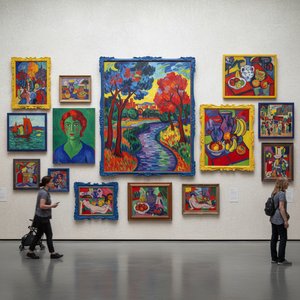
Fauvismens 10 Mesterverk: Kunst som Revolusjonerte Farger – TopImpressionists.no
Opplev fauvismens revolusjonerende farger! Utforsk 10 mesterverk av Matisse, Derain og andre. Lær om historien bak disse ikoniske maleriene og finn din perfekte kunst til hjemmet på TopImpressionists.com – museumskvalitet reproduksjoner & inspirasjon.
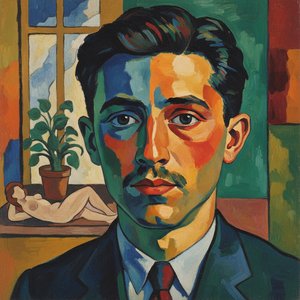
Henri Matisse: A Revolutionary Use of Color and Form in Modern Art
Explore the revolutionary art of Henri Matisse! Discover his bold use of color, Fauvist origins, and lasting impact on modern painting. A comprehensive guide for art enthusiasts.
Utforsk kunstverk organisert etter temaer, stiler og kjennetegn.


