Atelier — Gratis frakt til hele verden — Leveringstid 2–6 uker
      Aztekerriket, 1300 – 1521

      70 av Aztekerrikets mest kjente malerier

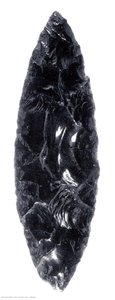
      Mosaic of a Double-headed Serpent (1521) er maleriet Aztekerriket er mest kjent for; det tilhører British Museum, London. Head from a Figure, Xochipilli Macuilxochitl (1521) og Figure (1521) fullfører trioen av de mest elskede maleriene. Vår katalog inneholder 70 verk av Aztekerriket. Her er de 70 mest kjente, med årstall, museum og historien bak hvert lerret.

      Rangert etter vår popularitetsscore, som kombinerer søk, besøk og bestillinger for hvert verk. Oppdatert October 2026. Hvert maleri på denne siden kan bestilles som en håndmalt oljereproduksjon på linlerret, eller som et kunsttrykk i ønsket størrelse.

      Portrett av Aztekerriket
      Aztekerriket · 1300 – 1521
      Født · død
      1300 – 1521
      Verker i vår katalog
      70
      Mest kjente
      Mosaic of a Double-headed Serpent (1521)
      Flest verk hos
      Metropolitan Museum of Art

      De ti mest kjente maleriene av Aztekerriket

      Mosaic of a Double-headed Serpent (1521) av Aztekerriket
      1

      Mosaic of a Double-headed Serpent

      1521 · Mosaic · British Museum, London

      To gaze upon this mosaic of a double-headed serpent is to step directly into the vibrant, myth-laden heart of the Aztec Empire. It is not merely an object of decoration; it is a captured echo of profound belief, a testament to a civilization whose artistry wove the sacred into the very fabric of daily existence. The serpentine form dominates the composition, its sinuous body rendered in breathtaking detail across countless…

      Head from a Figure, Xochipilli Macuilxochitl (1521) av Aztekerriket
      2

      Head from a Figure, Xochipilli Macuilxochitl

      1521 · Sculpture · Metropolitan Museum of Art, New York

      The obsidian head before us—a dark, almost brooding presence—isn’t merely a sculpture; it's a portal into the vibrant and complex world of the Aztec Empire. Carved in the early 16th century, just decades before the arrival of the Spanish conquistadors, this intimate portrait of Xochipilli Macuilxochitl offers a rare and compelling glimpse into the beliefs, artistry, and ultimately, the fleeting beauty of a vanished civilization. The piece speaks not only…

      Figure (1521) av Aztekerriket
      3

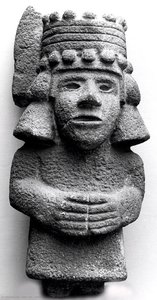
      Figure

      1521 · Stone · Metropolitan Museum of Art, New York

      Before you stands an echo from a civilization whose very name whispers tales of empire and profound spiritual depth: the magnificent "Figure" sculpture. Carved from enduring stone, this piece is not merely an object of antiquity; it is a frozen moment of sacred contemplation. The overall impression is one of solemn power, a tangible connection to the sophisticated worldview of the Aztec people who flourished in the heart of Mesoamerica.…

      Kneeling Male Figure (1521) av Aztekerriket
      4

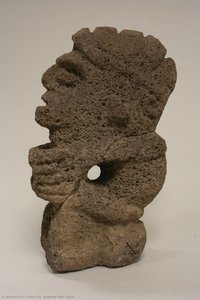
      Kneeling Male Figure

      1521 · Stone · Metropolitan Museum of Art, New York

      To gaze upon this fragment is to reach across the vast chasm of five centuries, touching the solemn breath of an empire long dissolved into myth and archaeological wonder. This kneeling male figure, carved from a dark, porous stone—perhaps basalt itself—is more than mere sculpture; it is a captured moment of profound spiritual engagement. The very texture of the material speaks of time, bearing the patina of ritual smoke and…

      Pendent in the Shape of a Warrior (1350) av Aztekerriket
      6

      Pendent in the Shape of a Warrior

      1350 · Metalwork · Cleveland Museum of Art, Cleveland

      To hold this piece in your mind is to encounter the quiet strength of the Post-classic period. This small, metallic figure, likely worn close to the body, captures a warrior in a moment of poised readiness. The figure is rendered with a striking sense of presence, characterized by a prominent nose, wide eyes, and a slightly protruding mouth that gives the face a distinct, human character. There is a certain…

      Figure (1521) av Aztekerriket
      7

      Figure

      1521 · Stone · Metropolitan Museum of Art, New York

      This monochrome photograph captures an ancient Aztec sculpture titled Figure. The piece presents a stylized representation of a human figure, likely a deity or important individual within the Aztec culture. Set against a dark background that emphasizes its intricate details, the sculpture is positioned slightly off-center towards the right of the frame.

      Vulture Vessel (1521) av Aztekerriket
      8

      Vulture Vessel

      1521 · Ceramic · Metropolitan Museum of Art, New York

      This ceramic vessel, produced around 1521 by Aztec artists, takes the shape of a stylized vulture. The object is constructed from earthenware with a robust, cylindrical body. Four curved legs support the structure, positioned to suggest a sense of movement or a bird prepared to perch. The surface is primarily covered in a reddish-brown hue, likely derived from iron oxide pigments. Black glaze defines specific areas, creating bands that outline…

      Standard Bearer (1521) av Aztekerriket
      9

      Standard Bearer

      1521 · Stone · Metropolitan Museum of Art, New York

      The Aztec sculpture titled "Standard Bearer," a remarkable testament to the artistry and symbolic depth of the pre-Columbian civilization, stands as more than just a carved stone figure. It’s a window into a complex society—a warrior, a leader, a conduit between the earthly realm and the divine. Dating back to approximately 1450-1521 CE, this piece, originating from the region of Veracruz, offers a tangible connection to a world both familiar…

      Crested Figure (Macuilxochitl) (1521) av Aztekerriket
      10

      Crested Figure (Macuilxochitl)

      1521 · Metropolitan Museum of Art, New York

      Crested Figure (Macuilxochitl): Echoes of Aztec Cosmology The photograph presents a striking depiction of an Aztec sculpture titled “Crested Figure (Macuilxochitl),” originating from the 15th–early 16th century during the height of the Mexica Empire. This artwork embodies the artistic spirit of Mesoamerica, reflecting profound religious beliefs and political authority—a testament to the enduring legacy of a civilization that captivated imaginations for centuries. Overall Impression: The image captures a sculpture crafted…

      Aztekerriket: lerreter 11 til 70 på rangeringen

      Seated Male Deity (Ehecatl) (1521) av Aztekerriket
      #11

      Seated Male Deity (Ehecatl)

      1521 · Metropolitan Museum of Art

      Standing before this remarkable sculpture, carved from volcanic stone or terracotta nearly six centuries ago, is akin to stepping back in time – directly into the heart of…

      Få det malt for hånd →
      Seated Male Deity (1521) av Aztekerriket
      #12

      Seated Male Deity

      1521 · Metropolitan Museum of Art

      In the quiet presence of the Seated Male Deity, one does not merely observe a sculpture; one encounters a profound fragment of a lost cosmos. Carved during the…

      Kneeling Female Figure (1521) av Aztekerriket
      #13

      Kneeling Female Figure

      1521 · Metropolitan Museum of Art

      In the quiet halls of art history, few objects command as much silent reverence as the Kneeling Female Figure. Carved from the dark, enduring strength of basalt, this…

      Labret, Eagle Head (1521) av Aztekerriket
      #14

      Labret, Eagle Head

      1521 · Metropolitan Museum of Art

      To gaze upon this artifact is to be transported across the vast expanse of time, directly into the heart of the mighty Aztec Empire. This exquisite labret, fashioned…

      Ta med deg dette lyset hjem →
      Miniature Bowl (1521) av Aztekerriket
      #15

      Miniature Bowl

      1521 · Metropolitan Museum of Art

      To gaze upon this miniature bowl is to hold a fragment of deep time in one's hands. It is not merely an object, but a tangible whisper from…

      Fragment of An Anthropomorphic Brazier (1300) av Aztekerriket
      #16

      Fragment of An Anthropomorphic Brazier

      1300

      This ceramic fragment presents a vertical arrangement of human-like faces. The central feature is a large, sculpted head, upon which smaller faces are positioned in a stacked, layered…

      Riutal Stone (Pulidor) (1521) av Aztekerriket
      #17

      Riutal Stone (Pulidor)

      1521 · Metropolitan Museum of Art

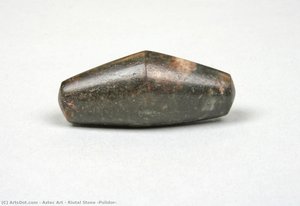
      To gaze upon this Riutal Stone (Pulidor) is not merely to observe an artifact; it is to touch the deep, resonant silence of a vanished civilization. This piece,…

      Få det malt for hånd →
      Ear Spool (1521) av Aztekerriket
      #18

      Ear Spool

      1521 · Metropolitan Museum of Art

      Before us lies a fragment of a vanished world, a tangible link to the ingenuity and ritualistic practices of the Aztec Empire. This meticulously crafted ear spool, fashioned…

      Få det malt for hånd →
      Seated Female Deity (1521) av Aztekerriket
      #19

      Seated Female Deity

      1521 · Metropolitan Museum of Art

      In the quiet shadows of history, certain objects possess the power to bridge the gap between the mortal realm and the eternal. The Seated Female Deity, a profound…

      Aztec Sun Stone (Calendar Stone) (1427) av Aztekerriket
      #20

      Aztec Sun Stone (Calendar Stone)

      1427

      The Aztec Sun Stone (Calendar Stone) is a significant work attributed to the Aztec Empire. Carved by the Mexica at the end of the Mesoamerican Postclassic Period, this…

      Seated Male Deity (1521) av Aztekerriket
      #31

      Seated Male Deity

      1521 · Metropolitan Museum of Art

      Before us stands a testament to the profound artistry and spiritual depth of the Aztec Empire – a weathered stone sculpture known as the “Seated Male Deity,” or…

      Bell (1521) av Aztekerriket
      #32

      Bell

      1521 · Metropolitan Museum of Art

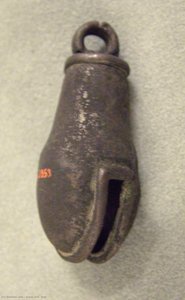
      Imagine holding a piece of history – not just an artifact, but a tangible echo of a vanished empire. This bronze bell, unearthed from the ruins of Tenochtitlan…

      Ta med deg dette lyset hjem →
      Spider Monkey (1521) av Aztekerriket
      #33

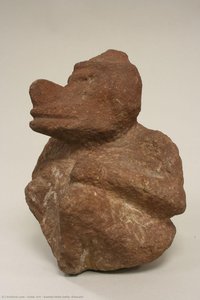
      Spider Monkey

      1521 · Rhode Island School of Design Museum of Art

      This exceptional hand-painted reproduction captures a pivotal moment in Aztec artistic expression – the creation of a remarkably detailed sculpture depicting a spider monkey, dating back to 1521.…

      Cihuateotl (1521) av Aztekerriket
      #34

      Cihuateotl

      1521 · Metropolitan Museum of Art

      The stone sculpture known as “Cihuateotl,” a formidable figure emerging from the heart of the Aztec Empire, offers more than just a visual representation; it’s a window into…

      Få det malt for hånd →
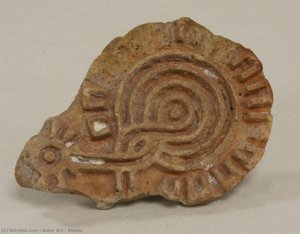
      Stamp (1521) av Aztekerriket
      #35

      Stamp

      1521 · Metropolitan Museum of Art

      Before us lies a terracotta fragment, not merely an artifact but a window into the heart of the Aztec Empire. Designated simply as “Stamp,” this weathered ceramic seal…

      Ta med deg dette lyset hjem →
      Feathered Serpent Ornament (1521) av Aztekerriket
      #36

      Feathered Serpent Ornament

      1521 · Metropolitan Museum of Art

      In the quiet, hallowed halls of the Metropolitan Museum of Art, there exists a treasure that transcends the boundaries of time and geography. The Feathered Serpent Ornament is…

      Relief (1521) av Aztekerriket
      #37

      Relief

      1521 · Metropolitan Museum of Art

      “Relief,” a meticulously crafted stone carving from the heart of the Aztec Empire, stands as more than just an artistic object; it's a window into a vanished world.…

      Ta med deg dette lyset hjem →
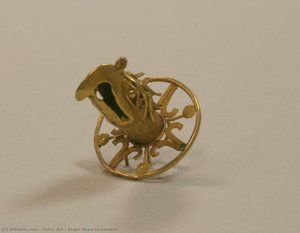
      Eagle Head Ornament av Aztekerriket
      #38

      Eagle Head Ornament

      Metropolitan Museum of Art

      Before us lies a captivating artifact – an Aztec Eagle Head Ornament, a tangible link to one of Mesoamerica's most formidable empires. More than just a decorative object,…

      Ta med deg dette lyset hjem →
      Skull Pendant av Aztekerriket
      #39

      Skull Pendant

      Metropolitan Museum of Art

      Gazing upon this black and white photograph, one is immediately drawn to the stark simplicity and profound symbolism of the Aztec skull pendant. More than a mere decorative…

      Bestill dette lerretet →
      Stamp (1521) av Aztekerriket
      #40

      Stamp

      1521 · Metropolitan Museum of Art

      Within the realm of ancient Mesoamerica lies a deceptively simple object – a terracotta stamp, often referred to as a “stamp” in modern parlance. Yet, this unassuming artifact…

      Bestill dette lerretet →
      Female Deity av Aztekerriket
      #41

      Female Deity

      Metropolitan Museum of Art

      The photograph before you offers an arresting window into the heart of Aztec spirituality – a sculpted representation of a female deity, rendered with a profound sense of…

      Få det malt for hånd →
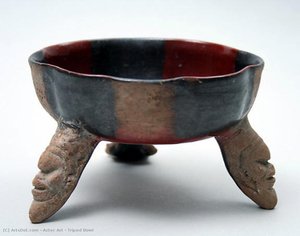
      Tripod Bowl av Aztekerriket
      #42

      Tripod Bowl

      Metropolitan Museum of Art

      To gaze upon this Tripod Bowl is to reach across the vast expanse of time, directly into the vibrant heart of the Aztec Empire. It is not merely…

      Maize Deity (Chicomecoatl) av Aztekerriket
      #43

      Maize Deity (Chicomecoatl)

      Metropolitan Museum of Art

      Carved from basalt, this sculpture represents Chicomecoatl, the Mexica goddess of maize. The figure is rendered in a frontal, upright posture with arms raised in a gesture of…

      Seated Female Deity av Aztekerriket
      #44

      Seated Female Deity

      Metropolitan Museum of Art

      Seated Female Deity: A Reflection of Aztec Spirituality The image presents a grayscale photograph of an Aztec sculpture depicting a seated female deity. The sculpture is rendered in…

      Kneeling Male Figure av Aztekerriket
      #45

      Kneeling Male Figure

      Metropolitan Museum of Art

      To gaze upon the Kneeling Male Figure is to reach across the vast chasm of five centuries, touching the solemn breath of an empire long dissolved into myth…

      Seated Male av Aztekerriket
      #46

      Seated Male

      Metropolitan Museum of Art

      is a stone sculpture created by the Aztec Empire. Originating from Mexico, Mesoamerica, the work belongs to the Mexica (Aztec) culture. It dates to the 15th–early 16th century.

      Ritualstein (Pulidor) (1521) av Aztekerriket
      #47

      Ritualstein (Pulidor)

      1521 · Metropolitan Museum of Art

      The “Ritual Stone,” or *pulidor*, stands as a poignant testament to the artistic prowess and spiritual beliefs of the Aztec Empire—a civilization that flourished between 1300 and 1521…

      Bestill dette lerretet →
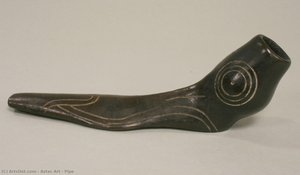
      Pipe (1521) av Aztekerriket
      #50

      Pipe

      1521 · Metropolitan Museum of Art
      Seated Male Deity av Aztekerriket
      #51

      Seated Male Deity

      Metropolitan Museum of Art

      The Aztec Empire, a civilization that flourished in Mesoamerica for centuries, left behind a legacy of breathtaking artistry and profound spiritual belief. Among its most compelling creations stands…

      Få det malt for hånd →
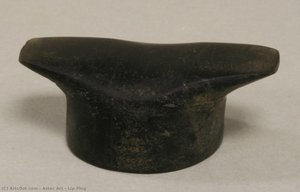
      Lip Plug av Aztekerriket
      #52

      Lip Plug

      Metropolitan Museum of Art

      To gaze upon this artifact is to reach across the vast expanse of time, touching the cool, dark permanence of an ancient civilization. This piece, an Aztec Lip…

      Få det malt for hånd →
      Uilacapitztli (Pottery Flute) av Aztekerriket
      #54

      Uilacapitztli (Pottery Flute)

      Metropolitan Museum of Art

      To gaze upon the Uilacapitztli is not merely to observe an artifact; it is to reach across the vast expanse of centuries and touch the very breath of…

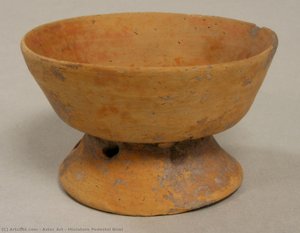
      Miniature Pedestal Bowl av Aztekerriket
      #55

      Miniature Pedestal Bowl

      Metropolitan Museum of Art

      To gaze upon this miniature pedestal bowl is to reach across the vast expanse of time, to hold in one's hands a tangible whisper from the heart of…

      Standard-Bearer (1519) av Aztekerriket
      #57

      Standard-Bearer

      1519

      This stark figure displays the minimalism and monumentality of Aztec stone sculpture. The rigid pose resembles the block of stone from which it was carved. In contrast, the…

      Få det malt for hånd →
      Drum (Teponaztli) av Aztekerriket
      #58

      Drum (Teponaztli)

      Metropolitan Museum of Art

      To gaze upon this representation of an Aztec Teponaztli is not merely to observe an artifact; it is to listen for a silence that holds echoes. This magnificent…

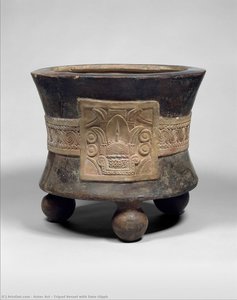
      Tripod Vessel with Date Glyph av Aztekerriket
      #59

      Tripod Vessel with Date Glyph

      Metropolitan Museum of Art

      The image before us presents more than just a ceramic object; it’s a tangible fragment of the Aztec Empire, a silent chronicle etched in clay and imbued with…

      Bowl av Aztekerriket
      #60

      Bowl

      Metropolitan Museum of Art

      Gazing upon this meticulously rendered reproduction of an Aztec bowl is akin to stepping back in time, directly into the heart of Tenochtitlan, the magnificent capital city of…

      Bestill dette lerretet →
      Maize Deity (Chicomecoatl) av Aztekerriket
      #61

      Maize Deity (Chicomecoatl)

      Metropolitan Museum of Art

      Standing before this weathered stone sculpture, one is immediately transported to the heart of ancient Mexico – a realm where the divine intertwined seamlessly with the rhythms of…

      Stamp, Butterfly av Aztekerriket
      #62

      Stamp, Butterfly

      Metropolitan Museum of Art

      Stamp, Butterfly - A Fragment of Aztec Cosmology The image presents a captivating glimpse into the artistic heritage of the Aztec Empire—specifically, a ceramic stamp depicting a butterfly…

      Ta med deg dette lyset hjem →
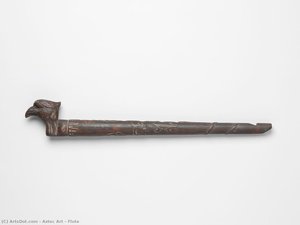
      Flute av Aztekerriket
      #63

      Flute

      Metropolitan Museum of Art

      Within the vast tapestry of Aztec artistry lies a deceptively simple instrument – the flute, often referred to as *uilacapitztli* (meaning “flute-head”). More than just a musical device,…

      Bestill dette lerretet →
      Miniature Pedestal Bowl av Aztekerriket
      #64

      Miniature Pedestal Bowl

      Metropolitan Museum of Art

      Gazing upon this exquisite miniature pedestal bowl offers more than just an appreciation of its delicate form; it’s a portal into the heart of the Aztec Empire, a…

      Ear Ornament av Aztekerriket
      #65

      Ear Ornament

      Metropolitan Museum of Art

      To hold an object from the heart of the Aztec Empire is to touch the very pulse of Mesoamerican history. This exquisite ear ornament, a masterwork of the…

      Miniature Tripod Vase av Aztekerriket
      #66

      Miniature Tripod Vase

      Metropolitan Museum of Art

      The world of ancient Mesoamerica pulses with an undeniable energy – a vibrant blend of ritual, conquest, and breathtaking artistry. Within this rich tapestry, the miniature tripod vase…

      Få det malt for hånd →
      Stamp, Monkey av Aztekerriket
      #67

      Stamp, Monkey

      Metropolitan Museum of Art

      Imagine holding a tangible piece of history – a small, unassuming ceramic stamp from the heart of the Aztec Empire. This particular artifact, depicting a stylized monkey in…

      Ta med deg dette lyset hjem →
      Bowl av Aztekerriket
      #68

      Bowl

      Metropolitan Museum of Art

      In the quiet presence of this ancient Aztec bowl, one can almost hear the rhythmic pulse of a civilization that once commanded the heart of Mesoamerica. This ceramic…

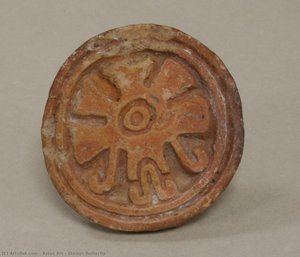
      Flat Stamp with Geometric Flower av Aztekerriket
      #69

      Flat Stamp with Geometric Flower

      Metropolitan Museum of Art

      This striking ceramic stamp, a relic of the Aztec Empire, isn’t merely an artifact; it's a portal to a civilization brimming with intricate symbolism and profound artistic skill.…

      Aztekerrikets lerreter, periode for periode

      Hva Aztekerriket malte mest av

      De fire motivene som går igjen oftest på disse lerretene, hver med sitt mest kjente eksempel.

      Der Aztekerriket sine lerreter henger

      De 5 museene som innehar flest av maleriene på denne siden.

      Museum By Verker av Aztekerriket Malerier fra denne listen
      Metropolitan Museum of Art, New YorkMetropolitan Museum of Art New York 51 Head from a Figure, Xochipilli Macuilxochitl, Figure, Kneeling Male Figure
      British Museum, LondonBritish Museum London 1 Mosaic of a Double-headed Serpent
      Cleveland Museum of Art, ClevelandCleveland Museum of Art Cleveland 1 Pendent in the Shape of a Warrior
      Rhode Island School of Design Museum of Art, ProvidenceRhode Island School of Design Museum of Art Providence 1 Spider Monkey
      Dumbarton Oaks Research Library and Collection, Washington, D.C.Dumbarton Oaks Research Library and Collection Washington, D.C. 1 Tlazolteotl (Birthing Figure)

      Aztekerrikets mest kjente lerreter, tiår etter tiår

      1. 1350s
        Pendent in the Shape of a Warrior (1350) av Aztekerriket
        Rangert som 6 av 70

        Pendent in the Shape of a Warrior

        Alder 50 – 59 · Cleveland Museum of Art

        To hold this piece in your mind is to encounter the quiet strength of the Post-classic period. This small, metallic figure, likely worn close to the body, captures…

      2. 1420s
        Aztec Sun Stone (Calendar Stone) (1427) av Aztekerriket
        Rangert som 20 av 70

        Aztec Sun Stone (Calendar Stone)

        Alder 120 – 129

        The Aztec Sun Stone (Calendar Stone) is a significant work attributed to the Aztec Empire. Carved by the Mexica at the end of the Mesoamerican Postclassic Period, this…

      3. 1460s
      4. 1480s
      5. 1500s
        Coyote (1500) av Aztekerriket
        Lerret 23 av 70

        Coyote

        Alder 200 – 209
      6. 1510s
        Standard-Bearer (1519) av Aztekerriket
        Lerret 57 av 70

        Standard-Bearer

        Alder 210 – 219

        This stark figure displays the minimalism and monumentality of Aztec stone sculpture. The rigid pose resembles the block of stone from which it was carved. In contrast, the…

      7. 1520s
        Mosaic of a Double-headed Serpent (1521) av Aztekerriket
        Rangert som 1 av 70

        Mosaic of a Double-headed Serpent

        Alder 220 – 221 · British Museum

        To gaze upon this mosaic of a double-headed serpent is to step directly into the vibrant, myth-laden heart of the Aztec Empire. It is not merely an object…

      Aztekerrikets lerreter, spørsmål for spørsmål

      Hvilket maleri er Aztekerriket mest kjent for?Les svaret

      Mosaic of a Double-headed Serpent (1521), British Museum, London. Head from a Figure, Xochipilli Macuilxochitl (1521) og Figure (1521) følger.

      Mosaic of a Double-headed Serpent: hvor gammel var Aztekerriket da det ble malt?Les svaret

      Aztekerriket, født i 1300, var 221 år gammel: Mosaic of a Double-headed Serpent er fra 1521.

      Hva er de ti mest kjente maleriene til Aztekerriket?Les svaret

      Mosaic of a Double-headed Serpent, Head from a Figure, Xochipilli Macuilxochitl, Figure, Kneeling Male Figure, Serpent Labret med Artikulerende Tann, Pendent in the Shape of a Warrior, Figure, Vulture Vessel, Standard Bearer og Crested Figure (Macuilxochitl). Hvert lerret i rangeringen ovenfor er oppgitt med årstall og museum.

      Hvor mange malerier har Aztekerriket skapt?Les svaret

      70 verk av Aztekerriket finnes i vår katalog, datert fra 1350 til 1521.

      Hvor henger Aztekerrikets mest kjente malerier i dag?Les svaret

      Hovedsakelig i Metropolitan Museum of Art (New York), British Museum (London) og Cleveland Museum of Art (Cleveland); listen ovenfor navngir hvert museum og deres lerreter.

      Når malte Aztekerriket sine mest kjente lerreter?Les svaret

      I 1520s, som utgjorde 29 av de 70 verkene på denne siden, var Mosaic of a Double-headed Serpent blant dem.

      Hvilket berømt lerret av Aztekerriket kom først, og hvilket kom sist?Les svaret

      Det eldste lerretet her er fra Pendent in the Shape of a Warrior (1350); det nyeste er fra Mosaic of a Double-headed Serpent (1521).

      Hvilke motiver malte Aztekerriket mest av?Les svaret

      Mesoamerica (20), Aztec (16) og Sculpture (13), fordelt på 70 verk på denne siden.

      Hvilket medium er mest fremtredende i Aztekerriket sine malerier?Les svaret

      Stone, brukt i 15 av de 70 verkene på denne siden.

      Hvilke malerier av Aztekerriket er i Metropolitan Museum of Art sin samling?Les svaret

      Metropolitan Museum of Art, New York har 51 av verkene på denne siden, inkludert Head from a Figure, Xochipilli Macuilxochitl, Figure og Kneeling Male Figure.

      Hvor kan jeg kjøpe en reproduksjon av et maleri av Aztekerriket?Les svaret

      Ja. Hvert maleri på denne siden kan bestilles fra sin egen side som en håndmalt oljereproduksjon, eller som et kunsttrykk i den størrelsen du velger.

      Møt maleren: Aztekerriket

      Steinens ekko: En utforskning av Aztekrikets kunst og arv

      Navnet «Aztek» – utledet fra det nahuatliske ordet ātl-ce-tlācati–tlān, som betyr «folk av mange former» – fremmaner bilder av et enormt og komplekst imperium som dominerte Mesoamerika i århundrer. Mer enn bare krigere og erobrere, var aztekene dypt kunstneriske individer som vevde intrikat skjønnhet inn i alle aspekter av sine liv – fra monumental arkitektur til delikat fjærkunst, fra hellige ritualer til hverdagslige gjenstander. Kunsten deres var ikke bare dekorativ; den var et levende språk som kommuniserte religiøs tro, politisk makt, historiske fortellinger og sosiale hierarkier i et samfunn som var både strengt strukturert og bemerkelsesverdig innovativt.

      De kunstneriske tradisjonene til aztekene sprang ut i det tidlige 14. århundre i Tenochtitlan, hjertet av Aztekriket, og var dypt forankret i arven fra tidligere mesoamerikanske sivilisasjoner. Olmekerne, med sine kolossale hoder og sofistikerte kalendersystemer, Teotihuacan-folket, kjent for sine massive pyramider og byplanlegging, og Toltekerne, mestere innen metallarbeid og skulptur, bidro alle til den rike kunstneriske veven som aztekene arvet. Likevel var ikke aztekene bare etterlignere; de syntetiserte disse influensene med sin egen unike estetiske sans og utviklet en særpreget stil karakterisert av dristige farger, intrikate geometriske mønstre og symbolske representasjoner.

      Maktens palett: Materialer og teknikker

      Aztekisk kunst var bemerkelsesverdig mangfoldig og tok i bruk et forbløffende spekter av materialer og teknikker. Steinhogging holdt en fremtredende plass, eksemplifisert ved monumentale skulpturer som avbildet guddommer, herskere og mytiske vesener. Den massive Solsteinen (Kalendersteinen), oppdaget i lag 1946, står som et vitnesbyrd om deres mestring av dette mediet – et komplekst, lagdelt steinrelieff som kombinerte kalendrinformasjon med kosmologisk symbolikk. Dyktige håndverkere arbeidet også med tre, leire, fjær – spesielt de livlige quetzal-fjærene – jade, turkis, obsidian og gull, noe som reflekterte både rikdom og status.

      Fjærkunst var kanskje det mest visuelt slående aspektet ved aztekisk kunst. Intrikat utformede hodeplagg, kapper, skjold og andre dekorative gjenstander ble skapt ved bruk av tusenvis av møysommelig arrangerte fjær – en prosess som krevde enorm ferdighet og tålmodighet. Disse objektene var ikke bare vakre; de fungerte som mektige symboler på autoritet, religiøs hengivenhet og sosial rang. Fargene i seg selv bar spesifikke betydninger: blått representerte himmelen, grønt symboliserte fruktbarhet, rødt betegnet krigføring, og gult representerte solen.

      Videre var aztekiske kunstnere mestere av mosaikkarbeid, der de skapte fantastiske dekorative paneler ved bruk av små, presist kuttede steinfliser. Disse mosaikkene prydet templer, palasser og private boliger, og tilførte et lag av visuell rikdom til det bygde miljøet. Keramikken deres var like imponerende, med intrikate geometrisjonsmønstre og fremstillinger av dyr og guddommer.

      Symbolenes språk: Temaer og motiver

      Aztekisk kunst er gjennomsyret av symbolikk, der hvert bilde bærer lag av mening som krevde nøye tolkning av prester, skrivere og herskere. Den sentrale guddommen, Huitzilopochtli, krigens og solens gud, ble ofte avbildet i forseggjorte hodeplagg prydet med fjær og edelstener. Quetzalcoatl, den fjærkledde slangeguden assosiert med kunnskap, visdom og skapelse, hadde en fremtredende plass i deres panteon og dukket opp i utallige kunstneriske representasjoner.

      Kalendersystemet – en bemerkelsesverdig sofistikert kombinasjon av sol- og rituelle sykluser – var et annet tilbakevendende motiv. Bilder av kalendere, glyfer og astronomiske symboler ble integrert i skulpturer, mosaikker og kodikser (illustrerte bøker), noe som reflekterte aztekernes dype forståelse av tid og kosmologi. Fremstillinger av mais, selve grunnlaget i deres kosthold, symboliserte næring og fruktbarhet. Dyremotiver – særlig jaguarer, ørner, slanger og kolibrier – bar en symbolsk betydning knyttet til makt, mot og guddommelighet.

      En arv i fragmenter: Kunst og historisk betydning

      Aztekrikets plutselige kollaps under de spanske conquistadorene i 1521 førte til et knusende tap for den mesoamerikanske kulturen. Tragisk nok ble mye av deres kunstneriske arv ødelagt under erobringen – templer ble jevnet med jorden, skulpturer knust og kodikser brent. Men til tross for disse tapene, overlever fragmenter av aztekisk kunst i dag og tilbyr uvurderlig innsikt i denne bemerkelsesverdige sivilisasjonen.

      Fremtredende eksempler inkluderer Solsteinen, en monumental skulptur som viser aztekernes avanserte kunnskap om astronomi og matematikk; intrikate hodeplagg og kapper i fjærkunst bevart på museer over hele verden; og de gjenværende kodiksene – håndskrevne bøker som inneholder historiske beretninger, religiøs tro og kalendrinformasjon. Colección Andrés Blaisten i Mexico huser en betydelig samling av latinamerikansk kunst, inkludert eksempler som belyser aztekiske kunsttradisjoner.

      Innflytelsen fra Aztekrikets kunstneriske arv kan fortsatt ses i dag, og inspirerer både samtidige kunstnere og designere. Deres innovative teknikker, symbolske billedspråk og dype forbindelse til naturen fortsetter å resonnere med et publikum over hele verden. Å utforske aztekernes kunst er ikke bare en øvelse i historisk verdsettelse; det er en reise inn i hjertet av en kompleks og fengslende sivilisasjon – et vitnesbyrd om menneskelig kreativitet, oppfinnsomhet og åndelig dybde.

      For å utforske flere kunstverk fra Aztekriket og andre fremtredende kunstnere, besøk TopImpressionists.com.

      Alle 70 verk av Aztekerriket →