

Malarz
Sandro Botticelli
Sandro Botticelli (1445-1510) – włoski malarz renesansowy, znany z 'Narodzenia Wenus' i 'Wiosny'. Jego dzieła pełne są piękna, mitologii i symboliki. Odkryj jego artystyczną wizję!
Wszystkie dzieła artysty Sandro Botticellina biurku kuratora

Sandro Botticelli’s "Primavera," painted in 1482 during the heart of Florence's artistic explosion, isn’t merely a painting; it’s an immersive experience, a vibrant tapestry woven with classical mythology, humanist ideals, and the sheer joy of springtime. This iconic work transcends its historical context to resonate deeply with viewers today, offering a glimpse into a world brimming with beauty, love, and renewal. The Uffizi Gallery in Florence houses this masterpiece, but owning a meticulously crafted hand-painted reproduction from wahooart.com allows you to bring the spirit of “Primavera” directly into your home or office – a truly transformative addition to any space.
At first glance, the scene unfolds like a dream: a lush, verdant landscape bathed in an ethereal light. Central to this idyllic vista stands Venus, the Roman goddess of love and beauty, gracefully positioned on a magnificent scallop shell. She’s not depicted as a stern or imposing deity, but rather with a serene, almost approachable quality – a symbol of gentle affection and artistic grace. Surrounding her is a constellation of figures: playful nymphs dancing in a circle, Zephyr, the west wind, embracing Chloris, who transforms into Flora, the goddess of flowers; Mercury, poised to dispel winter’s gloom; and Cupid, his bow drawn, ready to unleash love's arrows. Each figure contributes to a dynamic composition, creating a sense of movement and harmonious interaction.
Botticelli’s distinctive style is immediately recognizable – characterized by elegant linearity and a delicate use of color. Unlike the heavier, more realistic styles emerging at the time, Botticelli favored a lighter, almost ethereal approach. “Primavera” showcases his mastery of composition, blending Gothic influences with the burgeoning Renaissance ideals of classical beauty and proportion. The painting employs tempera or oil on a wooden panel – a technique that allowed for incredible detail and a luminous quality, capturing the subtle nuances of light and shadow. Notice how Botticelli uses flowing lines to define the figures’ drapery, creating an impression of movement and grace even in stillness. The palette is rich but restrained, dominated by greens, blues, and golds, evoking the vibrancy of spring without overwhelming the eye.
“Primavera” is a treasure trove of symbolism, inviting viewers to delve deeper into its narrative layers. The golden oranges scattered throughout the scene are often interpreted as symbols of abundance, fertility, or even the fleeting nature of time – a poignant reminder of life’s preciousness. The presence of Venus, representing love and beauty, alongside Flora, symbolizing spring's renewal, suggests a celebration of both romantic passion and natural rebirth. The blindfolded Cupid, poised to shoot his arrows, embodies the unpredictable and often chaotic nature of love itself. Even the dark forest in the background can be seen as a symbolic representation of the transition from winter’s dormancy to springtime’s awakening.
Botticelli's "Primavera" is more than just a beautiful painting; it’s a testament to the enduring power of art. wahooart.com offers exquisite, hand-painted reproductions that capture the essence of this iconic work, allowing you to experience its magic firsthand. Whether you are an art enthusiast, a collector seeking a statement piece, or simply someone who appreciates beauty and elegance, a “Primavera” reproduction is sure to bring joy and inspiration to your surroundings. Bring the spirit of Renaissance splendor into your home – order your hand-painted reproduction today.
Nie znaleziono żadnych pytań pasujących do wyszukiwania. Nasz Konsjerż chętnie Ci pomoże.
Format dzieła "Primavera" to Pozioma, a wymiary oryginału wynoszą 203 x 314 cm. Obie te informacje są przydatne przy planowaniu reprodukcji.
Tematyka obecna w „Primavera” – Sandro Botticelli obejmuje mythology, renaissance, venus, spring, nymphs, botticelli, harmony. Razem stanowią one podsumowanie tematyki dzieła.
"Primavera" powstało w 1482 roku. Data ta pozwala umiejscowić dzieło w kontekście twórczości Sandro Botticelli oraz epoki, w której powstało.
"Primavera" powstało przy użyciu Obraz olejny na płótnie, w stylu Early Renaissance.
Oryginalne wymiary dzieła „Primavera” to 203 x 314 cm. Znajomość pierwotnej skali może być pomocna przy wyborze odpowiedniego rozmiaru reprodukcji.
Autorem dzieła "Primavera" jest Sandro Botticelli, a datowanie pracy pochodzi z 1482 roku.
"Primavera" pochodzi z epoki Renesans.
„Primavera” – Sandro Botticelli jest klasyfikowane jako Ikoniczne i należy do nurtu Early Renaissance.
Kolorystyka dzieła "Primavera" charakteryzuje się nasyceniem na poziomie Subtelna kolorystyka oraz intensywnością wynoszącą Monochromatyczność.
Jasność zarejestrowana dla „Primavera” – Sandro Botticelli wynosi Najciemniejszy.
Dominującym odcieniem w „Primavera” – Sandro Botticelli jest Od bursztynu po szafran.
Pytanie 1 z 5
Jaki jest główny temat malarstwa "Primavera"?
Pytanie 2 z 5
Który z poniższych artystów jest twórcą malarstwa "Primavera"?
Pytanie 3 z 5
W którym roku powstało dzieło "Primavera"?
Pytanie 4 z 5
Jaką technikę malarską wykorzystał Sandro Botticelli do stworzenia "Primavera"?
Pytanie 5 z 5
Jakie symbole znajdują się w obrazie, wskazujące na temat wiosny i płodności?
Twój wynik
0 / 5
Każda odpowiedź znajduje się gdzieś na tym biurku.
Aktualny wynik: 0 / 5
"Primavera" emanuje Duchowy nastrojem, a zarekomendowanym pomysłem na prezent jest Ślub.
Biorąc pod uwagę jego Barwy ziemi kolorystykę, dzieło "Primavera" idealnie pasuje do Salon lub strefa dzienna.
Zalecane zastosowanie (Manifestacja artystyczna) oraz przestrzeń (Salon lub strefa dzienna) to dwie rekomendacje dla dzieła „Primavera” – Sandro Botticelli.
Jako prezent polecamy „Primavera” – Sandro Botticelli dla Ślub. Doskonale sprawdzi się on również przy innych okazjach.
Malarz
Sandro Botticelli (1445-1510) – włoski malarz renesansowy, znany z 'Narodzenia Wenus' i 'Wiosny'. Jego dzieła pełne są piękna, mitologii i symboliki. Odkryj jego artystyczną wizję!
Wszystkie dzieła artysty Sandro BotticelliSandro Botticelli miał 37 lat w momencie powstania „Primavera” w 1482. Wiek ten obliczono na podstawie roku urodzenia artysty, 1445.
W dorobku Sandro Botticelli, "Primavera" wpisuje się w styl Early Renaissance, nawiązując do tematów takich jak classical mythology, renaissance ideals, medici patronage, spring celebration, botticelli’s style.
Oryginał dzieła „Primavera” można zobaczyć w Galleria degli Uffizi, Florencja, Italy.
„Primavera” – Sandro Botticelli jest należy do domeny publicznej – autorskie prawa majątkowe wygasły. Okres ochrony praw autorskich liczony jest od śmierci artysty, która nastąpiła w 1510.
Nie – dzieło znajduje się poza granicami kraju artysty. Sandro Botticelli urodził(a) się w Włochy, natomiast muzeum przechowujące oryginał dzieła „Primavera” znajduje się w Italy.
Status praw autorskich do dzieła „Primavera” – Sandro Botticelli jest jasny: utwór znajduje się w należy do domeny publicznej – autorskie prawa majątkowe wygasły. Jego obecność w Galleria degli Uffizi nie zmienia tego stanu rzeczy.
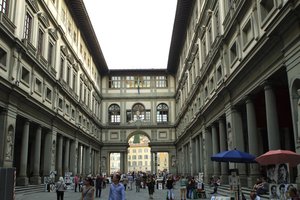
Miejsce zawieszenia
Odkryj renesansowe arcydzieła Galerii Uffizi we Florencji! Botticelli, Leonardo da Vinci i Michał Anioł czekają – niezapomniane artystyczne doświadczenie.
Odwiedź stronę Galleria degli UffiziObraz „Primavera” – Sandro Botticelli można pobrać na stronie Pobierz plik cyfrowy dzieła: wysokiej rozdzielczości cyfrowe zdjęcie do pobrania.
Prezentację slajdów utworu "Primavera" można obejrzeć na stronie Prezentacja slajdów tego dzieła.
Przewodnik po "Primavera" to strona Karta informacyjna dla uczniów dzieła sztuki – nadrukowalna karta informacyjna zawierająca opis utworu, informacje o autorstwie oraz tabelę danych (artysta, daty, technika, wymiary oryginału, kolekcja).
Strona Statystyki wyświetleń dzieła „Primavera” – Sandro Botticelli przedstawia statystyki odwiedzin: miesięczną liczbę wyświetleń tego dzieła, porównanie z najczęściej oglądanymi pracami artysty oraz informacje o pochodzeniu odwiedzających.


