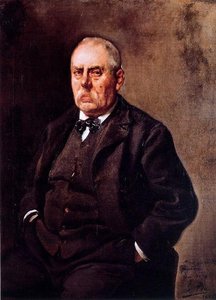
Cecilio Pla y Gallardo (1860 – 1934) emerged from Valencia, Spain, as a pivotal figure in the Costumbrismo movement—a genre singularly devoted to documenting and celebrating the commonplace realities and landscapes of Spanish rural society. While largely absent from the annals of art history during his lifetime, Pla’s artistic legacy persists powerfully through his role as an instructor at San Fernando Academy and remains enshrined within the enduring heritage of Spanish artistic expression. His canvases transcend mere visual representation; they resonate with emotion—a palpable connection to a bygone era that continues to captivate scholars and admirers alike.
Early Life & Education: Seeds of Impressionism
Born in Valencia, Pla’s formative years were profoundly shaped by the influence of Marià Fortuny—a Valencian painter who ascended to prominence as a champion of Impressionistic techniques and bravely tackled themes central to Spanish national identity. Fortuny's artistic vision served as an undeniable catalyst for Pla’s own stylistic evolution, fostering within him a fascination with capturing fleeting moments and conveying atmospheric nuances—elements that would become hallmarks of Pla’s distinctive oeuvre. This early exposure instilled in Pla a deep appreciation for innovative approaches to artmaking and cemented his commitment to exploring the expressive potential of Impressionism.
Pla’s artistic style was firmly rooted in Costumbrismo, prioritizing meticulous realism interwoven with subtle brushstrokes imbued with Impressionistic sensibilities. He eschewed flamboyant palettes for muted hues—a deliberate choice designed to heighten the emotional impact of his landscapes and portraits alike. Pla’s gaze focused intently on capturing the atmosphere—the very essence—of rural environments inhabited by women engaged in everyday domestic activities. His painstaking attention to detail conveyed an unparalleled understanding of his subjects, reflecting a profound respect for observation and artistic precision. The textured brushstrokes he employed further enriched the visual experience, inviting viewers to immerse themselves in the palpable spirit of Spanish countryside life.
Notable Works & Artistic Achievements: Capturing Essence
Pla’s prolific output comprises numerous paintings that exemplify Costumbrismo's core tenets—a testament to his unwavering dedication to portraying authentic depictions of Spanish rural existence. “Retrato de Mujer,” depicting a serene woman bathed in the soft light of a tranquil rural setting, exemplifies Pla’s ability to communicate emotion through carefully considered visual elements. The composition itself speaks volumes about the dignity and tranquility inherent in rural life—a theme that resonated deeply with Fortuny's artistic sensibilities. Similarly, “Pintura en paleta” presents an artist’s palette as the backdrop for a domestic scene—a deliberate stylistic choice reflecting Pla’s unwavering fascination with capturing the very soul of Spanish life and artistic practice. This evocative image underscores Pla’s belief that art should strive to embody the spirit of its time. "Escondidas," showcasing four women in a quiet interior space, demonstrates Pla's masterful command of tonal harmony and textural brushstrokes—techniques honed through years of disciplined observation and artistic experimentation.
San Fernando Academy & Artistic Legacy: Shaping Future Generations
Pla’s influence extended far beyond his individual artworks; he solidified his reputation as an educator at San Fernando Academy, fostering generations of aspiring artists who embraced Impressionistic ideals. His teaching methods prioritized direct engagement with nature—encouraging students to meticulously record visual impressions and translate them into expressive paintings. Pla instilled in his pupils a commitment to artistic integrity and championed the pursuit of beauty—values that continue to inform the artistic sensibilities of Spanish painters today. His legacy resides not merely in the stylistic innovations he championed but also in the enduring spirit of observation and empathy that characterized his pedagogical approach.
Historical Significance: A Window into Spain’s Late 19th Century
Pla y Gallardo's paintings stand as invaluable records of a specific period in Spanish history—the late 1800s, a time marked by social upheaval and artistic experimentation. They offer poignant glimpses into the customs, traditions, and daily lives of ordinary Spaniards—a perspective often overlooked in grand narratives of historical progress. Pla’s work contributes significantly to our understanding of Costumbrismo's role as a counterpoint to academic art, demonstrating that beauty could be found not only in idealized representations but also in honest portrayals of everyday existence. His enduring artistic vision continues to inspire scholars and artists alike—a testament to the power of art to capture and transmit cultural memory across generations.
Explore the captivating world of José Gutiérrez Solana, a pivotal Spanish Expressionist painter. Discover his haunting depictions of early 20th-century Spain, influenced by Goya & El Greco. Learn about his key works and lasting legacy.
Explore the life & art of Giuseppe Maria Crespi, a pivotal Bolognese Baroque painter. Discover his groundbreaking genre scenes, religious works, and lasting influence on Italian art history. Learn more at TopImpressionists.
Poznaj fascynujący świat baroku hiszpańskiego! Analiza dramatycznego realizmu Velázqueza, Zurbarána i Ribery oraz wpływu kontrreformacji na sztukę. Ekspercka wiedza dla kolekcjonerów i miłośników historii malarstwa.