Pracownia — Bezpłatna wysyłka na cały świat — Czas dostawy: 2–6 tygodni
      Imperium Azteków, 1300 – 1521

      70 najsłynniejszych obrazów artysty Imperium Azteków

      Mosaic of a Double-headed Serpent (1521) to obraz, z którego najbardziej znany jest Imperium Azteków; znajduje się on w British Museum, Londyn. Head from a Figure, Xochipilli Macuilxochitl (1521) oraz Figure (1521) dopełniają trio najbardziej uwielbianych płócien. Nasz katalog obejmuje 70 dzieł autorstwa Imperium Azteków. Oto 70 najsłynniejszych z nich, wraz z rokiem powstania, informacją o muzeum oraz historią każdego płótna.

      Ranking oparty na naszym wskaźniku popularności, który łączy liczbę wyszukiwań, wizyt oraz zamówień dla każdego dzieła. Aktualizacja: Październik 2026. Każdy obraz na tej stronie można zamówić jako ręcznie malowaną reprodukcję olejną na płótnie lnianym lub jako wysokiej jakości wydruk artystyczny, wykonany w wybranym przez Ciebie formacie.

      Portret Imperium Azteków
      Imperium Azteków · 1300 – 1521
      Urodzony · zmarł
      1300 – 1521, Tenochtitlan
      Dzieła w naszym katalogu
      70
      Najsłynniejsze
      Mosaic of a Double-headed Serpent (1521)
      Najwięcej dzieł w
      Metropolitan Museum of Art

      Dziesięć najpopularniejszych obrazów, których autorem jest Imperium Azteków

      Mosaic of a Double-headed Serpent (1521) autorstwa Imperium Azteków
      1

      Mosaic of a Double-headed Serpent

      1521 · Mosaic · British Museum, Londyn

      To gaze upon this mosaic of a double-headed serpent is to step directly into the vibrant, myth-laden heart of the Aztec Empire. It is not merely an object of decoration; it is a captured echo of profound belief, a testament to a civilization whose artistry wove the sacred into the very fabric of daily existence. The serpentine form dominates the composition, its sinuous body rendered in breathtaking detail across countless…

      Head from a Figure, Xochipilli Macuilxochitl (1521) autorstwa Imperium Azteków
      2

      Head from a Figure, Xochipilli Macuilxochitl

      1521 · Sculpture · Metropolitan Museum of Art, Nowy Jork

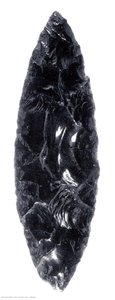
      The obsidian head before us—a dark, almost brooding presence—isn’t merely a sculpture; it's a portal into the vibrant and complex world of the Aztec Empire. Carved in the early 16th century, just decades before the arrival of the Spanish conquistadors, this intimate portrait of Xochipilli Macuilxochitl offers a rare and compelling glimpse into the beliefs, artistry, and ultimately, the fleeting beauty of a vanished civilization. The piece speaks not only…

      Figure (1521) autorstwa Imperium Azteków
      3

      Figure

      1521 · Stone · Metropolitan Museum of Art, Nowy Jork

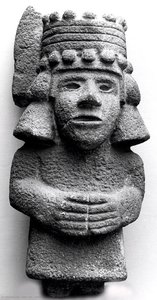
      Before you stands an echo from a civilization whose very name whispers tales of empire and profound spiritual depth: the magnificent "Figure" sculpture. Carved from enduring stone, this piece is not merely an object of antiquity; it is a frozen moment of sacred contemplation. The overall impression is one of solemn power, a tangible connection to the sophisticated worldview of the Aztec people who flourished in the heart of Mesoamerica.…

      Kneeling Male Figure (1521) autorstwa Imperium Azteków
      4

      Kneeling Male Figure

      1521 · Stone · Metropolitan Museum of Art, Nowy Jork

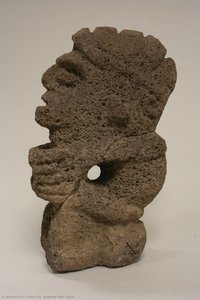
      To gaze upon this fragment is to reach across the vast chasm of five centuries, touching the solemn breath of an empire long dissolved into myth and archaeological wonder. This kneeling male figure, carved from a dark, porous stone—perhaps basalt itself—is more than mere sculpture; it is a captured moment of profound spiritual engagement. The very texture of the material speaks of time, bearing the patina of ritual smoke and…

      Serpent Labret z Żuchwą Złocień Empiarum Azteków autorstwa Imperium Azteków
      5

      Serpent Labret z Żuchwą Złocień Empiarum Azteków

      Akryl na płótnie · Metropolitan Museum of Art, Nowy Jork

      The Serpent Labret with Articulated Tongue stands as one of the most exquisite surviving artifacts from the Aztec Empire, embodying not merely craftsmanship but a profound understanding of cosmology and social hierarchy. Discovered in 1937 during excavations at the Metropolitan Museum of Art’s Egyptian Wing (now relocated to Abu Dhabi), this golden ornament—a testament to the unparalleled skill of Aztec artisans—offers an unparalleled glimpse into the beliefs and aspirations of…

      Pendent in the Shape of a Warrior (1350) autorstwa Imperium Azteków
      6

      Pendent in the Shape of a Warrior

      1350 · Metalwork · Cleveland Museum of Art, Cleveland

      To hold this piece in your mind is to encounter the quiet strength of the Post-classic period. This small, metallic figure, likely worn close to the body, captures a warrior in a moment of poised readiness. The figure is rendered with a striking sense of presence, characterized by a prominent nose, wide eyes, and a slightly protruding mouth that gives the face a distinct, human character. There is a certain…

      Figure (1521) autorstwa Imperium Azteków
      7

      Figure

      1521 · Stone · Metropolitan Museum of Art, Nowy Jork

      This monochrome photograph captures an ancient Aztec sculpture titled Figure. The piece presents a stylized representation of a human figure, likely a deity or important individual within the Aztec culture. Set against a dark background that emphasizes its intricate details, the sculpture is positioned slightly off-center towards the right of the frame.

      Vulture Vessel (1521) autorstwa Imperium Azteków
      8

      Vulture Vessel

      1521 · Ceramic · Metropolitan Museum of Art, Nowy Jork

      This ceramic vessel, produced around 1521 by Aztec artists, takes the shape of a stylized vulture. The object is constructed from earthenware with a robust, cylindrical body. Four curved legs support the structure, positioned to suggest a sense of movement or a bird prepared to perch. The surface is primarily covered in a reddish-brown hue, likely derived from iron oxide pigments. Black glaze defines specific areas, creating bands that outline…

      Standard Bearer (1521) autorstwa Imperium Azteków
      9

      Standard Bearer

      1521 · Stone · Metropolitan Museum of Art, Nowy Jork

      The Aztec sculpture titled "Standard Bearer," a remarkable testament to the artistry and symbolic depth of the pre-Columbian civilization, stands as more than just a carved stone figure. It’s a window into a complex society—a warrior, a leader, a conduit between the earthly realm and the divine. Dating back to approximately 1450-1521 CE, this piece, originating from the region of Veracruz, offers a tangible connection to a world both familiar…

      Crested Figure (Macuilxochitl) (1521) autorstwa Imperium Azteków
      10

      Crested Figure (Macuilxochitl)

      1521 · Metropolitan Museum of Art, Nowy Jork

      Crested Figure (Macuilxochitl): Echoes of Aztec Cosmology The photograph presents a striking depiction of an Aztec sculpture titled “Crested Figure (Macuilxochitl),” originating from the 15th–early 16th century during the height of the Mexica Empire. This artwork embodies the artistic spirit of Mesoamerica, reflecting profound religious beliefs and political authority—a testament to the enduring legacy of a civilization that captivated imaginations for centuries. Overall Impression: The image captures a sculpture crafted…

      Imperium Azteków: płótna od 11 do 70 w rankingu

      Seated Male Deity (1521) autorstwa Imperium Azteków
      #12

      Seated Male Deity

      1521 · Metropolitan Museum of Art

      In the quiet presence of the Seated Male Deity, one does not merely observe a sculpture; one encounters a profound fragment of a lost cosmos. Carved during the…

      Kneeling Female Figure (1521) autorstwa Imperium Azteków
      #13

      Kneeling Female Figure

      1521 · Metropolitan Museum of Art

      In the quiet halls of art history, few objects command as much silent reverence as the Kneeling Female Figure. Carved from the dark, enduring strength of basalt, this…

      Miniature Bowl (1521) autorstwa Imperium Azteków
      #15

      Miniature Bowl

      1521 · Metropolitan Museum of Art

      To gaze upon this miniature bowl is to hold a fragment of deep time in one's hands. It is not merely an object, but a tangible whisper from…

      Fragment of An Anthropomorphic Brazier (1300) autorstwa Imperium Azteków
      #16

      Fragment of An Anthropomorphic Brazier

      1300

      This ceramic fragment presents a vertical arrangement of human-like faces. The central feature is a large, sculpted head, upon which smaller faces are positioned in a stacked, layered…

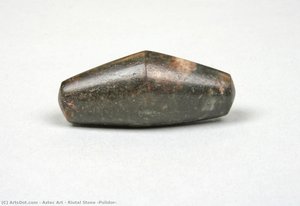
      Riutal Stone (Pulidor) (1521) autorstwa Imperium Azteków
      #17

      Riutal Stone (Pulidor)

      1521 · Metropolitan Museum of Art

      To gaze upon this Riutal Stone (Pulidor) is not merely to observe an artifact; it is to touch the deep, resonant silence of a vanished civilization. This piece,…

      Zamów ręczne malowanie →
      Ear Spool (1521) autorstwa Imperium Azteków
      #18

      Ear Spool

      1521 · Metropolitan Museum of Art

      Before us lies a fragment of a vanished world, a tangible link to the ingenuity and ritualistic practices of the Aztec Empire. This meticulously crafted ear spool, fashioned…

      Zamów ręczne malowanie →
      Seated Female Deity (1521) autorstwa Imperium Azteków
      #19

      Seated Female Deity

      1521 · Metropolitan Museum of Art

      In the quiet shadows of history, certain objects possess the power to bridge the gap between the mortal realm and the eternal. The Seated Female Deity, a profound…

      Aztec Sun Stone (Calendar Stone) (1427) autorstwa Imperium Azteków
      #20

      Aztec Sun Stone (Calendar Stone)

      1427

      The Aztec Sun Stone (Calendar Stone) is a significant work attributed to the Aztec Empire. Carved by the Mexica at the end of the Mesoamerican Postclassic Period, this…

      Mictlantecuhtl (1480) autorstwa Imperium Azteków
      #21

      Mictlantecuhtl

      1480

      A weathered, pale-grey statue of a child figure emerges from a void of absolute black. The surface is heavily eroded, marked by deep cracks and fissures that trace…

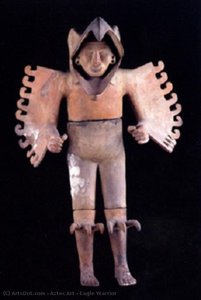
      Eagle Warrior (1469) autorstwa Imperium Azteków
      #22

      Eagle Warrior

      1469

      The artwork titled Eagle Warrior is a terracotta sculpture created by the Aztec Empire. This piece dates to about 1469. The subject of the work is an Aztec…

      Seated Male Deity (1521) autorstwa Imperium Azteków
      #31

      Seated Male Deity

      1521 · Metropolitan Museum of Art

      Before us stands a testament to the profound artistry and spiritual depth of the Aztec Empire – a weathered stone sculpture known as the “Seated Male Deity,” or…

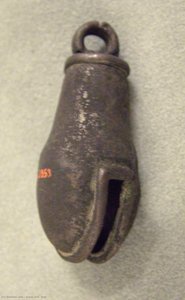
      Bell (1521) autorstwa Imperium Azteków
      #32

      Bell

      1521 · Metropolitan Museum of Art

      Imagine holding a piece of history – not just an artifact, but a tangible echo of a vanished empire. This bronze bell, unearthed from the ruins of Tenochtitlan…

      Zabierz to światło do swojego domu →
      Spider Monkey (1521) autorstwa Imperium Azteków
      #33

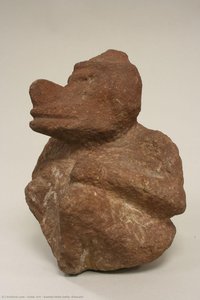
      Spider Monkey

      1521 · Rhode Island School of Design Museum of Art

      This exceptional hand-painted reproduction captures a pivotal moment in Aztec artistic expression – the creation of a remarkably detailed sculpture depicting a spider monkey, dating back to 1521.…

      Cihuateotl (1521) autorstwa Imperium Azteków
      #34

      Cihuateotl

      1521 · Metropolitan Museum of Art

      The stone sculpture known as “Cihuateotl,” a formidable figure emerging from the heart of the Aztec Empire, offers more than just a visual representation; it’s a window into…

      Zamów ręczne malowanie →
      Stamp (1521) autorstwa Imperium Azteków
      #35

      Stamp

      1521 · Metropolitan Museum of Art

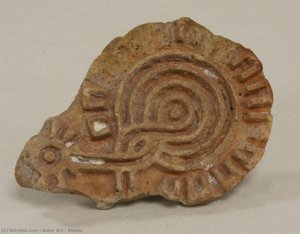
      Before us lies a terracotta fragment, not merely an artifact but a window into the heart of the Aztec Empire. Designated simply as “Stamp,” this weathered ceramic seal…

      Zabierz to światło do swojego domu →
      Feathered Serpent Ornament (1521) autorstwa Imperium Azteków
      #36

      Feathered Serpent Ornament

      1521 · Metropolitan Museum of Art

      In the quiet, hallowed halls of the Metropolitan Museum of Art, there exists a treasure that transcends the boundaries of time and geography. The Feathered Serpent Ornament is…

      Relief (1521) autorstwa Imperium Azteków
      #37

      Relief

      1521 · Metropolitan Museum of Art

      “Relief,” a meticulously crafted stone carving from the heart of the Aztec Empire, stands as more than just an artistic object; it's a window into a vanished world.…

      Zabierz to światło do swojego domu →
      Skull Pendant autorstwa Imperium Azteków
      #39

      Skull Pendant

      Metropolitan Museum of Art

      Gazing upon this black and white photograph, one is immediately drawn to the stark simplicity and profound symbolism of the Aztec skull pendant. More than a mere decorative…

      Zamów to płótno →
      Stamp (1521) autorstwa Imperium Azteków
      #40

      Stamp

      1521 · Metropolitan Museum of Art

      Within the realm of ancient Mesoamerica lies a deceptively simple object – a terracotta stamp, often referred to as a “stamp” in modern parlance. Yet, this unassuming artifact…

      Zamów to płótno →
      Female Deity autorstwa Imperium Azteków
      #41

      Female Deity

      Metropolitan Museum of Art

      The photograph before you offers an arresting window into the heart of Aztec spirituality – a sculpted representation of a female deity, rendered with a profound sense of…

      Zamów ręczne malowanie →
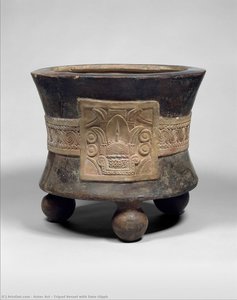
      Tripod Bowl autorstwa Imperium Azteków
      #42

      Tripod Bowl

      Metropolitan Museum of Art

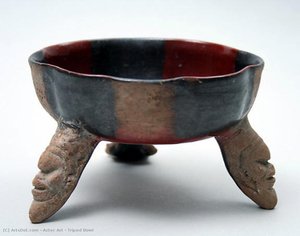
      To gaze upon this Tripod Bowl is to reach across the vast expanse of time, directly into the vibrant heart of the Aztec Empire. It is not merely…

      Maize Deity (Chicomecoatl) autorstwa Imperium Azteków
      #43

      Maize Deity (Chicomecoatl)

      Metropolitan Museum of Art

      Carved from basalt, this sculpture represents Chicomecoatl, the Mexica goddess of maize. The figure is rendered in a frontal, upright posture with arms raised in a gesture of…

      Seated Female Deity autorstwa Imperium Azteków
      #44

      Seated Female Deity

      Metropolitan Museum of Art

      Seated Female Deity: A Reflection of Aztec Spirituality The image presents a grayscale photograph of an Aztec sculpture depicting a seated female deity. The sculpture is rendered in…

      Kneeling Male Figure autorstwa Imperium Azteków
      #45

      Kneeling Male Figure

      Metropolitan Museum of Art

      To gaze upon the Kneeling Male Figure is to reach across the vast chasm of five centuries, touching the solemn breath of an empire long dissolved into myth…

      Seated Male autorstwa Imperium Azteków
      #46

      Seated Male

      Metropolitan Museum of Art

      is a stone sculpture created by the Aztec Empire. Originating from Mexico, Mesoamerica, the work belongs to the Mexica (Aztec) culture. It dates to the 15th–early 16th century.

      Kamień rytualny (pulidor) (1521) autorstwa Imperium Azteków
      #47

      Kamień rytualny (pulidor)

      1521 · Metropolitan Museum of Art

      The “Ritual Stone,” formally known as *pulidor*, stands as a poignant testament to the artistic prowess and spiritual beliefs of the Aztec Empire—a civilization that flourished between 1300…

      Zamów to płótno →
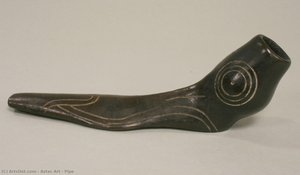
      Pipe (1521) autorstwa Imperium Azteków
      #50

      Pipe

      1521 · Metropolitan Museum of Art
      Seated Male Deity autorstwa Imperium Azteków
      #51

      Seated Male Deity

      Metropolitan Museum of Art

      The Aztec Empire, a civilization that flourished in Mesoamerica for centuries, left behind a legacy of breathtaking artistry and profound spiritual belief. Among its most compelling creations stands…

      Zamów ręczne malowanie →
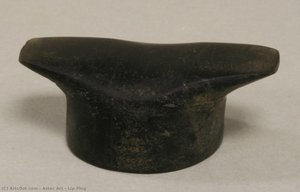
      Lip Plug autorstwa Imperium Azteków
      #52

      Lip Plug

      Metropolitan Museum of Art

      To gaze upon this artifact is to reach across the vast expanse of time, touching the cool, dark permanence of an ancient civilization. This piece, an Aztec Lip…

      Zamów ręczne malowanie →
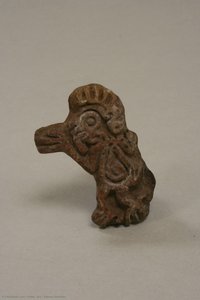
      Uilacapitztli (Pottery Flute) autorstwa Imperium Azteków
      #54

      Uilacapitztli (Pottery Flute)

      Metropolitan Museum of Art

      To gaze upon the Uilacapitztli is not merely to observe an artifact; it is to reach across the vast expanse of centuries and touch the very breath of…

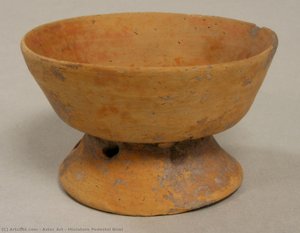
      Miniature Pedestal Bowl autorstwa Imperium Azteków
      #55

      Miniature Pedestal Bowl

      Metropolitan Museum of Art

      To gaze upon this miniature pedestal bowl is to reach across the vast expanse of time, to hold in one's hands a tangible whisper from the heart of…

      Standard-Bearer (1519) autorstwa Imperium Azteków
      #57

      Standard-Bearer

      1519

      This stark figure displays the minimalism and monumentality of Aztec stone sculpture. The rigid pose resembles the block of stone from which it was carved. In contrast, the…

      Zamów ręczne malowanie →
      Drum (Teponaztli) autorstwa Imperium Azteków
      #58

      Drum (Teponaztli)

      Metropolitan Museum of Art

      To gaze upon this representation of an Aztec Teponaztli is not merely to observe an artifact; it is to listen for a silence that holds echoes. This magnificent…

      Tripod Vessel with Date Glyph autorstwa Imperium Azteków
      #59

      Tripod Vessel with Date Glyph

      Metropolitan Museum of Art

      The image before us presents more than just a ceramic object; it’s a tangible fragment of the Aztec Empire, a silent chronicle etched in clay and imbued with…

      Bowl autorstwa Imperium Azteków
      #60

      Bowl

      Metropolitan Museum of Art

      Gazing upon this meticulously rendered reproduction of an Aztec bowl is akin to stepping back in time, directly into the heart of Tenochtitlan, the magnificent capital city of…

      Zamów to płótno →
      Maize Deity (Chicomecoatl) autorstwa Imperium Azteków
      #61

      Maize Deity (Chicomecoatl)

      Metropolitan Museum of Art

      Standing before this weathered stone sculpture, one is immediately transported to the heart of ancient Mexico – a realm where the divine intertwined seamlessly with the rhythms of…

      Stamp, Butterfly autorstwa Imperium Azteków
      #62

      Stamp, Butterfly

      Metropolitan Museum of Art

      Stamp, Butterfly - A Fragment of Aztec Cosmology The image presents a captivating glimpse into the artistic heritage of the Aztec Empire—specifically, a ceramic stamp depicting a butterfly…

      Zabierz to światło do swojego domu →
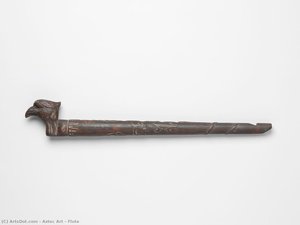
      Flute autorstwa Imperium Azteków
      #63

      Flute

      Metropolitan Museum of Art

      Within the vast tapestry of Aztec artistry lies a deceptively simple instrument – the flute, often referred to as *uilacapitztli* (meaning “flute-head”). More than just a musical device,…

      Zamów to płótno →
      Miniature Pedestal Bowl autorstwa Imperium Azteków
      #64

      Miniature Pedestal Bowl

      Metropolitan Museum of Art

      Gazing upon this exquisite miniature pedestal bowl offers more than just an appreciation of its delicate form; it’s a portal into the heart of the Aztec Empire, a…

      Ear Ornament autorstwa Imperium Azteków
      #65

      Ear Ornament

      Metropolitan Museum of Art

      To hold an object from the heart of the Aztec Empire is to touch the very pulse of Mesoamerican history. This exquisite ear ornament, a masterwork of the…

      Miniature Tripod Vase autorstwa Imperium Azteków
      #66

      Miniature Tripod Vase

      Metropolitan Museum of Art

      The world of ancient Mesoamerica pulses with an undeniable energy – a vibrant blend of ritual, conquest, and breathtaking artistry. Within this rich tapestry, the miniature tripod vase…

      Zamów ręczne malowanie →
      Stamp, Monkey autorstwa Imperium Azteków
      #67

      Stamp, Monkey

      Metropolitan Museum of Art

      Imagine holding a tangible piece of history – a small, unassuming ceramic stamp from the heart of the Aztec Empire. This particular artifact, depicting a stylized monkey in…

      Zabierz to światło do swojego domu →
      Bowl autorstwa Imperium Azteków
      #68

      Bowl

      Metropolitan Museum of Art

      In the quiet presence of this ancient Aztec bowl, one can almost hear the rhythmic pulse of a civilization that once commanded the heart of Mesoamerica. This ceramic…

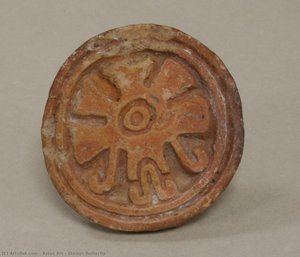
      Flat Stamp with Geometric Flower autorstwa Imperium Azteków
      #69

      Flat Stamp with Geometric Flower

      Metropolitan Museum of Art

      This striking ceramic stamp, a relic of the Aztec Empire, isn’t merely an artifact; it's a portal to a civilization brimming with intricate symbolism and profound artistic skill.…

      Płótna Imperium Azteków epoka po epoce

      Co najczęściej malował Imperium Azteków

      Cztery tematy najczęściej pojawiające się na tych płótnach, z których każdy wraz z jego najbardziej cenionym przykładem.

      Gdzie wiszą płótna Imperium Azteków

      5 muzeów, w których znajduje się najwięcej obrazów z tej strony.

      Muzeum Miasto Dzieła artysty Imperium Azteków Obrazy z tej listy
      Metropolitan Museum of Art, Nowy JorkMetropolitan Museum of Art Nowy Jork 51 Head from a Figure, Xochipilli Macuilxochitl, Figure, Kneeling Male Figure
      British Museum, LondynBritish Museum Londyn 1 Mosaic of a Double-headed Serpent
      Cleveland Museum of Art, ClevelandCleveland Museum of Art Cleveland 1 Pendent in the Shape of a Warrior
      Rhode Island School of Design Museum of Art, ProvidenceRhode Island School of Design Museum of Art Providence 1 Spider Monkey
      Dumbarton Oaks Research Library and Collection, Washington, D.C.Dumbarton Oaks Research Library and Collection Washington, D.C. 1 Tlazolteotl (Birthing Figure)

      Najsłynniejsze płótno Imperium Azteków, dekada po dekadzie

      1. 1350s
        Pendent in the Shape of a Warrior (1350) autorstwa Imperium Azteków
        Miejsce 6 z 70

        Pendent in the Shape of a Warrior

        Wiek 50 – 59 · Cleveland Museum of Art

        To hold this piece in your mind is to encounter the quiet strength of the Post-classic period. This small, metallic figure, likely worn close to the body, captures…

      2. 1420s
        Aztec Sun Stone (Calendar Stone) (1427) autorstwa Imperium Azteków
        Miejsce 20 z 70

        Aztec Sun Stone (Calendar Stone)

        Wiek 120 – 129

        The Aztec Sun Stone (Calendar Stone) is a significant work attributed to the Aztec Empire. Carved by the Mexica at the end of the Mesoamerican Postclassic Period, this…

      3. 1460s
        Eagle Warrior (1469) autorstwa Imperium Azteków
        22 z 70

        Eagle Warrior

        Wiek 160 – 169

        The artwork titled Eagle Warrior is a terracotta sculpture created by the Aztec Empire. This piece dates to about 1469. The subject of the work is an Aztec…

      4. 1480s
        Mictlantecuhtl (1480) autorstwa Imperium Azteków
        21 z 70

        Mictlantecuhtl

        Wiek 180 – 189

        A weathered, pale-grey statue of a child figure emerges from a void of absolute black. The surface is heavily eroded, marked by deep cracks and fissures that trace…

      5. 1500s
        Coyote (1500) autorstwa Imperium Azteków
        Płótno 23 z 70

        Coyote

        Wiek 200 – 209
      6. 1510s
        Standard-Bearer (1519) autorstwa Imperium Azteków
        Płótno 57 z 70

        Standard-Bearer

        Wiek 210 – 219

        This stark figure displays the minimalism and monumentality of Aztec stone sculpture. The rigid pose resembles the block of stone from which it was carved. In contrast, the…

      7. 1520s
        Mosaic of a Double-headed Serpent (1521) autorstwa Imperium Azteków
        Miejsce 1 z 70

        Mosaic of a Double-headed Serpent

        Wiek 220 – 221 · British Museum

        To gaze upon this mosaic of a double-headed serpent is to step directly into the vibrant, myth-laden heart of the Aztec Empire. It is not merely an object…

      Płótna Imperium Azteków krok po kroku

      Z którego płótna najbardziej zapisał się Imperium Azteków?Przeczytaj odpowiedź

      Mosaic of a Double-headed Serpent (1521), British Museum, Londyn. Następują po nim Head from a Figure, Xochipilli Macuilxochitl (1521) oraz Figure (1521).

      Mosaic of a Double-headed Serpent: w jakim wieku był Imperium Azteków, gdy powstało to dzieło?Przeczytaj odpowiedź

      Imperium Azteków, urodzony/a w 1300, miał/a 221 lat: Mosaic of a Double-headed Serpent pochodzi z 1521.

      Jakie są dziesięć najsłynniejszych płócien Imperium Azteków?Przeczytaj odpowiedź

      Mosaic of a Double-headed Serpent, Head from a Figure, Xochipilli Macuilxochitl, Figure, Kneeling Male Figure, Serpent Labret z Żuchwą Złocień Empiarum Azteków, Pendent in the Shape of a Warrior, Figure, Vulture Vessel, Standard Bearer i Crested Figure (Macuilxochitl). Każde płótno w powyższym rankingu zawiera informację o roku powstania oraz muzeum.

      Ile obrazów stworzył/a Imperium Azteków?Przeczytaj odpowiedź

      W naszym katalogu znajduje się 70 dzieł artysty Imperium Azteków, datowanych od 1350 do 1521.

      Gdzie dziś znajdują się najsłynniejsze płótna Imperium Azteków?Przeczytaj odpowiedź

      Większość znajduje się w Metropolitan Museum of Art (Nowy Jork), British Museum (Londyn) i Cleveland Museum of Art (Cleveland); powyższa lista wymienia każde muzeum oraz jego płótna.

      Kiedy Imperium Azteków namalował swoje najsłynniejsze płótna?Przeczytaj odpowiedź

      W 1520s, który obejmuje 29 z 70 dzieł na tej stronie, wśród nich znajduje się Mosaic of a Double-headed Serpent.

      Które słynne płótno Imperium Azteków powstało jako pierwsze, a które jako ostatnie?Przeczytaj odpowiedź

      Najwcześniejsze płótno pochodzi z Pendent in the Shape of a Warrior (1350), a najpóźniejsze z Mosaic of a Double-headed Serpent (1521).

      Jakie tematy najczęściej malował Imperium Azteków?Przeczytaj odpowiedź

      Mesoamerica (20), Aztec (16) i Sculpture (13), w ramach 70 dzieł na tej stronie.

      Która technika najczęściej pojawia się w obrazach Imperium Azteków?Przeczytaj odpowiedź

      Stone, użyte w 15 z 70 dzieł na tej stronie.

      Które obrazy Imperium Azteków znajdują się w zbiorach Metropolitan Museum of Art?Przeczytaj odpowiedź

      Muzeum Metropolitan Museum of Art, Nowy Jork posiada 51 dzieł widocznych na tej stronie, w tym Head from a Figure, Xochipilli Macuilxochitl, Figure i Kneeling Male Figure.

      Gdzie mogę kupić reprodukcję obrazu Imperium Azteków?Przeczytaj odpowiedź

      Tak. Każdy obraz na tej stronie można zamówić z jego własnej podstrony jako ręcznie malowaną reprodukcję olejną lub jako wysokiej jakości wydruk artystyczny w wybranym przez Ciebie rozmiarze.

      Poznaj artystę: Imperium Azteków

      Echa Kamienia: Eksploracja Sztuki i Dziedzictwa Imperium Azteków

      Nazwa „Aztekowie” – wywodząca się z nahuatl słowa ātl-ce-tlācati–tlān, oznaczającego „ludzi wielu form” – przywołuje obrazy potężnego, złożonego imperium, które przez wieki dominowało w Mezoameryce. Byli oni kimś znacznie więcej niż tylko wojownikami i zdobywcami; Aztekowie byli głęboko artystycznymi jednostkami, wplatając misterną piękność w każdy aspekt swojego życia – od monumentalnej architektury po delikatną sztukę pióropuszy, od świętych rytuałów po przedmioty codziennego użytku. Ich sztuka nie była jedynie dekoracyjna; stanowiła żywy język, komunikujący wierzenia religijne, potęgę polityczną, narracje historyczne oraz hierarchie społeczne w społeczeństwie jednocześnie rygorystycznie ustrukturyłowanym i niezwykle innowacyjnym.

      Narodziły się na początku XIV wieku w Tenochtitlán, sercu Imperium Azteków, tradycje artystyczne Azteków były głęboko zakorzenione w dziedzictwie wcześniejszych cywilizacji Mezoameryki. Olmekowie, ze swoimi kolosalnymi głowami i wyrafinowanymi systemami kalendarzowymi, Teotihuacanos, słynący z potężnych piramid i planowania urbanistycznego, oraz Toltekowie, mistrzowie obróbki metali i rzeźby – wszyscy oni przyczynili się do bogatego gobelinu artystycznego, który odziedziczyli Aztekowie. Jednakże Aztekowie nie byli jedynie naśladowcami; zsyntetyzowali te wpływy z własną, unikalną wrażliwością estetyczną, rozwijając charakterystyczny styl cechujący się odważnymi kolorami, misternymi wzorami geometrycznymi i symbolicznymi przedstawieniami.

      Paleta Władzy: Materiały i Techniki

      Sztuka Azteków była niezwykle różnorodna, wykorzystując zdumiewający zakres materiałów i technik. Rzeźba w kamieniu zajmowała w niej miejsce szczególne, czego przykładem są monumentalne rzeźby przedstawiające bóstwa, władców i mityczne stworzenia. Potężny Kamień Słońca (Kalendarz Azteków), odkryty w 1946 roku, stanowi świadectwo ich mistrzostwa w tym medium – to złożony, warstwowy relief kamienny, który połączył informacje kalendarzowe z kosmologicznym symbolizmem. Wykwalifikowani rzemieślnicy pracowali również z drewnem, gliną, piórami – w szczególności jaskrawymi piórami quetzala – jadeitem, turkusem, obsydianem i złotem, co odzwierciedlało zarówno bogactwo, jak i status społeczny.

      Sztuka piór była być może najbardziej uderzającym wizualnie aspektem twórczości Azteków. Misternie wykonane nakrycia głowy, płaszcze, tarcze i inne przedmioty dekoracyjne tworzono przy użyciu tysięcy starannie ułożonych piór – proces ten wymagał ogromnych umiejętności i cierpliłości. Przedmioty te nie były jedynie piękne; służyły jako potężne symbole władzy, religijnej pobożności i rangi społecznej. Same kolory niosły ze sobą konkretne znaczenia: niebieski reprezentował niebiosa, zielony symbolizował płodność, czerwony oznaczał wojnę, a żółty przedstawiał słońce.

      Co więcej, artyści azteccy byli mistrzami mozaiki, tworząc zachwycające panele dekoracyjne przy użyciu małych, precyzyjnie dociętych kamiennych płytek. Mozaiki te zdobiły świątynie, pałace i prywatne rezydencje, dodając warstwę wizualnego bogactwa otoczeniu architektonicznemu. Ich ceramika była równie imponująca, wyróżniając się skomplikowanymi wzorami geometrycznymi oraz przedstawieniami zwierząt i bóstw.

      Język Symboli: Tematy i Motywy

      Sztuka Azteków jest przepełniona symbolizmem, gdzie każdy obraz niesie warstwy znaczeń wymagające uważnej interpretacji przez kapłanów, skrybów i władców. Centralne bóstwo, Huitzilopochtli, bóg wojny i słońca, był często przedstawiany w bogatych nakryciach głowy ozdobionych piórami i drogimi kamieniami. Quetzalcoatl, bóg pierzastego węża związany z wiedzą, mądrością i stworzeniem, zajmował ważne miejsce w ich panteonie i pojawiał się w licznych przedstawieniach artystycznych.

      System kalendarza – niezwykle wyrafinowane połączenie cykli słonecznych i rytualnych – był kolejnym powracającym motywem. Obrazy kalendarzy, glify i symbole astronomiczne były włączane w rzeźby, mozaiki i kodeksy (ilustrowane księgi), odzwierciedlając głębokie zrozumienie czasu i kosmologii przez Azteków. Przedstawienia kukurydzy, podstawowego produktu ich diety, symbolizowały pożywienie i płodność. Ikonografia zwierzęca – w szczególności jaguary, orły, węże i kolibry – niosła ze sobą znaczenie symboliczne związane z potęgą, odwagą i boskością.

      Dziedzictwo w Odłamkach: Sztuka i Znaczenie Historyczne

      Nagłe upadnięcie Imperium Azteków pod rękami hiszpańskich konkwistadorów w 1521 roku przyniosło dewastującą stratę dla kultury Mezoameryki. Tragicznie, wiele ich dziedzictwa artystycznego zostało zniszczone podczas podboju – świątynie zostały zrównane z ziemią, rzeźby roztrzaskane, a kodeksy spalone. Jednak mimo tych strat, fragmenty sztuki azteckiej przetrwały do dziś, oferując bezcenne wglądy w tę niezwykłą cywilizację.

      Wśród godnych uwagi przykładów znajduje się Kamień Słońca, monumentalna rzeźba ukazująca zaawansowaną wiedzę Azteków z zakresu astronomii i matematyki; misternie wykonane pióropusze i płaszcze zachowane w muzeach na całym świecie; oraz przetrwałe kodeksy – ręcznie pisane księgi zawierające relacje historyczne, wierzenia religijne i informacje kalendarzowe. Colección Andrés Blaisten w Meksyku posiada znaczącą kolekcję sztuki latynoamerykańskiej, w tym przykłady rzucające światło na tradycje artystyczne Azteków.

      Wpływ dziedzictwa artystycznego Imperium Azteków jest widoczny do dziś, inspirując współczesnych artystów i projektantów. Ich innowacyjne techniki, symboliczna obrazowość i głęboka więź z naturą wciąż rezonują z odbiorcami na całym świecie. Eksploracja sztuki Azteków nie jest jedynie ćwiczeniem z historycznej estymy; to podróż do serca złożonej i fascynującej cywilizacji – świadectwo ludzkiej kreatywności, pomysłowości i duchowej głębi.

      Aby odkryć więcej dzieł sztuki z Imperium Azteków oraz innych wybitnych artystów, odwiedź TopImpressionists.com.

      Wszystkie 70 dzieła artysty Imperium Azteków →