Pracownia — Bezpłatna wysyłka na cały świat — Czas dostawy: 2–6 tygodni
      Egon Schiele, 1890 – 1918

      Egon Schiele's 100 Most Famous Paintings

      Porträt Wally (1912) is the painting Egon Schiele is best remembered for; it belongs to the Leopold Museum, Wiedeń. Śmierć i Dziewczyna (1915) and Samozorządcy II (Śmierć i Człowiek) (1911) complete the trio of best-loved canvases. Our catalogue counts 649 works by Egon Schiele. Here are the 100 most famous, with the year, the museum and the story of each canvas.

      Ranking oparty na naszym wskaźniku popularności, który łączy liczbę wyszukiwań, wizyt oraz zamówień dla każdego dzieła. Aktualizacja: Październik 2026. Each painting on this page can be ordered as an oil reproduction painted by hand on linen canvas, or as a fine art print, made to the size you choose.

      Portret Egon Schiele
      Egon Schiele · 1890 – 1918
      Urodzony · zmarł
      1890 – 1918, Tulln an der Donau
      Nurt
      Ekspresjonizm
      Dzieła w naszym katalogu
      649
      Najsłynniejsze
      Porträt Wally (1912)
      Najwięcej dzieł w
      Leopold Museum

      The ten best-loved paintings by Egon Schiele

      Porträt Wally (1912) autorstwa Egon Schiele
      1

      Porträt Wally

      1912 · Obraz olejny na płótnie · Leopold Museum, Wiedeń

      Portrait of Wally – A Masterpiece of Austrian Expressionism This arresting portrait by Egon Schiele stands as a pivotal work within the realm of Austrian Expressionism, capturing an intensity of emotion and stylistic innovation that defined the early 20th century. More than simply depicting Walburga “Wally” Neuzil, Schiele’s lover and muse, it delves into profound explorations of the human psyche—a reflection of anxieties inherent in a period undergoing rapid transformation.…

      Śmierć i Dziewczyna (1915) autorstwa Egon Schiele
      2

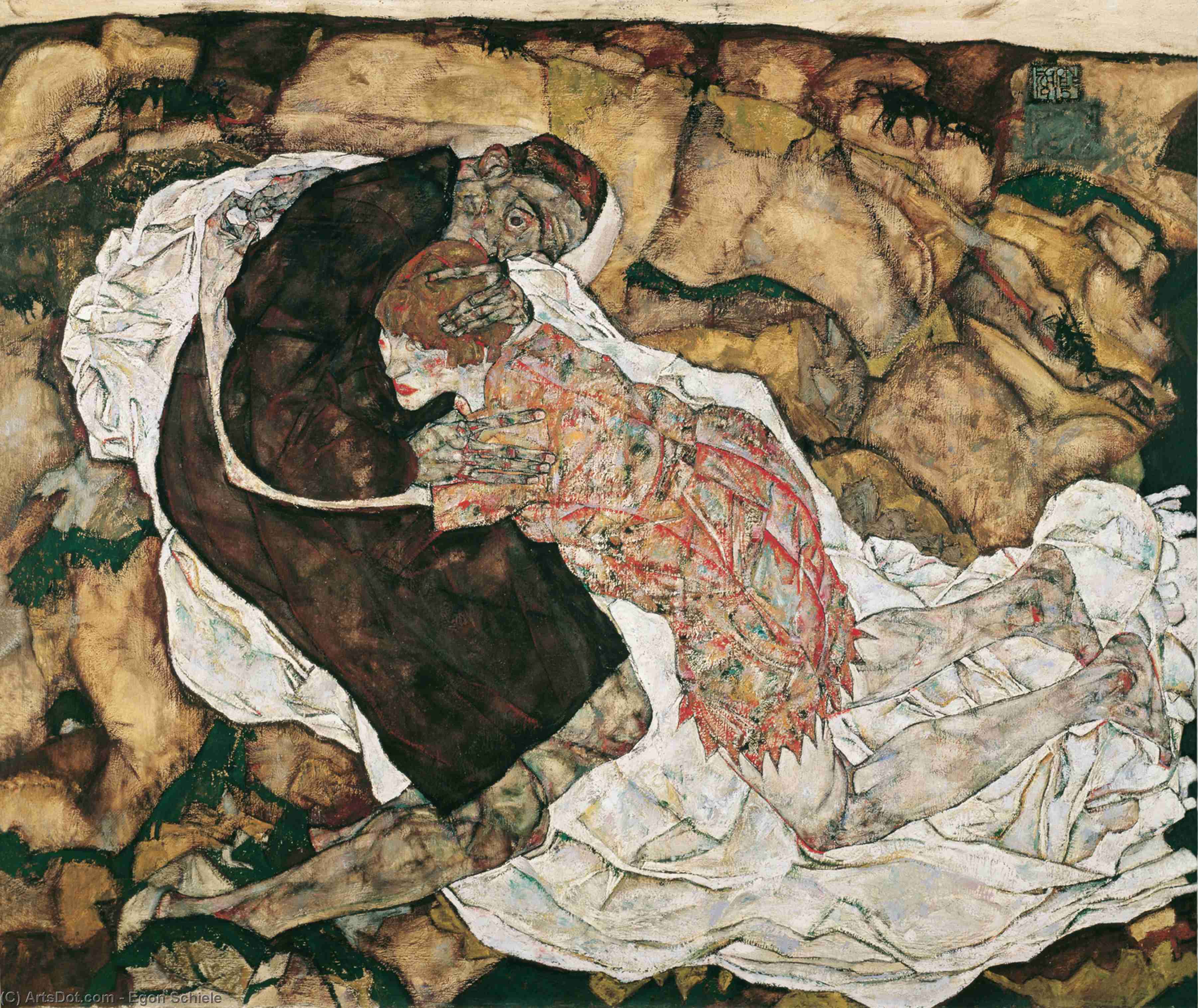
      Śmierć i Dziewczyna

      1915 · Akryl na płótnie · Austrian Gallery Belvedere, Wiedeń

      Ekspresjonistyczne arcydzieło „Śmierć i dziewczyna” Egona Schielego to przejmująco piękne dzieło, które ucieleśnia surową siłę emocjonalną ekspresjonizmu. Powstały w 1915 roku obraz chwyta intensywną więź między dwiema postaciami – jedną spowitą mrokiem, a drugą ozdobioną żywymi barwami. Dramatyczna kompozycja oraz odważne pociągnięcia pędzla sprawiają, że dzieło to jest wyjątkowym punktem w całym dorobku Schielego i pozycją obowiązkową dla każdego poważnego kolekcjonera sztuki. Temat i kompozycja Centralnym punktem obrazu jest intymny…

      Samozorządcy II (Śmierć i Człowiek) (1911) autorstwa Egon Schiele
      3

      Samozorządcy II (Śmierć i Człowiek)

      1911 · Obraz olejny na płótnie · Leopold Museum, Wiedeń

      W 1911 roku, w samym sercu burzliwego Wiednia, Egon Schiele stworzył dzieło, które na zawsze zapisało się w historii sztuki ekspresjonistycznej: „Samobójcy II” (Śmierć i Człowiek). To nie jest zwykła portret; to głęboko psychologiczna wizja, która z niesamowitą szczerością bada granice ludzkiego istnienia, mierząc się z temi śmierci, samotności i wewnętrznego chaosu. Schiele, odważnie zerwawszy z tradycyjnymi konwencjami przedstawiania, tworzy obraz, który wstrząsa do głębi i pozostawia widza w stanie…

      Matka z dwoma dziećmi (1917) autorstwa Egon Schiele
      4

      Matka z dwoma dziećmi

      1917 · Obraz olejny na płótnie · Austrian Gallery Belvedere, Wiedeń

      Mother with Two Children – A Haunting Reflection of Family & Loss Egon Schiele’s *Mother with Two Children* (1917) transcends mere portraiture; it's an arresting distillation of Expressionist emotion, capturing the anxieties simmering beneath the surface of Europe during World War I and cementing Schiele’s place as one of Austria’s most influential artists. Currently residing in the Belvedere Museum in Vienna, this painting continues to fascinate scholars and collectors alike,…

      Rodzina (1917) autorstwa Egon Schiele
      5

      Rodzina

      1917 · Akryl na płótnie · Austrian Gallery Belvedere, Wiedeń

      „Rodzina” Egona Schiele’a, namalowana w 1917 roku, to dzieło o głębokim rezonansie, które wykracza poza zwykłe przedstawienie więzi rodzinnych. Jest to emocjonalnie surowa i psychologicznie przenikliwa eksploracja bliskości, podatności na zranienie oraz niepokojów wpisanych w ludzkie relacje – prawdziwe świadectwo mistrzostwa Schiele’a w nurcie ekspresjonizmu.

      Lovers: Man and Woman I (1914) autorstwa Egon Schiele
      6

      Lovers: Man and Woman I

      1914 · Oil On Canvas

      Egon Schiele's 1914 painting, *Lovers: Man and Woman I*, isn’t merely a depiction of two figures; it’s a visceral exploration of human connection, vulnerability, and the unsettling beauty of mortality. Created during a period of intense personal struggle for the artist – marked by illness, loss, and a profound awareness of his own precarious existence – this work embodies the core tenets of Expressionism, translating raw emotion directly onto the…

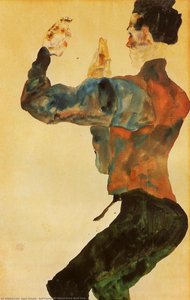
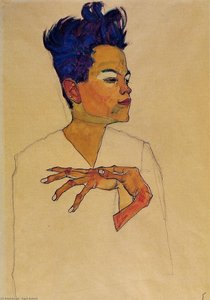
      Self Portrait with Hands on Chest (1910) autorstwa Egon Schiele
      7

      Self Portrait with Hands on Chest

      1910 · Akryl na płótnie

      A Window into the Soul: Egon Schiele’s ‘Self Portrait with Hands on Chest’ (1910) This striking self-portrait by Austrian Expressionist master Egon Schiele is more than just a likeness; it's a raw and unflinching exploration of inner turmoil, vulnerability, and the search for identity. Created in 1910, at a pivotal moment in both his artistic development and personal life, this work embodies the core tenets of Expressionism while establishing Schiele’s…

      Uścisk (Kochankowie II) - - , (1917) autorstwa Egon Schiele
      8

      Uścisk (Kochankowie II) - - ,

      1917 · Akryl na płótnie

      „Uścisk (Kochankowie II) - - ,” to dzieło głęboko poruszające, które do dziś wciąż rezonuje w sercach odbiorców. Nie jest to romantyczna wizja miłości, lecz szczery i bezkompromisowy portret ludzkiej więzi w całej jej złożoności – pełnej czułości, bezbronności oraz skrywanych lęków. Obecnie to arcydzieło znajduje się w zbiorach Muzeum Lehmbruck w Duisburgu w Niemczech, stanowiąc żywe świadectwo artystycznego geniuszu Schielego oraz jego nieśmiertelnego wkładu w rozwój sztuki ekspresjonistycznej.

      Kobieta w żałobie (1912) autorstwa Egon Schiele
      9

      Kobieta w żałobie

      1912 · Leopold Museum, Wiedeń

      Podejdź bliżej, a możesz poczuć się uwięziony w ciężkim, pełnym łez spojrzeniu tej kobiety. Panuje tu głęboka cisza, choć daleka jest ona od spokoju. Jej twarz jest blada, niemal szkieletowa, z ciemnymi cieniami gromadzącymi się wokół oczodołów, co sugeruje głębokie, fizyczne wyczerpanie. Głowę spowija ciemna tkanina – detal, który wciąga widza w jej prywatną żałobę. Za nią, z mrocznego tła, wyłania się druga, bardziej upiorna twarz mężczyzny, którego obecność wydaje…

      Portret Świętego Szczebiona (1914) autorstwa Egon Schiele
      10

      Portret Świętego Szczebiona

      1914 · Grafika warsztatowa

      Egon Schiele’s Haunting ‘Self Portrait as St. Sebastian’ Ten niezwykłe reprodukcję plakatu Egon Szciele uchwyciła prawdziwą emocjonalną siłę jego arcydzieła z 1914 roku, *Portret Świętego Szczebiona*. Nie jest to jedynie wierne odwzorowanie obrazu; stanowi mocne przesłanie dotyczące cierpienia, kruchości artystycznej oraz przepowiedni świata zbliżającego się do chaosu. Szciele nie tylko przedstawia Świętego Szczebiona – staje się nim, przekształcając osobiste rozpacz w obraz, który rezonuje z ludzką istotą na całym świecie.…

      Egon Schiele: canvases 11 to 100 of the ranking

      Portrait of a Woman (1912) autorstwa Egon Schiele
      #11

      Portrait of a Woman

      1912

      Egon Schiele's Portrait of a Woman, painted in 1912, stands as a cornerstone of Austrian Expressionism and a poignant exploration of psychological depth. More than just a depiction…

      Bring this light home →
      Moa (1911) autorstwa Egon Schiele
      #12

      Moa

      1911 · Leopold Museum

      Portret w Ciemnych Barwach: „Moa” Egona Schielego (1911) Egon Schiele, jeden z najbardziej oryginalnych i kontrowersyjnych artystów epoki, w obrazie „Moa” stworzył dzieło, które na zawsze zmieniło oblicze…

      Order this canvas →
      Agony (1912) autorstwa Egon Schiele
      #13

      Agony

      1912

      Egon Schiele, an Austrian Expressionist painter, is renowned for his intense and emotionally charged works. One such painting that exemplifies his unique style and thematic focus is "Agony",…

      Have it painted by hand →
      Autoportret w pasiastą koszulę (1910) autorstwa Egon Schiele
      #15

      Autoportret w pasiastą koszulę

      1910 · Leopold Museum

      „Autoportret w pasiastat koszuli” Egona Schielego, namalowany w 1910 roku, wykracza poza ramy zwykłej reprezentacji; ucieleśnia on lęki i introspekcję charakterystyczną dla ekspresjonizmu – nurtu, który dążył do…

      Order this canvas →
      Mother and Child (Madonna) (1908) autorstwa Egon Schiele
      #17

      Mother and Child (Madonna)

      1908

      In the realm of early twentieth-century modernism, few works capture the raw, psychological intimacy of human connection as poignantly as Egon Schiele’s “Mother and Child (Madonna).” Created in…

      Order this canvas →
      Two Women Embracing (1915) autorstwa Egon Schiele
      #18

      Two Women Embracing

      1915 · Szépművészeti Múzeum

      In the hauntingly beautiful realm of Austrian Expressionism, few works capture the raw, pulsating essence of human intimacy quite like Egon Schiele’s Two Women Embracing. This masterpiece serves…

      Bring this light home →
      The Artist's Mother, Sleeping (1911) autorstwa Egon Schiele
      #19

      The Artist's Mother, Sleeping

      1911

      A Portrait of Intimacy & Unease: Egon Schiele’s ‘The Artist's Mother, Sleeping’ Egon Schiele’s 1911 watercolor, *The Artist’s Mother, Sleeping*, is a profoundly moving and unsettling work that…

      Bring this light home →
      Autoportret (1912) autorstwa Egon Schiele
      #20

      Autoportret

      1912

      Egon Schiele (1890–1918), austriacki malarz z nurtów ekspresjonistycznych, stanowił jedyny głos w burzliwym krajobrazie sztuki początku XX wieku. Jego twórczość charakteryzowała się silnymi emocjami i niepokojącymi obrazami –…

      Bring this light home →
      Couple Embracing autorstwa Egon Schiele
      #21

      Couple Embracing

      In the quiet, trembling lines of “Couple Embracing,” we encounter more than just a depiction of human intimacy; we witness a profound psychological excavation. Created in 1911, this…

      Have it painted by hand →
      Self-Portrait with Bare Shoulder (1912) autorstwa Egon Schiele
      #22

      Self-Portrait with Bare Shoulder

      1912 · Leopold Museum

      A single, intense gaze pierces through the heavy, agitated brushstrokes of this 1912 self-portrait. The artist’s head and shoulder occupy a tight, off-center position, creating an immediate sense…

      Bring this light home →
      Secession 49. Exhibition (1918) autorstwa Egon Schiele
      #23

      Secession 49. Exhibition

      1918

      In the hauntingly beautiful Secession 49. Exhibition, Egon Schiele invites us into a moment of profound stillness amidst the social currents of 1918 Vienna. This evocative work serves…

      Bring this light home →
      Żona i śmierć (1911) autorstwa Egon Schiele
      #26

      Żona i śmierć

      1911 · Národní galerie v Praze

      Egon Schiele’s “Pregnant Woman and Death,” painted in 1911, is a profoundly unsettling yet captivating work that exemplifies the core tenets of Expressionism. Housed within the National Gallery…

      Order this canvas →
      Gerti Schiele autorstwa Egon Schiele
      #29

      Gerti Schiele

      Egon Schiele’s Portrait of Gerti Schiele: A Whisper of Vulnerability Gerti Schiele's portrait by Egon Schiele isn’t merely an image; it’s a profound meditation on femininity, youth, and…

      Order this canvas →
      Górski nurt (1918) autorstwa Egon Schiele
      #31

      Górski nurt

      1918

      Obraz Egona Schielego z 1918 roku, „Górski nurt”, to coś znacznie więcej niż tylko przedstawienie pędzącej rzeki; to wizceralny wylew głęboko przeżywanych lęków artysty oraz jego przejmująca konfrontacja…

      Have it painted by hand →
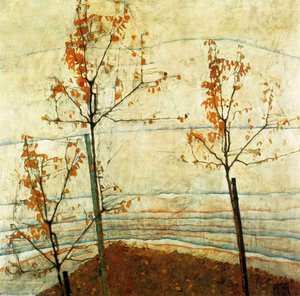
      Autumn Trees (1911) autorstwa Egon Schiele
      #32

      Autumn Trees

      1911

      Egon Schiele's "Autumn Trees," created in 1911, is a striking example of Austrian Expressionism, showcasing the artist’s unique ability to convey intense emotion through distorted forms and vibrant…

      Order this canvas →
      Portret wydawcy Eduarda Kosmacka (1910) autorstwa Egon Schiele
      #33

      Portret wydawcy Eduarda Kosmacka

      1910 · Austrian Gallery Belvedere

      W uroczystych salach Galerii Belvedere w Wiedniu znajduje się okno na burzliwą psychikę wczesnego dwudziestego wieku. „Portret wydawcy Eduarda Kosmacka” autorstwa Egona Schielego, namalowany w 1910 roku, to…

      Order this canvas →
      Niestety (Untitled) 938 autorstwa Egon Schiele
      #34

      Niestety (Untitled) 938

      Egon Schiele i "Nieskończony Uścisk": Odkrywanie Emocjonalnego Serca Ekspresjonizmu Egon Schiele, jeden z najbardziej kontrowersyjnych i fascynujących artystów XX wieku, w swojej twórczości nieustannie badał granice ludzkiego doświadczenia…

      Have it painted by hand →
      Schiele's Room in Neulengbach (1911) autorstwa Egon Schiele
      #35

      Schiele's Room in Neulengbach

      1911 · Kunsthistorisches Museum

      Egon Schiele, a prominent figure in the Expressionist movement, is renowned for his intense and emotionally charged works. One of his notable pieces, Schiele's Room in Neulengbach, offers…

      Order this canvas →
      Gustav Klimt on his deathbed (1918) autorstwa Egon Schiele
      #40

      Gustav Klimt on his deathbed

      1918 · Wien Museum

      Egon Schiele’s 1915 painting, “Death and the Maiden,” isn’t merely a depiction of mortality; it’s a profoundly intimate exploration of grief, longing, and the unsettling dance between life…

      Have it painted by hand →
      The truth unveiled - - (1913) autorstwa Egon Schiele
      #43

      The truth unveiled - -

      1913

      Egon Schiele's "The Truth Unveiled," painted in 1913, isn’t merely a depiction of figures; it’s an excavation of the human psyche, a raw and unsettling exploration of mortality,…

      Bring this light home →
      Street in Krumau (1917) autorstwa Egon Schiele
      #45

      Street in Krumau

      1917

      The narrow street of this Austrian provincial town functions as a distillation of internal tension. Painted in 1917, the work moves beyond mere topography to map a sense…

      Order this canvas →
      self-portrait (1913) autorstwa Egon Schiele
      #49

      self-portrait

      1913

      Egon Schiele’s 1913 self-portrait is not a comfortable image. It’s a visceral, almost brutal depiction of an interior world grappling with uncertainty and perhaps even despair. Rendered in…

      Have it painted by hand →
      Portret Wiktora Rittera von Bauera (1918) autorstwa Egon Schiele
      #50

      Portret Wiktora Rittera von Bauera

      1918 · Austrian Gallery Belvedere

      „Portret Viktora Rittera von Bauera” Egona Schielego, namalowany w 1918 roku, to nie jest zwykłe podobieństwo; to starannie skonstruowana destylacja niepokojów i cichej kontemplacji, które tliły się pod…

      Have it painted by hand →
      schiele agonia 1912 autorstwa Egon Schiele
      #51

      schiele agonia 1912

      In the hauntingly intimate masterpiece Agonia, painted in 1912, Egon Schiele invites the viewer into a psychological landscape where the boundaries between physical struggle and existential dread dissolve.…

      Bring this light home →
      schiele sebastian autorstwa Egon Schiele
      #53

      schiele sebastian

      Egon Schiele's "Schiele Sebastian," a pivotal work within his extensive body of nude portraits, stands as a haunting testament to the artist’s unique vision and the turbulent emotional…

      Bring this light home →
      pregnant woman death autorstwa Egon Schiele
      #54

      pregnant woman death

      In the visceral landscape of early twentieth-century Expressionism, few works possess the unsettling psychological depth found in Egon Schiele’s “Pregnant Woman and Death.” Painted in 1911, this masterpiece…

      Have it painted by hand →
      Sunflowers (1911) autorstwa Egon Schiele
      #56

      Sunflowers

      1911

      The painting Sunflowers is a watercolor by Egon Schiele created in 1911. The composition features a variety of sunflowers depicted in different stages of bloom, with some flowers…

      Order this canvas →
      untitled (2447) autorstwa Egon Schiele
      #59

      untitled (2447)

      Egon Schiele's "Untitled (2447)" is not merely a depiction of two figures; it’s a raw, intensely personal exploration of vulnerability, connection, and the unsettling beauty of human emotion.…

      Bring this light home →
      Self Portrait (1911) autorstwa Egon Schiele
      #61

      Self Portrait

      1911

      The artwork is a watercolor painting titled Self Portrait, created in 1911. It depicts a nude figure positioned centrally against a muted background. The figure's arms are outstretched…

      Have it painted by hand →
      Study of hands (1913) autorstwa Egon Schiele
      #65

      Study of hands

      1913

      Two hands emerge from a vast, pale void, locked in a grip that feels both desperate and tender. The skin appears thin, almost translucent, revealing the delicate architecture…

      Have it painted by hand →
      scornful woman 1910 autorstwa Egon Schiele
      #66

      scornful woman 1910

      Egon Schiele’s “Scornful Woman,” painted in 1910, isn't merely a portrait; it’s a raw distillation of psychological turmoil and the unsettling beauty of human vulnerability. This arresting image,…

      Bring this light home →
      Reclining Female Nude (1917) autorstwa Egon Schiele
      #68

      Reclining Female Nude

      1917

      Egon Schiele's “Reclining Female Nude,” painted in 1917, stands as a poignant emblem of Expressionism—a movement characterized by raw emotion and unflinching honesty. More than just a depiction…

      Have it painted by hand →
      Autumn Sun (1912) autorstwa Egon Schiele
      #69

      Autumn Sun

      1912

      Egon Schiele, an Austrian artist known for his bold and emotive works, created the captivating painting "Autumn Sun" in 1912. This piece is a quintessential representation of the…

      Bring this light home →
      Conversion (1912) autorstwa Egon Schiele
      #70

      Conversion

      1912

      In the realm of early 20th-century art, few works capture the essence of human intimacy and emotional depth as profoundly as Egon Schiele's "Conversion." Painted in 1912, this…

      Order this canvas →
      Kneeling Young Man (1908) autorstwa Egon Schiele
      #71

      Kneeling Young Man

      1908

      Created in 1908, Kneeling Young Man is a significant work by the Austrian artist Egon Schiele. This piece emerged from the creative atmosphere of Vienna, Austria, during a…

      Have it painted by hand →
      Prostitute (Dirne) autorstwa Egon Schiele
      #72

      Prostitute (Dirne)

      Egon Schiele’s “Prostitute (Dirne)” stands as a haunting testament to the artist’s unflinching exploration of human psychology and sexuality, firmly rooted in the Expressionist movement that gripped Vienna…

      Have it painted by hand →
      Levitation (1915) autorstwa Egon Schiele
      #74

      Levitation

      1915

      Egon Schiele’s ‘Levitation,’ painted in 1915 during the height of Expressionism, isn't merely a depiction of two figures; it’s an invitation into a realm where rationality yields to…

      Have it painted by hand →
      Two young girls autorstwa Egon Schiele
      #75

      Two young girls

      An Intimate Embrace: Exploring Egon Schiele’s ‘Two Young Girls’ This captivating watercolor painting by Austrian Expressionist master, Egon Schiele, offers a profoundly intimate and emotionally charged depiction of…

      Order this canvas →
      Woman Undressing (1914) autorstwa Egon Schiele
      #76

      Woman Undressing

      1914

      In 1914, the artist Egon Schiele captured a singular moment of transition in Vienna, Austria. The work, titled Woman Undressing, presents a female nude in a state of…

      Order this canvas →
      Lovemaking (1915) autorstwa Egon Schiele
      #78

      Lovemaking

      1915 · Leopold Museum

      Egon Schiele's "Lovemaking," painted in 1915, is not a celebration of romantic bliss; rather, it’s a brutally honest and profoundly unsettling exploration of human connection – a moment…

      Order this canvas →
      Reclining Female Nude (1908) autorstwa Egon Schiele
      #79

      Reclining Female Nude

      1908

      is a watercolor and paper work created by the Austrian Expressionist Egon Schiele in 1908. This nude painting (nu) reflects the artist's departure from academic traditions toward a…

      Order this canvas →
      Moa (1911) autorstwa Egon Schiele
      #81

      Moa

      1911

      Egon Schiele’s “Moa”: A Study in Vulnerability and Expressionist Boldness The painting "Moa" by Egon Schiele, created in 1911, stands as a haunting testament to the artist's preoccupation…

      Order this canvas →
      untitled (5287) autorstwa Egon Schiele
      #82

      untitled (5287)

      In the quiet, unsettling depths of Egon Schiele’s Untitled (5287), one encounters more than just a figure study; one enters a profound psychological landscape. This work, a hauntingly…

      Have it painted by hand →
      The Bridge (1913) autorstwa Egon Schiele
      #83

      The Bridge

      1913

      Egon Schiele’s “The Bridge,” painted in 1913, stands as a cornerstone of early 20th-century Expressionist art—a movement that sought to convey raw emotion and psychological intensity rather than…

      Have it painted by hand →
      untitled (7272) autorstwa Egon Schiele
      #84

      untitled (7272)

      Egon Schiele's "Untitled (7272)" is not merely a depiction of a reclining figure; it’s an immersion into the raw, unsettling heart of the Expressionist soul. Painted in 1918,…

      Bring this light home →
      Reclining Girl, with Round Head autorstwa Egon Schiele
      #85

      Reclining Girl, with Round Head

      A Study in Vulnerability: Egon Schiele’s ‘Reclining Girl, with Round Head’ Egon Schiele's *Reclining Girl, with Round Head* is a profoundly moving watercolor that encapsulates the core tenets…

      Order this canvas →
      untitled (6044) autorstwa Egon Schiele
      #88

      untitled (6044)

      A man stares directly at the viewer, his expression caught in a moment of intense, perhaps even grotesque, animation. He wears a white shirt and tie, the formality…

      Order this canvas →
      Seated Couple, 1915 (1915) autorstwa Egon Schiele
      #92

      Seated Couple, 1915

      1915 · Albertina

      A Moment Frozen in Time: Exploring Egon Schiele’s “Seated Couple” The painting "Seated Couple," completed in 1915 by Austrian Expressionist Egon Schiele, transcends mere depiction; it embodies a…

      Order this canvas →
      Nude Self-Portrait (1910) autorstwa Egon Schiele
      #93

      Nude Self-Portrait

      1910 · Leopold Museum

      A Portrait of Vulnerability: Exploring Egon Schiele’s ‘Nude Self-Portrait’ The painting “Nude Self-Portrait” by Austrian Expressionist Egon Schiele stands as a haunting testament to the artist's preoccupation with…

      Bring this light home →
      Krumau Town Crescent I (1915) autorstwa Egon Schiele
      #94

      Krumau Town Crescent I

      1915 · Muzeum Izraela

      Egon Schiele's *Krumau Town Crescent I*, painted in 1915, isn’t merely a depiction of a provincial Austrian town; it’s a raw, intensely personal exploration of mortality, isolation, and…

      Have it painted by hand →
      untitled (1348) autorstwa Egon Schiele
      #96

      untitled (1348)

      In the hauntingly beautiful monochrome sketch untitled (1348), Egon Schiele invites us into a profound confrontation with the human psyche. Created around 1918, during the twilight of his…

      Have it painted by hand →
      Female nude (1910) autorstwa Egon Schiele
      #97

      Female nude

      1910

      Egon Schiele’s Intimate Exploration of the Human Form This captivating work on paper by Egon Schiele, created in 1910, offers a poignant glimpse into the artist's exploration of…

      Have it painted by hand →
      Procession (1911) autorstwa Egon Schiele
      #99

      Procession

      1911

      In the hauntingly beautiful masterpiece "Procession," created in 1911, Egon Schiele invites us into a psychological landscape where the boundaries between reality and inner turmoil dissolve. This seminal…

      Order this canvas →

      Egon Schiele's canvases, period by period

      What Egon Schiele painted most

      The four subjects that return most often on these canvases, each with its best-loved example.

      Where Egon Schiele's canvases hang

      8 muzeów, w których znajduje się najwięcej obrazów z tej strony.

      Muzeum Miasto Dzieła artysty Egon Schiele Obrazy z tej listy
      Leopold Museum, WiedeńLeopold Museum Wiedeń 46 Porträt Wally, Samozorządcy II (Śmierć i Człowiek), Kobieta w żałobie
      Austrian Gallery Belvedere, WiedeńAustrian Gallery Belvedere Wiedeń 10 Śmierć i Dziewczyna, Matka z dwoma dziećmi, Rodzina
      Albertina, WiedeńAlbertina Wiedeń 10 Girl Nude with Folded Arms, 1910, I Will Gladly Endure for Art and My Loved Ones, 1912, Seated Couple, 1915
      Kunsthistorisches Museum, WiedeńKunsthistorisches Museum Wiedeń 4 Schiele's Room in Neulengbach
      Wien Museum, WiedeńWien Museum Wiedeń 2 Gustav Klimt on his deathbed
      Szépművészeti Múzeum, BudapesztSzépművészeti Múzeum Budapeszt 1 Two Women Embracing
      Staatsgalerie Stuttgart, StuttgartStaatsgalerie Stuttgart Stuttgart 1 Prophets (also known as Double Self Portrait)
      Národní galerie v Praze, PragaNárodní galerie v Praze Praga 1 Żona i śmierć

      Egon Schiele's most famous canvases, one year after another

      Between 1907 and 1918, 12 years of Egon Schiele's painting, shown year after year through its most famous canvases.

      1. 1907
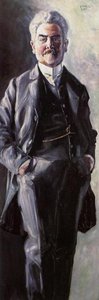
        Portrait of Leopold Czihaczek (1907) autorstwa Egon Schiele
        Canvas 52 of 100

        Portrait of Leopold Czihaczek

        Wiek: 17

        Egon Schiele's 1907 “Portrait of Leopold Czihaczek” is more than just a likeness; it’s a raw, intensely personal exploration of the human condition. This oil on canvas painting,…

      2. 1907
        Portrait of Leopold Czihaczek, Standing (1907) autorstwa Egon Schiele
        55 of 100

        Portrait of Leopold Czihaczek, Standing

        Wiek: 17

        In the hauntingly beautiful Portrait of Leopold Czihaczek, Standing, Egon Schiele invites us into a space where the boundaries between physical representation and psychological truth dissolve. Created in…

      3. 1908
        Mother and Child (Madonna) (1908) autorstwa Egon Schiele
        17 of 100

        Mother and Child (Madonna)

        Wiek: 18

        In the realm of early twentieth-century modernism, few works capture the raw, psychological intimacy of human connection as poignantly as Egon Schiele’s “Mother and Child (Madonna).” Created in…

      4. 1908
        Kneeling Young Man (1908) autorstwa Egon Schiele
        Canvas 71 of 100

        Kneeling Young Man

        Wiek: 18

        Created in 1908, Kneeling Young Man is a significant work by the Austrian artist Egon Schiele. This piece emerged from the creative atmosphere of Vienna, Austria, during a…

      5. 1909
        Man with Blue Headband and Hand on Cheek (1909) autorstwa Egon Schiele
        Canvas 57 of 100

        Man with Blue Headband and Hand on Cheek

        Wiek: 19

        A Window into the Soul: Egon Schiele’s ‘Man with Blue Headband and Hand on Cheek’ This captivating drawing by Egon Schiele, created in 1909, is a powerful example…

      6. 1909
        Autumn Tree with Fuchsias (1909) autorstwa Egon Schiele
        Ranked 86 of 100

        Autumn Tree with Fuchsias

        Wiek: 19

        In the heart of the early twentieth century, amidst the intellectual ferment of Vienna, Egon Schiele captured a moment of profound emotional resonance in his 1909 masterpiece, Autumn…

      7. 1910
        Self Portrait with Hands on Chest (1910) autorstwa Egon Schiele
        Canvas 7 of 100

        Self Portrait with Hands on Chest

        Wiek: 20

        A Window into the Soul: Egon Schiele’s ‘Self Portrait with Hands on Chest’ (1910) This striking self-portrait by Austrian Expressionist master Egon Schiele is more than just a…

      8. 1910
        Kompozycja z trzema męskimi aktami (1910) autorstwa Egon Schiele
        Canvas 14 of 100

        Kompozycja z trzema męskimi aktami

        Wiek: 20 · Leopold Museum

        A Fragile Dance of Form: Exploring Egon Schiele’s ‘Composition with Three Male Nudes’ Egon Schiele's 1910 *Composition with Three Male Nudes* is a seminal work that encapsulates the…

      9. 1911
        Samozorządcy II (Śmierć i Człowiek) (1911) autorstwa Egon Schiele
        Canvas 3 of 100

        Samozorządcy II (Śmierć i Człowiek)

        Wiek: 21 · Leopold Museum

        W 1911 roku, w samym sercu burzliwego Wiednia, Egon Schiele stworzył dzieło, które na zawsze zapisało się w historii sztuki ekspresjonistycznej: „Samobójcy II” (Śmierć i Człowiek). To nie…

      10. 1911
        Moa (1911) autorstwa Egon Schiele
        12 of 100

        Moa

        Wiek: 21 · Leopold Museum

        Portret w Ciemnych Barwach: „Moa” Egona Schielego (1911) Egon Schiele, jeden z najbardziej oryginalnych i kontrowersyjnych artystów epoki, w obrazie „Moa” stworzył dzieło, które na zawsze zmieniło oblicze…

      11. 1912
        Porträt Wally (1912) autorstwa Egon Schiele
        Canvas 1 of 100

        Porträt Wally

        Wiek: 22 · Leopold Museum

        Portrait of Wally – A Masterpiece of Austrian Expressionism This arresting portrait by Egon Schiele stands as a pivotal work within the realm of Austrian Expressionism, capturing an…

      12. 1912
        Kobieta w żałobie (1912) autorstwa Egon Schiele
        Canvas 9 of 100

        Kobieta w żałobie

        Wiek: 22 · Leopold Museum

        Podejdź bliżej, a możesz poczuć się uwięziony w ciężkim, pełnym łez spojrzeniu tej kobiety. Panuje tu głęboka cisza, choć daleka jest ona od spokoju. Jej twarz jest blada,…

      13. 1912
        Portrait of a Woman (1912) autorstwa Egon Schiele
        Ranked 11 of 100

        Portrait of a Woman

        Wiek: 22

        Egon Schiele's Portrait of a Woman, painted in 1912, stands as a cornerstone of Austrian Expressionism and a poignant exploration of psychological depth. More than just a depiction…

      14. 1913
        The truth unveiled - - (1913) autorstwa Egon Schiele
        Ranked 43 of 100

        The truth unveiled - -

        Wiek: 23

        Egon Schiele's "The Truth Unveiled," painted in 1913, isn’t merely a depiction of figures; it’s an excavation of the human psyche, a raw and unsettling exploration of mortality,…

      15. 1913
        Wally with a Red Blouse (1913) autorstwa Egon Schiele
        Canvas 46 of 100

        Wally with a Red Blouse

        Wiek: 23

        In the turbulent landscape of early 20th-century Vienna, few images capture the fractured psyche of an era as poignantly as Egon Schiele’s “Wally with a Red Blouse.” Painted…

      16. 1914
        Lovers: Man and Woman I (1914) autorstwa Egon Schiele
        Canvas 6 of 100

        Lovers: Man and Woman I

        Wiek: 24

        Egon Schiele's 1914 painting, *Lovers: Man and Woman I*, isn’t merely a depiction of two figures; it’s a visceral exploration of human connection, vulnerability, and the unsettling beauty…

      17. 1914
        Portret Świętego Szczebiona (1914) autorstwa Egon Schiele
        10 of 100

        Portret Świętego Szczebiona

        Wiek: 24

        Egon Schiele’s Haunting ‘Self Portrait as St. Sebastian’ Ten niezwykłe reprodukcję plakatu Egon Szciele uchwyciła prawdziwą emocjonalną siłę jego arcydzieła z 1914 roku, *Portret Świętego Szczebiona*. Nie jest…

      18. 1915
        Śmierć i Dziewczyna (1915) autorstwa Egon Schiele
        2 of 100

        Śmierć i Dziewczyna

        Wiek: 25 · Austrian Gallery Belvedere

        Ekspresjonistyczne arcydzieło „Śmierć i dziewczyna” Egona Schielego to przejmująco piękne dzieło, które ucieleśnia surową siłę emocjonalną ekspresjonizmu. Powstały w 1915 roku obraz chwyta intensywną więź między dwiema postaciami…

      19. 1915
        Two Women Embracing (1915) autorstwa Egon Schiele
        Ranked 18 of 100

        Two Women Embracing

        Wiek: 25 · Szépművészeti Múzeum

        In the hauntingly beautiful realm of Austrian Expressionism, few works capture the raw, pulsating essence of human intimacy quite like Egon Schiele’s Two Women Embracing. This masterpiece serves…

      20. 1916
        Portrait of an Old Man (also known as Johann Harms) (1916) autorstwa Egon Schiele
        Canvas 48 of 100

        Portrait of an Old Man (also known as Johann Harms)

        Wiek: 26 · Solomon R. Guggenheim Museum

        Egon Schiele's “Portrait of an Old Man (also known as Johann Harms),” painted in 1916, is not merely a likeness; it’s a profound meditation on aging, mortality, and…

      21. 1917
        Matka z dwoma dziećmi (1917) autorstwa Egon Schiele
        Canvas 4 of 100

        Matka z dwoma dziećmi

        Wiek: 27 · Austrian Gallery Belvedere

        Mother with Two Children – A Haunting Reflection of Family & Loss Egon Schiele’s *Mother with Two Children* (1917) transcends mere portraiture; it's an arresting distillation of Expressionist…

      22. 1917
        Rodzina (1917) autorstwa Egon Schiele
        5 of 100

        Rodzina

        Wiek: 27 · Austrian Gallery Belvedere

        „Rodzina” Egona Schiele’a, namalowana w 1917 roku, to dzieło o głębokim rezonansie, które wykracza poza zwykłe przedstawienie więzi rodzinnych. Jest to emocjonalnie surowa i psychologicznie przenikliwa eksploracja bliskości,…

      23. 1917
        Uścisk (Kochankowie II) - - , (1917) autorstwa Egon Schiele
        Canvas 8 of 100

        Uścisk (Kochankowie II) - - ,

        Wiek: 27

        „Uścisk (Kochankowie II) - - ,” to dzieło głęboko poruszające, które do dziś wciąż rezonuje w sercach odbiorców. Nie jest to romantyczna wizja miłości, lecz szczery i bezkompromisowy…

      24. 1918
        Secession 49. Exhibition (1918) autorstwa Egon Schiele
        Ranked 23 of 100

        Secession 49. Exhibition

        Wiek: 28

        In the hauntingly beautiful Secession 49. Exhibition, Egon Schiele invites us into a moment of profound stillness amidst the social currents of 1918 Vienna. This evocative work serves…

      25. 1918
        Górski nurt (1918) autorstwa Egon Schiele
        Canvas 31 of 100

        Górski nurt

        Wiek: 28

        Obraz Egona Schielego z 1918 roku, „Górski nurt”, to coś znacznie więcej niż tylko przedstawienie pędzącej rzeki; to wizceralny wylew głęboko przeżywanych lęków artysty oraz jego przejmująca konfrontacja…

      Egon Schiele's canvases, question by question

      Which canvas is Egon Schiele most remembered for?Read the answer

      Porträt Wally (1912), Leopold Museum, Wiedeń. Śmierć i Dziewczyna (1915) and Samozorządcy II (Śmierć i Człowiek) (1911) follow.

      Porträt Wally: how old was Egon Schiele when it was painted?Read the answer

      Egon Schiele, born in 1890, was 22 years old: Porträt Wally dates from 1912.

      What are Egon Schiele's ten most famous canvases?Read the answer

      Porträt Wally, Śmierć i Dziewczyna, Samozorządcy II (Śmierć i Człowiek), Matka z dwoma dziećmi, Rodzina, Lovers: Man and Woman I, Self Portrait with Hands on Chest, Uścisk (Kochankowie II) - - ,, Kobieta w żałobie i Portret Świętego Szczebiona. Each canvas in the ranking above comes with its year and its museum.

      How many paintings did Egon Schiele create?Read the answer

      649 works by Egon Schiele are in our catalogue, dated 1907 to 1918.

      Where do Egon Schiele's most famous canvases hang today?Read the answer

      Mostly in Leopold Museum (Wiedeń), Austrian Gallery Belvedere (Wiedeń) i Albertina (Wiedeń); the list above names each museum and its canvases.

      When did Egon Schiele paint the most famous canvases?Read the answer

      In 1911, which gave 13 of the 100 works on this page, Samozorządcy II (Śmierć i Człowiek) among them.

      Which famous Egon Schiele canvas came first, and which came last?Read the answer

      The earliest canvas here is Portrait of Leopold Czihaczek (1907); the latest is Secession 49. Exhibition (1918).

      Which subjects did Egon Schiele paint most?Read the answer

      Mortality (26), Vienna (17) i Anxiety (14), across the 100 works on this page.

      Which medium appears most in Egon Schiele's paintings?Read the answer

      Acrylic On Canvas, used in 27 of the 100 works on this page.

      Which movement is Egon Schiele associated with?Read the answer

      Ekspresjonizm, as the canvases on this page show.

      Which paintings by Egon Schiele are held by the Leopold Museum?Read the answer

      The Leopold Museum, Wiedeń holds 17 of the works on this page, among them Porträt Wally, Samozorządcy II (Śmierć i Człowiek) i Kobieta w żałobie.

      Where can I buy a reproduction of a Egon Schiele painting?Read the answer

      Yes. Every painting on this page can be ordered from its own page as an oil reproduction painted by hand, or as a fine art print, in the size you choose.

      Meet the painter: Egon Schiele

      Życie Egon Schiele

      Tulln w Dolnej Austrii stanowi tło dla początków życia, jakie prowadził Egon Schiele. Urodzony 12 czerwca 1890 roku, wkroczył w świat zdefiniowany przez sztywne struktury Imperium Austro-Węgierskiego. Jego ojciec, Adolf Schiele, zarządzał lokalną stacją jako dyrektor kolei austriackich. Matka, Marie, znana z panieńskiego nazwiska Soukup. W ramach rodziny, Egon dorastał pośród trzech sióstr: Elviry, Melanie i Gertrude.

      Stabilność tego domowego ogniska ulega jednak wczesnemu pęknięciu. Cień choroby kładzie się na gospodarstwie domowym, pozostawiając trwały ślad w psychice młodego artysty. Te osobiste wstrząsy nie przeminęły bez echa; wniknęły one w sam szkielet jego przyszłej twórczości. Przez świat poruszał się z wrażliwością na śmiertelność, która ostatecznie zdefiniuje jego miejsce w nurcie ekspresjonizmu austriackiego. Jego egzystencja stała się nieustanną walką o przełożenie wewnętrznego napięcia na powierzchnię płótna.

      Droga artysty prowadzi go ku centrum zmieniającego się europejskiego krajobrazu. Porusza się on w napięciu między tradycyjnymi oczekiwaniami akademickimi a rodzącą się potrzebą surowej, psychologicznej prawdy. Życie, jakie prowadził Egon Schiele, to seria intensywnych, często niekomfortowych konfrontacji z ludzką kondycją. Nie dążył on do przedstawiania świata takim, jakim jawi się on oku, lecz takim, jakim wibruje wewnątrz układu nerwowego.

      Wczesne lata, rodzina i kształcenie

      Stabilność młodości Schielego rozpada się w 1904 roku. Jego ojciec, Adolf Schiele, pracujący jako dyrektor stacji kolejowej, umiera na syfilis. Choroba ta, nabyta podczas podróży poślubnej w Triestcie, pozostawia rodzinę w ubóstwie, a psychikę młodego artysty naznacza cień chaosu umysłowego i gniewu ojca. Egon dorasta u boku trzech sióstr – Elviry, Melanie i Gertrude – pod opieką swojego stryja, Leopolda Czihaczka. Nawet w tych burzliwych latach nie gaśnie w nim fascynacja pociągami, motyw, który w późniejszym czasie powróci w jego twórczości.

      Formalne wykształcenie artystyczne rozpoczyna się pod okiem nauczyciela Ludwiga Karla Straucha. W 1906 roku Schiele przenosi się do Wiednia, aby studiować w Akademii Sztuk Pięknych (Akademie der bildenden Künste). Panująca tam atmosfera jest sztywna i rygorystyczna. Artysta coraz bardziej czuje sprzeciw wobec ultra-konserwatywnego podejścia profesora Christiana Griepenkerla. To napięcie staje się nie do zniesienia. Po trzech latach mierzenia się z surowymi tradycjami akademickimi, Schiele całkowicie porzuca Akademię, by wytyczyć własną, niezależną ścieżkę.

      Przełom następuje w momencie, gdy na jego drodze staje Gustav Klimt. Uznany artysta staje się dla niego mentorem, dostarczając młodemu malarzowi modeli i wprowadzając go w kręgi Secesji Wiedeńskiej. Ta relacja wyznacza przejście od studenta walczącego z tradycją do centralnej postaci rodzącej się awangardy.

      Rozwój artystyczny w Wiedniu

      Wiedeń staje się centrum twórczego napięcia Egon Schiele. Przebijając się przez artystyczne kręgi miasta, artysta ostatecznie spotyka Gustava Klimta. To spotkanie wyznacza przełomowy moment w jego biografii. Choć chłonie on wpływ swojego mentora, Egon Schiele nie ogranicza się do prostego powielania dekoracyjnych wzorów Secesji. Zamiast tego, zaczyna odrzucać wszelką ornamentykę, poszukując prawdy bardziej pierwotnej i wizceralnej. Do 1909 roku aktywnie rzuca wyzwanie ustalonym porządkom, współtworząc grupy Neues Wiener Kunstgruppe oraz Neukunstgruppe. Ruchy te stają się manifestem jego zerwania z tradycją.

      Jego obecność w mieście charakteryzuje nieustanny, niespokojny ruch między tętniącymi życiem centrami miejskimi a cichymi peryferiami. Twórczość artysty rozciąga się na Wiedeń, Krems, Klosterneuburg, Neulengbach i Pragę. Ta geograficzna rozpiętość odzwierciedla proces psychologicznej ekspansji. Jego sztuka ewoluuje od formalnych rygorów wczesnego wykształcenia w stronę surowej, pozbawionej osłon eksploracji ludzkiej kondycji. Napięcie epoki staje się wyraźnie widoczne w jego dojrzewających szkicach i kompozycjach.

      Technika i ekspresjonistyczny styl

      Linia stanowi główny silnik wizji, jaką posługuje się Egon Schiele. Nie służy ona jedynie do obrysowywania formy; ona wibruje nerwową, niespokojną energią. Artysta wykorzystuje ekspresyjne linie, aby nakreślić napięcie psychologiczne, co często skutkuje wykręconymi pozami i zniekształconymi kształtami ciała. Postacie wydają się wydłużone, a ich kończyny rozciągnięte poza naturalne proporcje, aby przekazać poczucie niepokoju. Nie jest to jednak dążenie do anatomicznej doskonałości, lecz próba obnażenia wewnętrznego stanu podmiotu. Odcienie skóry często sprawiają wrażenie wyniszczonych lub chorobliwych, co podkreśla poczucie kruchości i fizycznej bezbronności.

      Jego podejście techniczne różni się w zależności od medium, jednak intensja pozostaje niezmienna. W akwarelach stosuje luźne plamy koloru, aby stworzyć głębię i nastrój, często pozostawiając dużą część papieru pustą, co potęguje wrażenie izolacji. Pracując w technice olejnej na płótnie, jego pociągnięcia pędzla niosą ze sobą tę samą poszarpaną pilność, którą odnajdujemy w jego rysunkach. Poza płaszczyzną dwuwymiarową, artysta eksplorował również formę poprzez rzeźbę, pracując w glinie i gipsie, aby uchwycić ciężar ludzkiej obecności.

      Kluczowe dzieła i tematyka

      Płótno staje się dla artysty polem psychologicznych wykopalisk. Egon Schiele konfrontuje się z przytłaczającą obecnością śmierci, seksualności, lęku i izolacji, patrząc na świat przez pryzmat bezkompromisowej szczerości. W 1915 roku tworzy Śmierć i dziewczynę – dzieło, w którym obecność śmiertelności przeplata się z erosem. Postacie istnieją w stanie nieustannego napięcia, odzwierciedlając wewnętrzne rozdarcia definiujące jego wizję artystyczną. Często powraca do ludzkiej formy, aby nakreślić te niewidzialne stany, traktując ciało jako naczynie dla złożoności ludzkiego bytowania.

      Autoportret służy mu jako powracająca metoda introspekcji. Nie dąży on do przedstawienia wizerunku wygładzonego, lecz takiego, który emanuje bezbronnością, ukazując siebie często w pozach wykręconych lub w stanie wyniszczenia. W Autoportrecie z physalis wykorzystuje roślinę Physalis jako powracający motyw. Roślina ta, ze swoją delikatną, papierową łupiną, symbolizuje przemijalność i kruchość życia. Ten botaniczny element zakotwicza jego obsesję na punkcie rozkładu oraz ulotnej natury ludzkiej kondycji.

      Intymne relacje również znajdują swoje odzwierciedlenie w jego kompozycjach. W 1915 roku maluje Portret Edith Schiele, uwieczniając żonę w sposób, który oddaje jego unikalny, ekspresyjny język. Jego podmioty rzadko są statyczne; pulsują nerwową energią, która odzwierciedla zmieniające się krajobrazy społeczne i psychologiczne epoki. Poniższe dzieła stanowią istotne punkty w jego poszukiwaniach tych tematów:

      • Śmierć i dziewczyna (1915)
      • Autoportret z physalis
      • Portret Edith Schiele (1915)

      Późne lata i śmierć

      Krajobraz życia, który prowadził Egon Schiele, ulega gwałtownym przeobrażeniom wraz ze zbliżającym się wybuchem I wojny światowej. Małżeństwo z Edith Harms staje się dla niego momentem istotnej, osobistej transformacji, niosąc obietnicę stabilizacji. Jednak spokój domowego ogniska zostaje szybko przerwany przez niszczycielskie wymagania nadchodzącego konfliktu. Przymusowa służba wojskowa rzuca go w sam środek chaosu, w który wrzucone zostały losy całego świata, wystawiając jego kruchą naturę na próbę w obliczu wojennej zawieruchy.

      Koniec przychodzi nagle, z biologiczną, niemal brutalną siłą. W 1918 roku przez Wiedeń przetacza się zabójcza pandemia hiszpanki, która nie oszczędza nikogo. Wirus odbiera życie Schielemu, gdy ten miał zaledwie 28 lat. Artysta umiera 31 października 1918 roku, krótko po swojej żonie, Edith, która padła ofiarą tej samej choroby. Życie twórcy kończy się gwałtownie, pozostawiając po sobie dorobek, który w sposób przejmujący i nieuchronny uchwycił napięcie świata pogrążonego w rozpadzie.

      Dziedzictwo i wpływ artystyczny

      Egon Schiele wyłania się z początków XX wieku jako czołowa postać austriackiego ekspresjonizmu. Jego odejście od dekoracyjnego złota ruchu Secesji w stronę bardziej pierwotnej, psychologicznej eksploracji ludzkiej formy, zmieniło trajektorię malarstwa figuralnego. Schiele odrzucał powierzchowność, aby nakreślić mapę układu nerwowego, używając poszarpanych, niespokojnych linii, by uchwycić drżenia lęku i pożądania. To skupienie na wewnętrznym krajobrazie, a nie na wyidealizowanym pięknie, ugruntowało jego pozycję jako jednego z najważniejszych malarzy figuralnych epoki.

      Wpływ jego twórczości wykracza daleko poza granice Wiednia. Kolejne pokolenia artystów odnajdują wzorzec w jego radykalnej szczerości, szczególnie ci, których przyciągają mroczniejsze i bardziej złożone warstwy ludzkiej psychiki. Zdolność Schiele do przekładania osobistej traumy i egzystencjalnego napięcia na uniwersalny język wizualny zapewnia mu trwałą obecność w dyskursie sztuki nowoczesnej. Dziś jego obrazy znajdują się w najważniejszych kolekcjach muzealnych na całym świecie, zachowane jako niezbędne świadectwo przemian psychologicznych jego czasów.

      • Self-Portrait with Physalis
      • Couple Embracing
      • Field Landscape (Kreuzberg near Krumau)
      • Death and the Maiden

      Gdzie dziś można podziwiać jego dzieła

      Największy ciężar artystycznego dziedzictwa Egon Schiele znajduje się w Wiedniu, gdzie jego twórczość wybrzmiewa najmocniej. To właśnie w Leopold Museum zgromadzono ogromną koncentrację jego prac, które wciąż emanują surową energią szkiców i płócien. Niedaleko, w Österreichische Galerie Belvedere, można odnaleźć monumentalne płótna, w tym przejmujące Death and the Maiden (1915). Instytucjonalny krajobraz miasta nieustannie strzeże jego spuścizny poprzez Kunsthistorisches Museum oraz Albertina, z których oba skrywają kluczowe dzieła jego niezwykłego oeuvre.

      Poza austriacką stolicą, w czeskim Český Krumlov znajduje się Egon Schiele Art Centrum, oferujące dedykowaną przestrzeń dla jego twórczości. Muzeum to prowadzi widza przez proces ewolucji artysty, prezentując stałą kolekcję obejmującą akwarele oraz rysunki wykonane tuszem. W tym miejscu można w pełni doświadczyć specyficznej intensywności jego kreski, która stanowi fundament jego ekspresyjnego stylu.

      • Death and the Maiden (1915)
      • Self-Portrait with Physalis
      • Couple Embracing
      • The Family

      Wszystkie 649 dzieła artysty Egon Schiele →