

Shown: · With its frame:
 Visualizar na parede
 Compartilhar
 Compartilhar
 Detalhes
 Guia
Guia

 Baixar imagem
 Semelhantes
 Raio X
 Ver diaporama
 Q&A
Q&A Estatísticas
 Acrylic On Canvas
- WallArt
- Baroque Dramatic Intensity
 1604
1604 1655.0 x 1270.0 cm
 Kunsthistorisches Museum
€ 237
Reprodução em Óleo Feita à Mão
Óleo sobre tela pintado à mão no tamanho e moldura de sua escolha, feito sob encomenda pelos nossos artistas. ( Alternar para Impressão Alternar para Imagem Digital)
Size
·Tamanho padrão
personalizado
CM
INCH
Escolha entre os nossos tamanhos pré-definidos que respeitam as proporções originais da obra de arte.
Loading sizes...

largura
altura
Insira a largura e a altura desejadas para se ajustarem à sua moldura ou parede. Como esta obra é pintada à mão, para um tamanho com proporções diferentes, o artista poderá pintar um pouco mais ao redor da imagem ou reduzir ligeiramente a composição — você escolhe. Enviamos uma maquete digital para sua aprovação antes de iniciar a pintura. A imagem exibida nesta página não representa o resultado real — apenas a maquete mostra o resultado final.
 Leia mais
Finish
·
White €1

Blurside €1

Extended €1

P118B €10

P118H €10

P118W €10

P438Z €10

P508JH €12

P508YH €12

P805H €10

P805Z €10

P919BZ €10

P919G €10

P919XJ €10

P959ZH €10

P968JZ €12

W106C €8

W218G €10

W218JH €8

W218Y €10

W307PJ €10

W316G €10

W316PJ €8

W316Y €10

W398PJ €8

W4111J €10

W500HY €15

W500JH €15

W692G €12

W849H €8

W940BG €15

W953PJ €8

H24-GOLD €30

H24-SILVER €30

H36-GOLD €45

H36-SILVER €45
Shipped in a protective tube, ready for your own framer.
Above 105 cm the frame is shipped as a kit for a professional framer — read the details.
Extras
optionalWhat do the extras include?
Examples of what can be changed: Replace face with customer photo; Add pet (e.g., replace cat with dog); Include hidden message in background; Change background landscape or elements.
After order, TopImpressionists.com team will email client for instructions and provide a mockup preview
After order, TopImpressionists.com team will email client for instructions and provide a mockup preview
Entrega mundial () em 3 a 4 semanas, em vez das 5 semanas padrão. (30 Outubro). Sem comprometer a qualidade.
Verniz de Proteção
Etiqueta de identificação
Detalhes da Placa de Bronze Gravada
This elegant plaque features the artist's name and the title of the artwork, finely engraved for a timeless presentation.
It is made from bronze with a refined, elegant finish. The text is precisely laser-engraved for a sharp and permanent result. Measuring 9x2 cm, the plaque is compact yet easy to read. It's built to be durable and scratch-resistant, offering a professional, museum-quality look. Mounting is simple thanks to the included adhesive backing.
Detalhes da Placa de Acrílico Transparente
The plaque includes essential engraved details such as the artist's name, the title of the artwork, the date it was created, the type of media used-like oil on canvas or watercolor-a brief description of the piece, and a QR code that links to the complete artwork information.
It is crafted from clear acrylic, offering a sleek, modern appearance. The text is UV-engraved in black to ensure strong visual contrast. With a size of 10x15 cm, it ensures optimal readability. It comes equipped with two metal hooks for secure wall mounting. The plaque is designed to be weather-resistant, making it suitable for various environments, and it includes interactive features that work seamlessly with smartphone scanning.
Detalhes da Placa de Acrílico Preto
This elegant plaque includes engraved information such as the artist's name, the title of the artwork, the date it was created, the type of media used (like oil on canvas or watercolor), a short description of the artwork, and a QR code for quick access to more information.
The plaque itself is made from refined black acrylic with a premium finish. The text is laser-engraved in white for high contrast and readability. Its size is 10x15 cm, designed to be easy to read. It comes with two metal hooks for professional mounting. The design is sleek and fits any interior style. It is also weather-resistant and durable, with built-in digital integration for mobile compatibility.
A opção de vidro está disponível apenas para tamanhos inferiores a 110 cm
 A opção de vidro está disponível apenas para tamanhos inferiores a 110 cm
- Envio expresso gratuito para todo o mundo
- Tela de Linho de Alta Qualidade
- Seguro de transporte completo
- Garantia de Reembolso de Impostos Alfandegários
- Garantia de Fidelidade Cromática
- Política de Devolução em 100 Dias (Apenas para Defeitos)
- Garantia de reembolso de 100%
- Oferta de desconto por quantidade


Descrição do Item
Biografia do Artista
Caravaggio (1571-1610): Mestre barroco do realismo e tenebrismo! Cenas religiosas dramáticas, contraste luz/sombra e estilo revolucionário.
About the painting
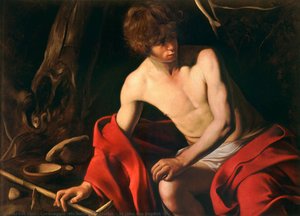
A Testament to Suffering: Caravaggio’s “The Crowning with Thorns”
Michelangelo Merisi da Caravaggio, a name synonymous with the dramatic intensity of Baroque painting, was born in Milan in 1571, a period steeped in both artistic flourishing and societal upheaval. His early life was marked by loss; plague ravaged his hometown, claiming the lives of his father and grandfather when he was just six years old. Raised amidst relative poverty, young Michelangelo’s formative years instilled within him a keen awareness of human suffering and resilience—themes that would later become central to his artistic vision. He began his artistic training in Milan under Simone Peterzano, absorbing the fundamentals of Renaissance technique but already hinting at a rebellious spirit that would soon shatter conventional norms. This apprenticeship provided a solid foundation, yet it was in Rome, arriving around 1592, that Caravaggio truly found his voice, though not without initial struggle and hardship. The city, a vibrant hub of artistic patronage and intellectual debate, welcomed him with open arms—and challenged him to forge a path unlike any seen before.The Canvas of Darkness: Style and Technique
Caravaggio’s revolutionary approach to painting distinguished him from his contemporaries. He eschewed idealized beauty, favoring instead unflinching realism that captured the gritty textures of everyday life. His signature technique, known as tenebrism—Italian for “darkness”—employed stark contrasts between light and shadow to create a palpable sense of drama and heighten emotional impact. This masterful manipulation of illumination wasn’t merely stylistic; it served as a deliberate tool to draw the viewer's eye directly to the focal point – Christ’s head, crowned with thorns – emphasizing his vulnerability and suffering. The artist famously utilized incision, meticulously etching outlines onto paper before applying paint, ensuring precise contours and maximizing the expressive power of each brushstroke. This painstaking process underscored Caravaggio’s commitment to capturing every nuance of human anatomy and emotion.A Dialogue With Antiquity: Influences and Inspiration
Caravaggio's artistic sensibilities were profoundly shaped by his fascination with classical sculpture, particularly the Belvedere Torso—a marble torso discovered in Rome around 1530 that captivated artists and intellectuals alike. He meticulously studied this model, mirroring its posture and conveying a similar sense of dignified sorrow within his depictions of biblical figures. This connection to antiquity wasn’t simply aesthetic; it reflected Caravaggio's belief in the enduring power of human form and emotion across time periods—a conviction that fueled his artistic explorations and cemented his place as one of history’s most influential painters.Symbolism Beneath the Surface: Narrative Depth
“The Crowning with Thorns” transcends mere visual representation; it embodies a complex tapestry of symbolic meaning. The positioning of Christ, bent forward under the weight of the thorns and surrounded by menacing figures—soldiers and onlookers alike—underscores the brutality of his ordeal and highlights the sacrifice he willingly endured for humanity’s salvation. Caravaggio's deliberate portrayal of Christ’s skin tone – pale and luminous – juxtaposed against the bronzed complexion of his tormentors serves as a powerful visual metaphor for purity versus corruption, innocence versus transgression. The artist’s masterful use of light and shadow amplifies these symbolic resonances, immersing the viewer in an atmosphere of palpable tension and conveying the profound emotional weight of the scene.Emotional Resonance: Legacy and Inspiration
Caravaggio's enduring legacy lies not only in his groundbreaking technique but also in his ability to evoke visceral emotion within the viewer. “The Crowning with Thorns” continues to captivate audiences today, prompting contemplation on themes of faith, suffering, and redemption. Its dramatic composition and masterful execution serve as an inspiration for artists seeking to convey profound psychological depth—a testament to Caravaggio’s unparalleled skill in capturing the human condition at its most vulnerable yet resolute. Explore a stunning reproduction of this masterpiece at Preston Crown Court and discover similar artworks at TopImpressionists.com!Perguntas e Respostas
Em que ano foi criado "The Crowning with Thorns"?
"The Crowning with Thorns", de Caravaggio foi criado em 1604.
Quão clara é a obra "The Crowning with Thorns" no geral?
Em termos de luminosidade percebida, "The Crowning with Thorns", de Caravaggio é deep_shadow.
Os direitos autorais de "The Crowning with Thorns", de Caravaggio permitem reproduções?
"The Crowning with Thorns", de Caravaggio, pertencente ao Kunsthistorisches Museum, está em em domínio público — seus direitos autorais expiraram. Este status determina se reproduções da imagem podem ser feitas.
Quick facts and art quiz
About Caravaggio

Caravaggio
1571 - 1610, Itália
Biografia do Artista
Uma Vida Forjada na Sombra e na Luz
Michelangelo Merisi da Caravaggio, um nome indissociável da intensidade dramática da pintura barroca, nasceu em Milão em 1571, uma época permeada por florescimento artístico e turbulência social. Sua infância foi marcada pela perda; a peste assolou sua cidade natal, ceifando as vidas de seu pai e avô quando ele tinha apenas seis anos. Criado em relativa pobreza, os primeiros anos de Michelangelo lhe conferiram uma aguda consciência do sofrimento humano e da resiliência – temas que mais tarde dominariam suas telas. Iniciou sua formação artística em Milão sob a tutela de Simone Peterzano, um antigo aluno de Ticiano, absorvendo os fundamentos da técnica renascentista, mas já prenunciando um espírito rebelde que em breve estilhaçaria as convenções estabelecidas. Este aprendizado forneceu uma base sólida, mas foi em Roma, por volta de 1592, que Caravaggio verdadeiramente encontrou sua voz, embora não sem lutas e dificuldades iniciais. A cidade, um vibrante centro de mecenato artístico e fervor religioso, provou ser ao mesmo tempo atraente e implacável para o ambicioso jovem pintor.Revolucionando a Visão: Técnica e Estilo
A chegada de Caravaggio a Roma anunciou uma mudança sísmica na paisagem da arte italiana. Ele rejeitou o estilo maneirista predominante – caracterizado por sua elegância artificial e formas alongadas – em favor de um realismo implacável que chocou e cativou o público. Sua inovação mais marcante foi seu domínio magistral do chiaroscuro, o contraste dramático entre luz e sombra, que elevou a um novo nível de poder expressivo. Esta técnica, frequentemente referida como tenebrismo, não era meramente uma escolha estética; era um meio de intensificar o impacto emocional, atraindo os espectadores para o coração da cena e imbuindo suas figuras com uma palpável sensação de presença. Ele evitou representações idealizadas, povoando suas pinturas com pessoas comuns – frequentemente retiradas das ruas de Roma – como modelos para figuras religiosas. Essa abordagem radical desafiou as noções tradicionais de beleza e santidade, tornando o sagrado relacionável e profundamente humano. Suas composições eram muitas vezes austeras e diretas, focando em momentos cruciais de intensa dramaticidade, seja o brutal realismo de “A Captura de Cristo” ou a contemplação silenciosa em "São Francisco de Assis em Êxtase".Obras-Chave e Influência Duradoura
Ao longo de sua carreira relativamente curta, Caravaggio produziu um corpo de trabalho que continua a ressoar com o público hoje. Peças iniciais como “A Cartomante” (1594) demonstram seu talento crescente para capturar detalhes realistas e nuances psicológicas. "Supper at Emmaus" (1601-1602), abrigada na National Gallery em Londres, exemplifica seu domínio do chiaroscuro e sua capacidade de transmitir profunda profundidade emocional dentro de uma narrativa bíblica. “David com a Cabeça de Golias” (c. 1610) é particularmente assombrosa, frequentemente interpretada como um autorretrato refletindo o próprio estado perturbado de Caravaggio. Sua influência se estendeu muito além da Itália, inspirando uma geração de artistas conhecidos como os Caravaggisti, ou “ombristas”, que adotaram seu estilo em toda a Europa. Seguidores notáveis incluíram Peter Paul Rubens, Jusepe de Ribera e Gerrit van Honthorst, cada um adaptando as técnicas de Caravaggio às suas próprias visões artísticas únicas.Uma Existência Tumultuosa e Legado Eterno
A vida de Caravaggio foi tão dramática e turbulenta quanto sua arte. Um temperamento volátil e uma propensão para brigas o levaram a frequentes problemas com a lei, culminando em uma acusação de assassinato em 1606 que o forçou a fugir de Roma. Passou os quatro anos seguintes vagando por Nápoles, Malta e Sicília, continuando a pintar enquanto buscava desesperadamente um perdão papal. Apesar de seus esforços, permaneceu um fora da lei, assombrado pelo passado e atormentado por conflitos pessoais. Morreu em Porto Ercole, Itália, em 1610 em circunstâncias misteriosas – a causa de sua morte permanece debatida, com teorias variando de febre a envenenamento. Embora sua vida tenha sido interrompida, o legado artístico de Caravaggio perdura como um testemunho de sua visão revolucionária e compromisso inabalável com o realismo. Ele desafiou as convenções de seu tempo, abrindo caminho para uma abordagem mais moderna da pintura e deixando uma marca indelével no curso da história da arte ocidental. Seu trabalho continua a inspirar admiração e provocar contemplação, lembrando-nos do poder da arte para iluminar os cantos mais escuros da experiência humana.Quick facts about Caravaggio
- Artistas Que O Influenciaram:
- Titian
- Leonardo da Vinci
- Artistas/Movimentos Influenciados:
- Rubens
- Ribera
- Caravaggisti
- Data De Falecimento: 18 de julho de 1610
- Data De Nascimento: 29 de setembro de 1571
- Local De Nascimento: Milão, Itália
- Movimento Artístico: Barroco, Tenebrismo
- Nacionalidade: Italiano
- Nome Completo: Michelangelo Merisi da Caravaggio
- Obras Notáveis:
- A Fortune Teller
- Supper at Emmaus
- David com a cabeça...
Explore obras de arte organizadas por temas, estilos e características.




Caravaggio
The Crowning with Thorns
() ·
With its frame: · Hand-painted in oil on linen
Total