Ateliê — Envio gratuito para todo o mundo — Entrega em 2–6 semanas
Pintura a partir de Foto Lista de desejos Carrinho
Visualizar em escalaVisualizar em escala Visualizar em RAVisualizar em RA Ver impressão do pedido Ver impressão do pedidoBaixar imagem em alta resolução Baixar imagem em alta resolução EnviarEnviar
Ver detalhesVer detalhes Adicionar aos favoritos Adicionar aos favoritos BaixarBaixar SemelhantesSemelhantes Raio XRaio X Apresentação de slidesApresentação de slides

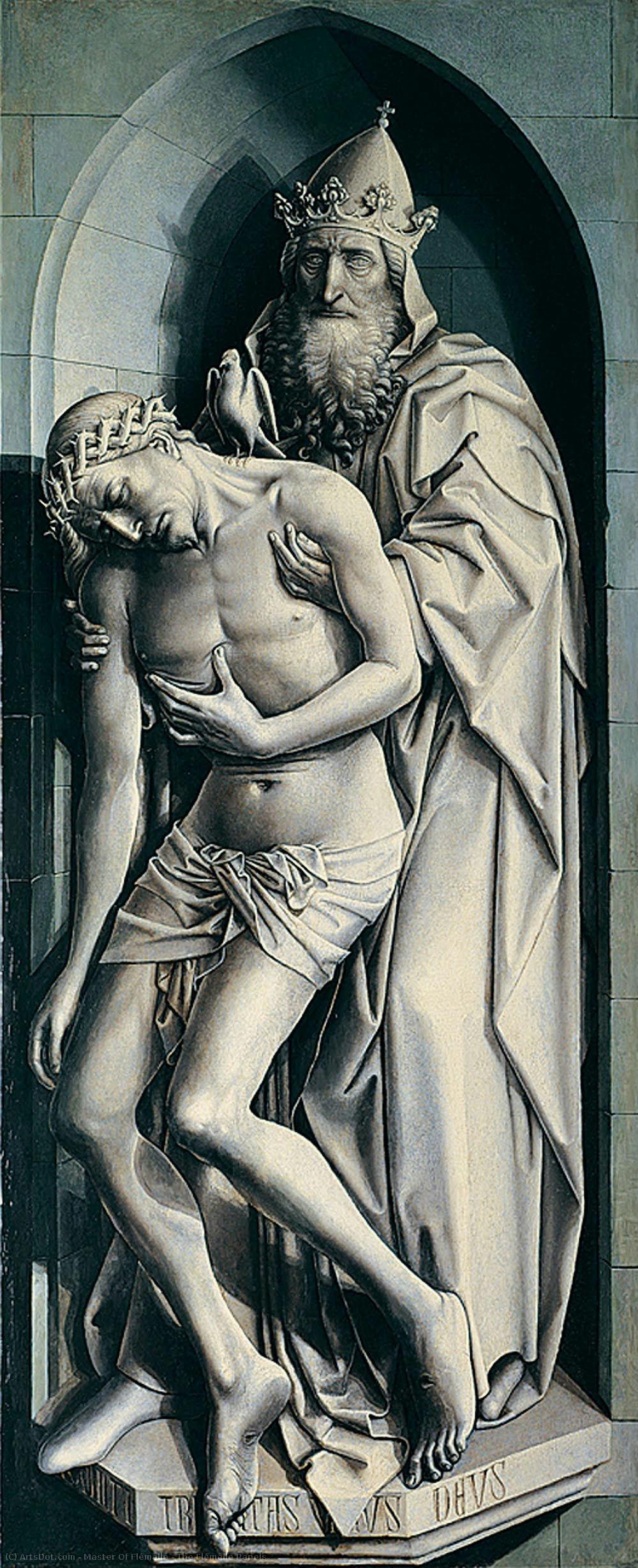
Os Painéis de Flémalle

Explore uma obra-prima da pintura flamenga! Os Painéis de Flémalle, atribuídos ao Mestre de Flémalle (c. 1430), capturam um momento de cuidado e conexão humana em óleo inovador.

Discover Robert Campin (Master of Flémalle), a pivotal early Netherlandish painter known for realism & innovative oil techniques like the Merode Altarpiece.

Reprodução em Óleo Feita à Mão

Óleo sobre tela pintado à mão no seu tamanho e moldura, feito sob encomenda pelos nossos artistas. (Ver impressão do pedido Ver impressão do pedidoBaixar imagem em alta resolução Baixar imagem em alta resolução)

P118B $10
P118H $10
P118W $10
P438Z $10
P508JH $12
P508YH $12
P805H $10
P805Z $10
P919BZ $10
P919G $10
P919XJ $10
P959ZH $10
P968JZ $12
W106C $8
W218G $10
W218JH $8
W218Y $10
W307PJ $10
W316G $10
W316PJ $8
W316Y $10
W398PJ $8
W4111J $10
W500HY $15
W500JH $15
W692G $12
W849H $8
W940BG $15
W953PJ $8

Standard
custom
CM
INCH

Escolha entre os nossos tamanhos pré-definidos que respeitam as proporções originais da obra de arte.

largura
altura

Pode inserir as suas próprias dimensões para se adequar a uma moldura ou espaço específico. Se o tamanho selecionado não corresponder às proporções da imagem original, iremos cortar a obra de arte ou estender a pintura com elementos adicionais pintados à mão. Um esboço digital será enviado para sua aprovação antes do início da produção.
Tenha em atenção que a pré-visualização no ecrã não reflete o corte ou extensão real. Apenas o esboço mostrará com precisão a composição final.
Embora tamanhos personalizados estejam disponíveis, recomendamos selecionar uma dimensão da lista predefinida para preservar as proporções originais.

Exemplos do que pode ser personalizado: Substituir o rosto pela foto do cliente; Adicionar um animal de estimação (ex: substituir gato por cão); Incluir uma mensagem oculta no fundo; Alterar a paisagem ou elementos do fundo.
Após o pedido, a equipa TopImpressionists.com enviará um e-mail ao cliente para solicitar instruções e fornecer uma prévia do esboço.

Entrega mundial () em 3 a 4 semanas, em vez das 5 semanas padrão. (10 Agosto). Sem comprometer a qualidade.

why_choose_icon
Envio Expresso Gratuito para todo o Mundo
why_choose_icon
Tela de Linho Premium
why_choose_icon
Seguro de transporte total
why_choose_icon
Garantia de Reembolso de Impostos Alfandegários
why_choose_icon
Garantia de Fidelidade de Cor
why_choose_icon
Política de Devolução de 60 Dias (Apenas para Defeitos)
why_choose_icon
Garantia de reembolso de 100%
why_choose_icon
Desconto para múltiplas unidades

Preço Total

$ 269

reproduction

Os Painéis de Flémalle

Técnica de Reprodução

Dimensões da Reprodução

-

Preço Total

$ 269

Detalhes Rápidos

  • Subject or theme: Religious Scene
  • Artist: master of flémalle
  • Title: The Flémalle Panels
  • Medium: Oil paint
  • Influences: Gentile da Fabriano
  • Location: Private Collection
  • Movement: Early Netherlandish Painting

Descrição da Obra

Uma Jornada à Essência da Empatia e da Beleza Efêmera: Os Painéis de Flémalle

Os Painéis de Flémalle, atribuídos ao mestre desconhecido conhecido como Jean-Baptiste Mongeau, representam uma obra singular do início do século XV que transcende o mero retrato para oferecer um profundo testemunho da estética e das preocupações espirituais da época. Pintados em torno de 1430, estes painéis – atualmente alojados na Strossmayer Gallery em Zagreb – são considerados um marco na história da pintura flamenga, marcando uma ruptura com as tradições figurativas anteriores e inaugurando uma nova abordagem à composição e à expressão emocional. A imagem captura um momento íntimo entre dois homens, cuja postura transmite uma sensação de cuidado e apoio mútuo. Um deles segura o outro nos braços, enquanto ambos observam atentamente algo que está fora da tela – uma cena que sugere uma conexão humana profunda e uma busca por conforto em tempos incertos. Além dos protagonistas principais, figuras secundárias adicionam camadas de significado à composição, representando membros da família ou amigos próximos, criando um ambiente rico em detalhes que convidam à contemplação. O estilo artístico empregado é caracterizado pela meticulosa atenção aos detalhes típicos do período inicial do Gótico Internacional, uma corrente estética marcada pela influência da arte italiana e pelo desejo de criar imagens que fossem ao mesmo tempo belas e significativas. O uso inovador da técnica do óleo – uma prática ainda pouco difundida na região norte europeia – demonstra o talento e a visão artística do artista, que buscava superar as limitações das técnicas tradicionais como o fresco para alcançar maior luminosidade e profundidade cromática. Esta abordagem técnica é particularmente evidente nas mãos dos homens retratados, que exibem uma textura suave e realista, capturando a luz de maneira magistral. Historicamente, os Painéis de Flémalle surgiram em um período de intensa transformação cultural e religiosa na Europa Ocidental, marcado pela ascensão da Universidade de Paris e pelo desenvolvimento do pensamento escolástico. O artista demonstra conhecimento das ideias filosóficas e religiosas da época, incorporando símbolos como o círculo divino – frequentemente representado no fundo da tela – que evocam a ordem universal e a busca pela transcendência espiritual. A composição equilibrada e harmoniosa dos painéis reflete os valores estéticos dominantes do período, enfatizando a beleza idealizada e a importância da razão como guia para compreender o mundo. Em última análise, Os Painéis de Flémalle permanecem uma obra poderosa que transmite uma mensagem universal sobre a natureza humana e a capacidade da arte de capturar emoções profundas. Sua beleza estética é acompanhada por uma sensação de empatia e compreensão, convidando o espectador a refletir sobre os valores humanos fundamentais e sobre a efemeridade da vida. Uma reprodução de alta qualidade destes painéis pode enriquecer qualquer espaço interior, trazendo para perto um dos mais importantes exemplos da arte flamenga do século XV e celebrando a beleza como expressão da alma humana.

Biografia do Artista

The Shadowed Canvas: Exploring the Life and Art of Jean-Baptiste Mongeau

Jean-Baptiste Mongeau, a name perhaps less familiar than his contemporaries in the burgeoning Romantic movement, nevertheless carved out a unique and profoundly evocative space within French art during the late 18th and early 19th centuries. Born in Lyon in 1778, Mongeau’s life was inextricably linked to the tumultuous social and political shifts of his time – the rise of revolutionary fervor, the Napoleonic era, and the subsequent restoration. While he never achieved widespread fame during his lifetime, a closer examination of his work reveals a deeply sensitive artist grappling with themes of memory, loss, and the ephemeral nature of beauty, anticipating many of the concerns that would define later Symbolist painters. Mongeau’s early life offered little indication of the artistic path he would ultimately pursue. His father was a silk merchant, a practical profession in the heart of Lyon's textile industry. However, young Jean-Baptiste displayed an unusual aptitude for drawing and painting from a remarkably young age, initially sketching designs for his family’s business and later capturing the vibrant scenes of the city’s bustling markets and canals. He received informal instruction from a local artisan, mastering the fundamentals of oil paint and composition before embarking on a period of self-directed study, fueled by an intense curiosity about the world around him. Crucially, he was exposed to the works of Jacques-Louis David, whose Neoclassical style initially exerted a strong influence – evidenced in his early portraits and historical scenes, characterized by precise detail and idealized forms. A pivotal moment in Mongeau’s artistic development occurred during his time serving as an artillery officer in Napoleon's campaigns. The horrors he witnessed on the battlefield—the carnage, the suffering, and the sheer waste of human life—profoundly impacted him. This experience marked a dramatic shift away from the polished formality of Neoclassicism and towards a more introspective and emotionally charged style. He began to explore darker subjects – landscapes imbued with melancholy, portraits reflecting inner turmoil, and allegorical scenes that hinted at the fragility of existence. His palette darkened considerably, favoring somber blues, greens, and browns, punctuated by flashes of intense color used sparingly to heighten emotional impact. The influence of Romanticism, particularly the emphasis on subjective experience and the sublime, became increasingly apparent. Mongeau’s artistic style is often described as “atmospheric realism.” He wasn't interested in simply replicating reality; instead, he sought to capture its essence—its mood, its feeling. His landscapes are particularly notable for their evocative use of light and shadow, creating a sense of depth and mystery. He frequently depicted scenes of twilight or dawn, using diffused light to suggest the passage of time and the inevitability of decay. His portraits, in contrast to the idealized representations common at the time, were characterized by an unsettling honesty—a willingness to portray the subject’s vulnerabilities and anxieties. He employed a loose brushstroke technique, layering colors to create a hazy, dreamlike quality that further enhanced the sense of emotional resonance. A key element of his work is the use of *grisaille*, a monochrome painting technique, often used in underpaintings to establish form and tone before adding color. Among Mongeau’s most celebrated works are “The Fallen Soldier” (1808), a haunting depiction of a lone figure slumped amidst the wreckage of battle, and "Memory's Embrace" (1815), an allegorical painting that explores the themes of loss and remembrance. “The Fallen Soldier,” in particular, is considered a seminal work of Romantic art in France, capturing not just the physical devastation of war but also the profound psychological trauma it inflicted. It’s notable for its lack of explicit gore; instead, Mongeau focuses on the soldier's posture, his face etched with despair, and the desolate landscape surrounding him—a powerful indictment of conflict without resorting to sensationalism. His later works often featured recurring motifs – wilting flowers, decaying fruit, and solitary figures gazing into the distance—all symbols of mortality and the transience of beauty. Despite a relatively modest output during his lifetime, Mongeau’s influence on subsequent generations of French artists is undeniable. His emphasis on emotional expression, his exploration of dark themes, and his innovative use of light and color foreshadowed many of the developments that would characterize the Symbolist movement. His work was largely overlooked until the late 20th century when a renewed interest in Romanticism led to a reassessment of his artistic legacy. Today, Jean-Baptiste Mongeau is recognized as a significant, if often misunderstood, figure in French art history—an artist who dared to confront the darker aspects of human experience and capture their essence on canvas with remarkable sensitivity and power.

Key Works

  • The Fallen Soldier (1808): A poignant depiction of a fallen soldier, embodying the horrors of war and the psychological toll it exacts.
  • Memory’s Embrace (1815): An allegorical painting exploring themes of loss, remembrance, and the fleeting nature of beauty.
  • Twilight on the Rhône (c. 1810): A landscape capturing the melancholic beauty of a twilight scene along the river.
  • Portrait of Madame Dubois (1805): A strikingly honest portrait revealing the subject’s inner anxieties and vulnerabilities.

master of flémalle

master of flémalle

1444 , Belgium

Explore obras de arte organizadas por temas, estilos e características.
© TopImpressionists.com — Todos os direitos reservados  ·  100% Pintado à Mão · Satisfação Garantida · Frete Grátis para Todo o Mundo
VISA MASTERCARD